S. 5012: Welcome Back to the Health Care Workforce Act
This bill would create a federal grant program to help skilled health care workers who were educated in other countries more easily enter and advance in the U.S. health care system.
What the grants would do
Within one year of enactment, the Secretary of Health and Human Services would have to award grants to eligible organizations to support these workers. The goal is to help them:
- get licensed or certified in the United States,
- improve their English or test-preparation skills if needed,
- get career counseling and coaching,
- obtain foreign academic or training records,
- gain work-readiness training or clinical experience, and
- find and keep jobs in health care.
What kinds of projects could be funded
Grant money could be used for both system-level and individual-level support.
System-level projects could include building networks of schools, employers, and other partners; mentoring and peer support; informing employers about the skills of internationally educated professionals; creating career pathways; paying for exams, licenses, continuing education, and leadership training; and other efforts to improve retention in the workforce.
Individual-level projects could include help with licensing, English and exam prep, credential evaluations, work-readiness support, rights education for employees, support services such as transportation or living expenses, and help getting records from schools or training programs abroad.
Who could apply
Eligible applicants would have to be consortia of at least two entities, such as:
- hospitals or health systems,
- nonprofit organizations with health-related experience,
- colleges or universities,
- area health education centers,
- state, local, or tribal governments,
- federally qualified health centers, or
- other entities approved by the Secretary.
Who gets priority
The Secretary would give priority to projects that help internationally educated health care professionals in:
- communities with health workforce shortages, or
- rural areas.
Limits and conditions
Grant recipients could spend no more than 10% of grant funds on administration. They would also have to spend at least 20% of the money on direct support projects that improve system-level supports. The grants would be intended to supplement, not replace existing state or regional funding.
Reporting and oversight
Organizations receiving grants would have to report annually to HHS on things like how many people participated, how many obtained jobs in health care, how many did not complete the program, and where the participants were educated. HHS would then have to report to Congress starting two years after enactment and every year after that until the funded projects are finished.
Funding
The bill authorizes whatever money is necessary for fiscal years 2027 through 2031 to carry out the program.
Relevant Companies
None found
This is an AI-generated summary of the bill text. There may be mistakes.
Sponsors
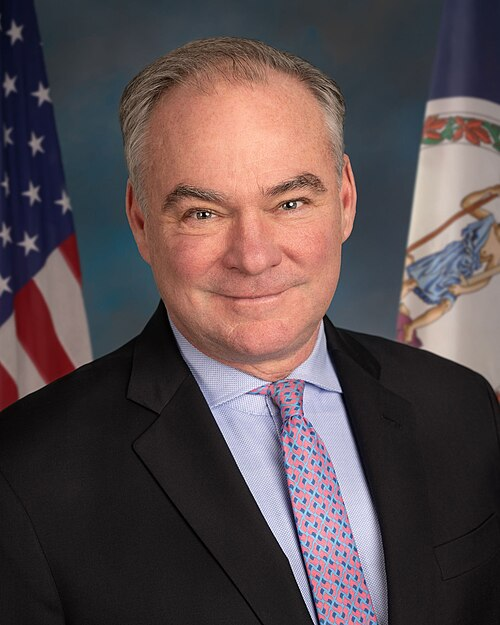
2 bill sponsors

Actions
2 actions
| Date | Action |
|---|---|
| Jul. 16, 2026 | Introduced in Senate |
| Jul. 16, 2026 | Read twice and referred to the Committee on Health, Education, Labor, and Pensions. |
Corporate Lobbying
0 companies lobbying
None found.
* Note that there can be significant delays in lobbying disclosures, and our data may be incomplete.
Potentially Relevant Congressional Stock Trades
No relevant congressional stock trades found.