S. 4988: Advanced Coursework Equity Act
This bill would create a federal grant program aimed at increasing access to advanced coursework in elementary and secondary schools, especially in schools serving lower-income students and students who have historically been underrepresented in these programs.
What the bill is trying to do
The bill says its goals are to:
- Expand access to advanced classes and programs in under-resourced schools.
- Make enrollment in those programs more fair and less dependent on subjective judgments.
- Increase participation by students from groups that are often underrepresented, including Black, Latino, Native American students, students with disabilities, English learners, and students from low-income families.
- Help more students build skills for college and STEM careers.
How the grant program would work
The Secretary of Education would run three grant programs over 3-year cycles:
- State grants: Most of the funding, at least 80%, would go to state education agencies, which would then give subgrants to local school districts and charter schools.
- Local grants: At least 15% would go directly to local education agencies, but only if they are not also receiving a state subgrant under the same program.
- Nonprofit/higher education grants: Up to 4% would go to colleges or other nonprofits with experience providing advanced coursework or related supports, especially for rural or otherwise underserved areas.
- Administration: Up to 1% could be used by the Department of Education to run and evaluate the program.
Who could get funding
To qualify, states and school districts would need to apply and show detailed plans for improving access and participation. Applications would have to include:
- Goals for increasing enrollment and performance in advanced courses.
- A plan to use either open enrollment or universal screening for advanced courses.
- Plans to involve students and parents from underrepresented groups in advisory councils.
- Plans to collect and report data by race, sex, disability status, family income, and English learner status.
- Plans to train teachers, counselors, and school leaders.
- Budgets showing how the money would be spent.
Enrollment rules the bill would encourage
The bill defines two main ways schools could enroll students in advanced programs:
- Open enrollment: Any student who wants to enroll may do so, regardless of prior test scores or grades.
- Universal screening: All students in a grade are evaluated for possible placement, using at least two objective measures when possible. Parents could opt out. The screening process would need to use measures that are not biased against any subgroup and that provide accommodations for students with disabilities.
How the money would be used
School districts receiving funds would have to use them for at least two of the following activities:
- Community engagement and advisory councils.
- Training staff on reducing inequities in advanced coursework access and performance.
- Expanding enrollment in advanced courses or programs.
- Implementing open enrollment or universal screening within one year.
- Launching new advanced courses or adding more seats in existing ones.
- Providing direct academic support, such as tutoring, to students from underrepresented groups.
They could also use the money for things like:
- New or innovative advanced learning models.
- Curriculum and lab materials.
- Paying exam fees for low-income students.
- Training or hiring teachers to teach advanced classes.
- School climate and family engagement efforts, including alternatives to punitive discipline practices.
Nonprofit or higher education grantees could use funds to provide tutoring, materials, and exam fee support for students in rural areas or areas without much access to advanced courses.
Funding priorities and requirements
The bill gives priority to applicants that:
- Cover more students and school districts in their state.
- Show large gaps in access and performance across student groups.
- Use evidence-based strategies to improve access to STEM pathways.
- Show recent progress in improving equity in advanced coursework.
For state subgrants, at least 65% of the grant funds would have to go to local districts that are either:
- High-poverty districts, or
- Districts serving schools that offer fewer advanced courses or fewer seats than the state average.
Reporting and evaluation
Each year, recipients would have to report on:
- Training provided to staff.
- What advanced courses are offered and how students are admitted.
- Enrollment levels in advanced courses, broken down by student subgroup.
- Student outcomes like grades or test scores.
- How the money was spent.
- Whether they met their yearly equity goals.
- How families were informed about the programs and whether they could opt out.
The Education Secretary would also be required to report to Congress after the 3-year period on how well the program worked and whether it improved fair access and performance in advanced courses.
Funding level
The bill authorizes $266 million for each of fiscal years 2027, 2028, and 2029.
Relevant Companies
None found
This is an AI-generated summary of the bill text. There may be mistakes.
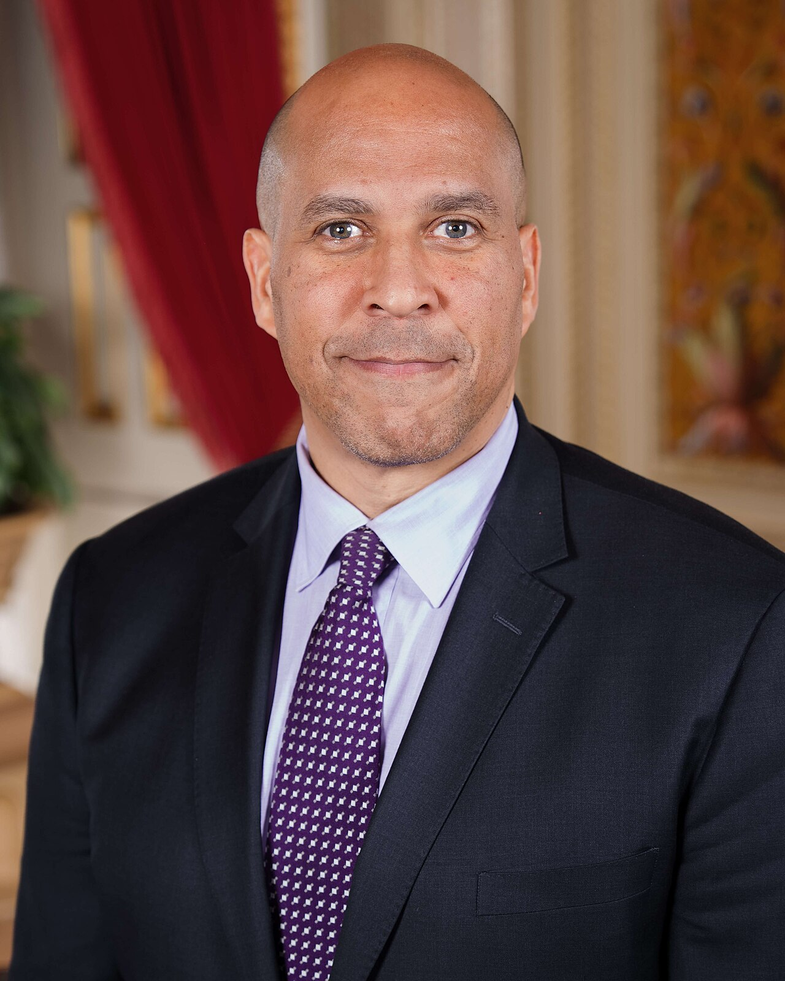
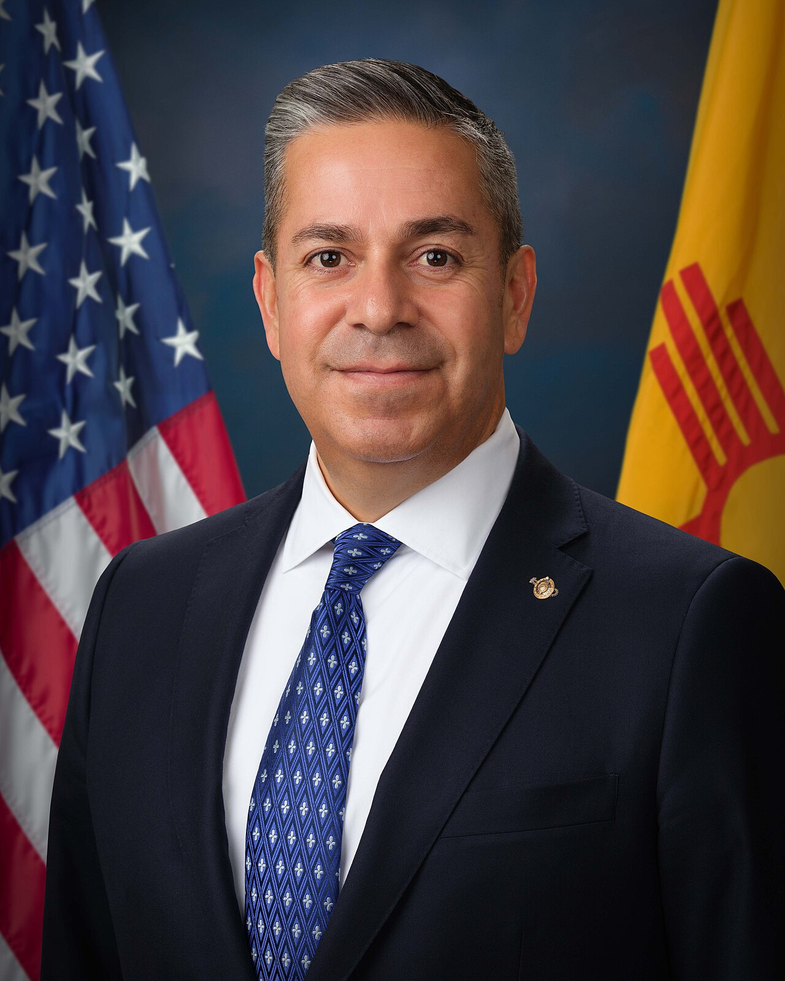
Sponsors
4 bill sponsors


Actions
2 actions
| Date | Action |
|---|---|
| Jul. 15, 2026 | Introduced in Senate |
| Jul. 15, 2026 | Read twice and referred to the Committee on Health, Education, Labor, and Pensions. |
Corporate Lobbying
0 companies lobbying
None found.
* Note that there can be significant delays in lobbying disclosures, and our data may be incomplete.
Potentially Relevant Congressional Stock Trades
No relevant congressional stock trades found.