S. 4982: Good Jobs for Good Airports Act
This bill would require many airport service workers at small, medium, and large hub airports to be paid at least a specified minimum wage and receive minimum fringe benefits.
Who would be covered
The bill defines covered service workers broadly to include many people who work on airport property or at airport facilities, such as workers who:
- load and unload baggage, cargo, or mail
- assist passengers
- provide security
- work in ticketing or check-in
- do ground handling of aircraft and related equipment
- clean aircraft, airport terminals, or other airport buildings
- transport employees or other people within airport property
- work as ramp agents
- provide food, retail, cleaning, security, or lounge services for airport concessions
- prepare or deliver airline catering
- provide food service, housekeeping, or hotel services at airport hotels
The definition applies even if the worker is hired through a contractor or subcontractor.
Who would not be covered
The bill would not cover:
- certain employees already exempt from minimum wage rules under the Fair Labor Standards Act
- employees of state or local governments, or of multi-state airport authorities
- Transportation Security Administration employees
- private security screeners working under TSA contracts
Wage and benefit requirements
Covered employers would have to pay each covered worker:
- at least the higher of the federal service-contract wage set by the Labor Department for that job category, or any higher state or local minimum wage that applies
- at least the higher of the federal service-contract fringe benefit level, or any higher state or local benefit requirement that applies
The bill says these minimums would apply even to workers covered by collective bargaining agreements, unless the agreement already meets or exceeds the required standards.
How the wage levels would be set
The Secretary of Labor would have to issue wage and benefit determinations within 120 days after enactment, using the same general method used under the federal Service Contract Act. The Labor Department could also create new occupational categories if needed so every covered job has an appropriate wage and benefit determination.
Employer reporting and enforcement
Covered employers would have to certify monthly, under penalty of perjury, that they are complying with the wage and benefit rules. Failing to file the certification, or filing a false one, would be a violation.
The bill gives the Department of Labor authority to investigate and enforce the wage and benefit requirements, including reviewing records, holding hearings, and issuing orders. It gives the Department of Transportation authority to enforce the certification requirement.
Penalties and lawsuits
The bill would raise the maximum civil penalty for violating these airport labor standards to up to three times the usual amount. It would also allow an “interested person” to sue in federal court to enforce the new airport labor standards.
Relation to other laws
The bill would not override state or local laws that require higher wages, better benefits, or stronger worker protections.
It would also require airport-related minimum wages and fringe benefits for covered workers under the Fair Labor Standards Act, and it treats unpaid fringe benefits as unpaid wages for enforcement purposes.
Reporting and public data
The Secretary of Transportation would have to report to Congress within one year of enactment, and yearly after that, on implementation and compliance efforts. The department would also have to publish complaint data about covered service workers in a way similar to other aviation consumer complaint data.
Relevant Companies
- None found
This is an AI-generated summary of the bill text. There may be mistakes.
Sponsors
17 bill sponsors
-
TrackEdward J. Markey
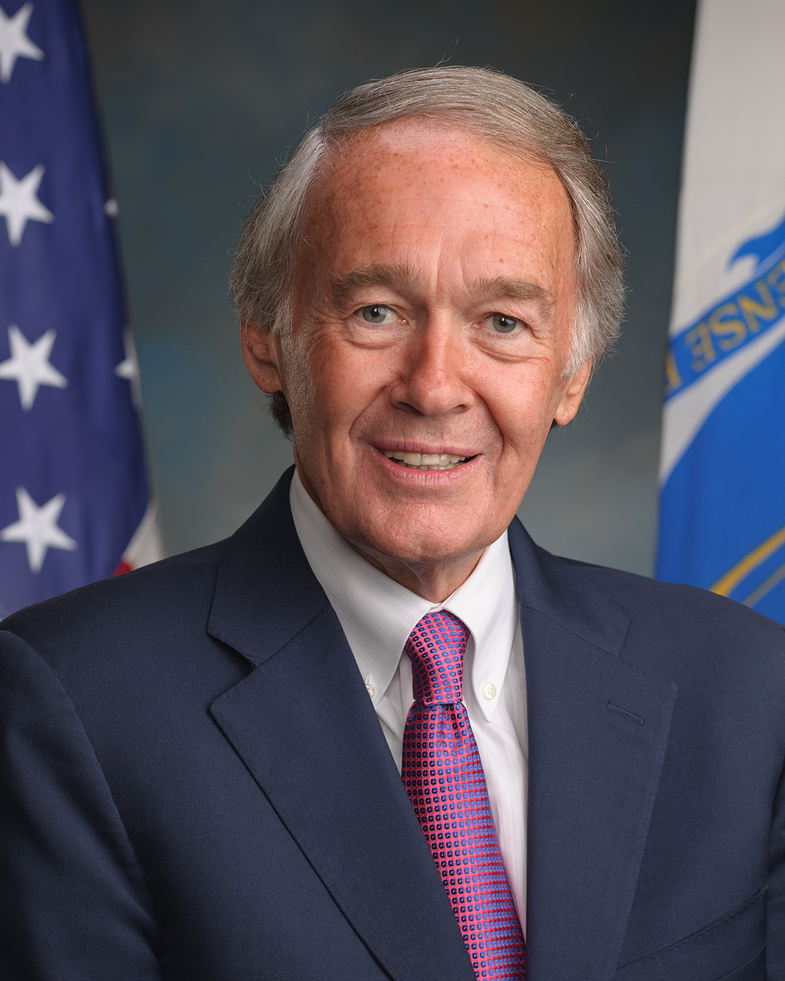
Sponsor
-
TrackTammy Baldwin

Co-Sponsor
-
TrackRichard Blumenthal
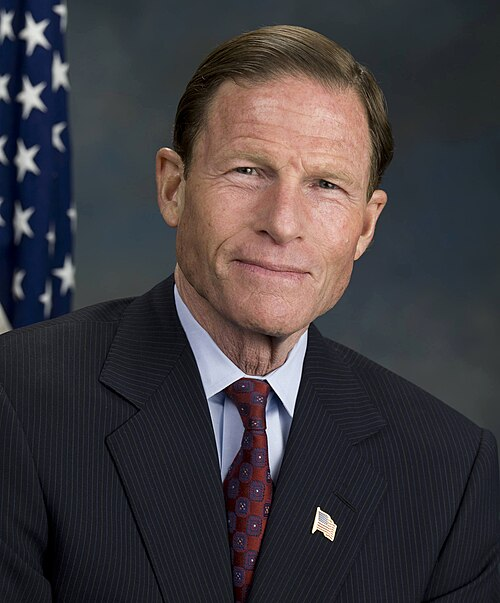
Co-Sponsor
-
TrackCory A. Booker
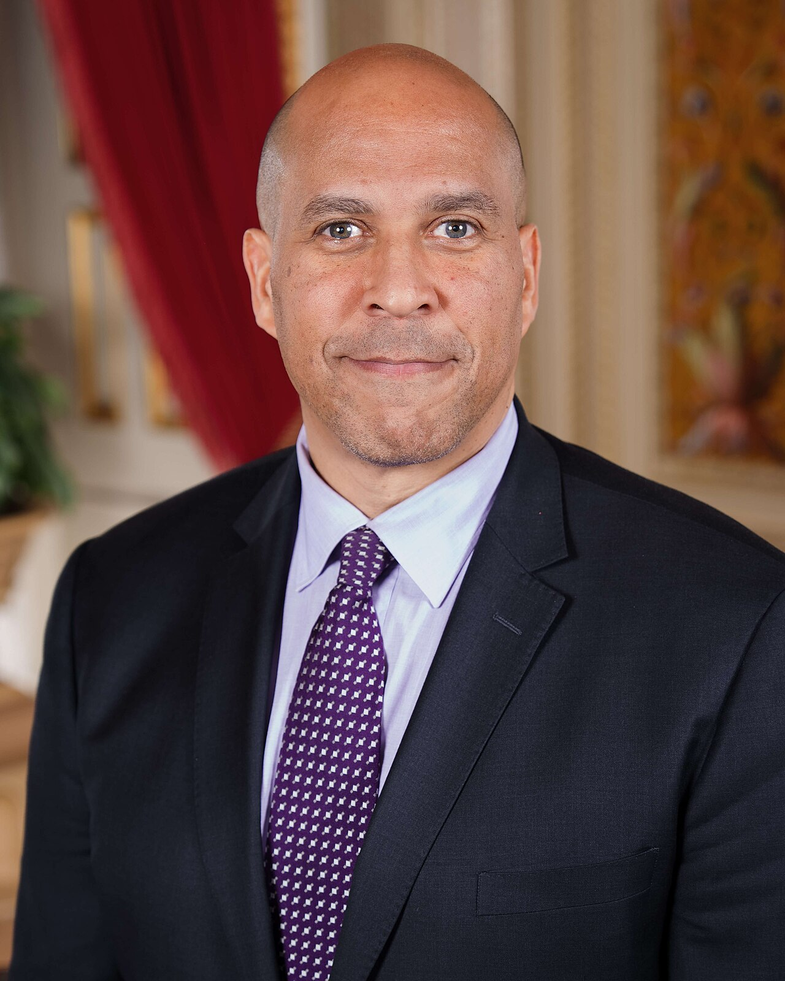
Co-Sponsor
-
TrackTammy Duckworth
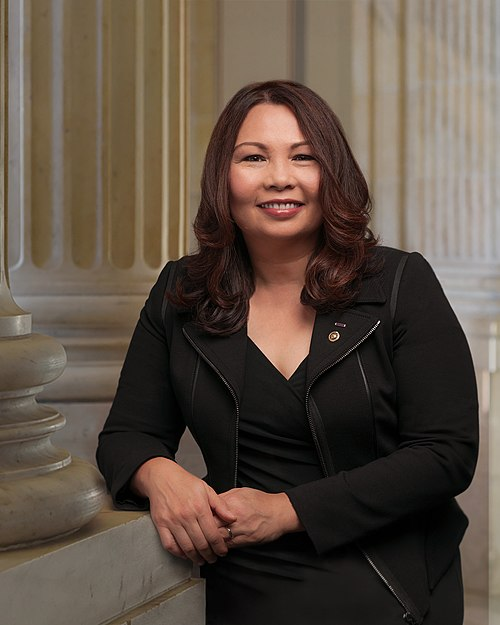
Co-Sponsor
-
TrackRichard J. Durbin
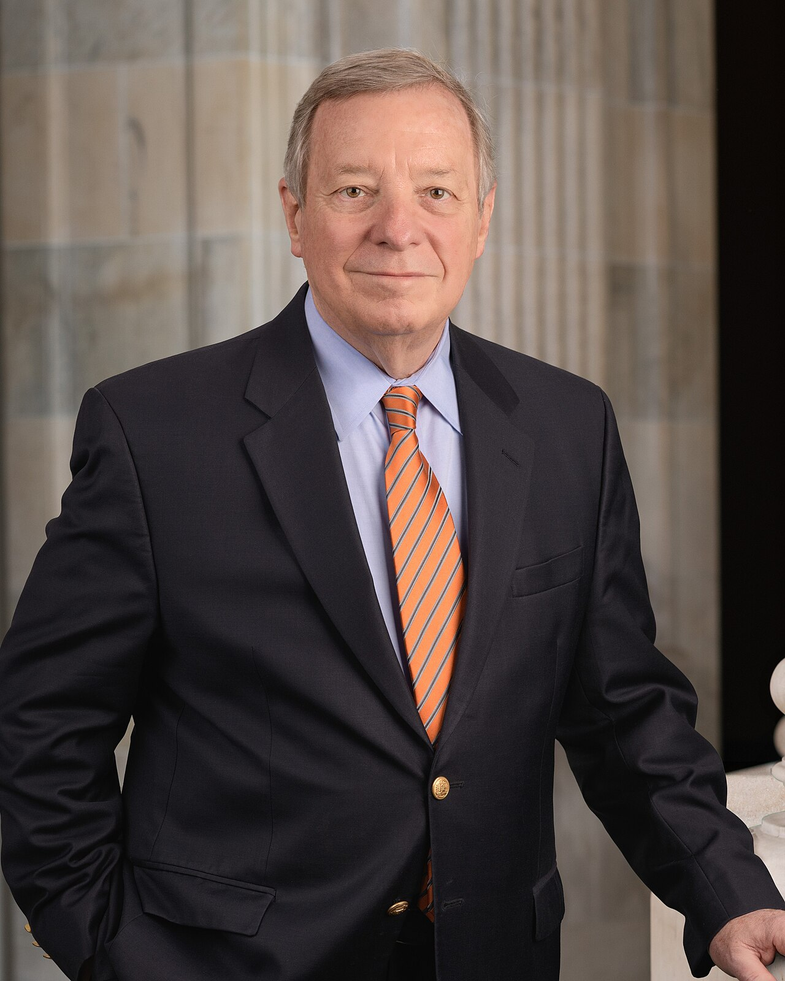
Co-Sponsor
-
TrackRuben Gallego
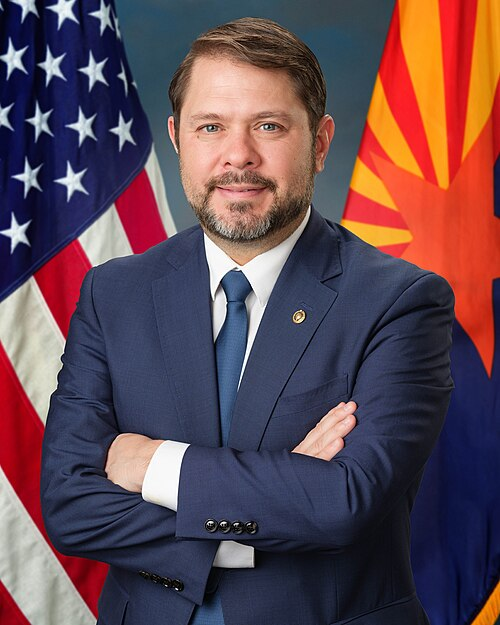
Co-Sponsor
-
TrackKirsten E. Gillibrand
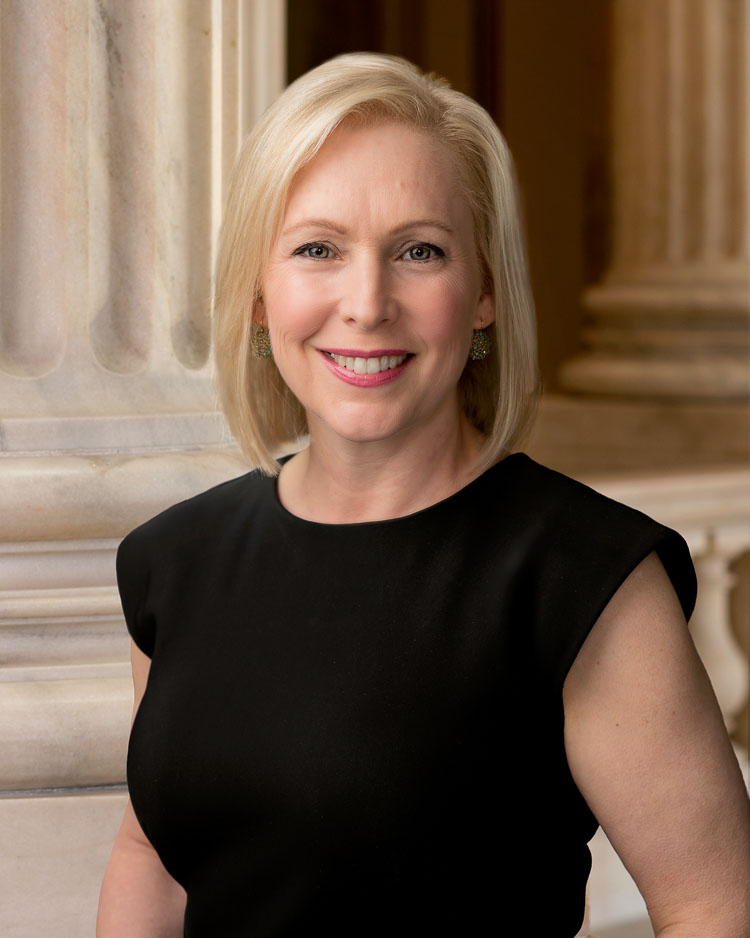
Co-Sponsor
-
TrackJeff Merkley
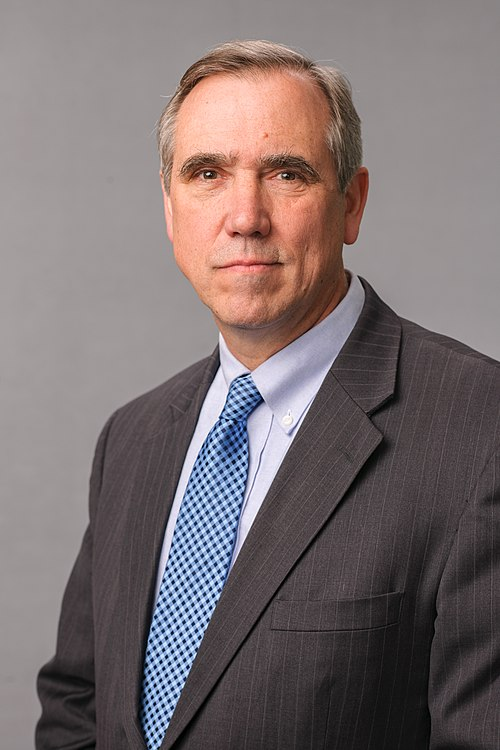
Co-Sponsor
-
TrackChristopher Murphy
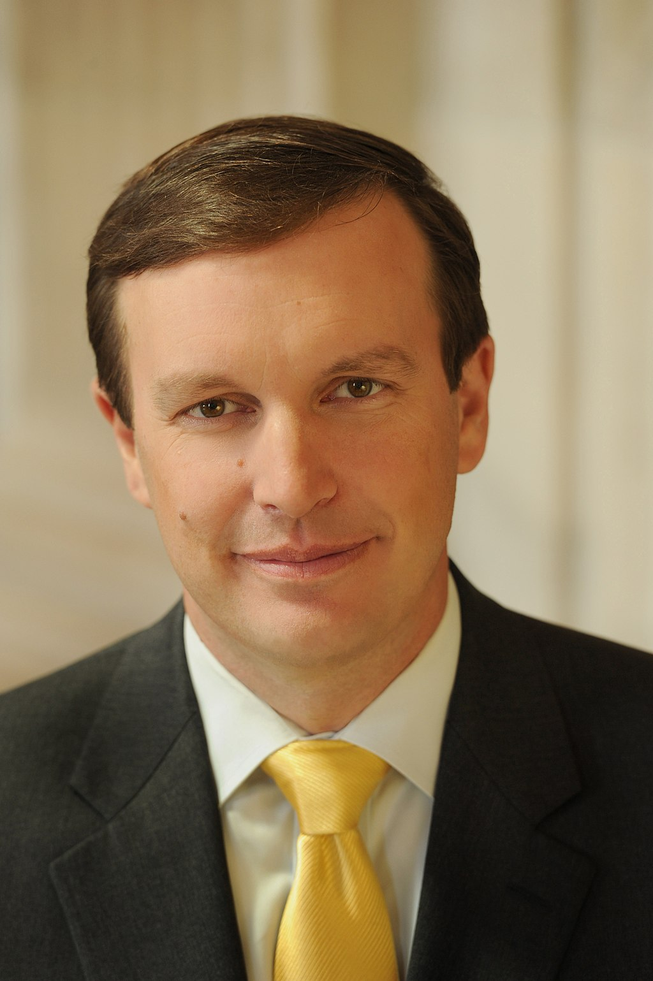
Co-Sponsor
-
TrackAlex Padilla
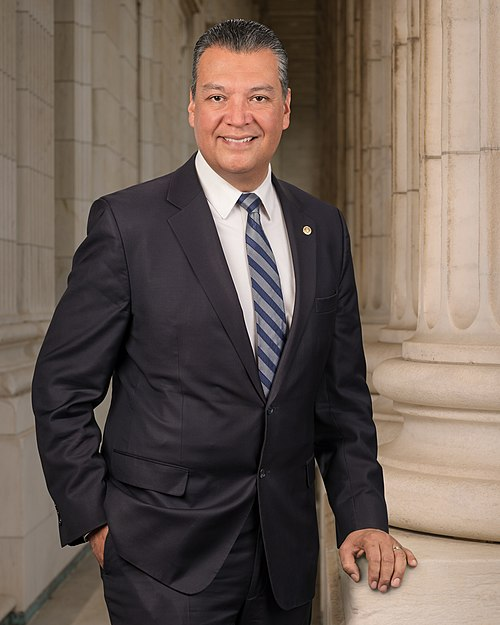
Co-Sponsor
-
TrackBernard Sanders
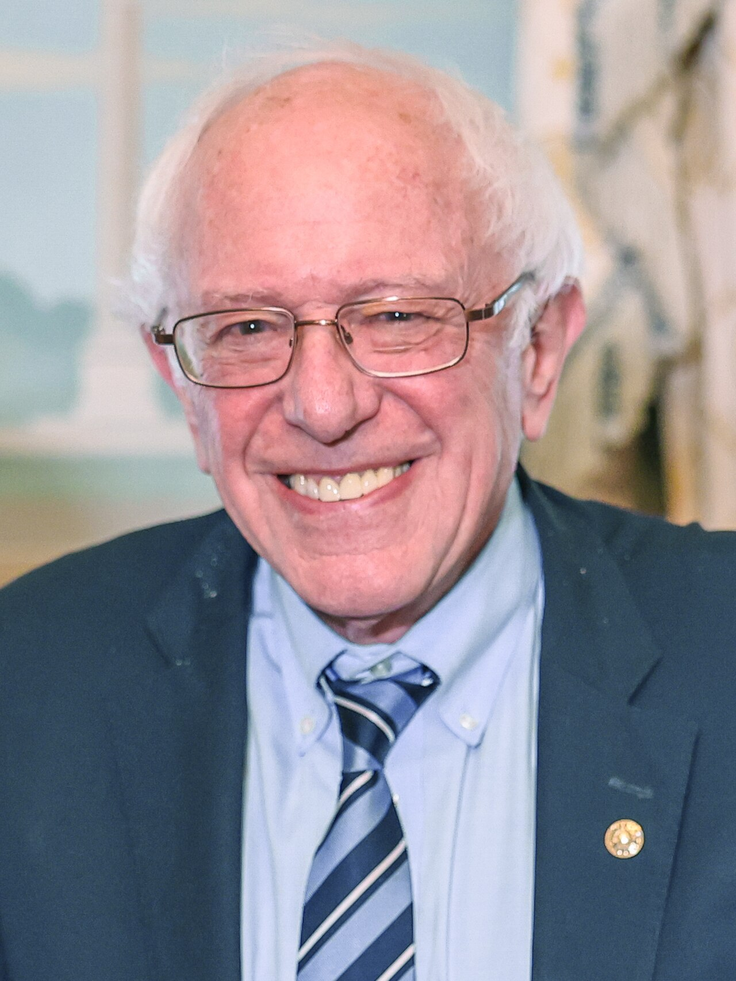
Co-Sponsor
-
TrackCharles E. Schumer
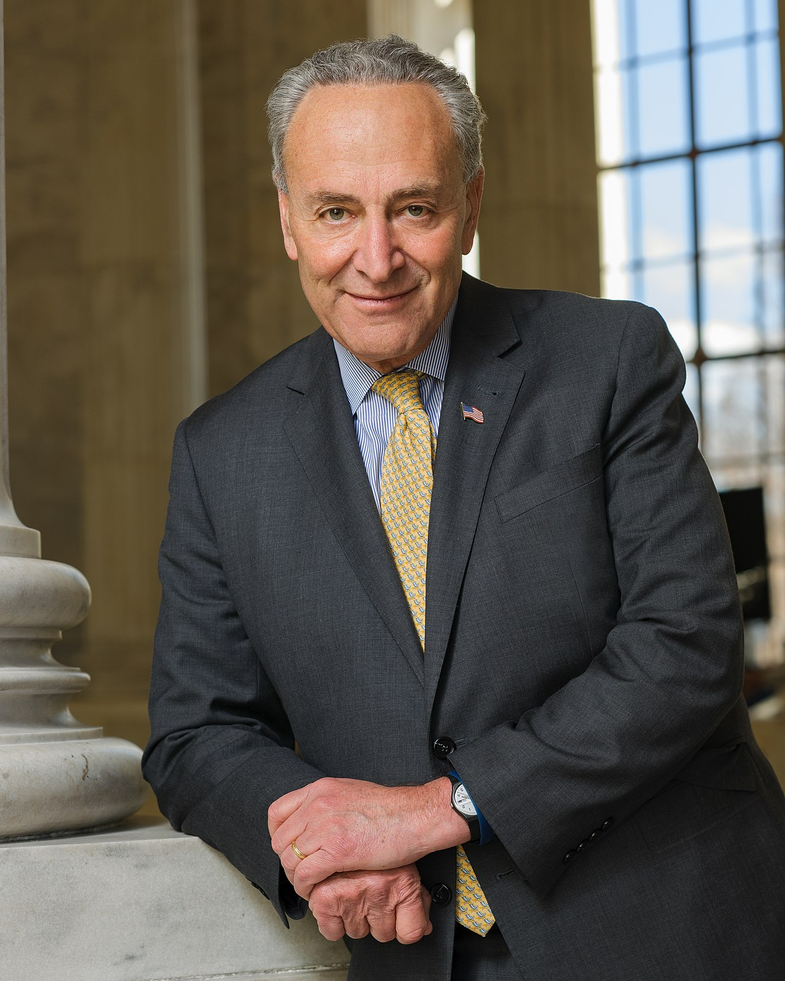
Co-Sponsor
-
TrackTina Smith
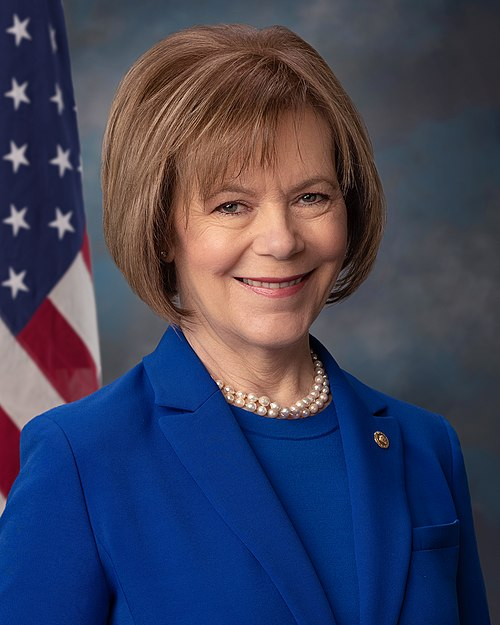
Co-Sponsor
-
TrackChris Van Hollen
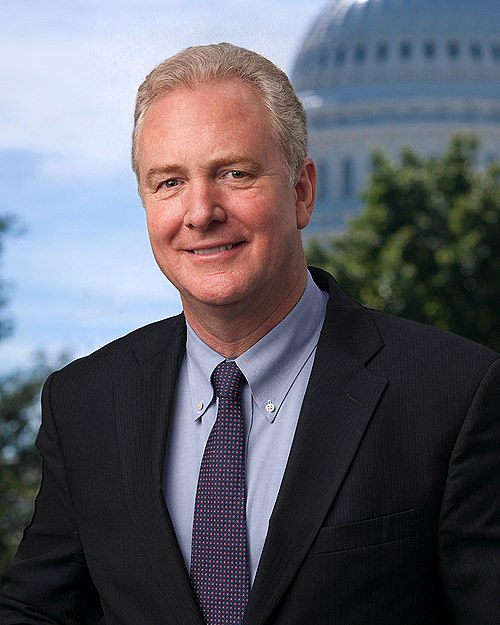
Co-Sponsor
-
TrackRaphael G. Warnock
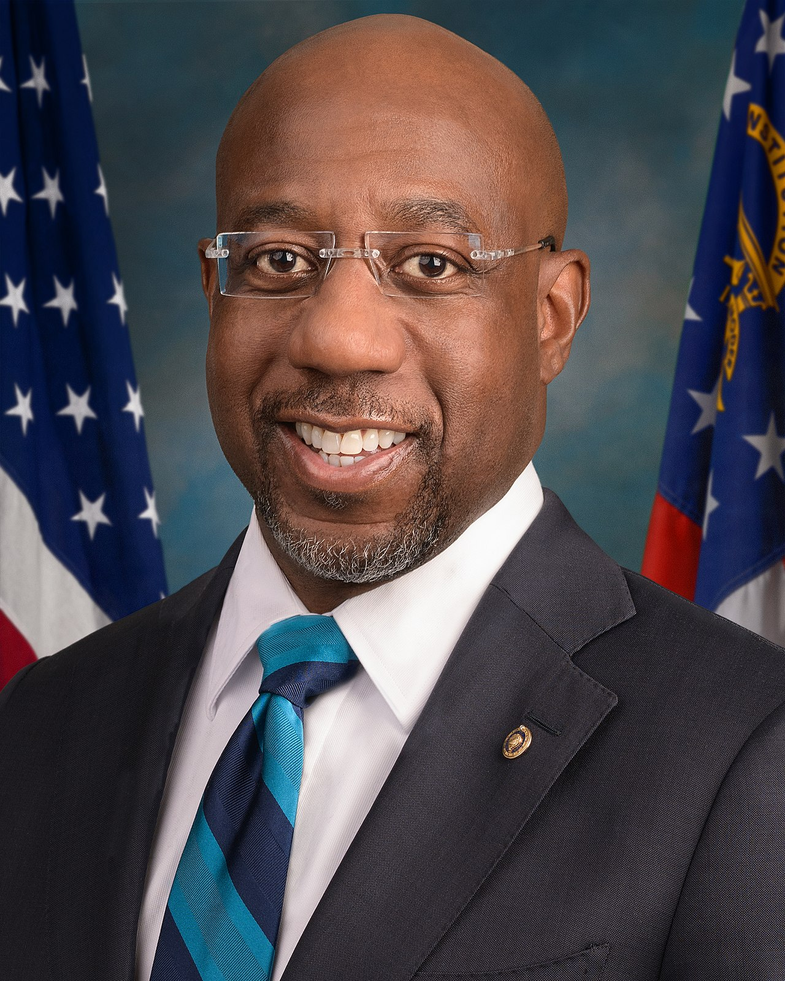
Co-Sponsor
-
TrackElizabeth Warren
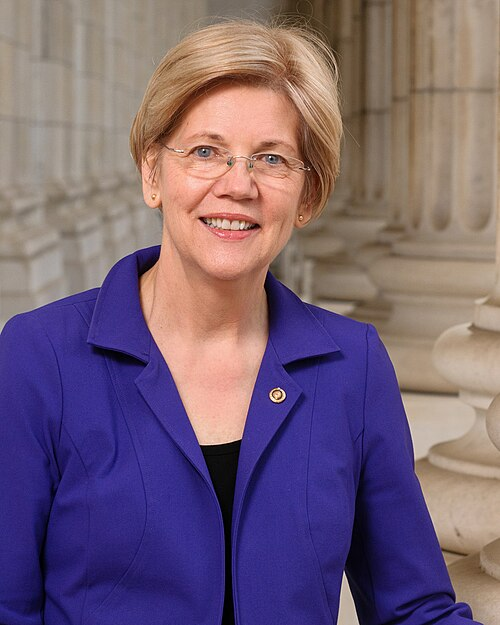
Co-Sponsor
Actions
2 actions
| Date | Action |
|---|---|
| Jul. 14, 2026 | Introduced in Senate |
| Jul. 14, 2026 | Read twice and referred to the Committee on Health, Education, Labor, and Pensions. |
Corporate Lobbying
0 companies lobbying
None found.
* Note that there can be significant delays in lobbying disclosures, and our data may be incomplete.
Potentially Relevant Congressional Stock Trades
No relevant congressional stock trades found.