S. 4981: Living Wage For All Act
This bill would raise the federal minimum wage and change several special wage rules under the Fair Labor Standards Act.
Overall minimum wage changes
The bill creates two different wage schedules:
- Large employers — businesses with at least $1 billion in annual revenue or 500 or more employees nationwide.
- Smaller employers — businesses that do not meet that definition.
For both groups, the minimum wage would start at $12 per hour when the law takes effect. After that, the wage would rise each year on a set schedule.
- Large employers: $15 after 1 year, $18 after 2 years, $20 after 3 years, $22.50 after 4 years, and $25 after 5 years.
- Smaller employers: $14 after 1 year, $16 after 2 years, $18 after 3 years, $20 after 4 years, $20.60 after 5 years, $21.20 after 6 years, $21.80 after 7 years, $22.40 after 8 years, $23 after 9 years, $23.60 after 10 years, $24.20 after 11 years, and $25 after 12 years.
After those phase-in periods, both wage floors would no longer be fixed amounts. Instead, they would automatically increase each year to the higher of the current wage floor or two-thirds of the national median hourly wage, as calculated by the Labor Department using Bureau of Labor Statistics data.
Tipped workers
The bill would also change the minimum cash wage for tipped employees.
- For large employers, the tipped cash wage would begin at $6 per hour, then rise to $9, $12, $15, and $18 over four years, and afterward would match the regular minimum wage for large employers.
- For smaller employers, it would begin at $4.75 per hour and then rise each year by an amount tied to the regular minimum wage, until it reaches that regular wage.
The bill also states more clearly that employees have the right to keep their tips, and employers must inform workers of that right. It would eventually eliminate the separate lower tipped wage once the phase-in is complete.
Youth workers
The bill would raise the special minimum wage for newly hired workers under age 20 from the current $4.25 an hour to $6 an hour for one year, and then increase it over time until it matches the regular minimum wage for the type of employer. The separate youth subminimum wage would later be repealed once it fully catches up to the general minimum wage.
Workers with disabilities
The bill would change rules for workers paid under special certificates that allow wages below the standard minimum wage.
- It would set a new transition wage path beginning at $5 per hour for workers with disabilities covered by these certificates.
- It would prohibit new special certificates from being issued to employers that did not already have one before enactment.
- The Labor Department would have to provide transition assistance to affected employers and information to workers.
- The special certificate program would eventually end once the phased wage levels reach the regular minimum wage.
Notice requirements
The Labor Department would have to publish advance notice of upcoming wage increases in the Federal Register and on its website at least 60 days before each scheduled increase.
When it would take effect
Most parts of the bill would take effect on the first day of the calendar year after enactment, unless a section says otherwise.
Relevant Companies
- MCD — McDonald's could be directly affected by higher labor costs, especially in company-owned stores and through wage expectations at franchise locations.
- SBUX — Starbucks could face higher payroll expenses for hourly workers as minimum wages rise.
- YUM — Yum! Brands may be indirectly affected through labor costs at franchised and company-operated restaurants.
- DG — Dollar General could see increased wage expenses because it operates many low-wage retail stores.
- FIVE — Five Below could be affected by higher wages across its retail workforce.
- WEN — Wendy's could be affected through wage costs in restaurant operations, including franchise-related labor pressure.
- TGT — Target could face higher pay costs for large numbers of hourly workers.
- WMT — Walmart could be affected by higher wages for a large hourly workforce and related spillover effects in the labor market.
This is an AI-generated summary of the bill text. There may be mistakes.
Sponsors
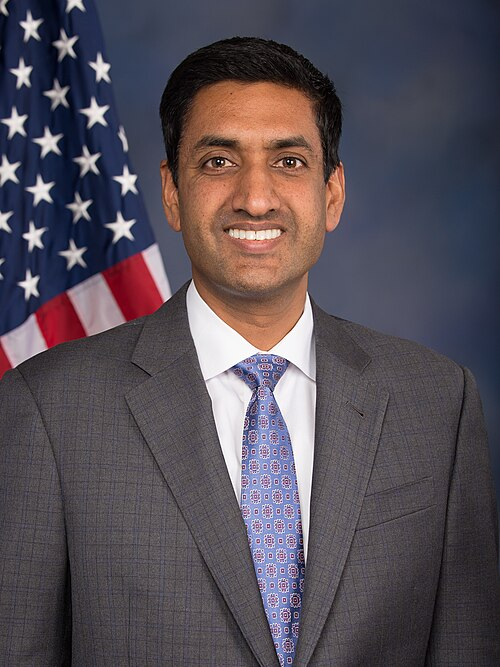
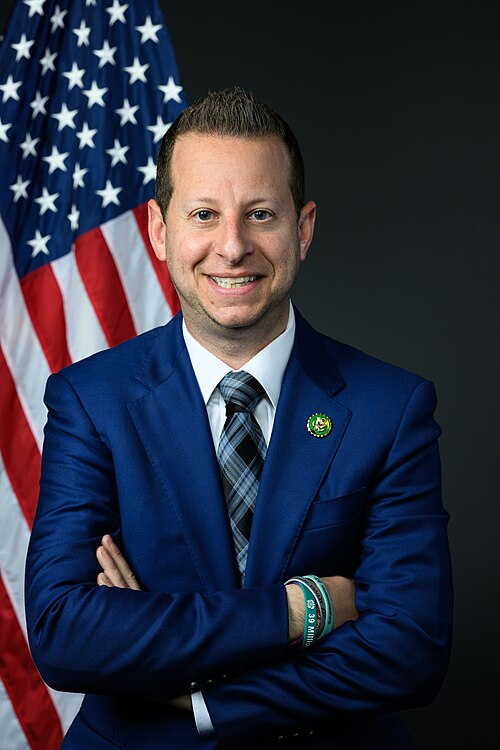
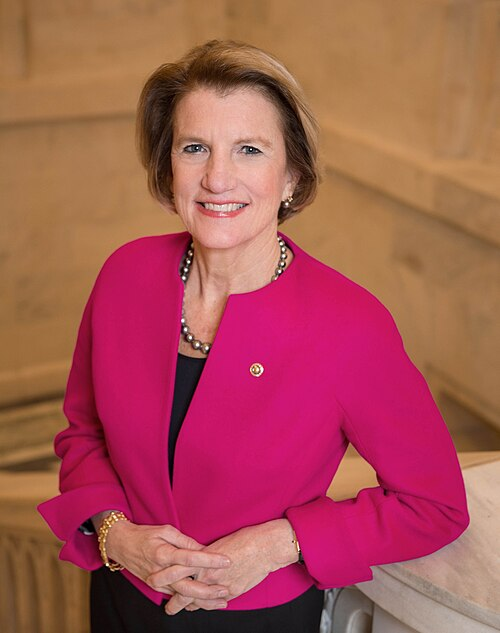
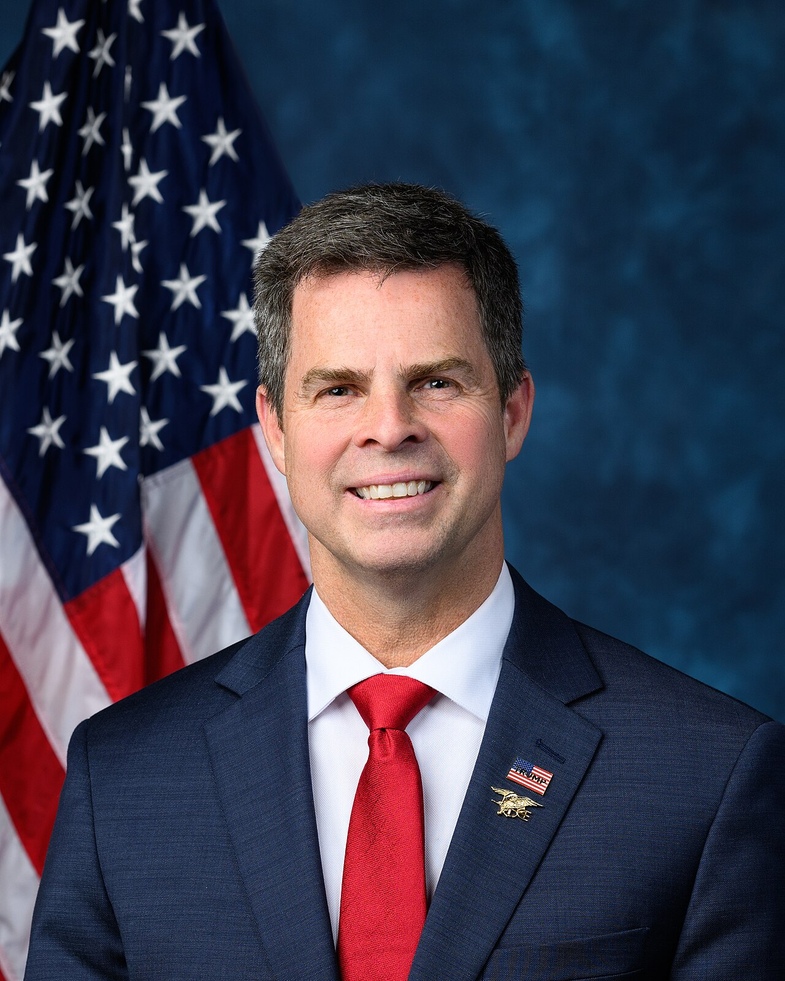
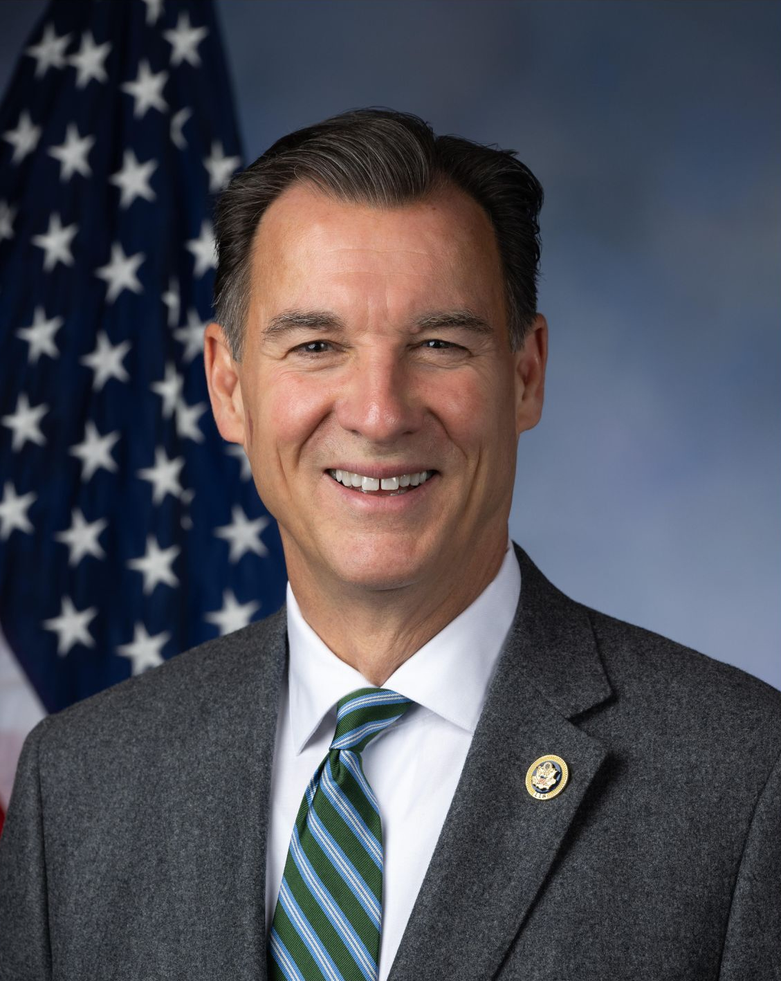
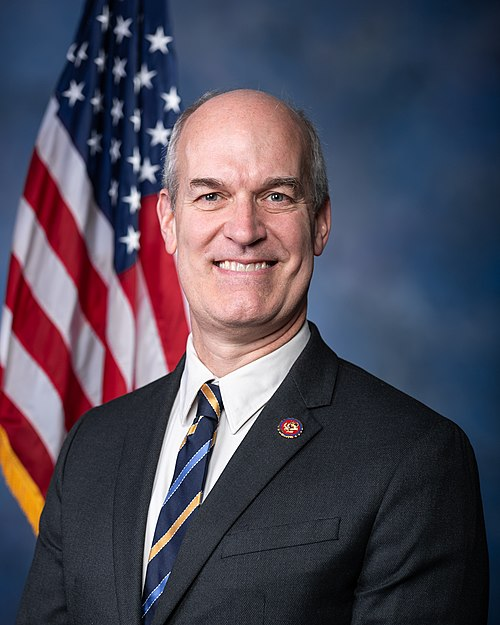
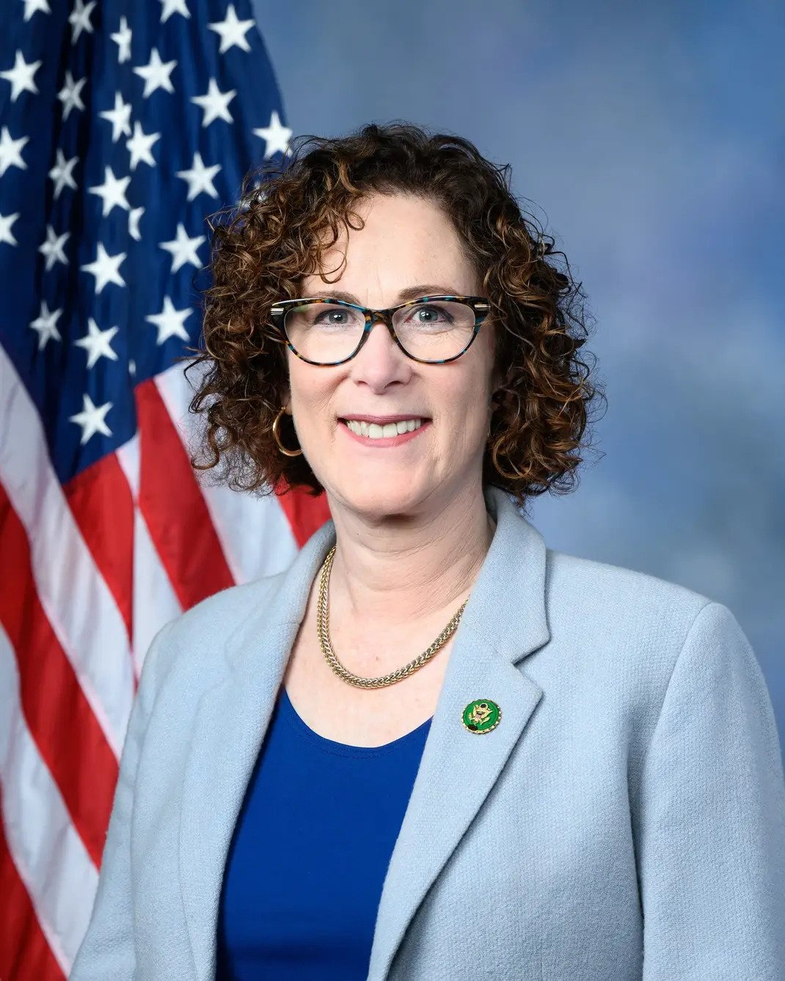
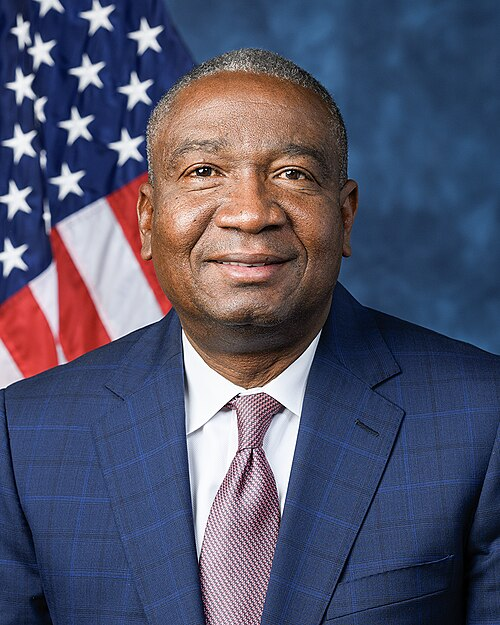
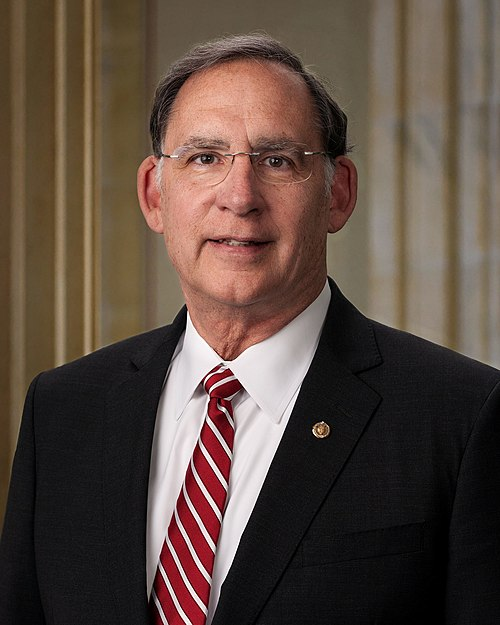
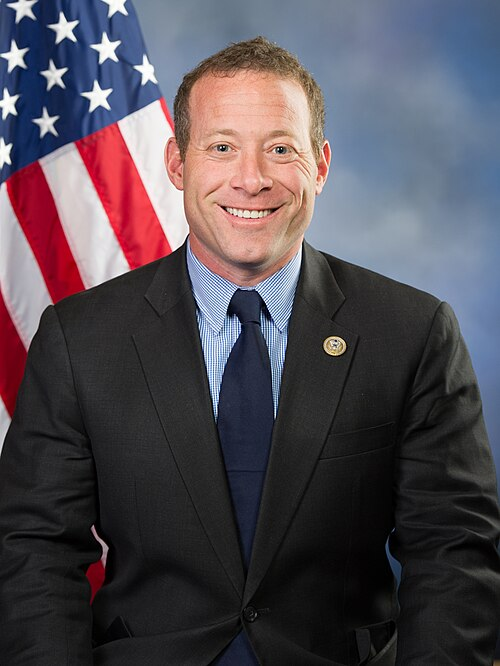
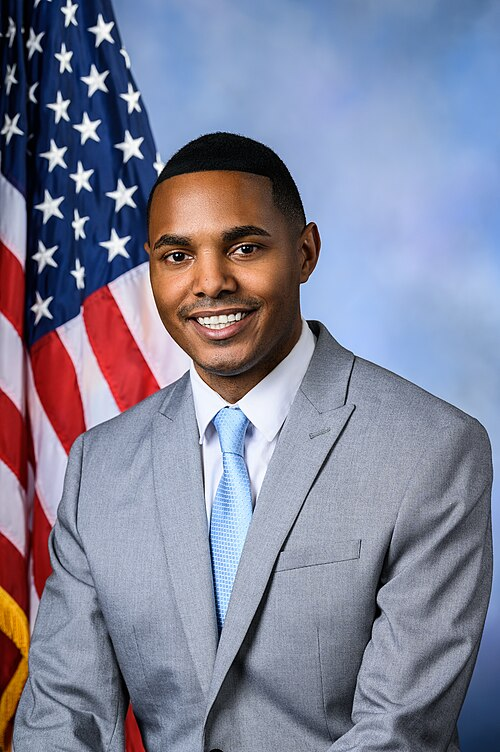
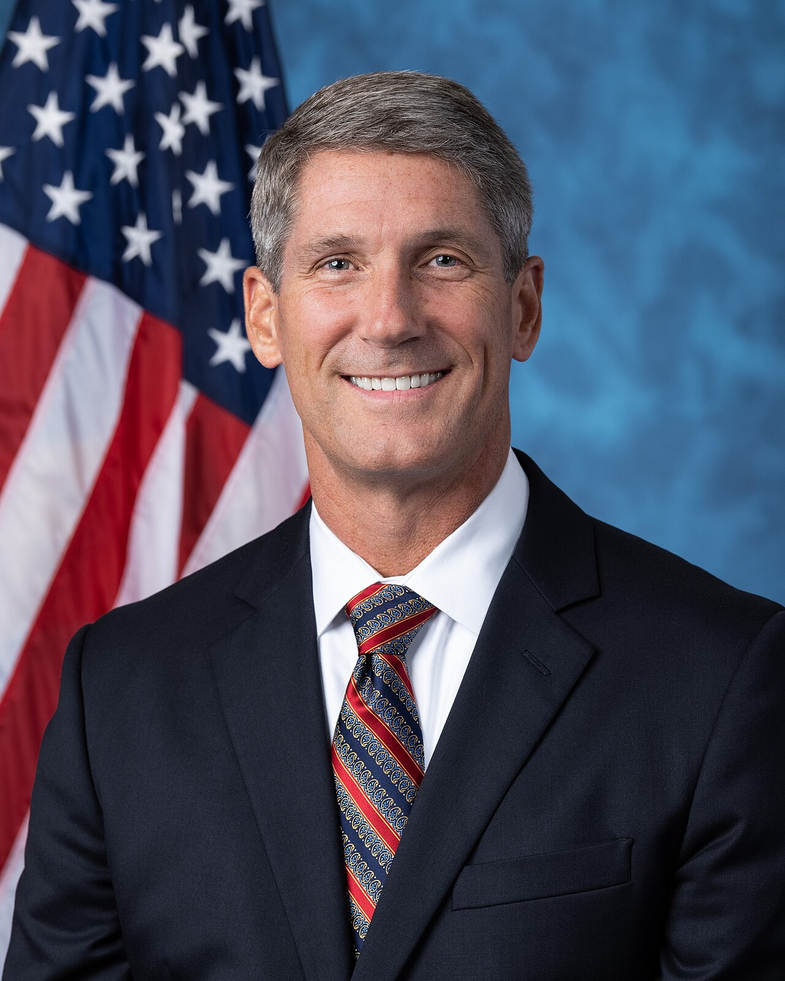
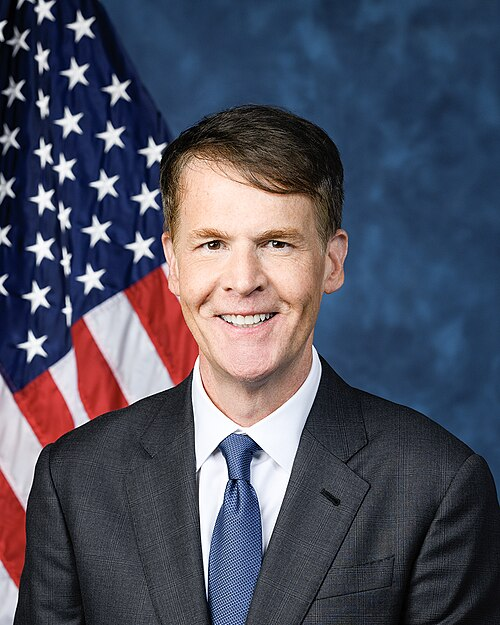
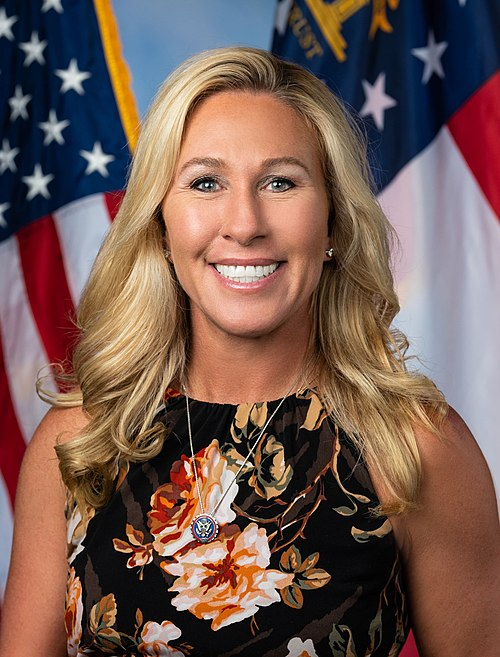
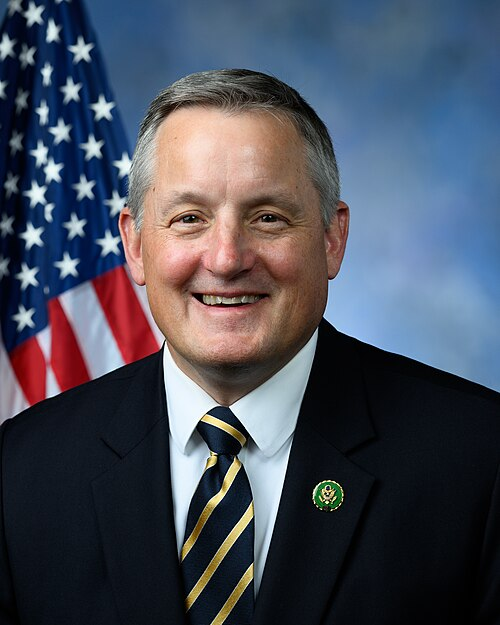
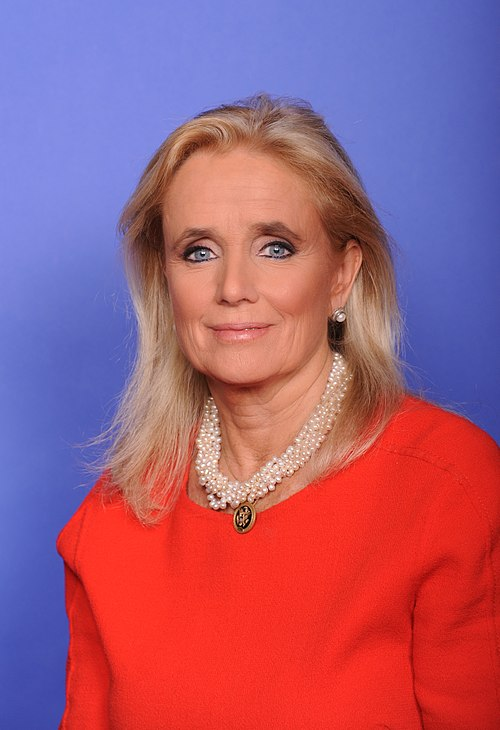
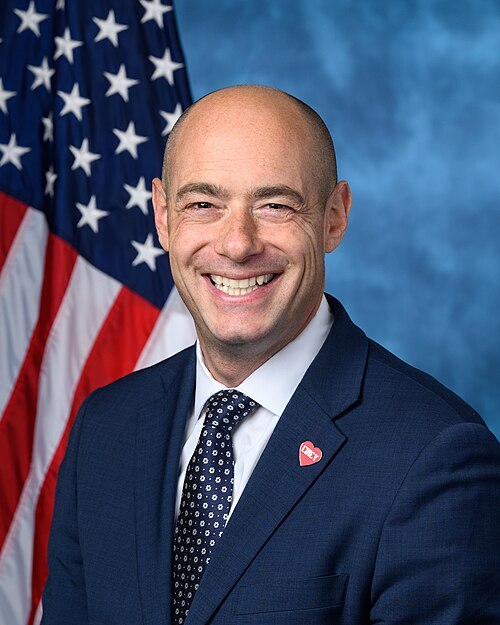
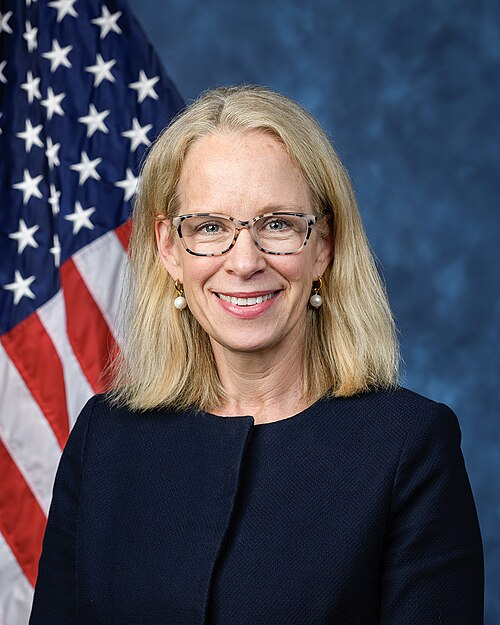
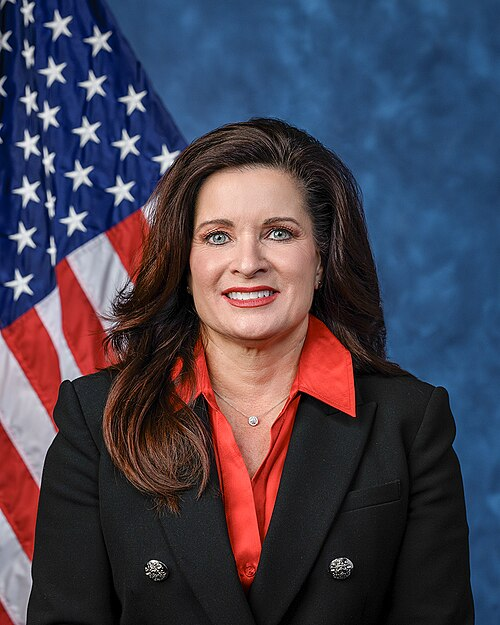
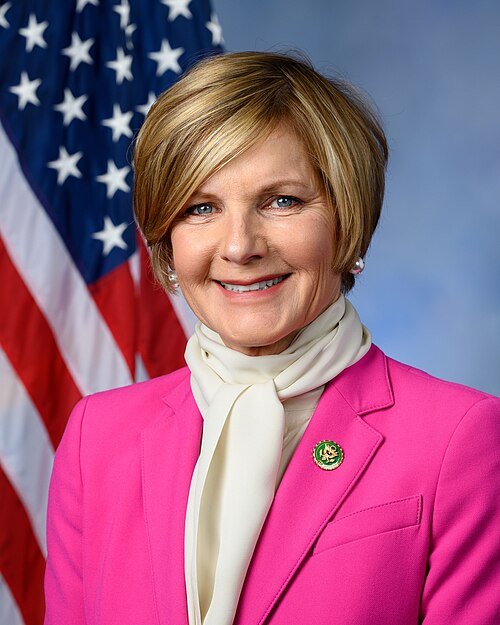
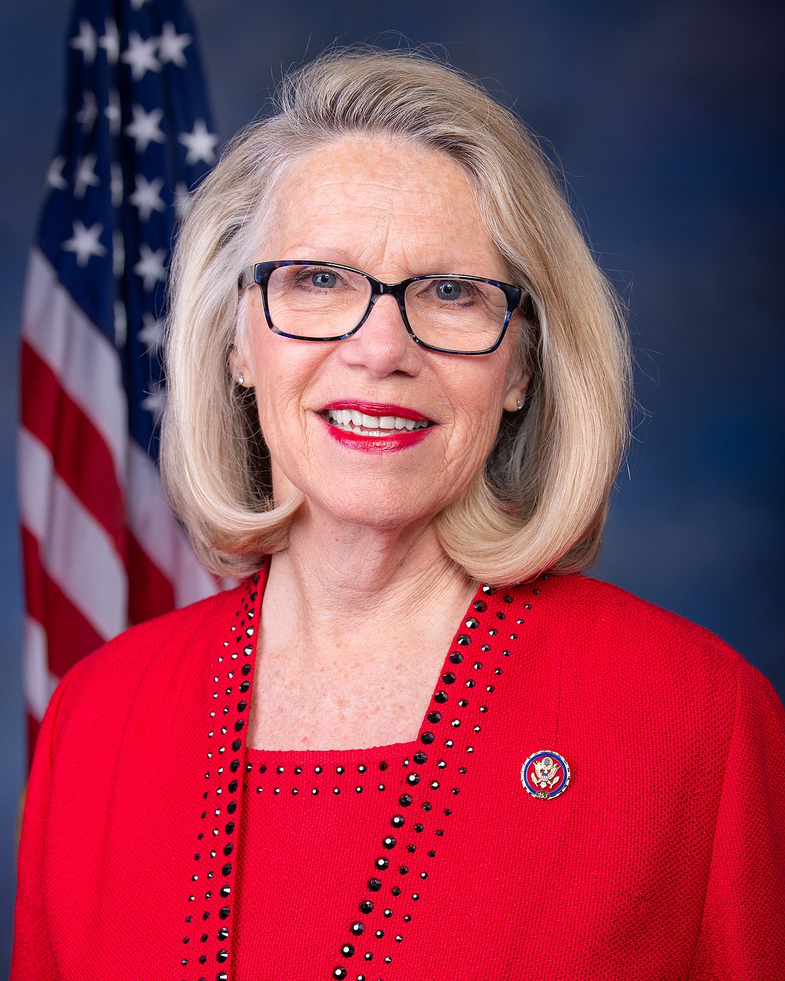
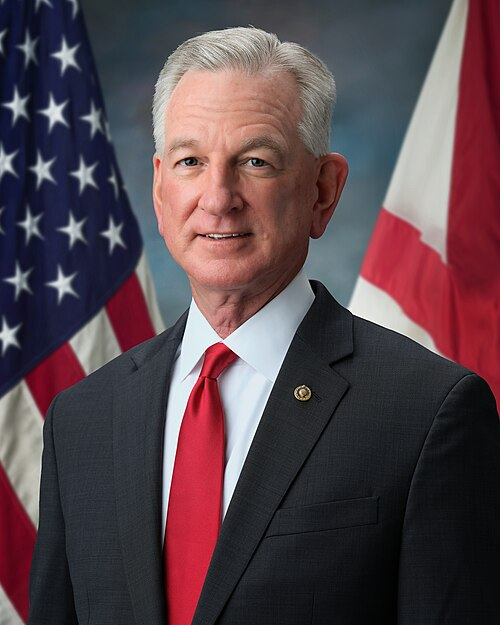
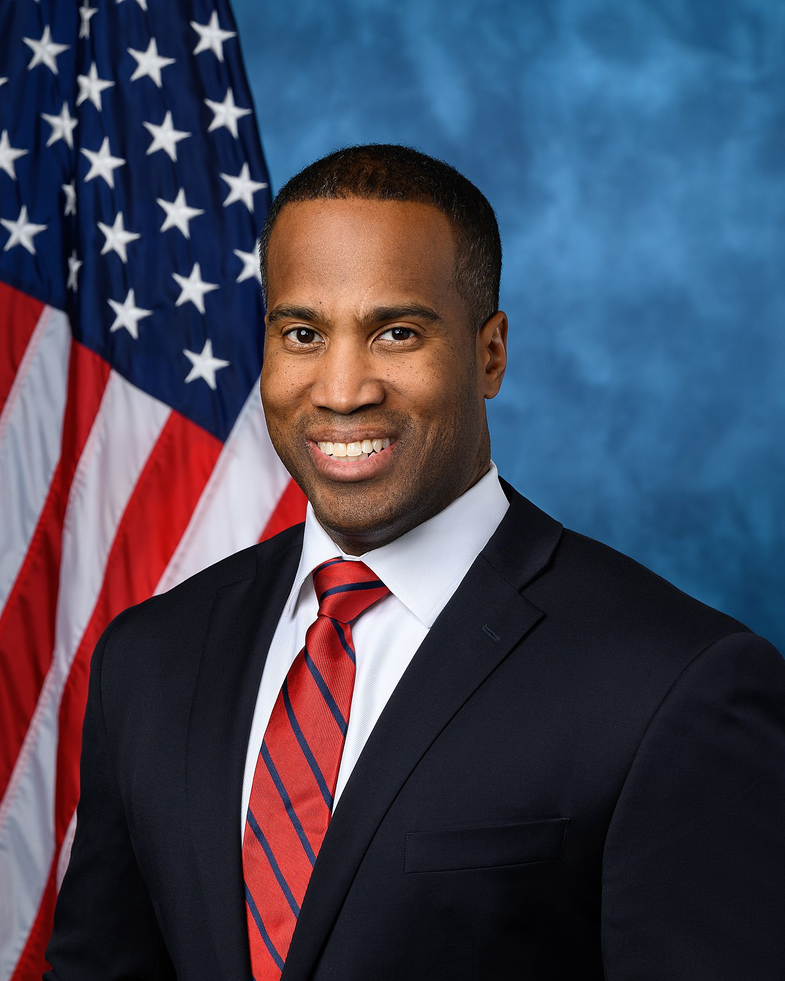
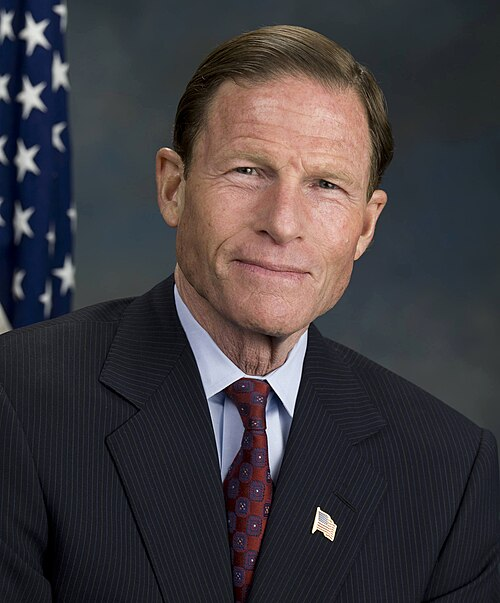
4 bill sponsors


Actions
2 actions
| Date | Action |
|---|---|
| Jul. 14, 2026 | Introduced in Senate |
| Jul. 14, 2026 | Read twice and referred to the Committee on Health, Education, Labor, and Pensions. |
Corporate Lobbying
0 companies lobbying
None found.
* Note that there can be significant delays in lobbying disclosures, and our data may be incomplete.