S. 4914: Green Ribbon Act of 2026
This bill would expand and reorganize the federal Green Ribbon Schools Program, which recognizes schools for environmental and health-related efforts. It would also create a similar award program for museums, libraries, and other non-school learning institutions, and set up a small new office at the Department of Education to support school infrastructure and sustainability work.
What the bill does for schools
The bill keeps the Green Ribbon Schools Program in place and broadens it so the Department of Education can reach more schools and school districts, including those that are not currently applying for awards. The program would encourage schools to:
- improve environmental literacy among students,
- reduce energy and water use and related costs,
- make school buildings and operations more resilient to natural disasters and climate-related risks, and
- improve indoor air quality and other conditions that affect health and learning.
The bill defines three main goals, called the Green Ribbon pillars: making students environmentally literate, reducing the environmental impact of school buildings and operations, and improving the environmental health of students and staff.
Changes to the award process
Within six months of enactment, the Secretary of Education would have to review and update the award criteria. The updated criteria would need to align health and wellness measures with Environmental Protection Agency and Centers for Disease Control and Prevention guidance, place more emphasis on climate change mitigation and adaptation, and require ways to assess student environmental knowledge and skills.
States would continue to nominate schools and districts for recognition, and the Bureau of Indian Education would be able to nominate schools it operates or funds. The bill says the Secretary must award recognition each year to eligible entities that show strong progress toward all three goals, even if no money is available for cash honoraria.
If funding is available, each Green Ribbon School award winner would receive a $10,000 honorarium. The bill also reserves at least $250,000 for the Secretary of the Interior to support Green Ribbon-related work for Bureau of Indian Education schools.
State grant program
The bill creates a competitive grant program for state education agencies to help expand participation in the Green Ribbon program. States applying for grants would have to spend at least 40% of the money on underresourced schools and document that they did so.
When deciding which states get grants, the Secretary would look at things like expected impact, how the state plans to help underresourced schools participate, partnerships with outside groups, innovative ways to scale the program, and whether past award winners will help mentor others.
Grant money could be used for activities such as:
- state-level Green Ribbon awards and events,
- training and professional development for schools,
- working with nonprofits, utilities, businesses, and government entities, and
- promoting green school practices and the Green Ribbon program more broadly.
State grants would range from $250,000 to $1,000,000 and could be used for up to three years.
Reporting requirements
The bill would require annual reports starting in 2027 on the prior fiscal year’s Green Ribbon Schools Program. Those reports would describe how the program was run, how grant funds were used, successes and challenges, and how states planned to expand access for low-income, rural, remote, and disability-serving schools.
Starting in 2028, the Department of Education would also have to publish reports every two years on state-level policies and programs supporting progress toward the Green Ribbon goals.
New award program for museums and libraries
The bill would direct the Institute of Museum and Library Services to create a Green Ribbon award program for “nonformal learning institutions,” including libraries, museums, botanical gardens, nature centers, zoos, aquariums, planetariums, and similar institutions.
To qualify, these institutions would need to show progress in three areas:
- educating visitors about connections between the environment, buildings, and quality of life,
- reducing their environmental and carbon footprints, and
- improving environmental impacts on visitor and staff health.
Each national award winner under this program would receive a $10,000 honorarium.
New office at the Department of Education
The bill would create an Office of School Infrastructure and Sustainability within the Secretary of Education’s office, staffed by three full-time employees. This office would help direct technical assistance on school facilities, coordinate with other federal agencies, support state and local education agencies, develop best practices for healthy and sustainable school facilities, and recommend possible revisions to Department of Education rules related to school construction and renovation.
It would also be responsible for helping expand the Green Ribbon Schools Program. The bill authorizes $2 million for this office in fiscal year 2027.
Funding
Overall, the bill authorizes $10 million for fiscal year 2027 to carry out most of the act, and such sums as may be necessary for fiscal years 2028 through 2032. It also allows up to 5% of appropriated funds to be used for administrative expenses, and requires 10% of appropriated funds to support the museum and library award program.
Relevant Companies
None found
This is an AI-generated summary of the bill text. There may be mistakes.
Sponsors
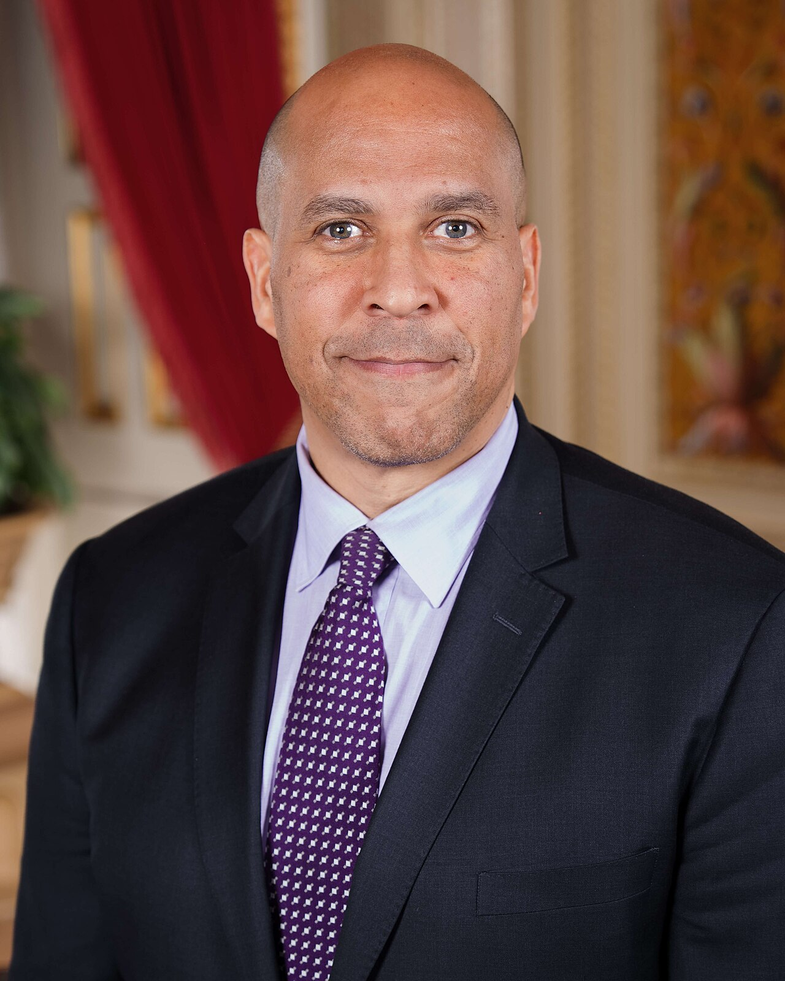
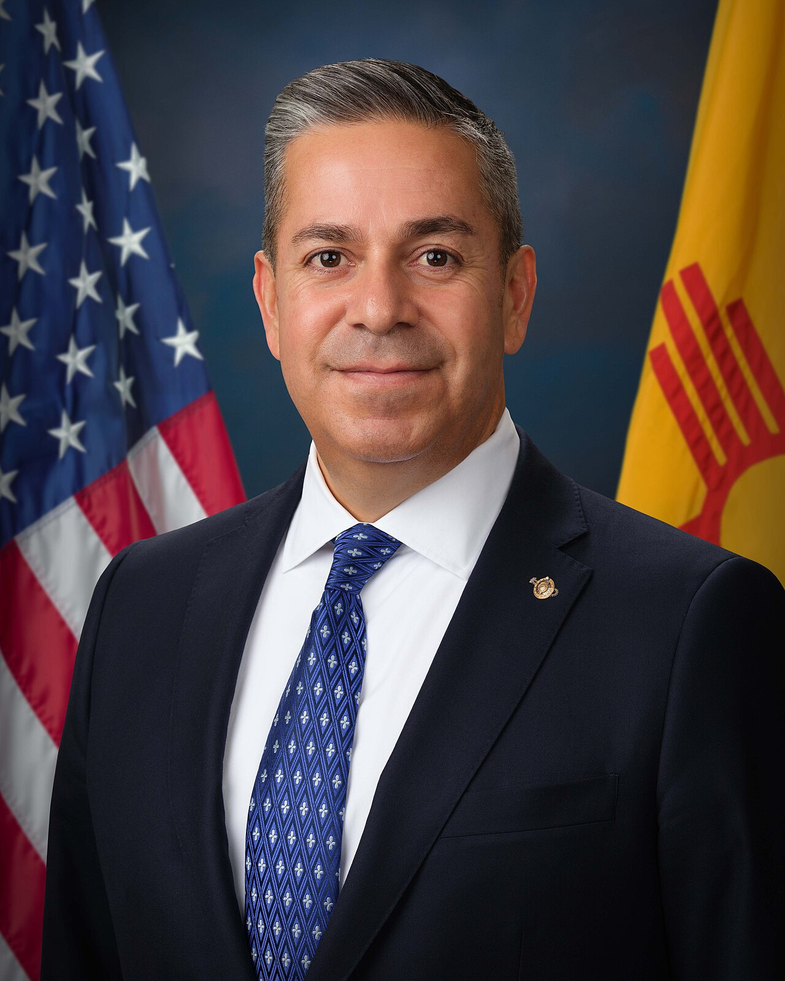
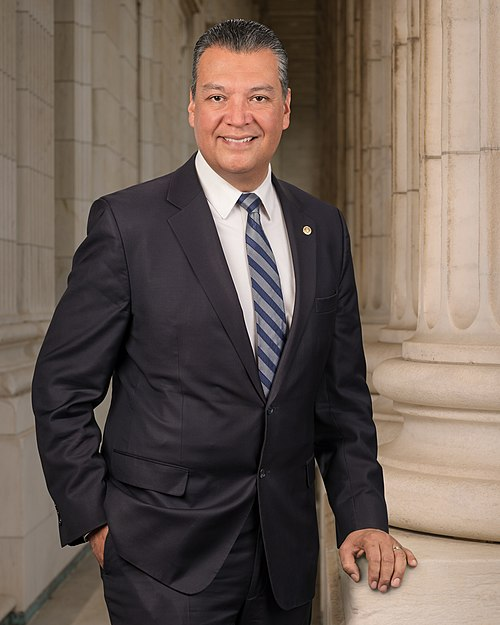
5 bill sponsors


Actions
2 actions
| Date | Action |
|---|---|
| Jun. 24, 2026 | Introduced in Senate |
| Jun. 24, 2026 | Read twice and referred to the Committee on Health, Education, Labor, and Pensions. |
Corporate Lobbying
0 companies lobbying
None found.
* Note that there can be significant delays in lobbying disclosures, and our data may be incomplete.
Potentially Relevant Congressional Stock Trades
No relevant congressional stock trades found.