S. 4904: Risk-based Oversight for Integrity Act
This bill would change how the federal organic program oversees farms, processors, and certifiers, with the goal of making oversight more focused on situations that pose a greater risk to organic standards.
What the bill changes
- It adds new definitions to the Organic Foods Production Act, including terms such as risk to organic integrity and oversight protocols.
- It defines “risk to organic integrity” as the chance that a product sold as organic was not produced or processed according to organic rules.
- It updates references in the law so the statutory language matches the new definitions.
Required USDA study
The bill would require the Secretary of Agriculture to complete a study within 1 year. The study would examine whether the organic program should use oversight rules based more on risk, and whether related reforms are needed.
The study would look at whether oversight should:
- focus more on higher-risk areas;
- treat serious noncompliance differently from less serious noncompliance;
- use common organic plans that match the level of risk;
- use a tiered certification approach based on risk and the size of the operation;
- give more guidance and interpretations to certifiers, farms, and handling operations; and
- allow limited virtual inspections.
In doing the study, USDA would have to consider factors like:
- the scope of certification or accreditation;
- the size and complexity of the operation;
- whether the operation is domestic or foreign;
- its compliance history; and
- other relevant factors.
Consultation and reporting
USDA would have to consult with the National Organic Standards Board, certifying agents, certified organic farms, certified organic handling operations, consumers, and other stakeholders. Within 18 months, USDA would have to submit a report to Congress and publish it online.
Possible new regulations
After the study and consultation, USDA would be allowed to issue new regulations or modify existing oversight rules if it finds them necessary and appropriate. Any such rules would need to:
- maintain strong organic integrity;
- support a resilient domestic organic sector; and
- remain consistent with the rest of the organic law.
The bill says any related rulemaking must include at least a 90-day public comment period.
USDA would also be allowed to try to reduce oversight costs and paperwork for lower-risk operations, while focusing more resources on higher-risk activities.
Virtual inspections
The bill would give USDA the option to allow a limited number of annual inspections to be done virtually, but only if USDA decides that is appropriate based on the study and consultation process.
Under the bill’s proposed protocol:
- operations outside the United States would still require on-site inspections;
- U.S. farms and handling operations would need on-site inspections at least once every 3 years, with intervening annual inspections either on-site or virtual depending on risk; and
- some handling operations that do not physically receive, process, package, or store organic products could be inspected using methods, including virtual ones, that still provide enough assurance of compliance.
Other points
The bill says nothing in it limits USDA’s existing authority to enforce organic rules and protect organic integrity.
Relevant Companies
None found
This is an AI-generated summary of the bill text. There may be mistakes.
Sponsors
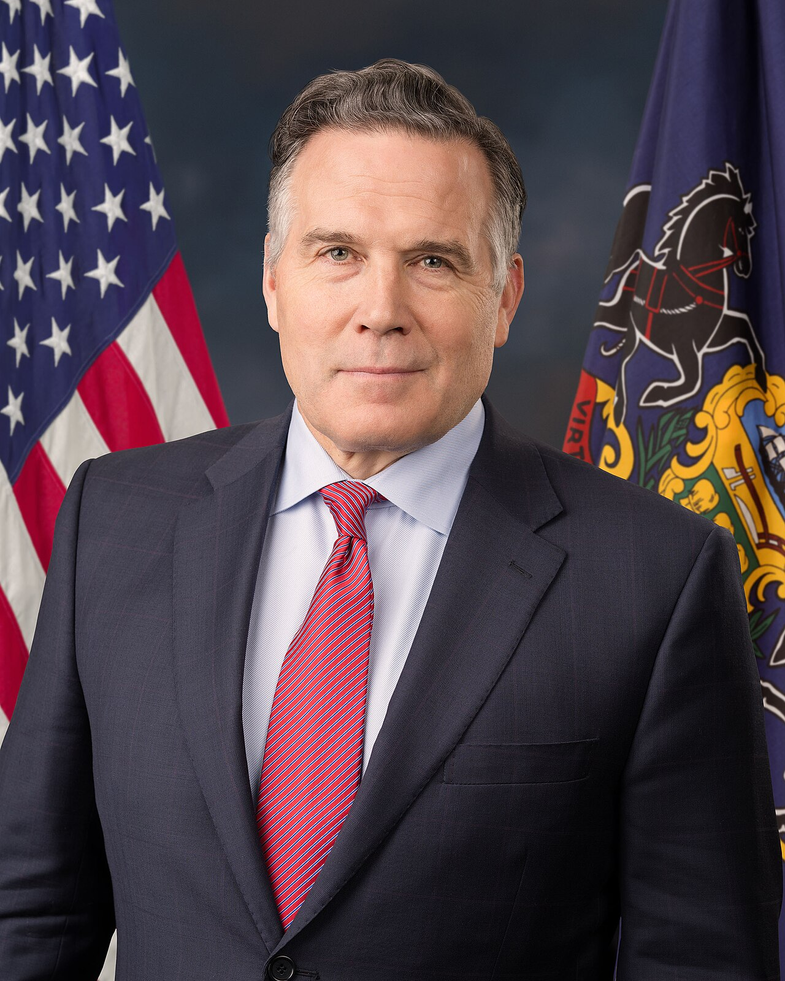
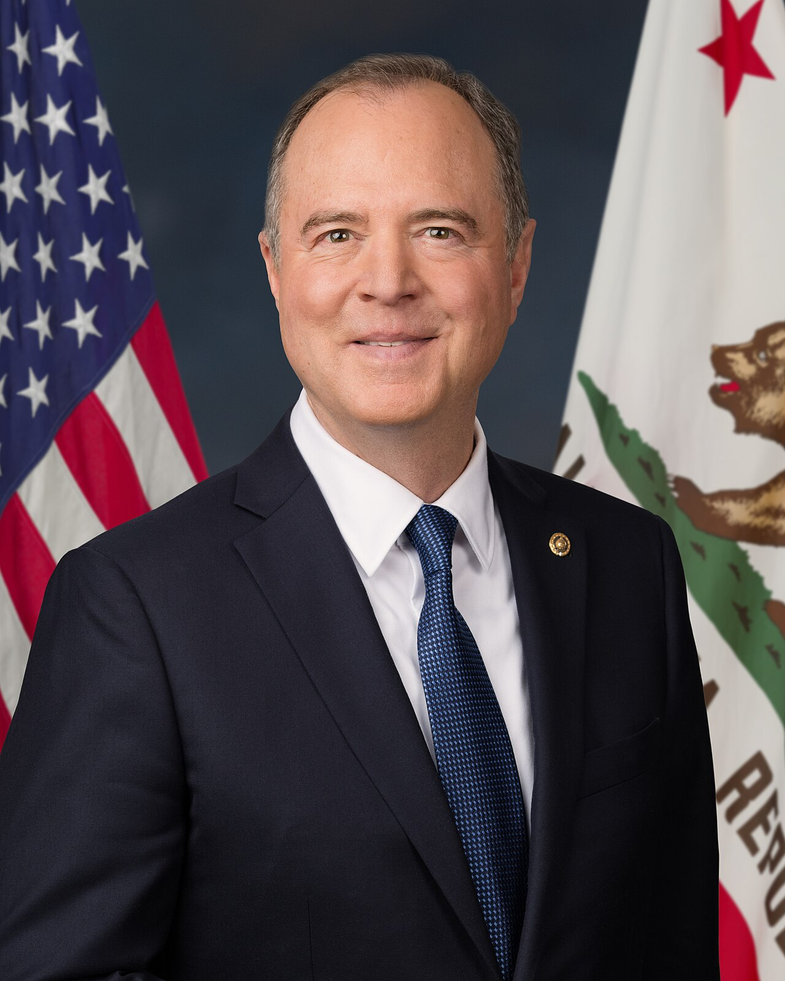
2 bill sponsors
Actions
2 actions
| Date | Action |
|---|---|
| Jun. 24, 2026 | Introduced in Senate |
| Jun. 24, 2026 | Read twice and referred to the Committee on Agriculture, Nutrition, and Forestry. |
Corporate Lobbying
0 companies lobbying
None found.
* Note that there can be significant delays in lobbying disclosures, and our data may be incomplete.
Potentially Relevant Congressional Stock Trades
No relevant congressional stock trades found.