S. 4889: Supporting Our Direct Care Workforce and Family Caregivers Act
This bill would create a federal grant program aimed at strengthening the
direct care workforce
and supportingfamily caregivers
. In plain terms, it would direct the Department of Health and Human Services, through the Administration for Community Living, to award grants to states, nonprofits, labor organizations, employers, schools, tribes, and similar groups to recruit, train, and keep workers who help older adults and people with disabilities with daily living and related support.What kinds of workers and caregivers are covered
The bill defines “direct care professionals” broadly. This includes people who help with activities such as bathing, feeding, dressing, toileting, transportation, shopping, light housekeeping, communication support, medication help, health appointment support, and other services that help older adults and people with disabilities live more independently. It can also include direct support professionals, personal care workers, managers and supervisors in the field, self-directed care workers, and other related home care jobs.
The bill also covers
family caregivers
, including both paid and unpaid caregivers, and treats them as part of the support system for older adults and people with disabilities.National technical assistance center
The bill would require the Secretary of Health and Human Services to establish a national technical assistance center. This center would help develop recommendations, share best practices, and support states and other grantees in building the direct care workforce and supporting family caregivers.
Among other tasks, the center could:
- Develop suggested training and education curricula for direct care workers, including community college and credentialing programs.
- Share information about successful approaches and lessons learned from grant-funded projects.
- Develop recommendations for helping family caregivers through training and support resources.
- Study data gaps and workforce shortages in the direct care field.
- Recommend a way to classify direct support professionals in federal occupation data.
- Suggest career ladders, apprenticeships, work-based learning, and advancement pathways.
Grant program
Within 12 months of enactment, the Secretary would be required to begin awarding grants. Grants could support several different kinds of projects:
- Direct care professional grants for recruitment, retention, training, education, and advancement of direct care workers.
- Manager and supervisor grants for people who oversee direct care workers.
- Self-directed care professional grants for workers employed in self-directed care arrangements.
- Family caregiver grants for education, training, self-care resources, and other support for caregivers.
At least 30% of funded projects would need to create
career pathways
that give direct care workers opportunities for professional development and advancement.What grant projects would have to include
Applicants for grants would need to submit detailed project plans. These plans would have to address things like local need, labor shortages, wages, benefits, workplace safety, training design, and expected outcomes. Projects would also need to include advisory input from older adults, people with disabilities, direct care workers, caregivers, and other stakeholders.
If a grant funds a training or education program, the program would need to include training on:
- the rights of people receiving home and community-based services;
- recognizing and reporting abuse or neglect;
- culturally competent and disability-competent support;
- apprenticeships, work-based learning, or on-the-job training;
- supervision or mentoring;
- safe work conditions and, where needed, protective equipment;
- adult-learning and universal-design methods;
- family caregiver engagement; and
- CMS core competencies.
Projects could also include specialty training in areas such as trauma-informed care, behavioral health, Alzheimer’s and dementia care, chronic disease management, and assistive technology.
Supportive services and funding rules
The bill would allow grant money to be used not only for training and recruitment, but also for supportive services needed to participate, such as transportation, child care, dependent care, housing, workplace accommodations, paid sick leave, wage support, and similar costs.
Administrative costs would be capped at 5% of grant funds. For most grants, at least 5% of the money would have to be used for direct financial benefits or supportive services for participants.
The bill says grant funds must
supplement, not replace
existing funding. It also bars the money from being used for activities covered by certain labor-management reporting rules.Reporting, evaluation, and oversight
Grant recipients would have to file annual reports with data on participation, job outcomes, training completion, wage and benefit impacts, satisfaction, vacancy and turnover rates, and other performance measures. The Secretary would also have to submit annual reports to Congress. After the projects end, GAO would have to study the program and report to Congress. The bill also requires an independent evaluation of the grant activities and the technical assistance center.
Funding
The bill authorizes $2 million per year for the technical assistance center from fiscal years 2027 through 2031, and $1 billion for grants in fiscal year 2027. Money provided under the bill would remain available until September 30, 2036.
Relevant Companies
None found
This is an AI-generated summary of the bill text. There may be mistakes.
Sponsors
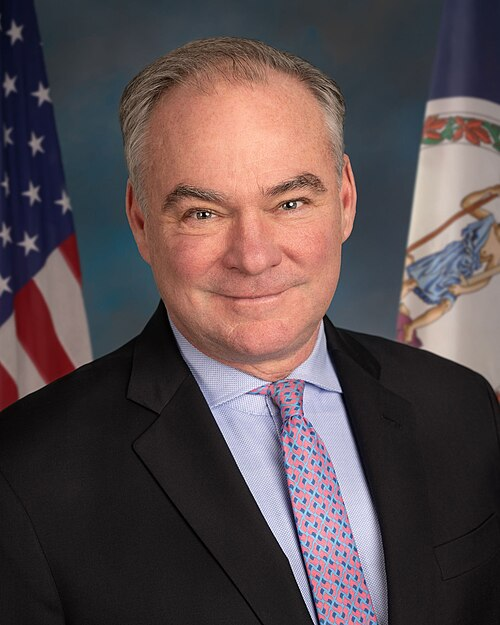
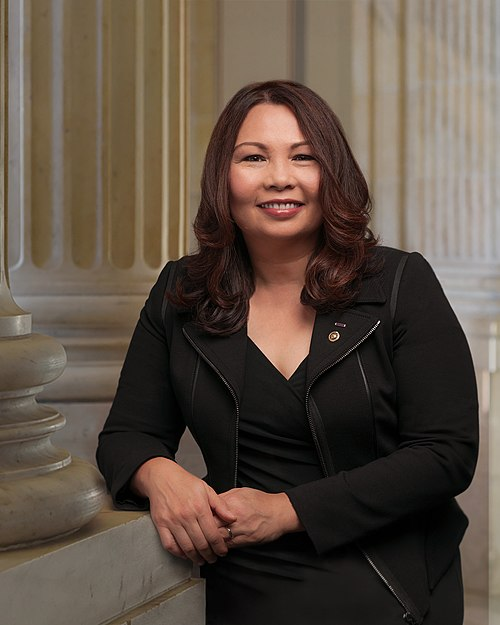
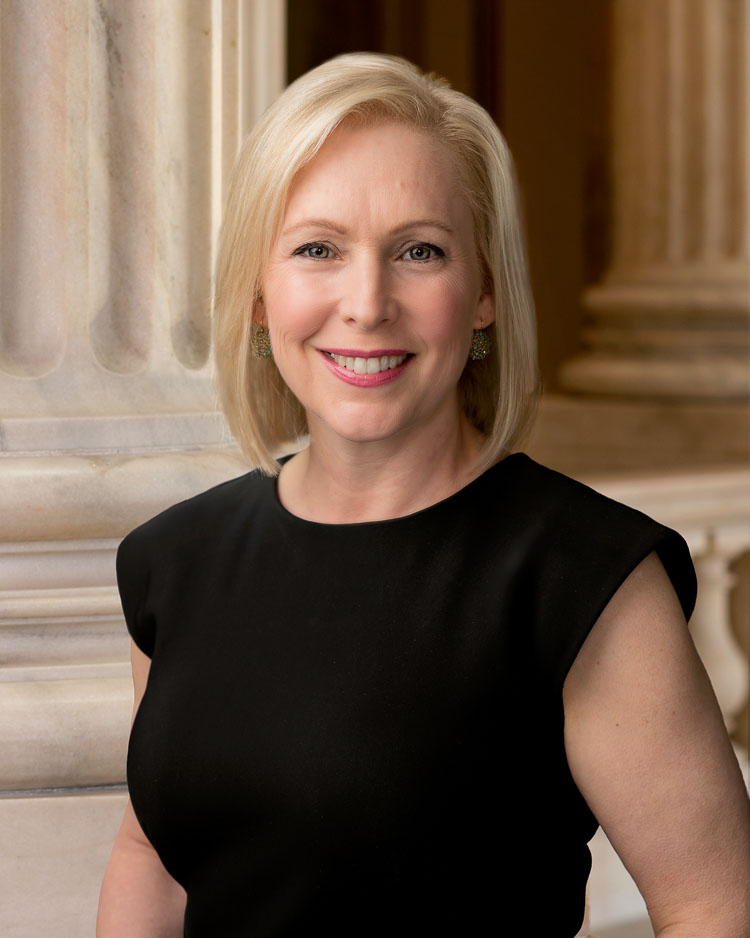
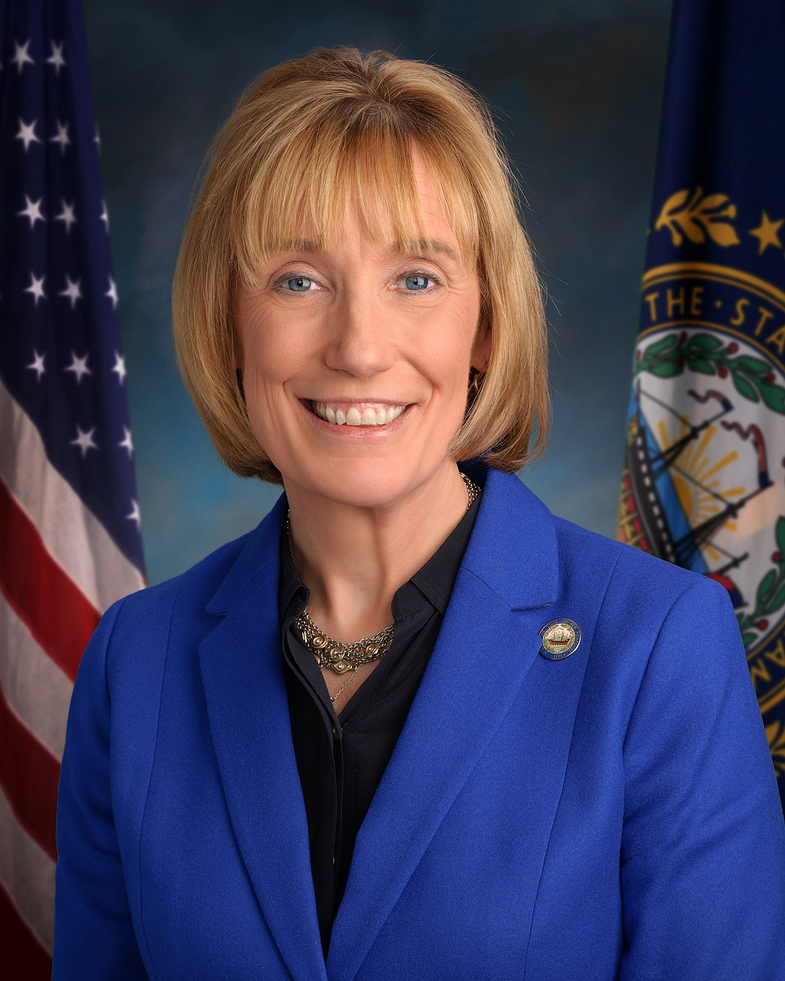
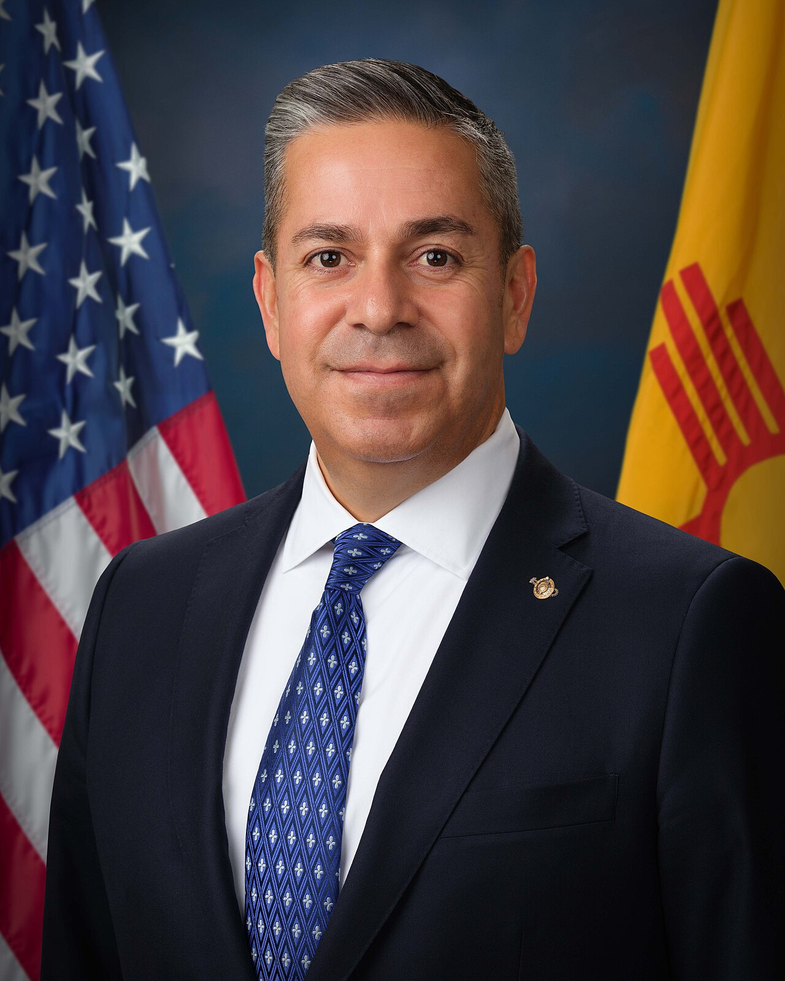
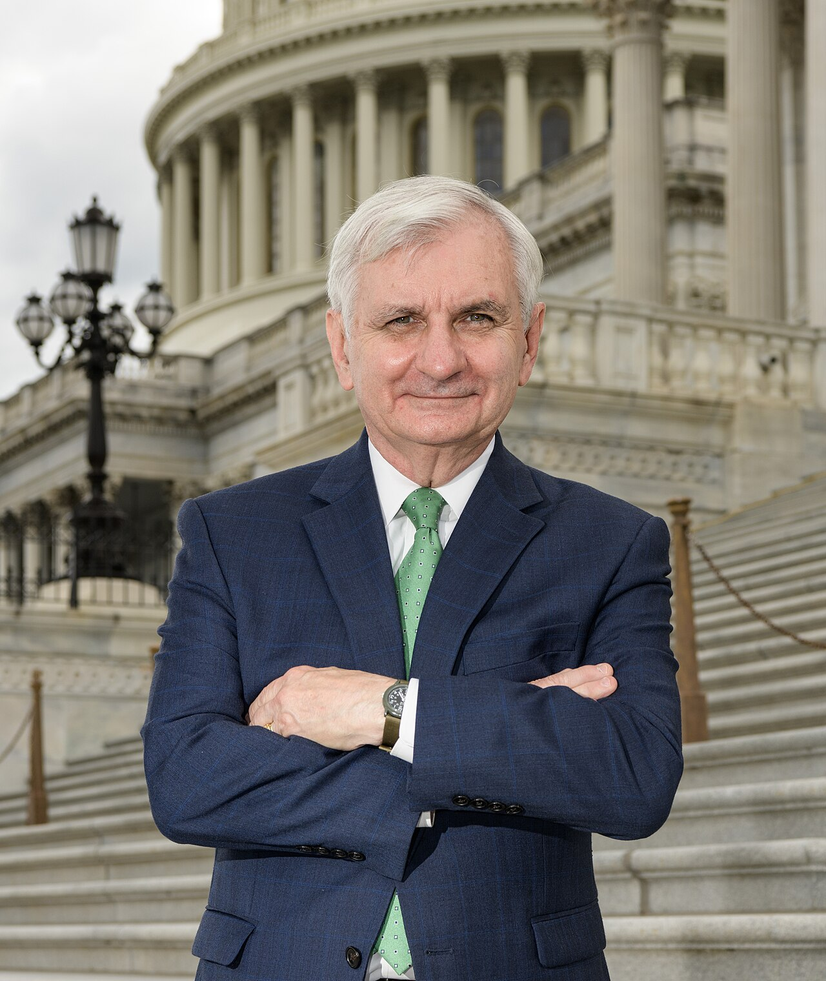
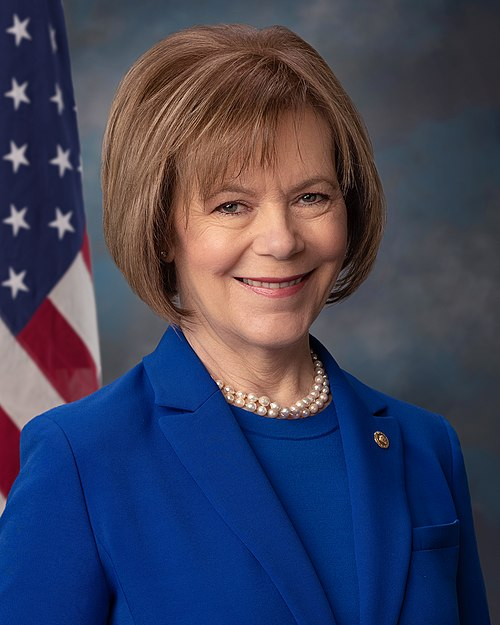
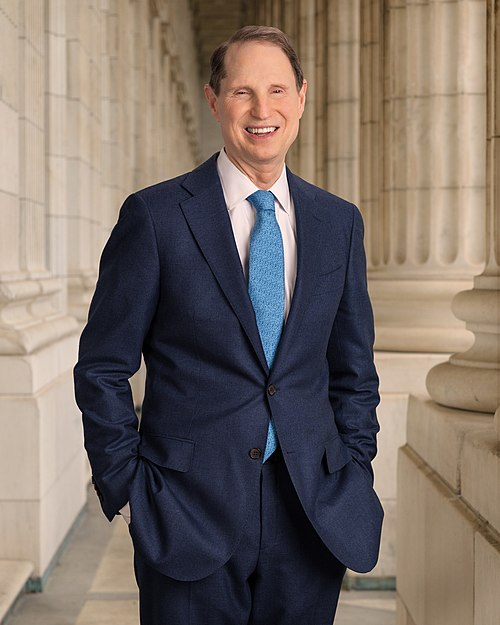
8 bill sponsors
Actions
2 actions
| Date | Action |
|---|---|
| Jun. 24, 2026 | Introduced in Senate |
| Jun. 24, 2026 | Read twice and referred to the Committee on Health, Education, Labor, and Pensions. |
Corporate Lobbying
0 companies lobbying
None found.
* Note that there can be significant delays in lobbying disclosures, and our data may be incomplete.
Potentially Relevant Congressional Stock Trades
No relevant congressional stock trades found.