
S. 4859: Pell Grant Preservation and Expansion Act of 2026
This bill would change the federal Pell Grant program in several ways, starting with the 2026–2027 award year.
Higher Pell Grant amounts
The bill would raise the maximum Pell Grant over several years:
- 2026–2027: $10,000
- 2027–2028: $11,000
- 2028–2029: $12,000
- 2029–2030: $13,000
- 2030–2031: $14,000
- 2031–2032 and later: $15,000, adjusted each year for inflation
It also changes the way the program is funded by making Pell Grants a mandatory spending program, meaning funding would come automatically each year rather than needing the usual annual appropriations process.
Changes for students with the greatest financial need
The bill would give larger Pell Grants to some students with very low or negative Student Aid Index scores, which is a measure of financial need. It would also create a special rule for students who, in the past two years, received certain means-tested federal benefits. For those students, the bill would treat their Student Aid Index as -$1,500 for Pell Grant purposes, which could increase their grant amount.
Broader eligibility changes
The bill would restore Pell Grant eligibility for some students who previously lost access because they received too much non-federal scholarship and grant aid. It would also allow “Dreamer” students, as defined in the bill, to qualify for federal aid in certain cases.
In addition, the bill would restore Pell Grant eligibility to students who have had breaks in enrollment and would increase the total number of semesters of Pell Grant eligibility from 12 to 18. That means students could receive aid for more terms before running out of eligibility.
Academic progress rules
The bill would change the rules for when students lose or regain aid because of academic performance. It requires schools to review students’ academic progress more regularly and to give warnings before aid is cut off. It also creates a probation process that can keep aid flowing while a student tries to get back on track.
Schools would have to tell students more clearly, both before classes start and on their financial aid webpages, what academic progress standards they must meet. The Education Department would also be directed to develop sample practices and templates to help schools communicate these rules.
Other administration and reporting changes
The bill would make several technical changes to the Higher Education Act to conform to the new Pell Grant structure and related eligibility rules. It would also take effect on July 1, 2026, and apply to the 2026–2027 award year and later.
Relevant Companies
None found
This is an AI-generated summary of the bill text. There may be mistakes.
Sponsors
29 bill sponsors
-
TrackMazie K. Hirono

Sponsor
-
TrackTammy Baldwin

Co-Sponsor
-
TrackMichael F. Bennet

Co-Sponsor
-
TrackRichard Blumenthal
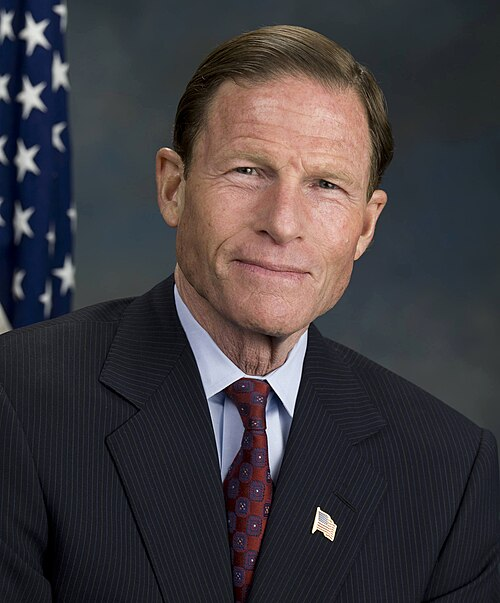
Co-Sponsor
-
TrackCory A. Booker

Co-Sponsor
-
TrackTammy Duckworth

Co-Sponsor
-
TrackRichard J. Durbin

Co-Sponsor
-
TrackJohn Fetterman
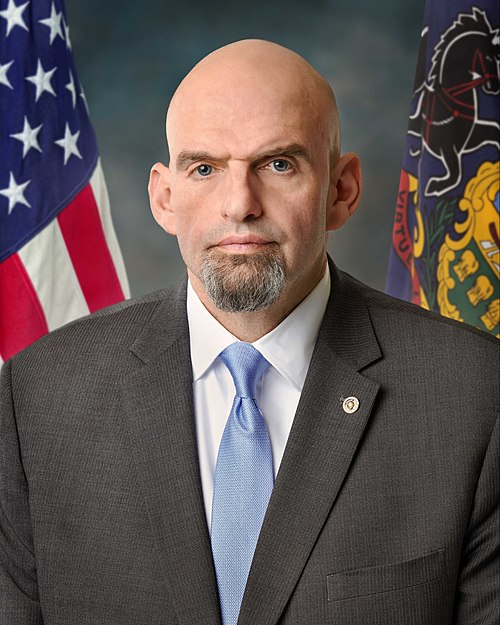
Co-Sponsor
-
TrackKirsten E. Gillibrand

Co-Sponsor
-
TrackMartin Heinrich

Co-Sponsor
-
TrackTim Kaine
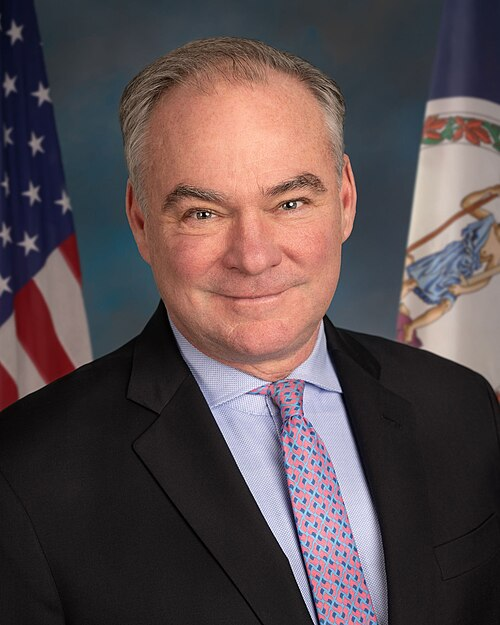
Co-Sponsor
-
TrackAngus S. King Jr.

Co-Sponsor
-
TrackAmy Klobuchar
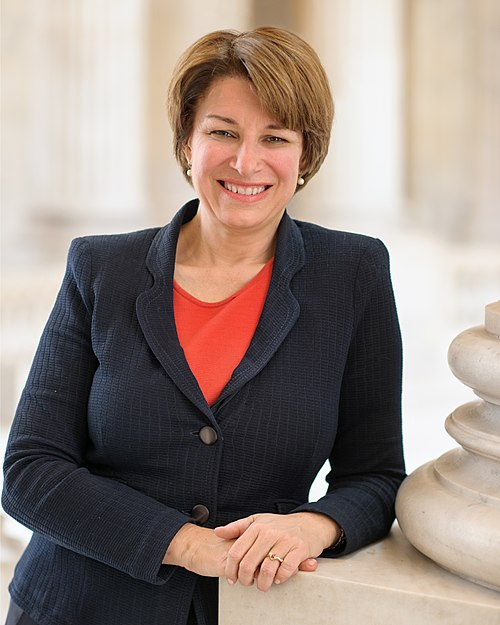
Co-Sponsor
-
TrackBen Ray Lujan
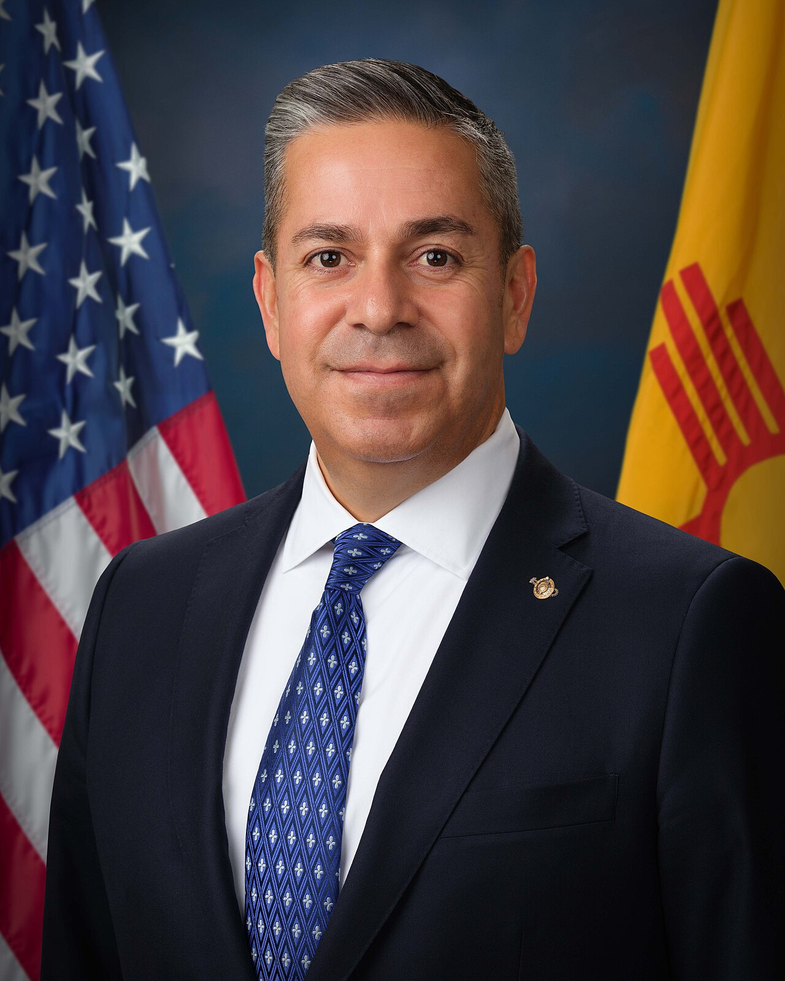
Co-Sponsor
-
TrackEdward J. Markey

Co-Sponsor
-
TrackJeff Merkley

Co-Sponsor
-
TrackChristopher Murphy

Co-Sponsor
-
TrackPatty Murray
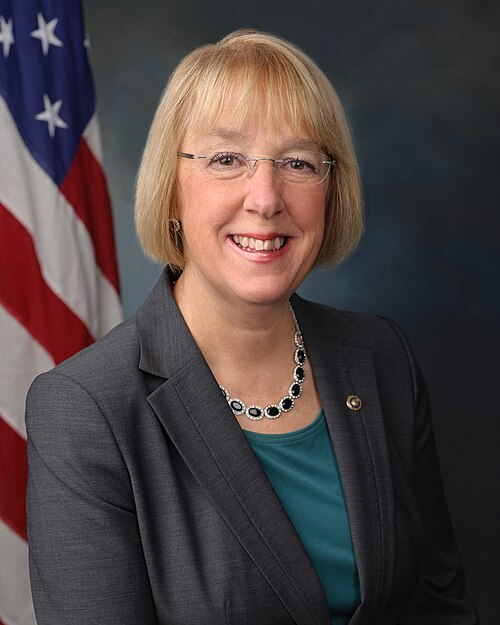
Co-Sponsor
-
TrackJon Ossoff

Co-Sponsor
-
TrackAlex Padilla
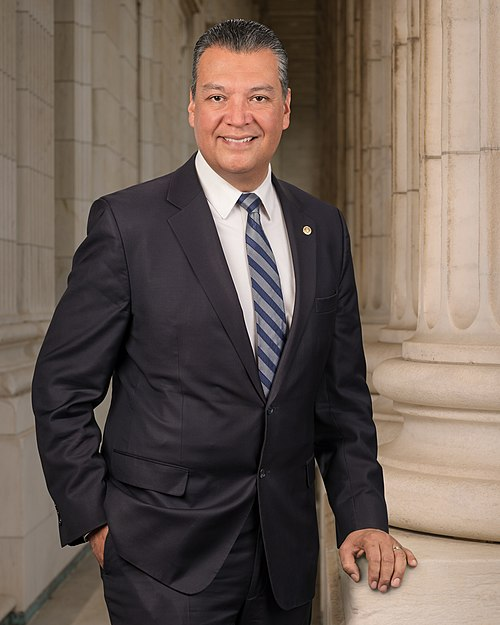
Co-Sponsor
-
TrackJack Reed

Co-Sponsor
-
TrackAdam B. Schiff
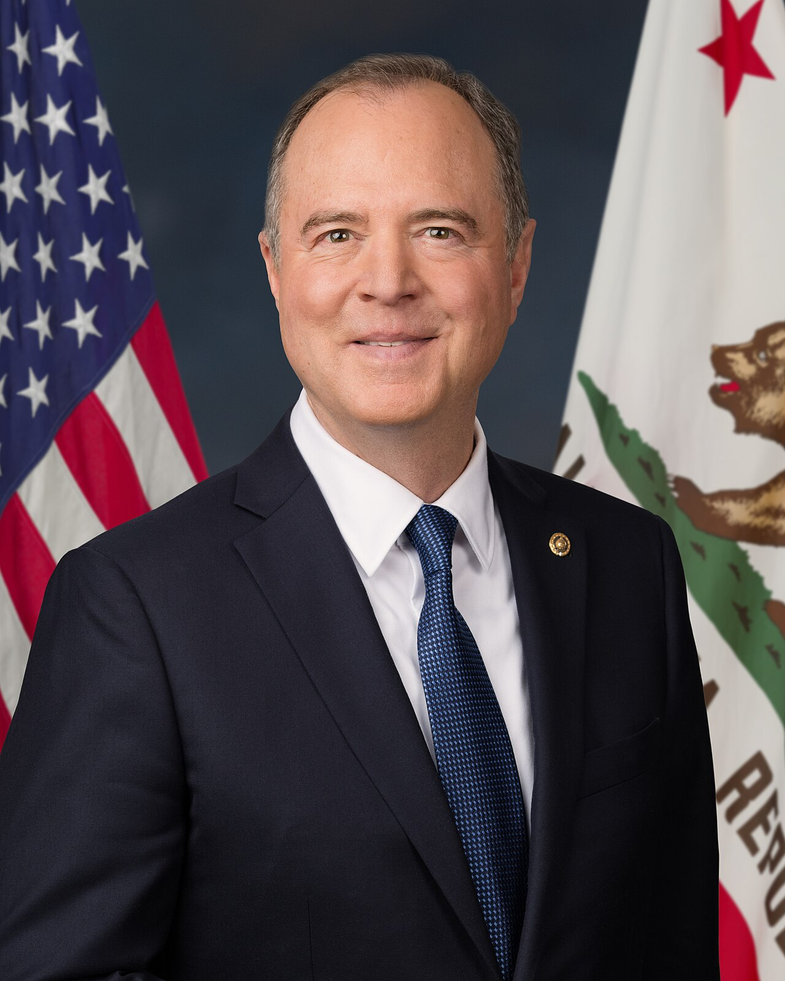
Co-Sponsor
-
TrackJeanne Shaheen
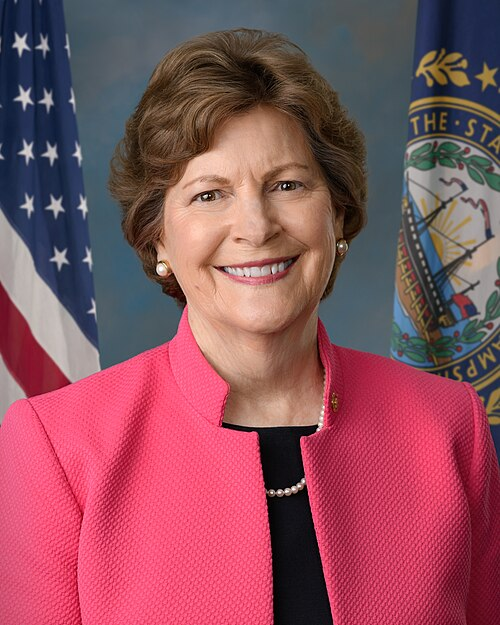
Co-Sponsor
-
TrackTina Smith
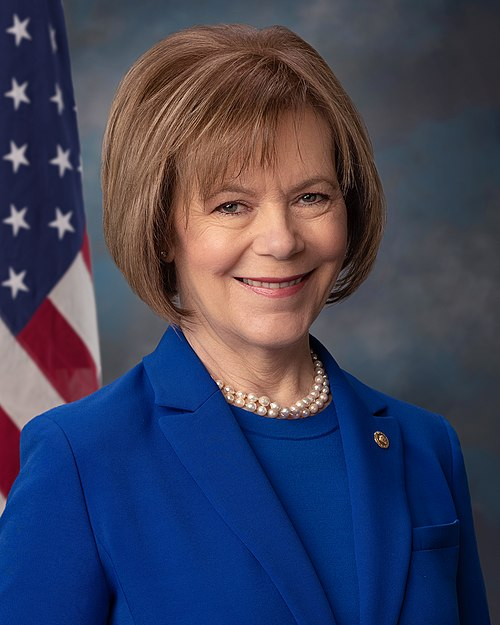
Co-Sponsor
-
TrackChris Van Hollen

Co-Sponsor
-
TrackRaphael G. Warnock
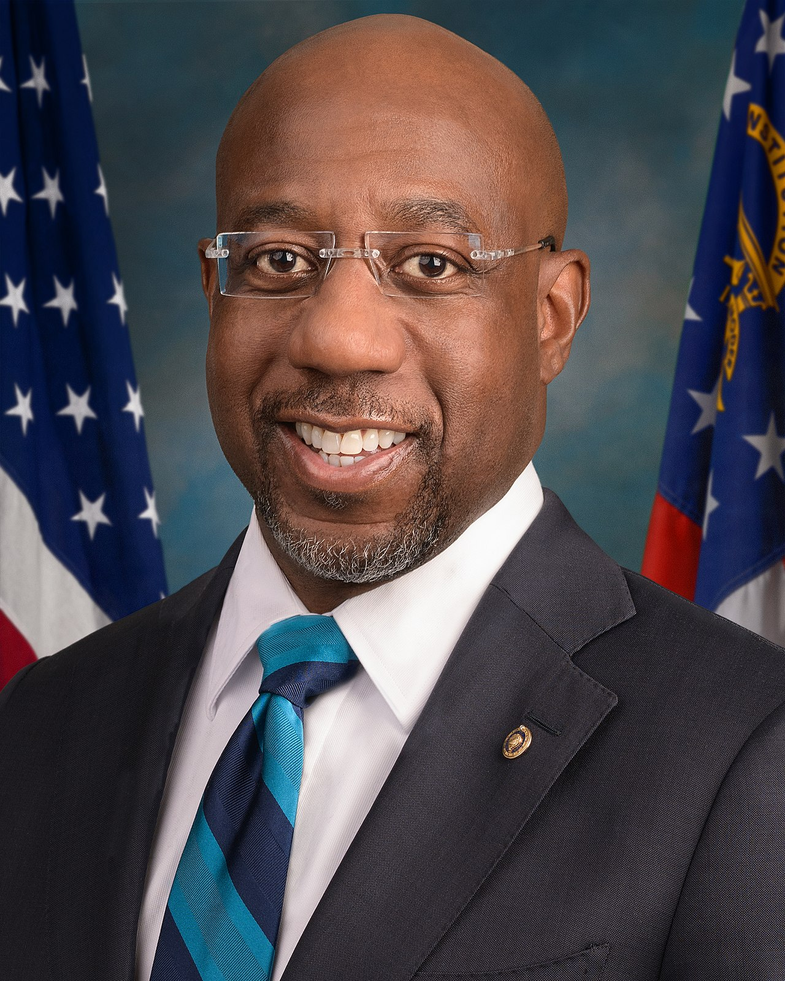
Co-Sponsor
-
TrackElizabeth Warren

Co-Sponsor
-
TrackSheldon Whitehouse

Co-Sponsor
-
TrackRon Wyden

Co-Sponsor
Actions
2 actions
| Date | Action |
|---|---|
| Jun. 23, 2026 | Introduced in Senate |
| Jun. 23, 2026 | Read twice and referred to the Committee on Health, Education, Labor, and Pensions. |
Corporate Lobbying
0 companies lobbying
None found.
* Note that there can be significant delays in lobbying disclosures, and our data may be incomplete.
Potentially Relevant Congressional Stock Trades
No relevant congressional stock trades found.