S. 4847: Summer for All Act
The Summer for All Act would create a federal grant program aimed at expanding summer learning and enrichment opportunities for children and young adults.
What the bill sets up
The bill directs the Secretary of Health and Human Services to run two main grant programs:
- Summer enrichment expansion grants to community groups, nonprofits, colleges, and similar organizations.
- Summer programming State grants to states, state education agencies, and tribal governments.
Who could receive grants
For the community-based grant program, eligible recipients include:
- community-based organizations;
- intermediaries or networks that support local youth programs;
- institutions of higher education.
For the state grant program, eligible recipients include:
- a governor or other chief state executive;
- a state educational agency;
- the governing body of an Indian Tribe.
What the grants would be used for
The grants would support summer programs for youth ages 5 through 22. The bill says these programs should be designed to:
- provide affordable, high-quality summer activities;
- give children a safe and supportive place during summer months;
- help reduce learning loss over the summer;
- expand access in underserved communities.
Programs funded under the community-based grant section would generally have to:
- run during summer break;
- operate at least 5 days a week for at least 5 weeks;
- require participants to attend in person at a designated site;
- be free for students from families that qualify for free or reduced-price lunch;
- provide free food to those same students.
Allowed program activities include academic enrichment, social and emotional learning, health and safety education, physical activity, volunteer service, bullying prevention, mentoring, school counseling, workforce readiness, preparation for college, and other enrichment experiences.
Priority groups and partnerships
When awarding community-based grants, the Secretary must give priority to applicants that:
- have a track record of serving low-income youth and families;
- will primarily serve groups such as low-income youth, English learners, youth with disabilities, youth experiencing homelessness, youth in foster care, rural youth, youth involved in the justice system, youth facing food insecurity, youth who are behind academically, and Native or Indigenous youth;
- will partner with schools, parks departments, libraries, or other local public entities;
- will provide transportation to and from programs, especially in rural or underserved areas;
- will offer multiple types of eligible activities.
The state grant program would help states build long-term strategies to fill gaps in summer programming access, coordinate schools, local governments, and nonprofits, and create options beyond traditional summer camp. Priority would go to applicants that show the program can continue after the grant ends, include stakeholder feedback, or use funds in a broad mix of ways to expand access for underserved communities and at-risk youth.
How the money could be used
Grant recipients could also use funds for staff recruitment, training, and retention; outreach to recruit participants; and reasonable administrative costs. State grant recipients could transfer funds to community groups, tribal organizations, certain public transportation providers, or special-purpose local or state government units to carry out the program.
Rules and reporting
The bill would require grant recipients to follow nondiscrimination rules based on race, color, national origin, sex (including sexual orientation and gender identity), and disability.
Recipients would also have to report each year on:
- how the money was spent;
- how many youth were served;
- how much remaining money is still unspent and how it will be used;
- for state grants, how feedback was gathered and how access and quality improved.
The Secretary would make the state grant reports public each year.
Research and funding
The bill allows up to 5% of the funding to be used for research and data collection on the need for summer programs and the progress of the grant programs.
It authorizes $4 billion total for fiscal years 2027 through 2030, and $1 billion per year after that. Of the annual funding, at least 47.5% would go to the community-based grants, up to 47.5% to state grants, and up to 5% to research and data collection.
Relevant Companies
None found
This is an AI-generated summary of the bill text. There may be mistakes.
Sponsors
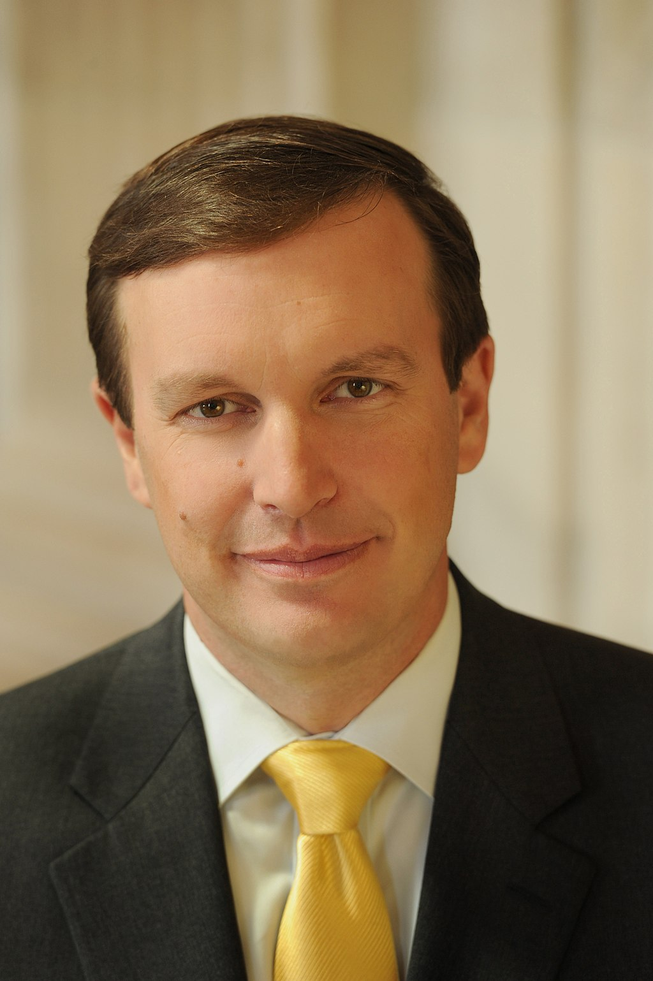
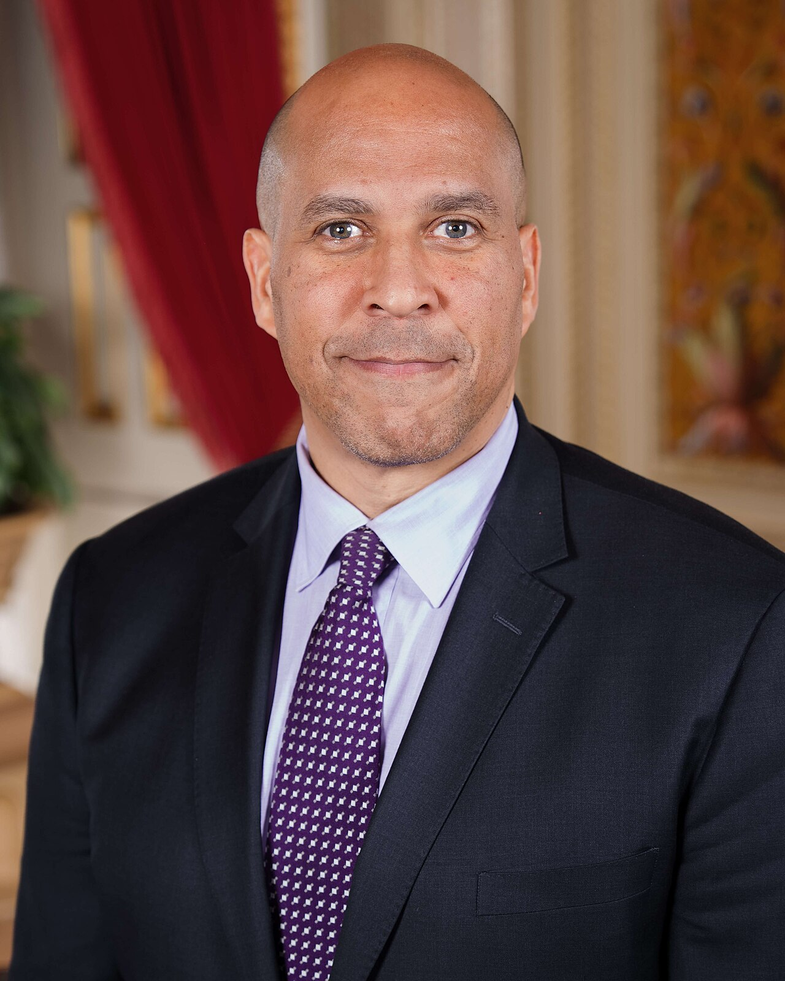
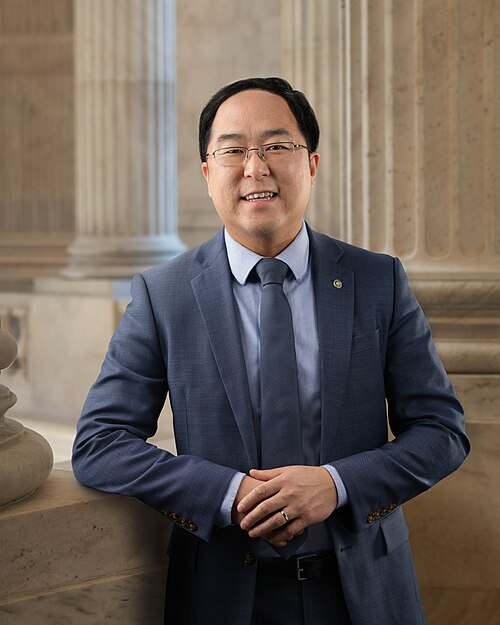
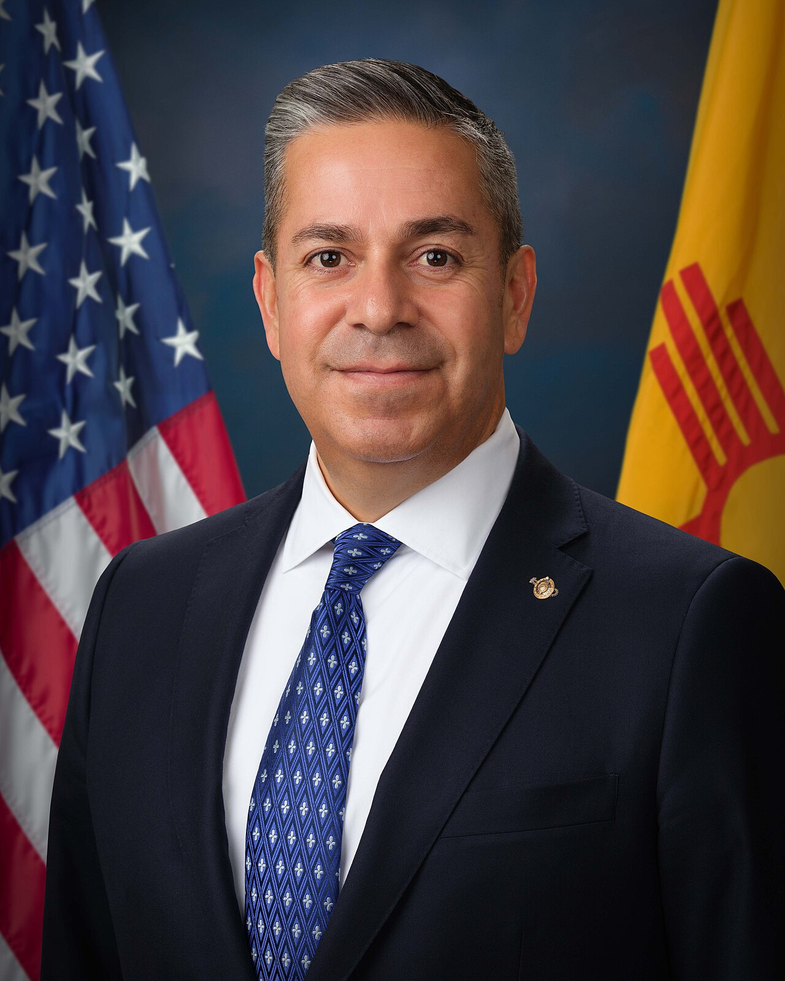
5 bill sponsors
Actions
2 actions
| Date | Action |
|---|---|
| Jun. 22, 2026 | Introduced in Senate |
| Jun. 22, 2026 | Read twice and referred to the Committee on Health, Education, Labor, and Pensions. |
Corporate Lobbying
0 companies lobbying
None found.
* Note that there can be significant delays in lobbying disclosures, and our data may be incomplete.
Potentially Relevant Congressional Stock Trades
No relevant congressional stock trades found.