S. 4696: Right to Record Act of 2026
This bill, known as the Right to Record Act of 2026, aims to reinforce and protect the rights of individuals to record, observe, and peacefully protest law enforcement activities. The main components of the bill are as follows:
Establishment of Rights
The bill establishes a clear right for individuals to:
- Record law enforcement officers and public officials in public spaces.
- Observe the actions of law enforcement officers from a lawful vantage point.
- Peacefully protest law enforcement activities.
Legal Recourse for Violations
The bill specifies a legal avenue for individuals who believe their rights to record, observe, or peacefully protest have been infringed upon:
- Liability for Law Enforcement Officers: Federal law enforcement officers who violate an individual's right can be held liable in civil court. Victims may receive actual damages or statutory damages of $25,000 for each violation, along with potential punitive damages of up to $100,000 if the violation was done with malice or reckless disregard for their rights.
- Liability of the United States: If an officer acting under federal authority violates these rights, the United States itself may also be held liable for the officer's actions in civil court, similarly providing for damages as mentioned above. This establishes a waiver of sovereign immunity for federal agencies in these cases.
Definitions of Violations
The bill outlines specific actions that constitute violations of the right to record, observe, or protest:
- Preventing a person from recording or observing law enforcement activities.
- Threatening or intimidating individuals regarding their recording or observing actions.
- Chasing or pursuing individuals to another location for these activities.
- Using surveillance to identify individuals for intimidation or retaliation.
- Stopping, seizing, or destroying property used for recording these activities.
Limitations
While the bill emphasizes the right to record and observe, it does include limitations. For example, individuals do not have the right to record or observe if they physically obstruct an officer taking official action. However, merely recording or positioning oneself for recording, even near law enforcement, is protected under the bill.
Attorney Fees and Training Requirements
If an individual wins a case under this law, the court is required to award reasonable attorney fees and costs. Additionally, within one year of the bill’s enactment, federal law enforcement agencies must provide training to officers on how to respect these rights while performing their duties.
Construction of the Law
The bill instructs that it should be interpreted broadly to protect the rights of individuals concerning recording and observing law enforcement actions, ensuring it does not diminish other First Amendment rights.
Relevant Companies
None found
This is an AI-generated summary of the bill text. There may be mistakes.
Sponsors
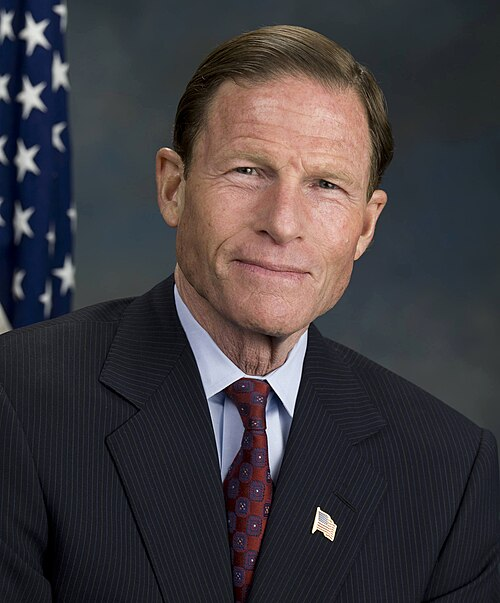
1 sponsor
Actions
2 actions
| Date | Action |
|---|---|
| Jun. 08, 2026 | Introduced in Senate |
| Jun. 08, 2026 | Read twice and referred to the Committee on the Judiciary. |
Corporate Lobbying
0 companies lobbying
None found.
* Note that there can be significant delays in lobbying disclosures, and our data may be incomplete.
Potentially Relevant Congressional Stock Trades
No relevant congressional stock trades found.