S. 4695: Curbing Online Non-consensual Sexually Explicit Nudity Transfers Act
The "Curbing Online Non-consensual Sexually Explicit Nudity Transfers Act," also known as the CONSENT Act, aims to create legal protections against the transmission of unsolicited intimate visual content, which includes sexually explicit images or videos, that are sent without the consent of the receiving individual. Here’s a summary of what the bill entails:
Definitions
The bill defines several key terms:
- Consent: An affirmative and voluntary agreement given by an individual without any force or misleading tactics.
- Intimate digital forgery: Refers to intimate images that falsely represent an individual or the context of the image, created through technological means such as software or artificial intelligence.
- Intimate visual depiction: Includes any intimate image as defined in existing federal law, along with any intimate digital forgeries.
- Transmit: Means to directly send such images to one or more individuals, excluding public posting or publication.
Civil Action
The bill establishes a right for individuals to take legal action if they receive unsolicited intimate images:
- If a sender knowingly sends an intimate visual depiction without consent to an adult recipient, the recipient has the right to sue the sender in a federal district court.
- For recipients who are minors or individuals unable to bring a lawsuit due to incapacity, a legal guardian can initiate the civil action on their behalf.
- A plaintiff may choose to use initials or a pseudonym in legal proceedings to protect their privacy.
- Exceptions to this legal action are made for cases where the transmission is done in good faith for medical, educational, or law enforcement purposes.
Relief Available
Individuals who win a civil case may receive:
- Statutory damages up to $1,000, or compensatory damages for emotional distress.
- Reimbursement for reasonable attorney fees and court costs.
- Injunctions to prevent further unsolicited transmissions of intimate visual depictions.
Relation to Criminal Laws
The bill clarifies that it does not change or override any existing criminal laws related to similar issues.
First Amendment Considerations
It is emphasized that the provisions of this bill shall not infringe upon First Amendment rights.
Severability Clause
If any part of the law is found to be unconstitutional, the rest of the provisions will still remain in effect.
Relevant Companies
- FB (Meta Platforms, Inc.): This company might be impacted through its platforms allowing users to transmit images in its messaging services.
- GOOGL (Alphabet Inc.): Similar to Meta, Google's platforms may face legal responses due to content sharing and transmission issues.
- SNAP (Snap Inc.): As a social media platform focusing on visual content sharing, Snap may need to adjust its policies regarding unsolicited intimate images.
This is an AI-generated summary of the bill text. There may be mistakes.
Sponsors
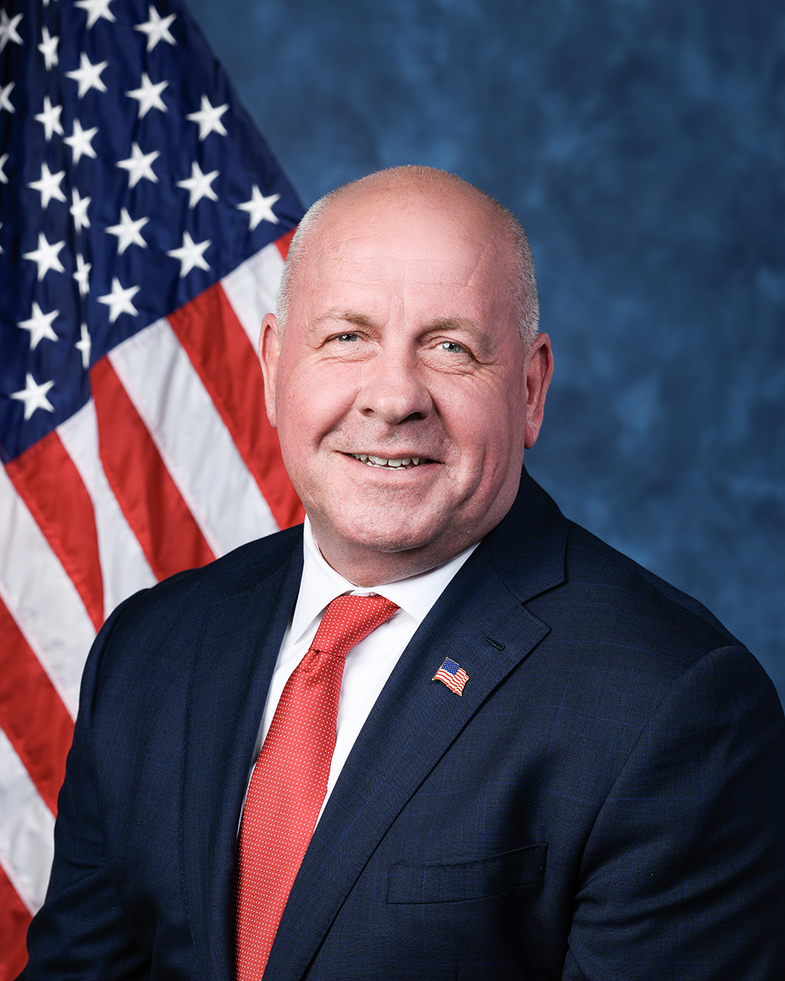
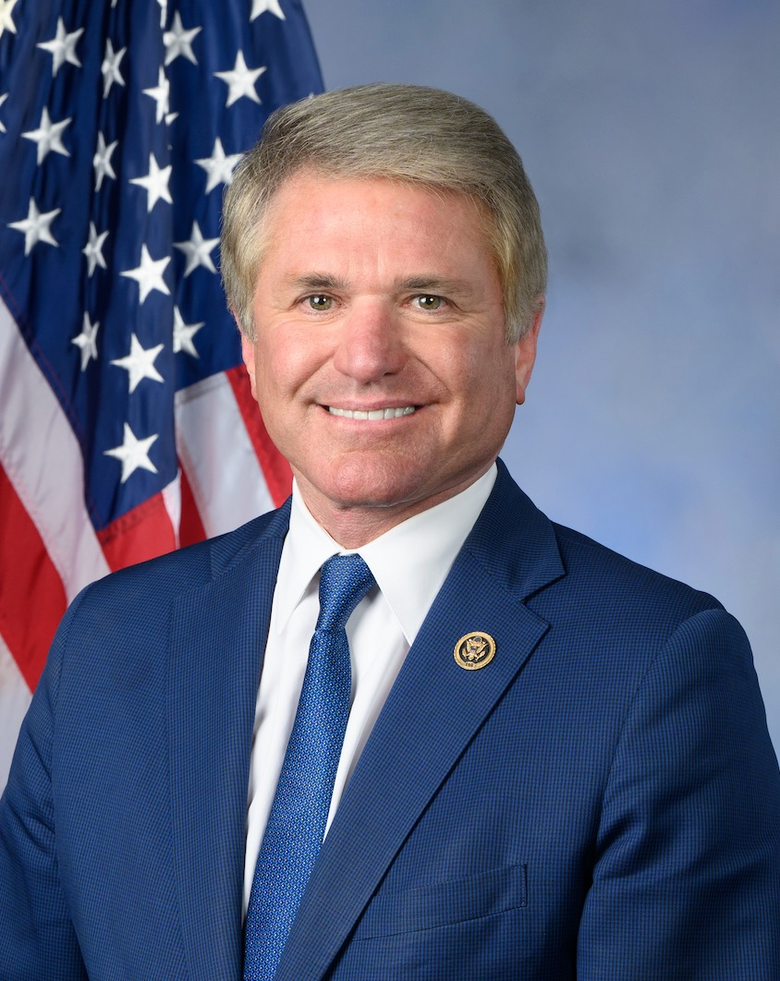
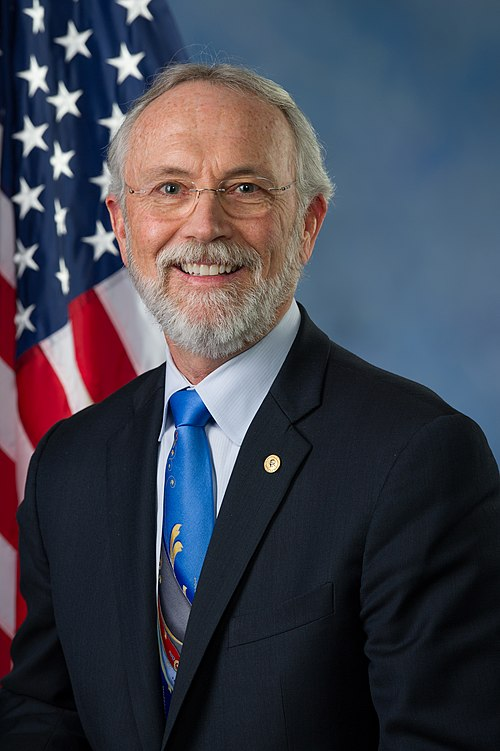
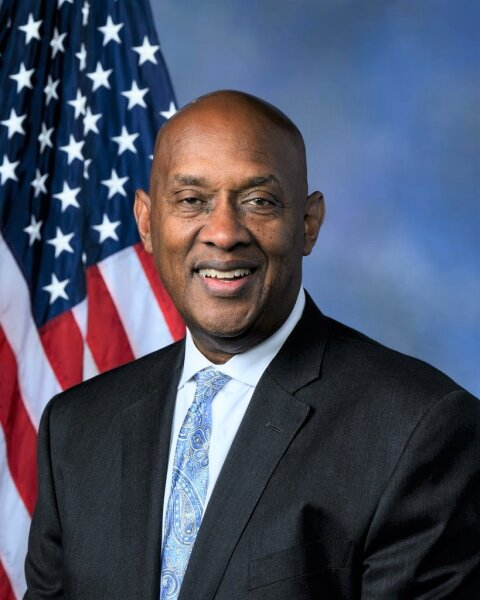
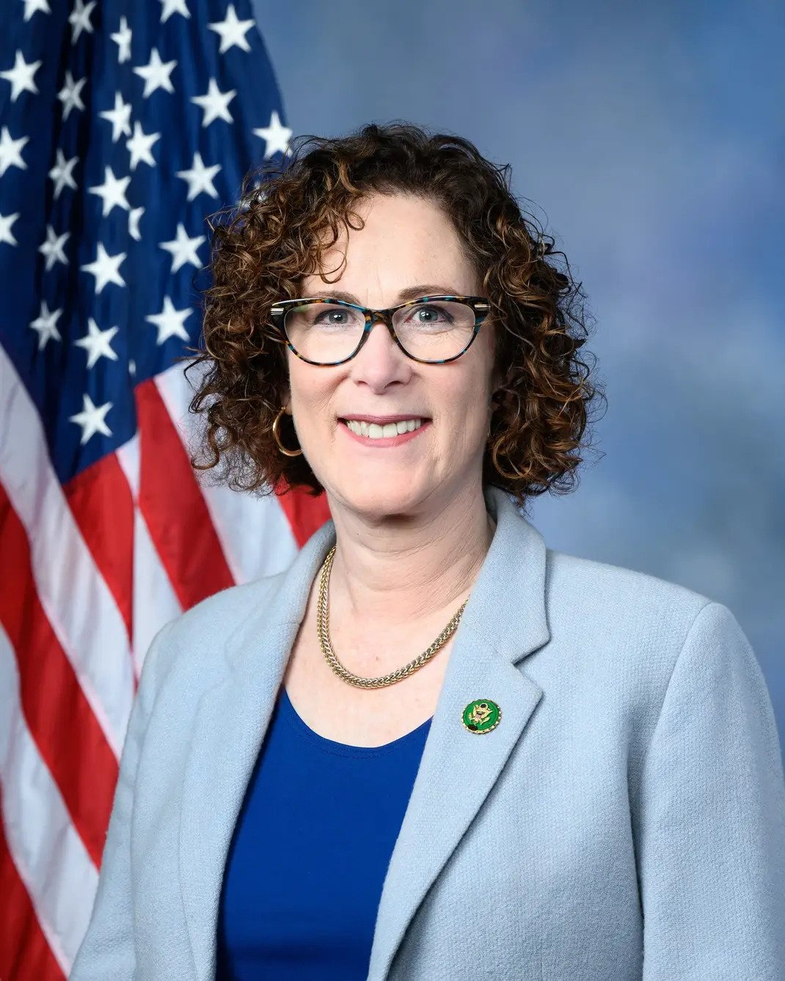
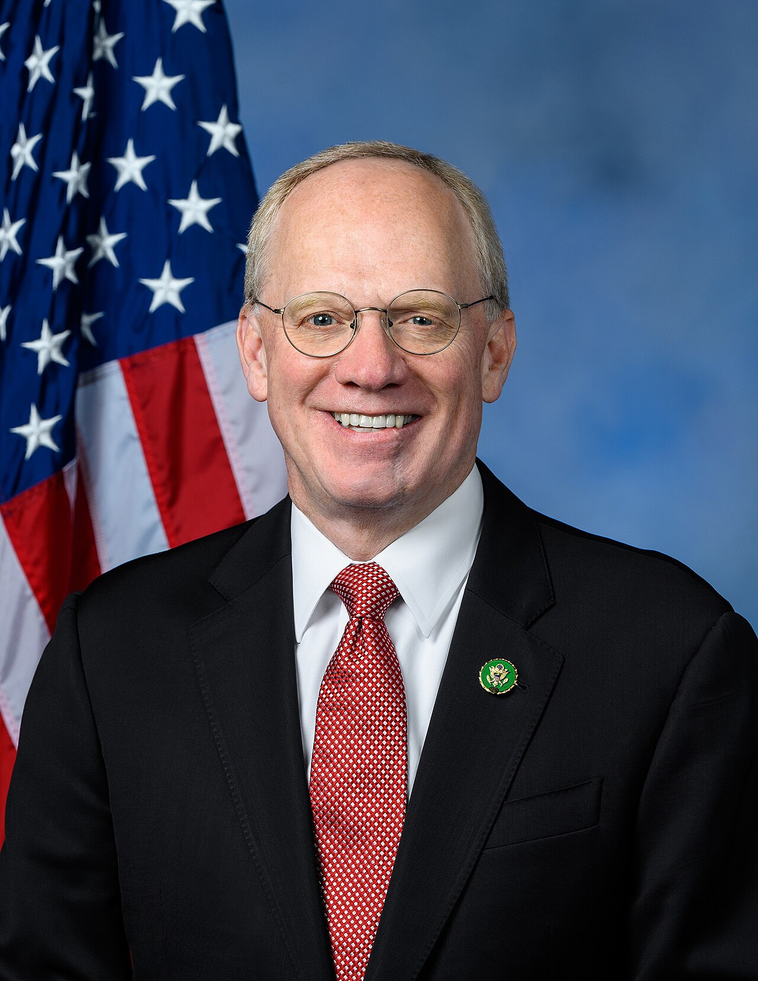
2 bill sponsors


Actions
2 actions
| Date | Action |
|---|---|
| Jun. 08, 2026 | Introduced in Senate |
| Jun. 08, 2026 | Read twice and referred to the Committee on the Judiciary. |
Corporate Lobbying
0 companies lobbying
None found.
* Note that there can be significant delays in lobbying disclosures, and our data may be incomplete.