S. 4578: Gateway to Careers Act of 2026
This bill, known as the Gateway to Careers Act of 2026, aims to create a Career Pathways Grant Program under the Workforce Innovation and Opportunity Act. Here are the key components of the bill explained in straightforward terms:
Creation of the Career Pathways Grant Program
The bill establishes a new program that will provide grants to state workforce agencies. These agencies can then distribute subgrants to various partnerships formed specifically to help individuals pursue career pathways. These partnerships must include:
- A workforce development partner (such as workforce boards or community organizations)
- An education partner (like institutions of higher education or technical education schools)
- An employer partner (representing businesses in the relevant industry)
Grant Applications and Distribution
State workforce agencies that wish to receive funding must submit an application. The bill emphasizes that grants should be distributed fairly across different regions, including rural areas that often receive less support.
Use of Grant Funds
Once a state receives grant funding, it will be required to use these funds in a few specific ways:
- **Award subgrants to the career pathway partnerships.**
- **Provide support and resources to help applicants apply for subgrants.**
Requirements for Subgrant Applications
Partnerships seeking subgrants must provide comprehensive applications detailing:
- The career pathway programs they plan to develop
- How the programs will coordinate with existing employment and support services
- The specific populations that will be served
- The activities and services to be provided
- The expected outcomes and ways to measure success
Prioritization Criteria
When awarding subgrants, state agencies must prioritize applications that:
- Include partnerships with public institutions of higher learning, especially community colleges and other institutions that primarily award associate degrees.
- Propose programs aimed at underrepresented groups facing barriers to employment or education.
- Utilize evidence-based strategies to improve student outcomes.
Activities Supported by Grant Funds
Grant funds can be used for diverse activities, including:
- Planning collaborations between partnership members to transition students through different stages of their career path.
- Expanding existing programs or creating new ones that combine education and job training.
- Providing professional development for instructors and staff.
- Acquiring necessary equipment and minor modifications to support programs.
- Offering student support services such as childcare, transportation, and counseling.
Reporting Requirements
State agencies receiving grants must report annually on the following:
- The activities funded through the grants
- Demographics of the students served
- The types of jobs students secure after completing programs
- Performance indicators for students
Duration and Evaluation of Grants
Each grant will last for a maximum of four years, with an opportunity for partnerships to apply for continued funding. Funds will also be reserved to evaluate program effectiveness and to promote best practices. A small percentage of funds will be allocated for administration costs.
Funding Authorization
The bill authorizes necessary funding for the implementation of this program starting in fiscal year 2027 and for subsequent years.
Relevant Companies
- GLW (Corning Incorporated) - May respond to workforce needs in technical and vocational sectors as the bill focuses on training for in-demand industries.
- AAPL (Apple Inc.) - Could benefit from a skilled workforce training as technology companies often seek qualified candidates from education and vocational training programs.
This is an AI-generated summary of the bill text. There may be mistakes.
Sponsors
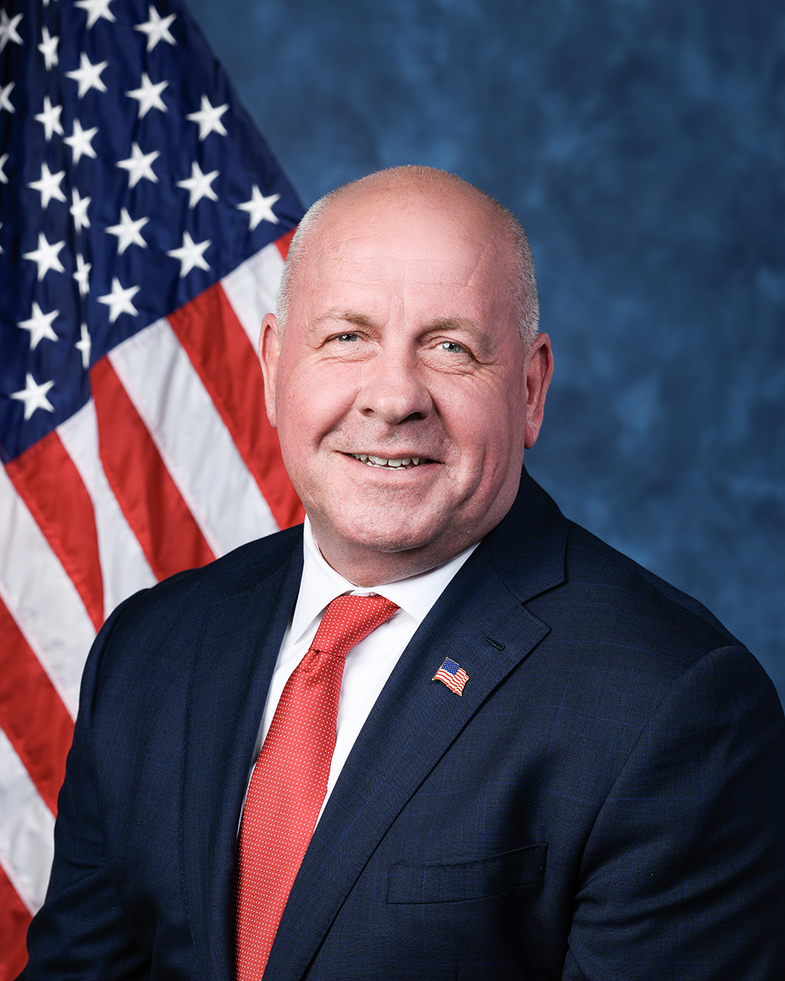
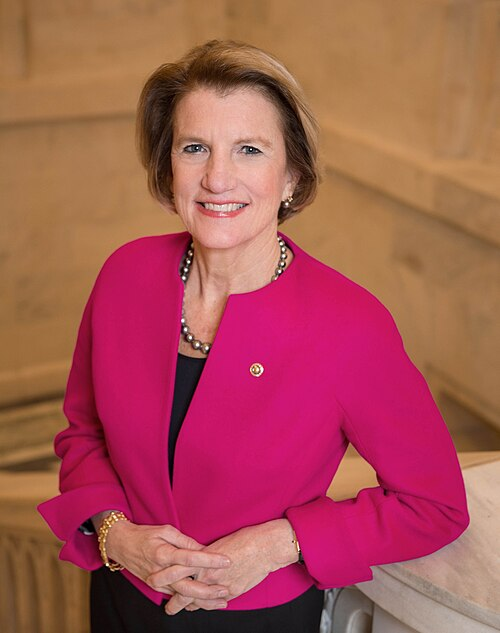
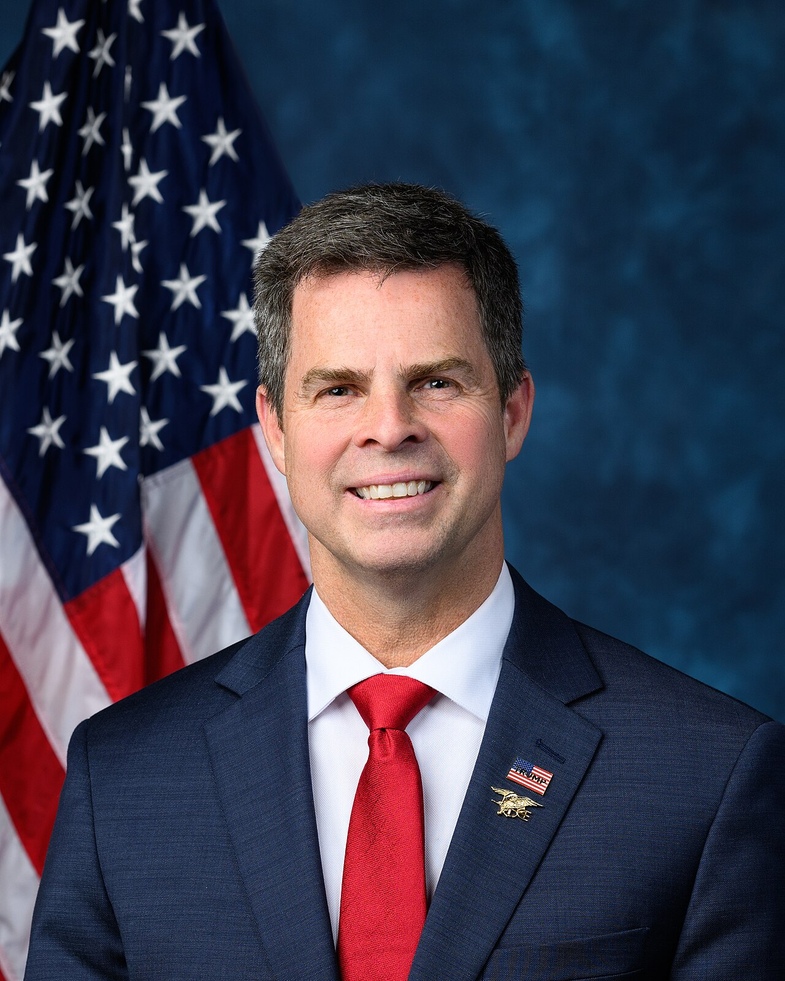
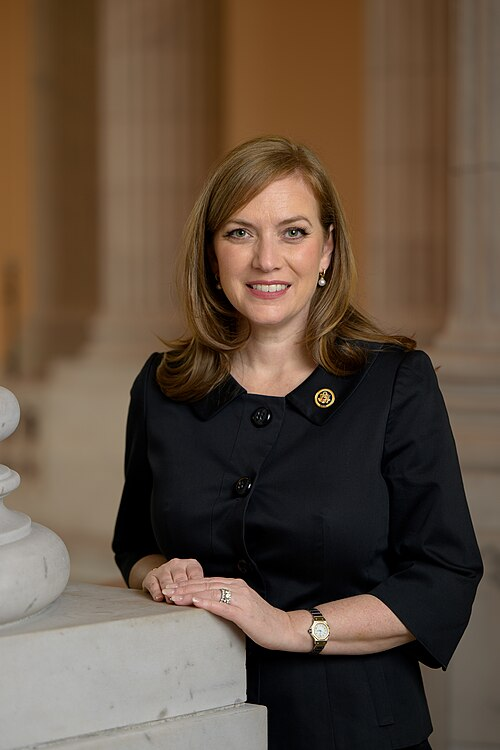
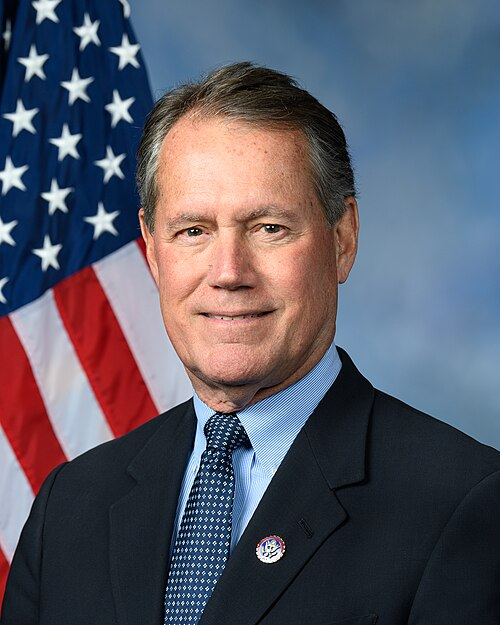
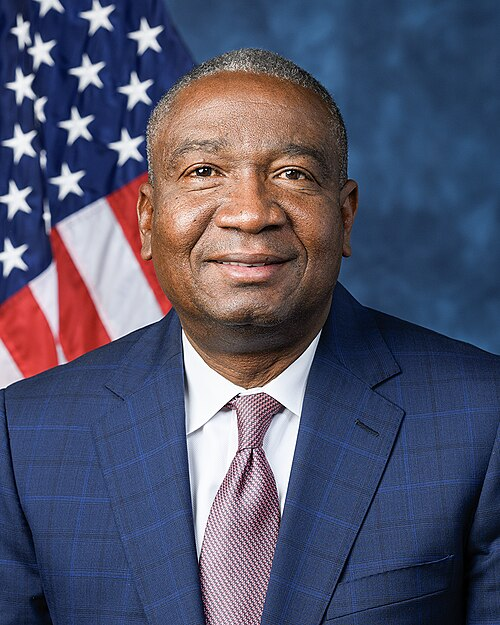
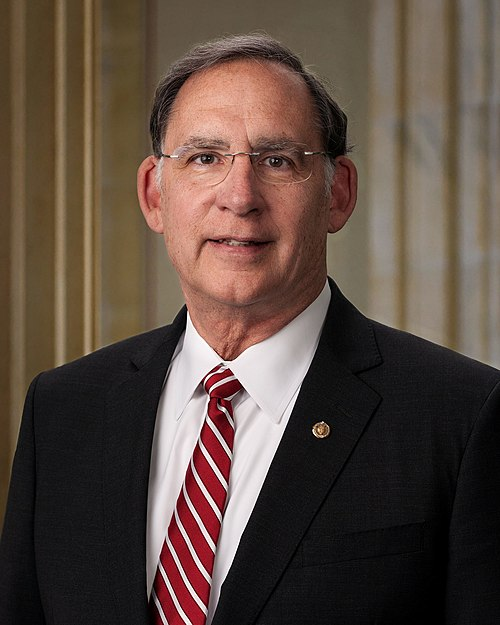
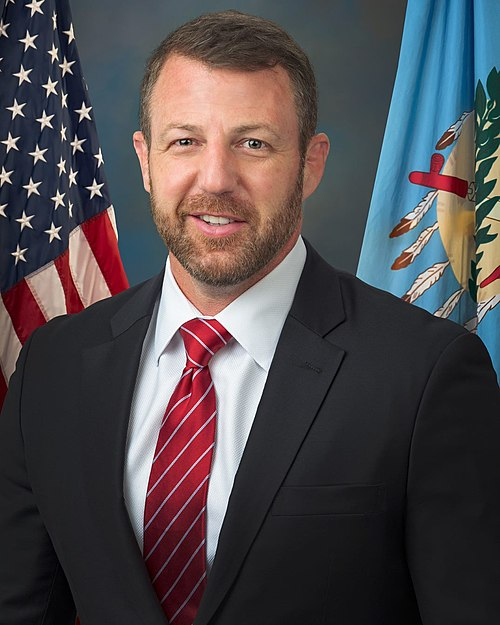
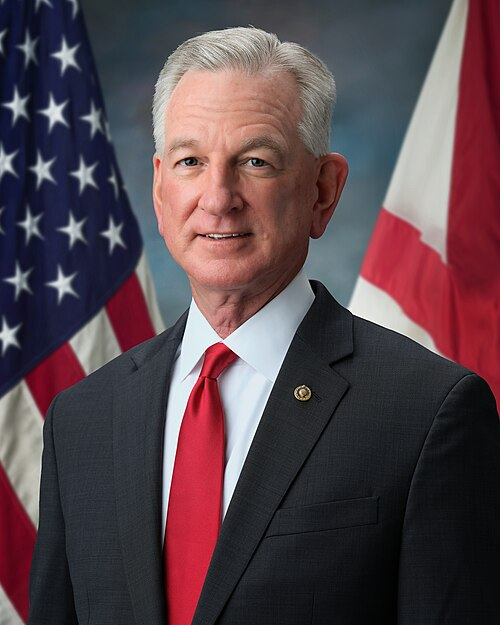
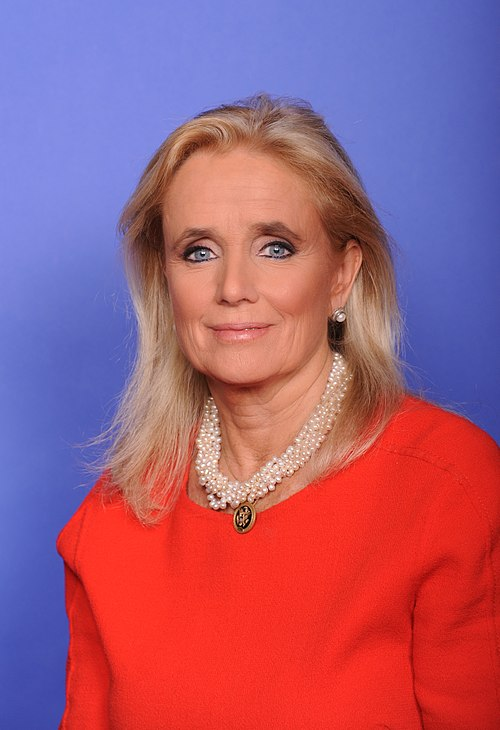
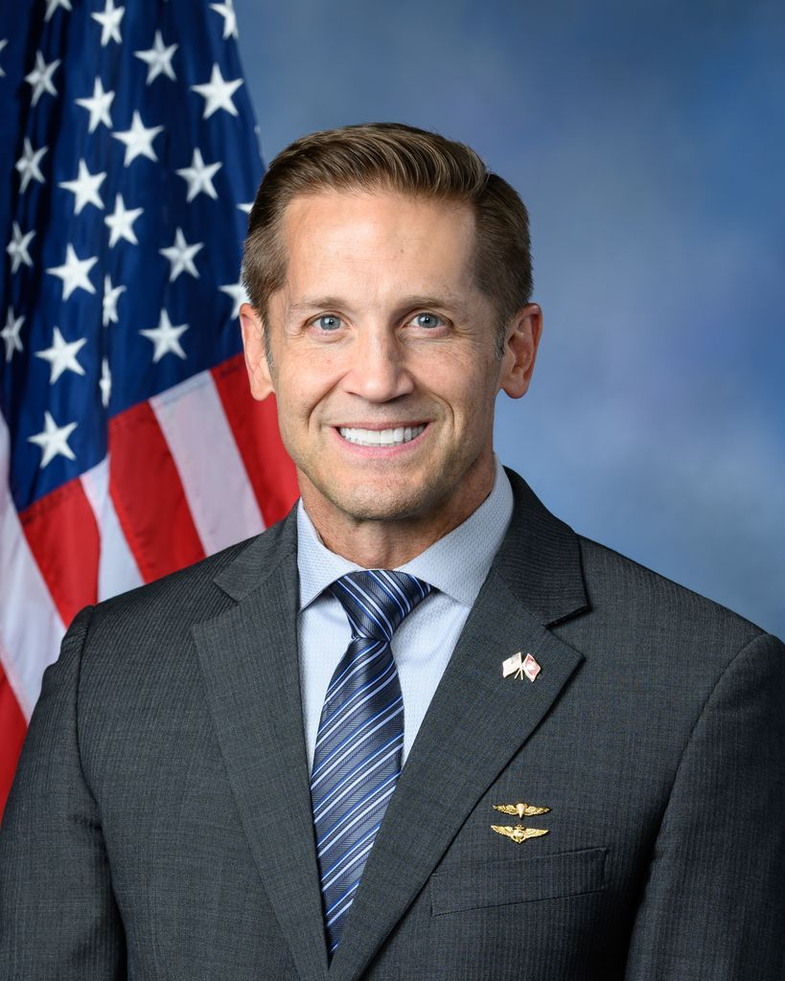
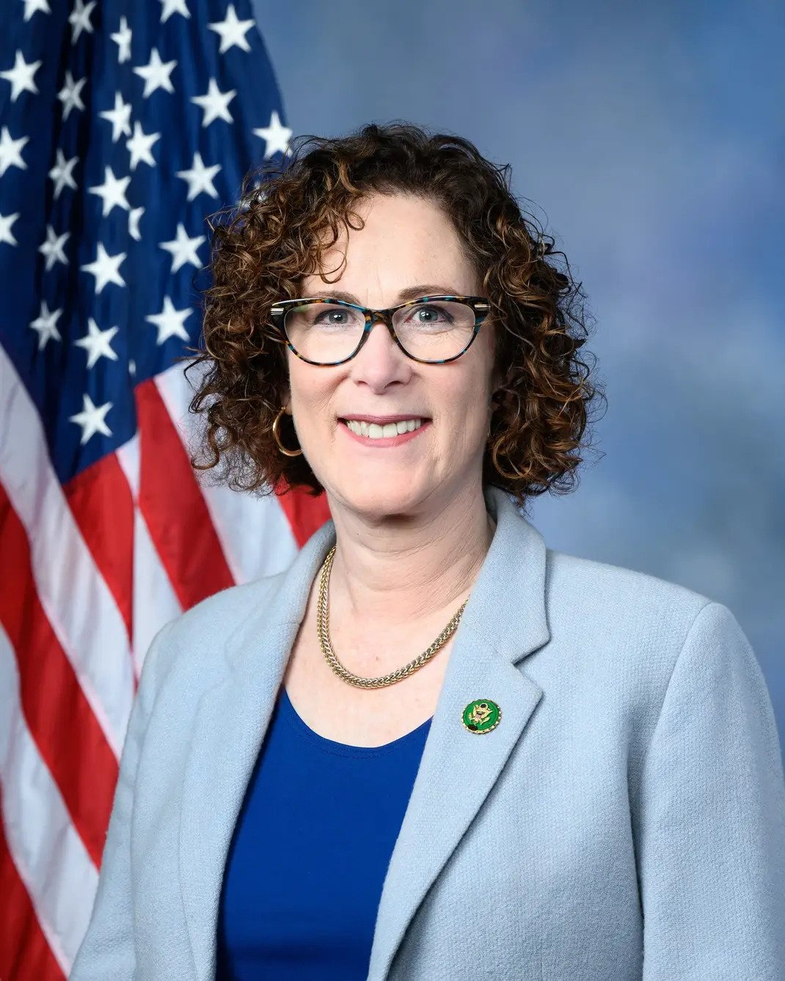
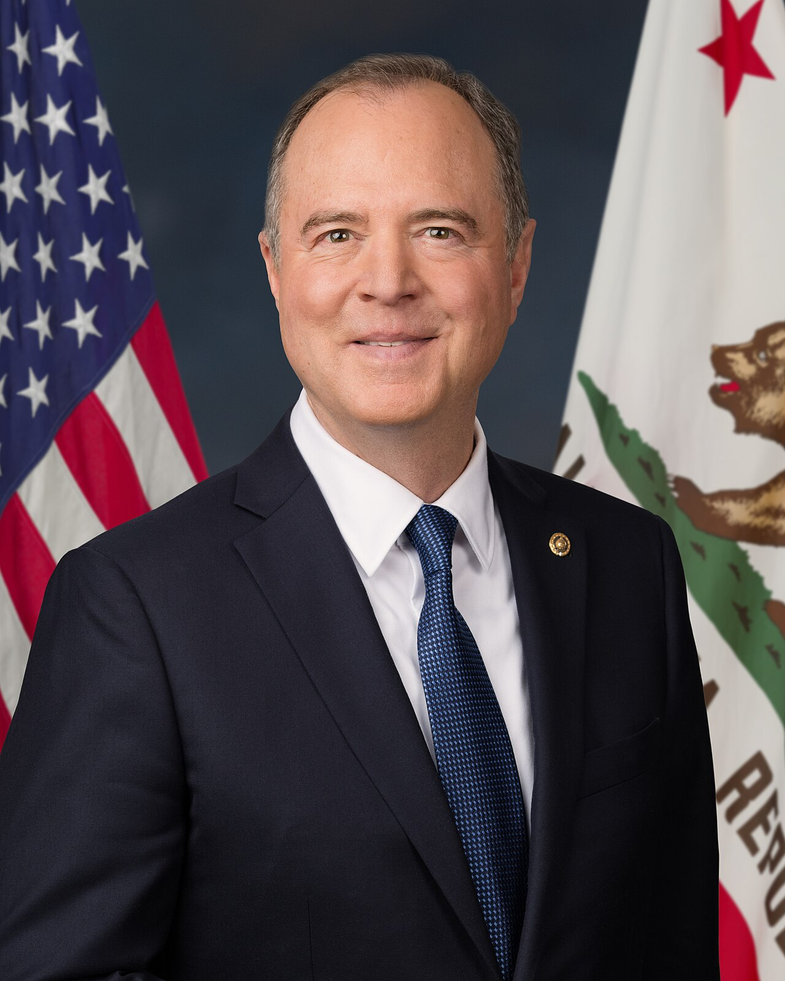
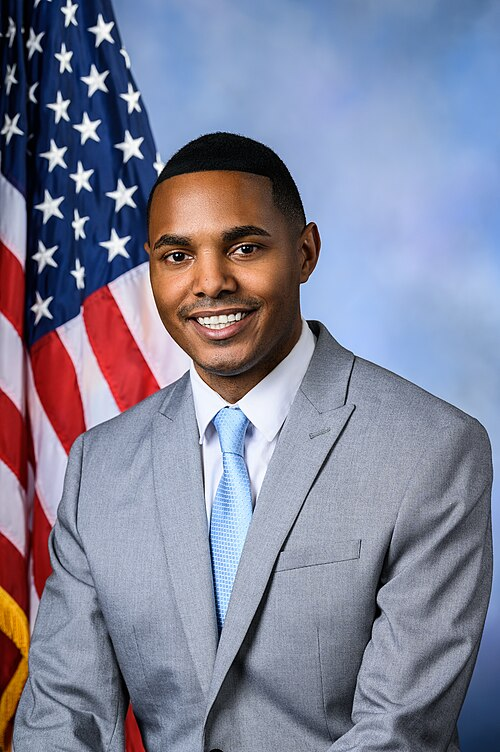
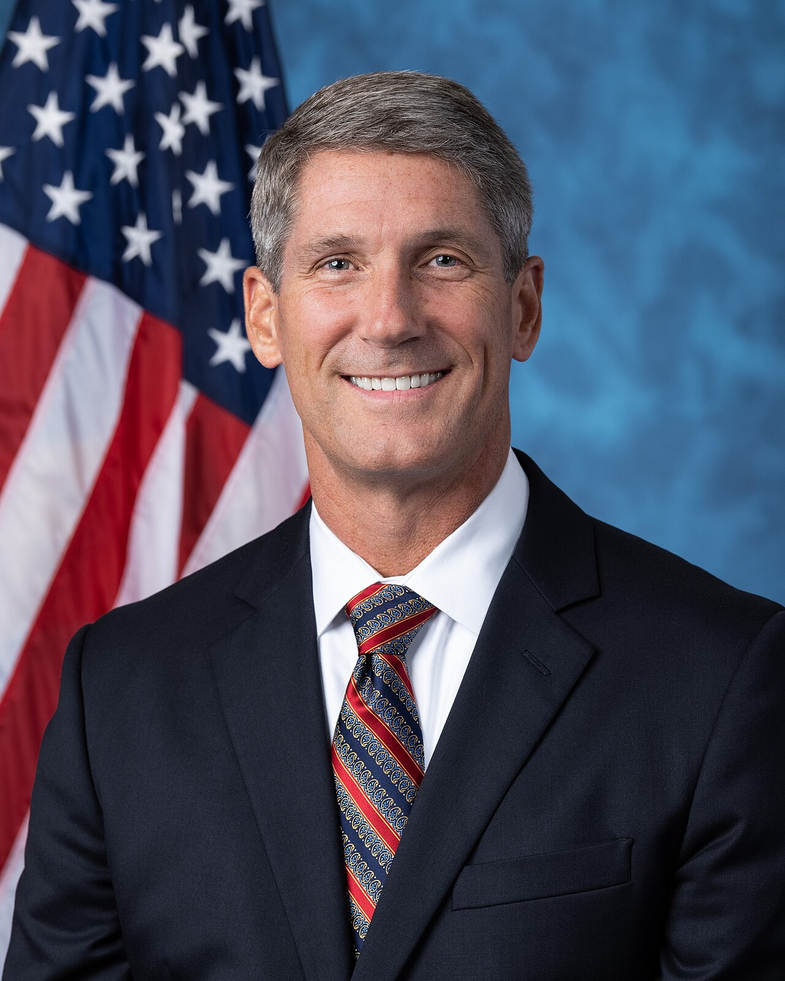
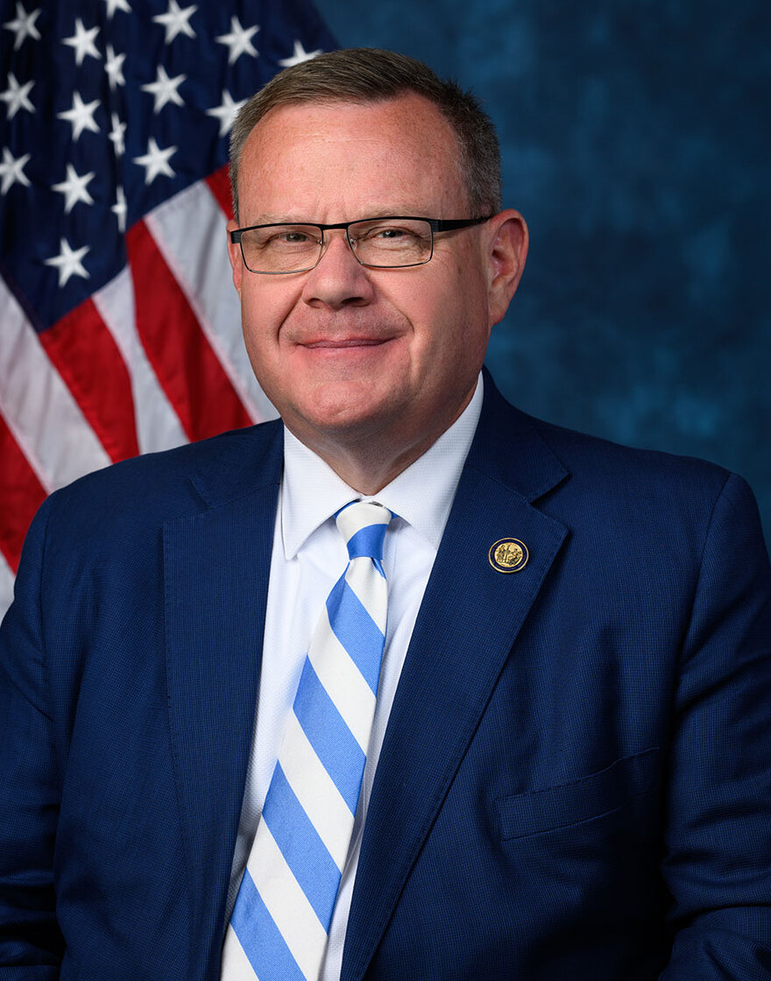
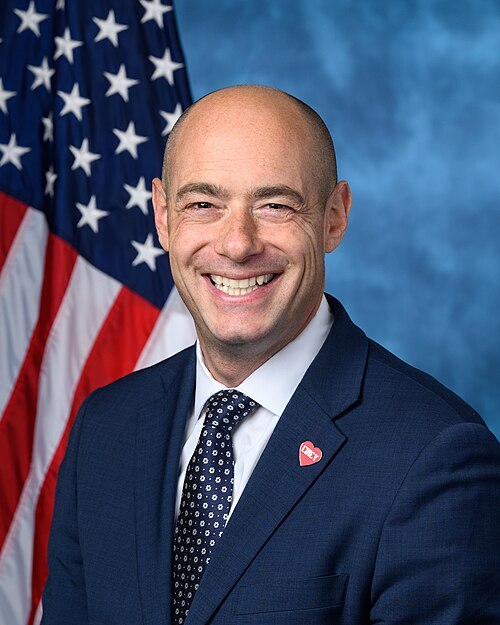
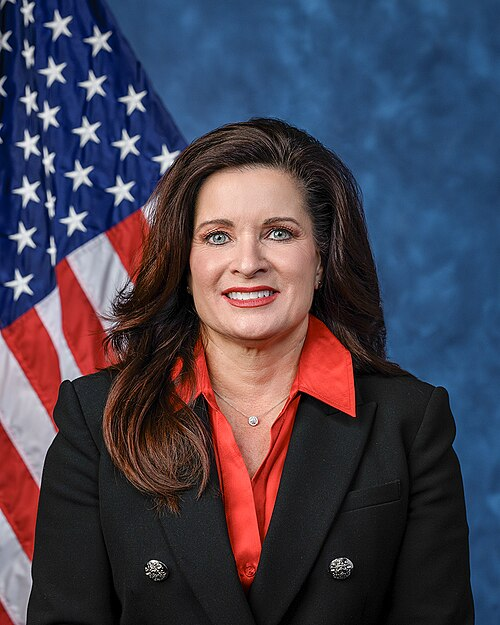
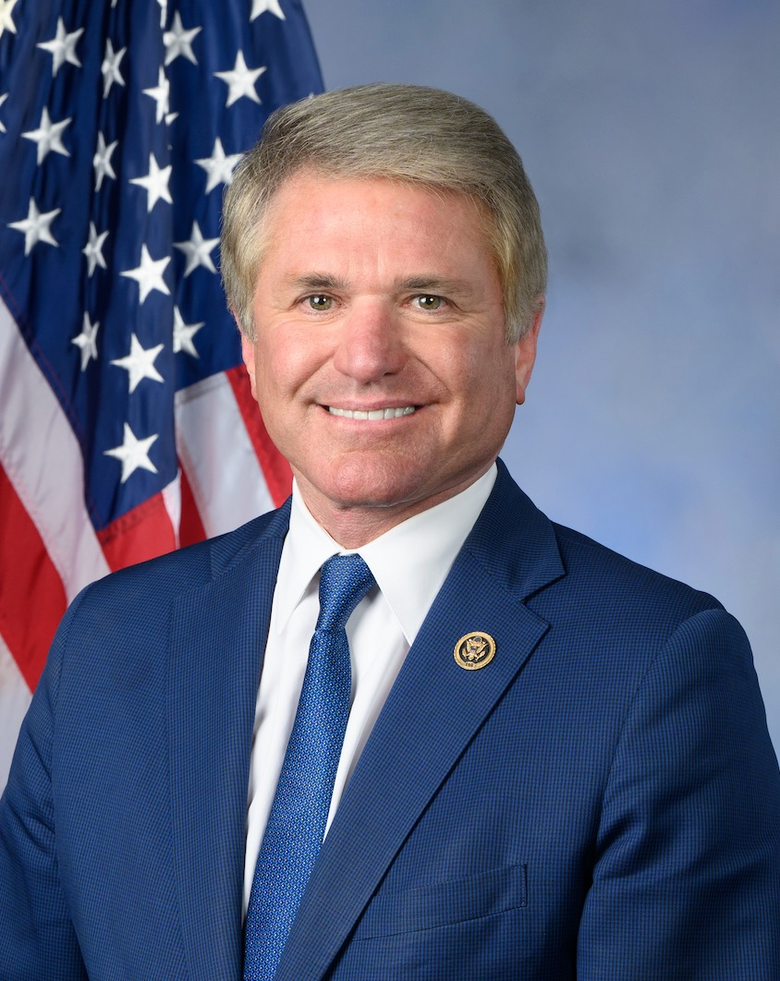
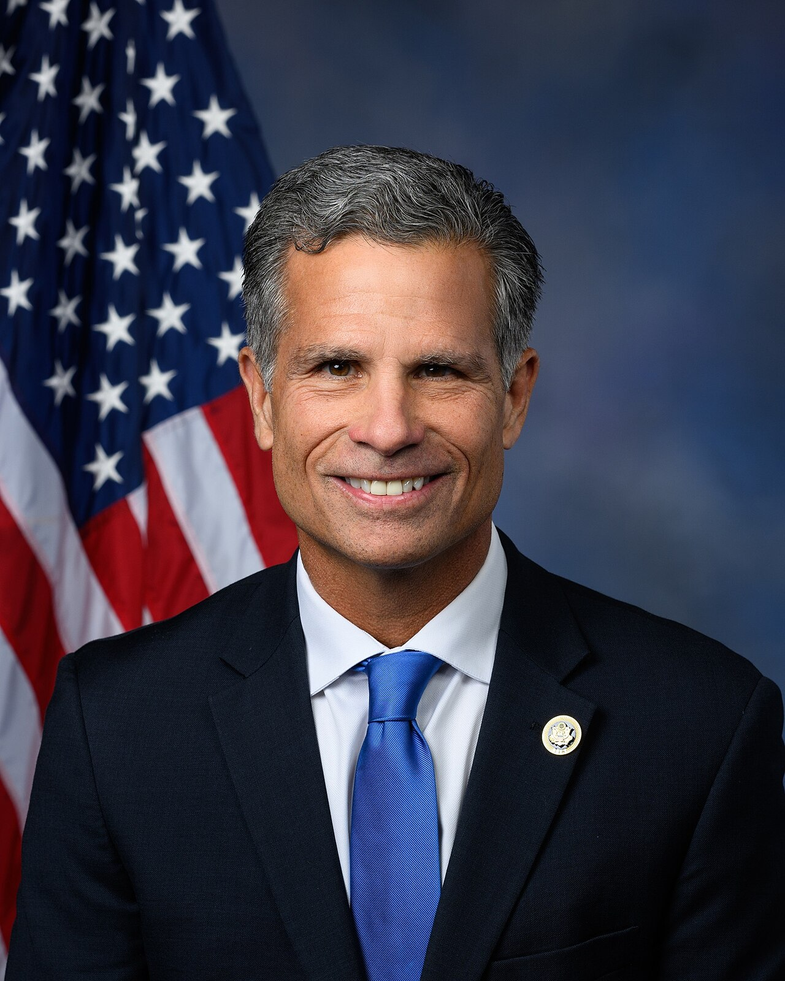
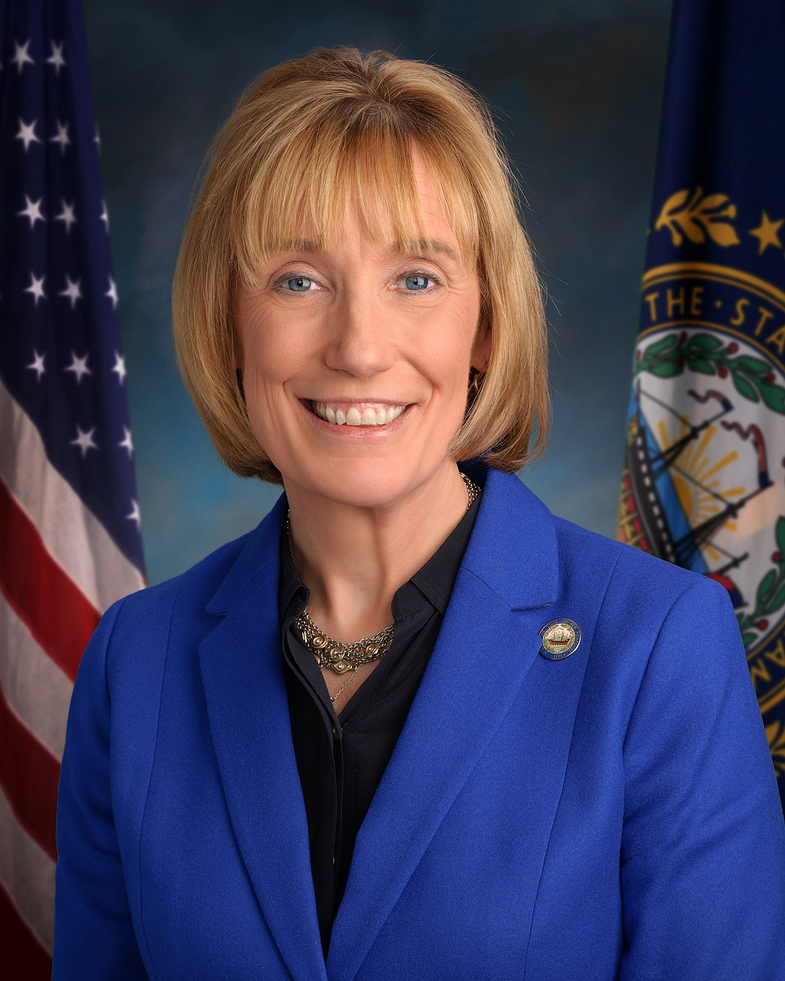
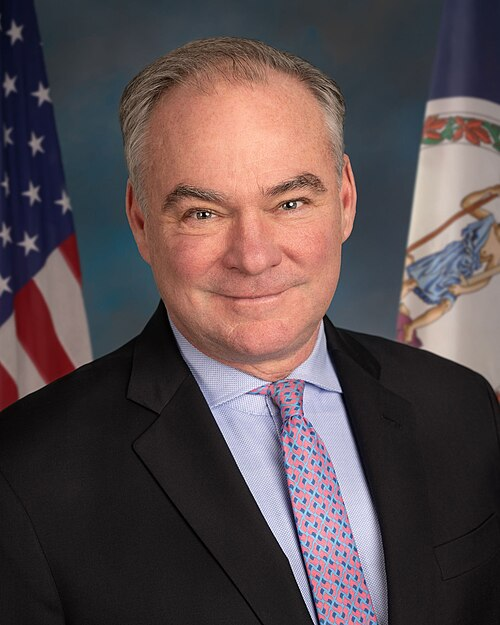
4 bill sponsors


Actions
2 actions
| Date | Action |
|---|---|
| May. 20, 2026 | Introduced in Senate |
| May. 20, 2026 | Read twice and referred to the Committee on Health, Education, Labor, and Pensions. |
Corporate Lobbying
0 companies lobbying
None found.
* Note that there can be significant delays in lobbying disclosures, and our data may be incomplete.