S. 4559: Energy Cost Fairness and Reliability Act of 2026
The Energy Cost Fairness and Reliability Act of 2026 aims to address the increasing electricity demand and ensure that consumers have access to reliable and affordable energy. The bill outlines several key provisions as follows:
Interconnection Rules
The bill mandates the Federal Energy Regulatory Commission (FERC) to develop specific rules for connecting large load facilities, such as data centers and manufacturing plants, to the existing electricity transmission system. This is essential to accommodate the growing energy needs of such facilities.
Consumer Benefits
By establishing clear interconnection guidelines, the bill seeks to enhance the reliability of the electricity supply and potentially lower costs for consumers. The intention is to create a more efficient energy system that can support future demands without jeopardizing reliability.
Regulatory Framework
The Act requires FERC to consider various factors when creating these interconnection rules, ensuring that they align with the goals of maintaining a dependable and cost-effective energy supply. This regulatory framework is expected to help streamline processes for energy providers and consumers alike.
Implementation and Oversight
FERC will oversee the implementation of these new rules, ensuring compliance and making necessary adjustments based on the evolving energy landscape. This oversight is key to maintaining the effectiveness of the regulations in meeting electricity demand.
Potential Impact on Energy Providers
Energy providers may experience changes in the way they are required to connect large load facilities to the grid. This could lead to adjustments in their operational practices and infrastructure investments to comply with the new interconnection standards.
Long-term Goals
The legislation serves a long-term purpose by laying the groundwork for a robust energy infrastructure that can adapt to future challenges in electricity demand and supply. It emphasizes the importance of planning for a sustainable energy landscape that benefits consumers and businesses.
Stakeholder Involvement
As FERC develops the interconnection rules, various stakeholders, including energy companies, consumer advocacy groups, and local governments, may be involved in discussions to ensure that a wide range of perspectives is considered in the final regulations.
Relevant Companies
None found
This is an AI-generated summary of the bill text. There may be mistakes.
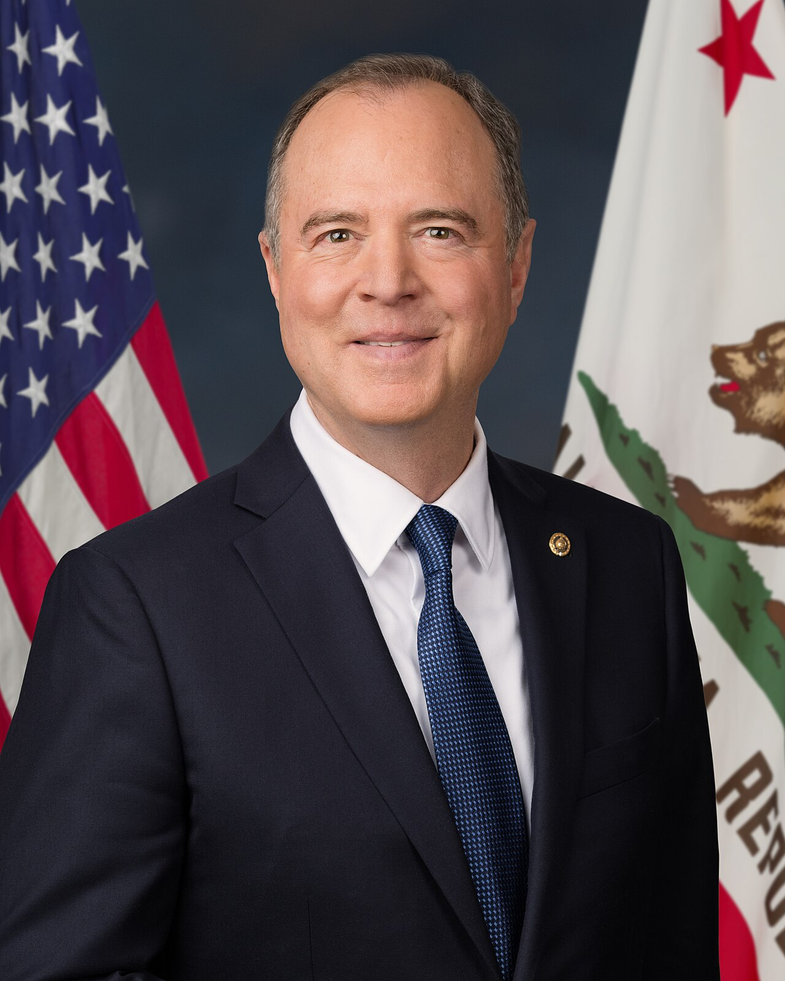
Sponsors
1 sponsor
Actions
2 actions
| Date | Action |
|---|---|
| May. 18, 2026 | Introduced in Senate |
| May. 18, 2026 | Read twice and referred to the Committee on Energy and Natural Resources. |
Corporate Lobbying
0 companies lobbying
None found.
* Note that there can be significant delays in lobbying disclosures, and our data may be incomplete.
Potentially Relevant Congressional Stock Trades
No relevant congressional stock trades found.