S. 4545: Scientific Integrity Act
The Scientific Integrity Act is a proposed piece of legislation aimed at improving the integrity and transparency of scientific research conducted or overseen by federal agencies in the United States. Here’s a summary of the key components and provisions of the bill:
Purpose
The bill seeks to ensure that scientific research funded or conducted by federal agencies adheres to principles of integrity, open communication, and the timely dissemination of findings without interference from political or other biases.Key Provisions
- Establishment of Scientific Integrity Policies: Within 90 days of enactment, federal agencies that conduct or oversee scientific research must adopt and enforce a scientific integrity policy. This policy must be approved by the Director of the Office of Science and Technology Policy (OSTP).
- Accessibility and Public Reporting: Once approved, agencies must make their scientific integrity policies publicly available and report them to Congress within 30 days.
- Requirements for Scientists: The policies must prohibit dishonest practices, such as engaging in fraud or misconduct, suppressing research findings, or retaliating against individuals who refuse to alter their scientific conclusions. They must allow researchers to disseminate findings through appropriate channels such as scientific conferences and publications.
- Protection of Research Integrity: Federal agencies must have measures in place to prevent the suppression or distortion of scientific data. Personnel actions for employees must primarily be based on expertise rather than political considerations.
- Appointment of Scientific Integrity Officers: Each agency must appoint a Scientific Integrity Officer within 90 days of enactment. This official will oversee the implementation of the integrity policies and work closely with the agency's inspector general.
- Training and Administrative Processes: Agencies are required to institute training programs on scientific integrity and establish processes for addressing violations of the integrity policy.
- Annual Reporting: Each agency must post an annual report detailing complaints about misconduct related to the scientific integrity policy. This includes the number of complaints filed, their resolutions, and any changes made to the policies.
- Oversight and Review: The OSTP is tasked with organizing information on scientific integrity violations across agencies and convening discussions on best practices. Additionally, the Comptroller General must conduct a review of the policy implementation within two years of the Act's enactment.
Goals
The overarching goal of the Scientific Integrity Act is to enhance public trust in scientific research conducted by the government by ensuring that it is free from political or ideological influence, thus ensuring ongoing accountability and transparency.Definitions
The bill includes definitions for key terms such as “covered agency,” referring to any federal agency that funds, conducts, or oversees scientific research, and “covered individual,” which includes employees or contractors engaged in scientific activities.Relevant Companies
None foundThis is an AI-generated summary of the bill text. There may be mistakes.
Sponsors
21 bill sponsors
-
TrackBrian Schatz
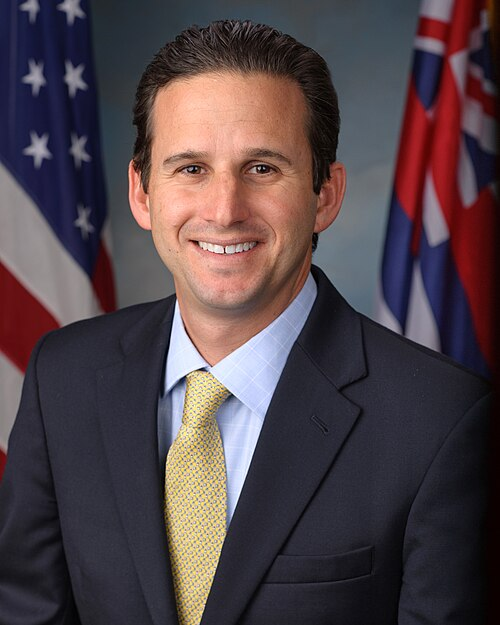
Sponsor
-
TrackTammy Baldwin

Co-Sponsor
-
TrackMichael F. Bennet

Co-Sponsor
-
TrackRichard Blumenthal
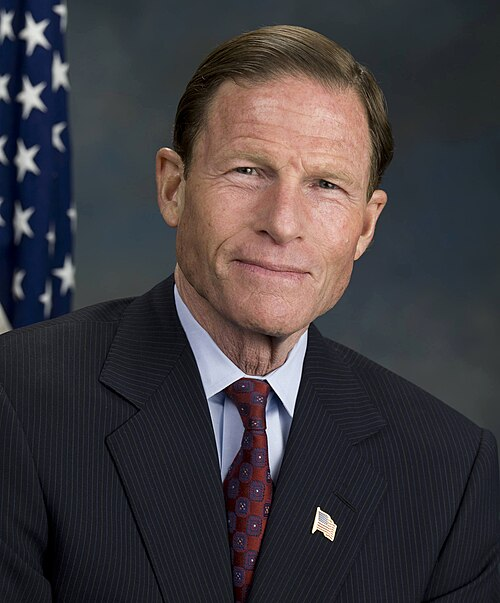
Co-Sponsor
-
TrackCory A. Booker
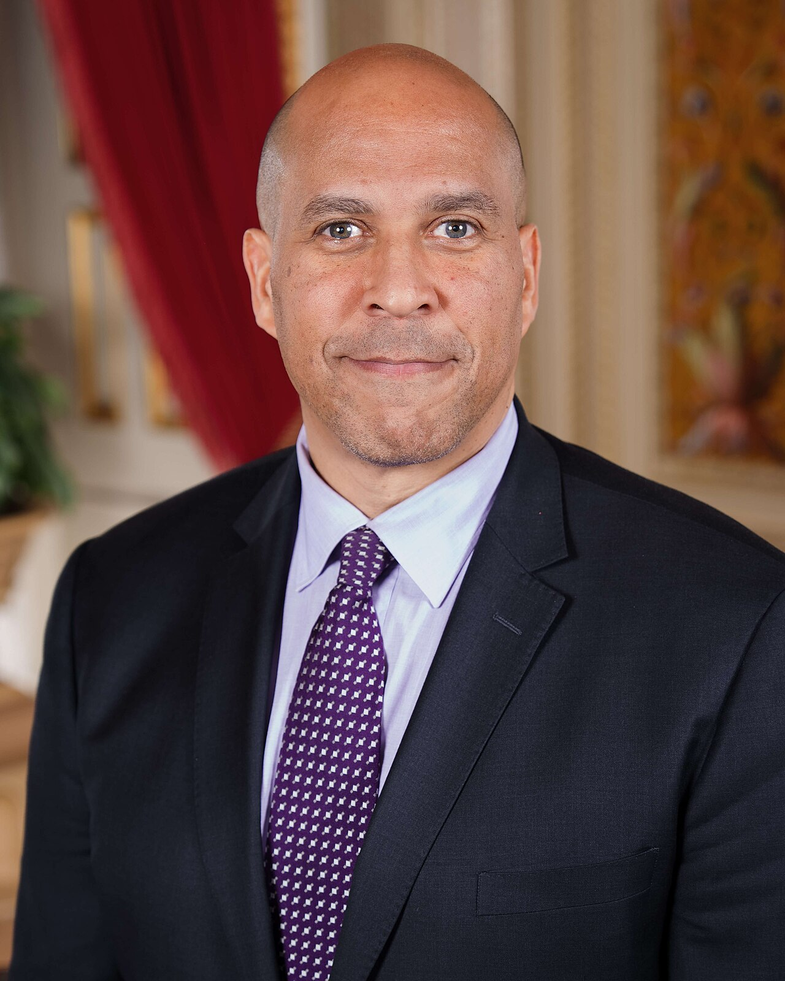
Co-Sponsor
-
TrackJohn W. Hickenlooper

Co-Sponsor
-
TrackAmy Klobuchar

Co-Sponsor
-
TrackBen Ray Lujan
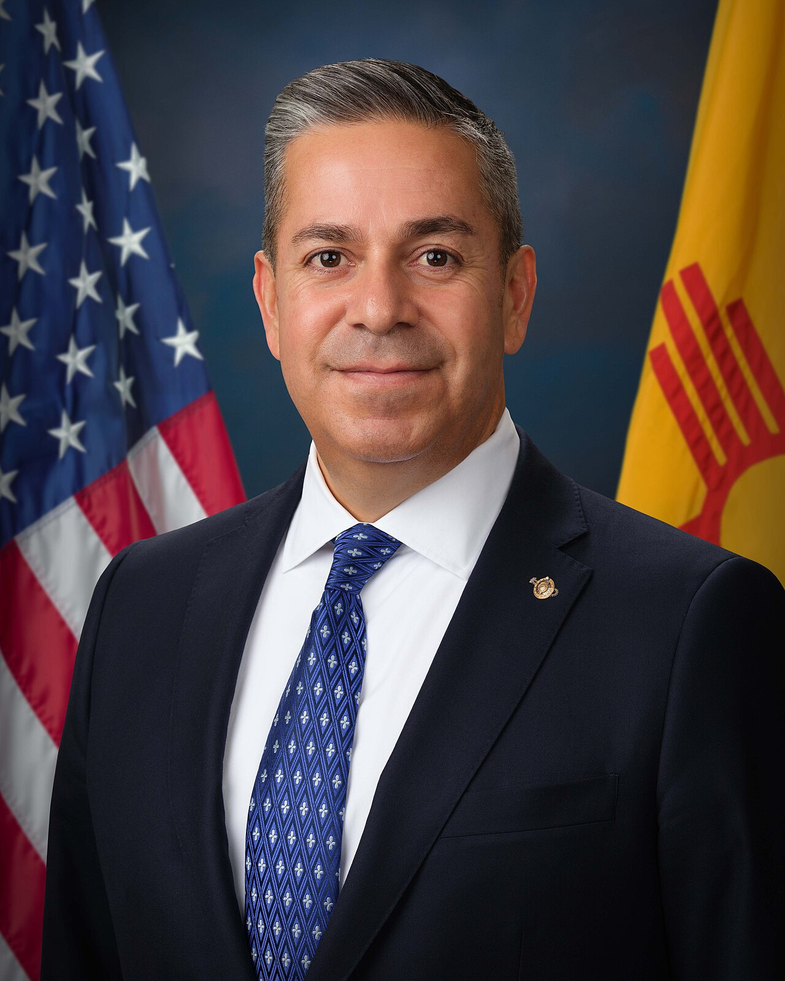
Co-Sponsor
-
TrackEdward J. Markey
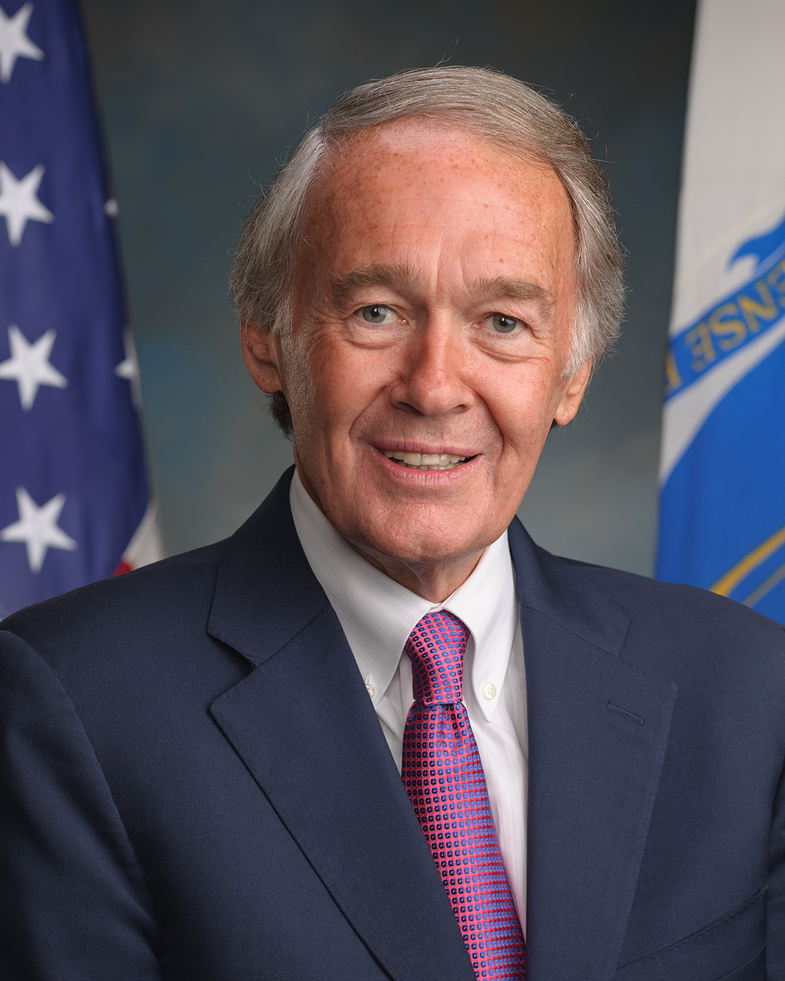
Co-Sponsor
-
TrackJeff Merkley

Co-Sponsor
-
TrackAlex Padilla
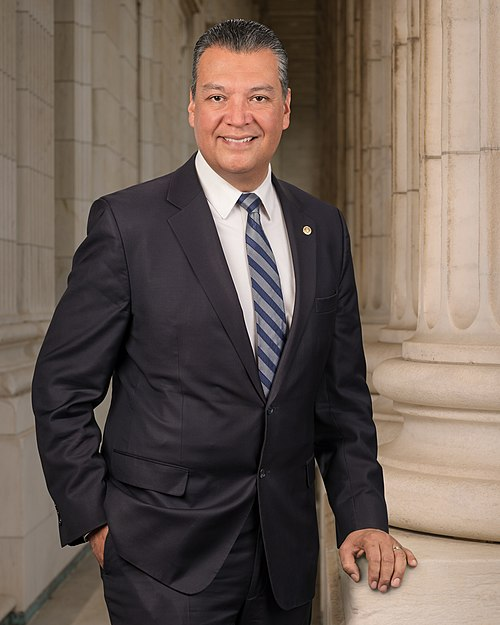
Co-Sponsor
-
TrackJacky Rosen

Co-Sponsor
-
TrackAdam B. Schiff
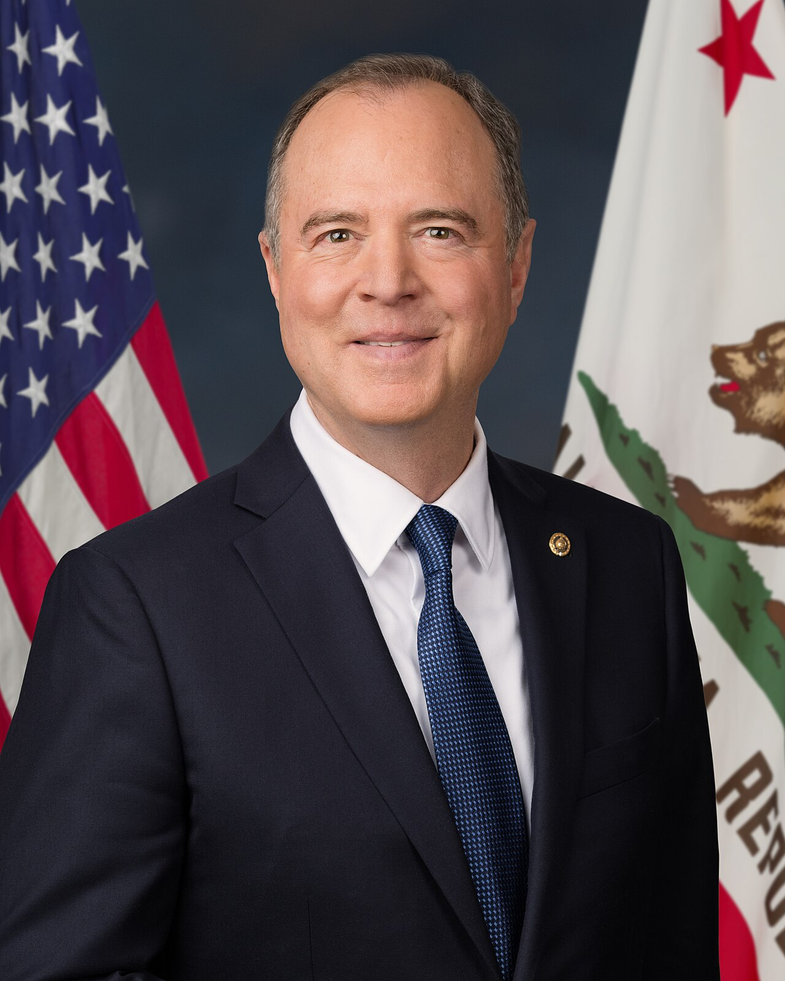
Co-Sponsor
-
TrackCharles E. Schumer
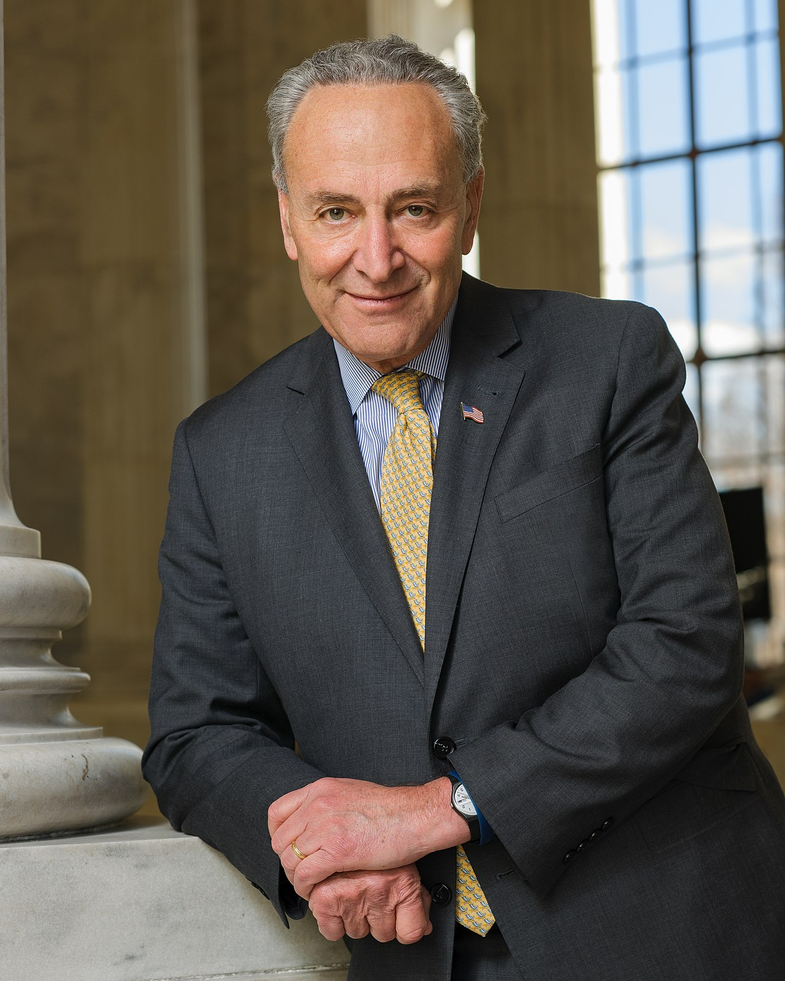
Co-Sponsor
-
TrackJeanne Shaheen
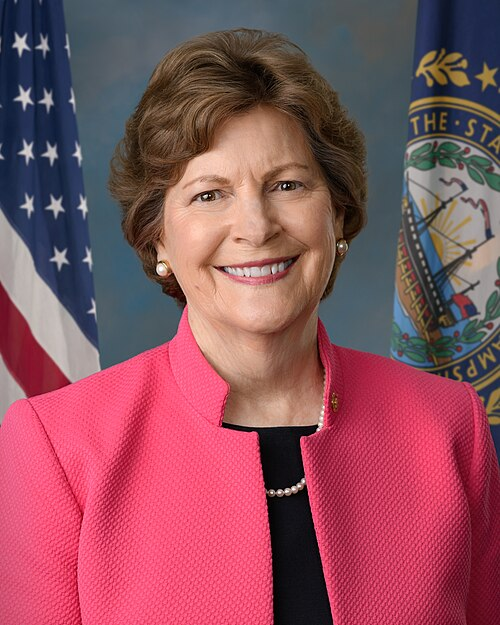
Co-Sponsor
-
TrackChris Van Hollen

Co-Sponsor
-
TrackMark R. Warner

Co-Sponsor
-
TrackElizabeth Warren

Co-Sponsor
-
TrackPeter Welch
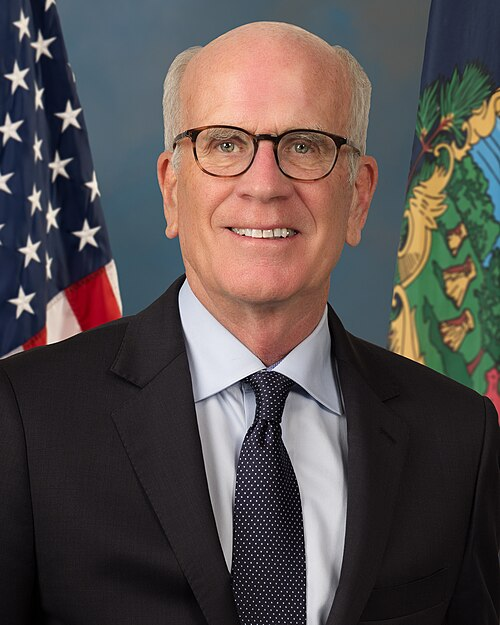
Co-Sponsor
-
TrackSheldon Whitehouse

Co-Sponsor
-
TrackRon Wyden
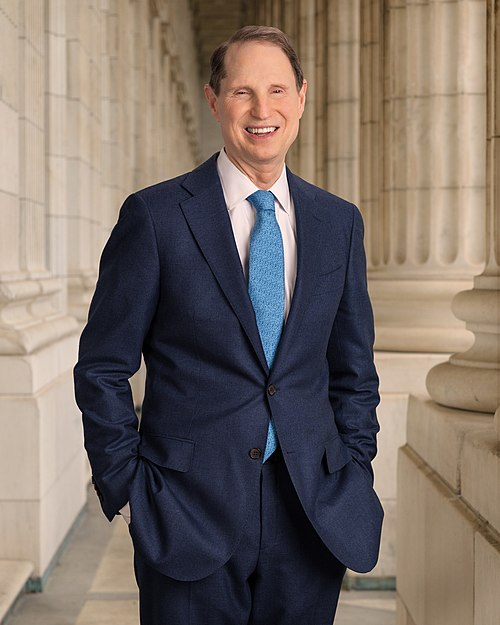
Co-Sponsor
Actions
2 actions
| Date | Action |
|---|---|
| May. 14, 2026 | Introduced in Senate |
| May. 14, 2026 | Read twice and referred to the Committee on Commerce, Science, and Transportation. |
Corporate Lobbying
0 companies lobbying
None found.
* Note that there can be significant delays in lobbying disclosures, and our data may be incomplete.
Potentially Relevant Congressional Stock Trades
No relevant congressional stock trades found.