S. 4509: Patients Before Monopolies Act
The Patients Before Monopolies Act, also referred to as the PBM Act, proposes several measures aimed at addressing the relationship between pharmacy benefit managers (PBMs) and pharmacies within the healthcare system. Here are the main points of the bill explained in simpler terms:
Background and Purpose
The bill is introduced in response to concerns about how PBMs, which manage prescription drug benefits for health plans, are operating. It highlights that:
- PBMs play a significant role in determining which drugs are covered by health plans and at what prices.
- There is a high concentration of market power among the largest PBMs, many of which are part of large healthcare companies that own pharmacies as well.
- This integration can reduce competition and potentially increase drug costs for patients.
- Independent pharmacies are often pressured into unfavorable contracts by these large entities, leading to many closures.
The bill aims to promote competition in the pharmaceutical marketplace and protect patients, considering the negative impact of corporate ownership structures on drug pricing and availability.
Key Provisions of the Bill
1. Ownership Restrictions
The bill seeks to prohibit any entity from owning both a pharmacy and a PBM or health insurance company. More specifically:
- It would be illegal for a person or entity to own or operate a pharmacy if they also manage a health insurance provider or a PBM.
- Entities currently violating this rule would have one year to divest (sell off) their pharmacy holdings.
2. Enforcement and Penalties
The Federal Trade Commission (FTC) and the Department of Justice (DOJ) would have the authority to enforce these provisions:
- They can impose penalties on those who fail to comply with divestment timelines, including transferring 10% of profits into escrow.
- A divestiture trustee may be appointed to oversee the sale of pharmacies if individuals do not comply.
3. Civil Actions
Individuals and state attorneys general could pursue civil actions against violators of the act:
- Individuals affected by these unfair practices may seek damages, including treble damages (triple the amount of damages) and recovery of legal fees.
- State attorneys general can act in the interests of residents within their state to seek justice for violations affecting them.
4. FTC and DOJ Review
All divestments must be reported to the FTC and DOJ:
- The agencies will review these divestitures to assess their impact on competition and public interest.
- The FTC will also create rules to ensure compliance with the act without diminishing enforcement obligations.
5. Transparency and Reporting
The bill mandates that the FTC and DOJ provide quarterly reports to Congress regarding compliance with the act and details on any required divestitures.
6. Legal Definitions
The bill includes specific definitions for terms such as “health plan,” “person,” “pharmacy,” and “pharmacy benefit manager” to clarify the scope of the legislation and which entities are affected.
Relevant Companies
- UNH - UnitedHealth Group: This healthcare company could be affected as it operates both a health insurance and pharmacy benefit management service.
- CI - Cigna: Cigna's operations include health insurance and pharmacy benefits, which would be impacted by the bill's provisions regarding ownership restrictions.
- ABC - AmerisourceBergen: As a major pharmaceutical distributor with ties to PBMs, it may be affected by the changes in the legislation aimed at separating PBM and pharmacy operations.
This is an AI-generated summary of the bill text. There may be mistakes.
Sponsors
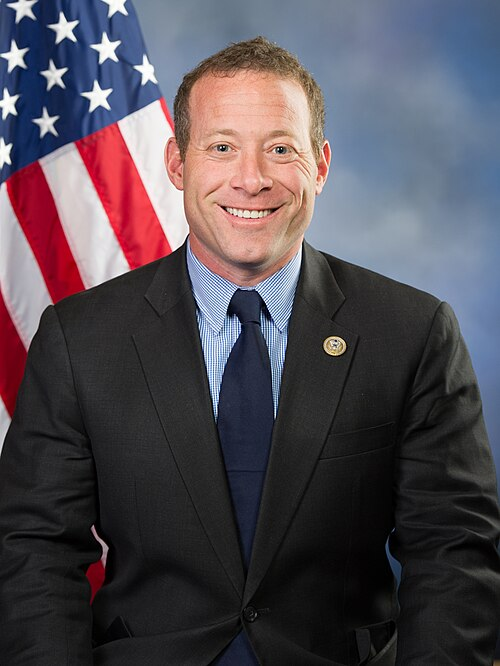
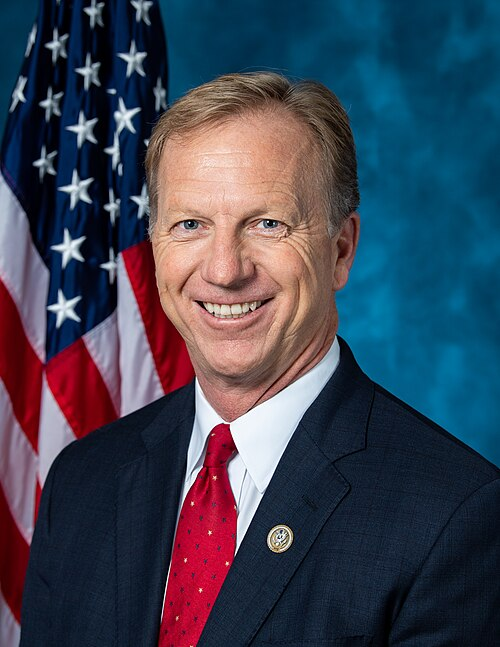
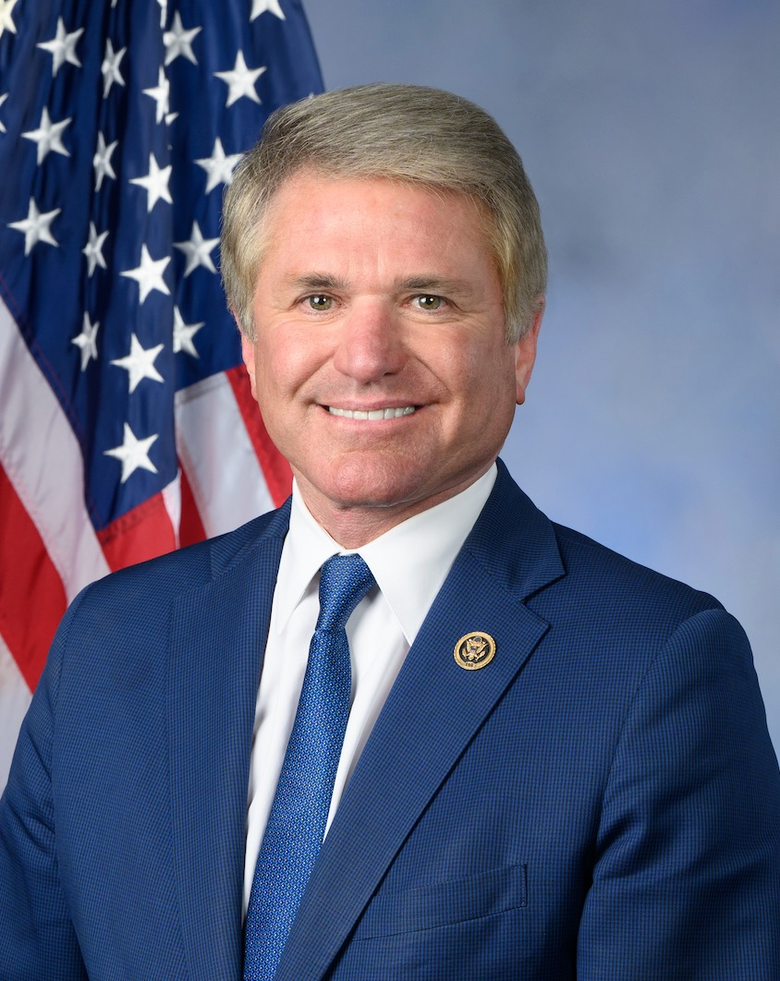
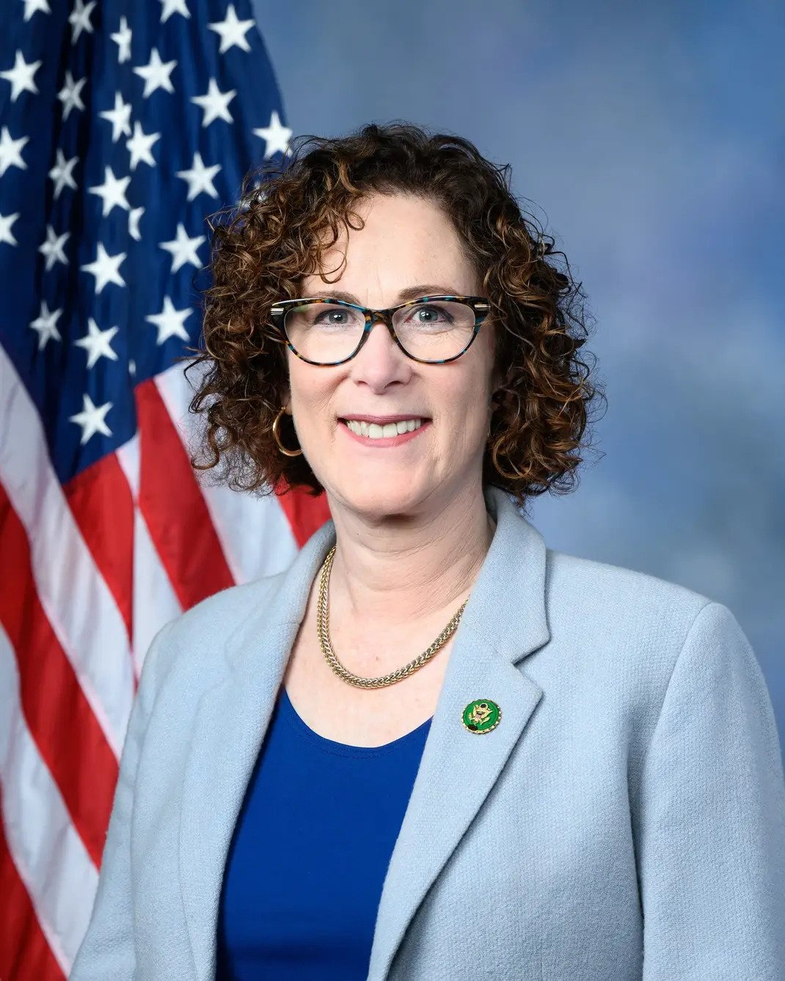
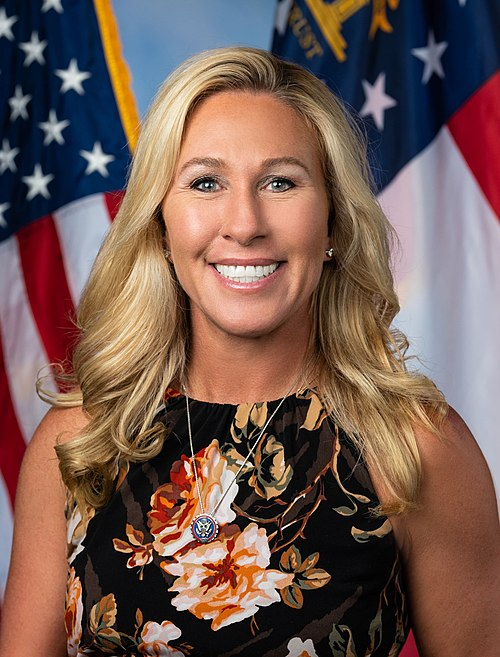
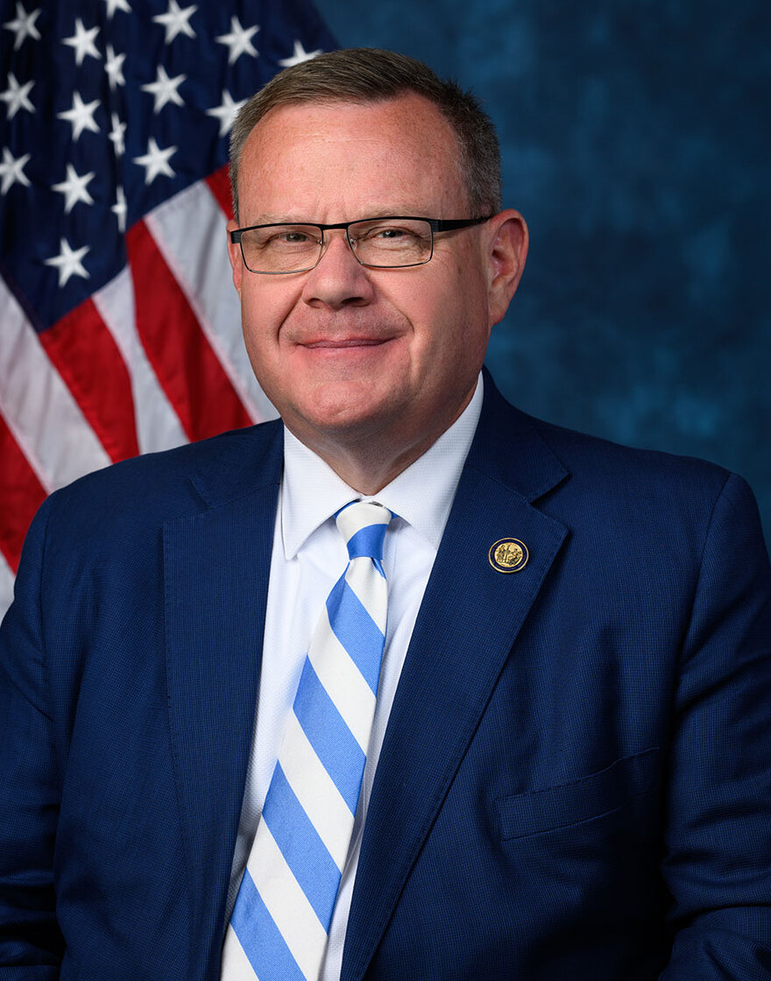
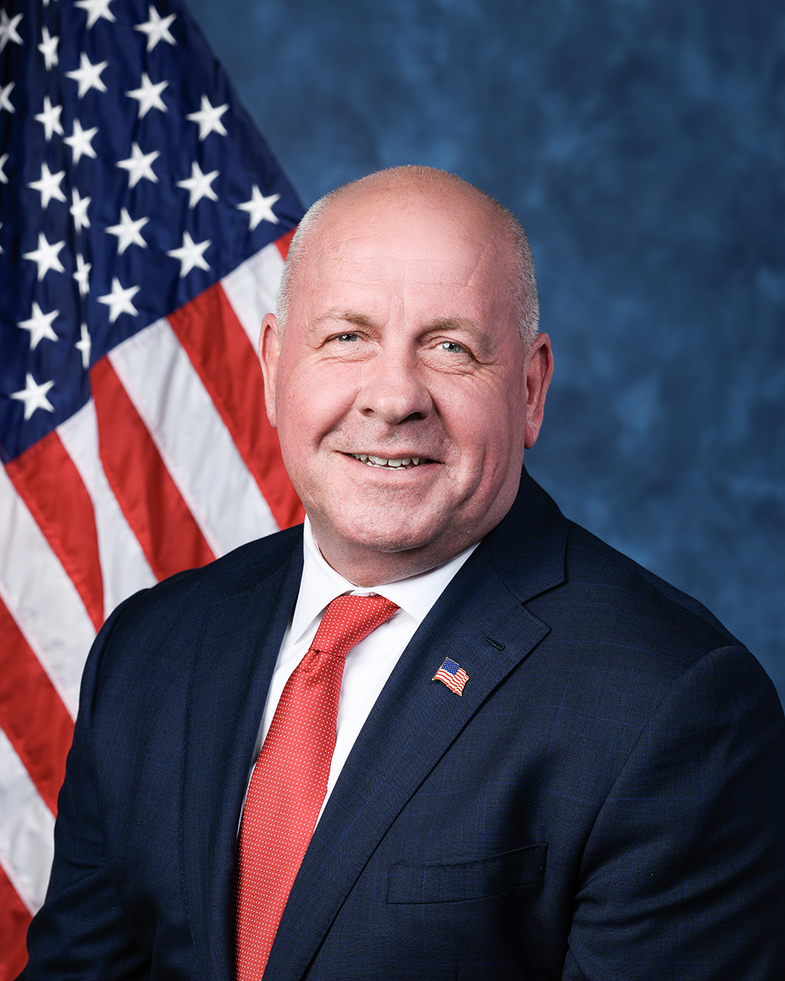
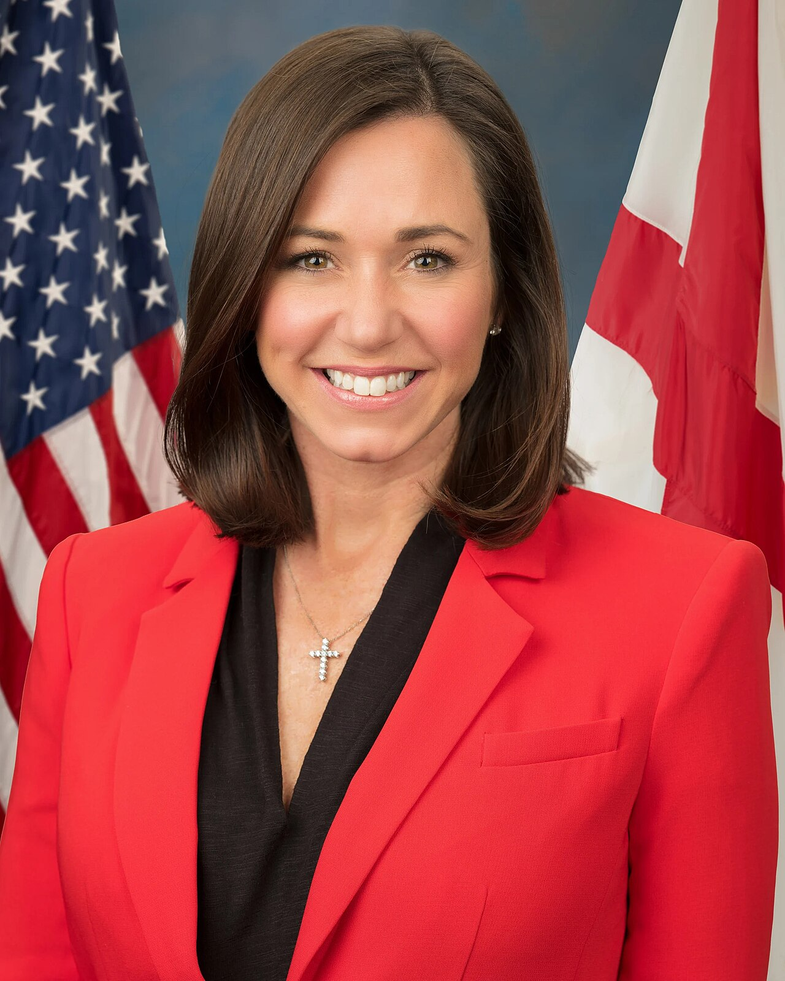
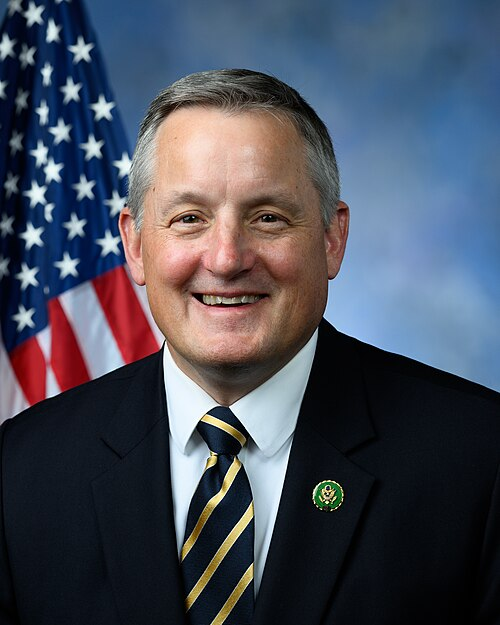
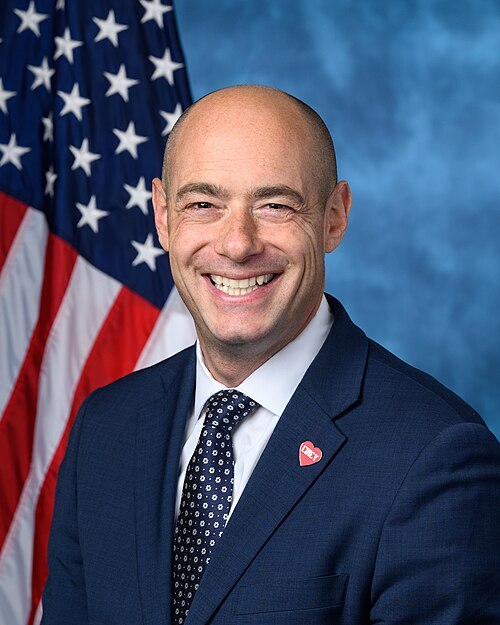
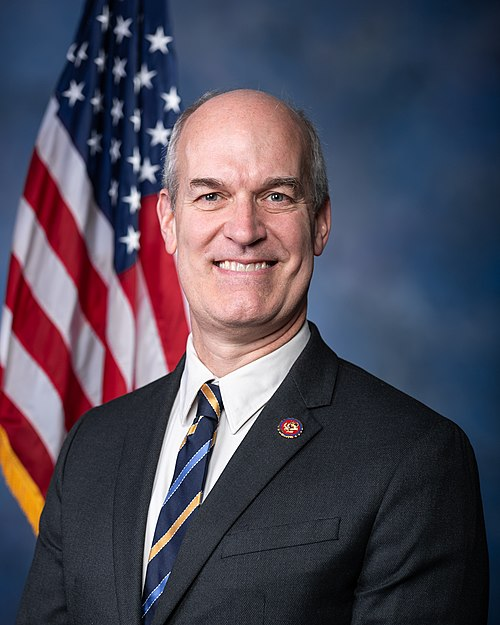
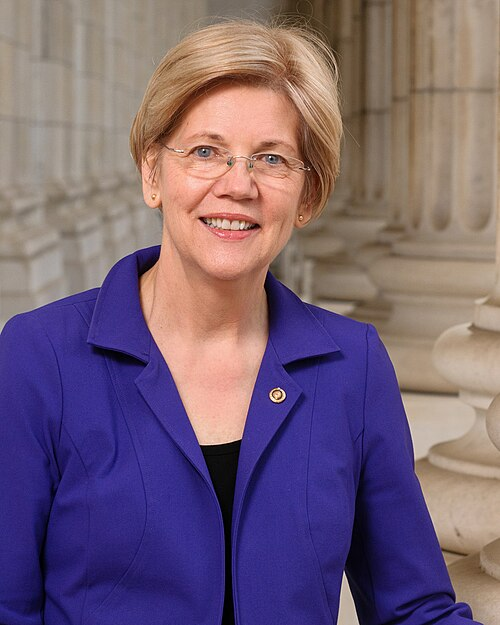
4 bill sponsors


Actions
2 actions
| Date | Action |
|---|---|
| May. 13, 2026 | Introduced in Senate |
| May. 13, 2026 | Read twice and referred to the Committee on the Judiciary. |
Corporate Lobbying
0 companies lobbying
None found.
* Note that there can be significant delays in lobbying disclosures, and our data may be incomplete.