S. 4429: Connected Vehicle Security Act of 2026
This bill, called the Connected Vehicle Security Act of 2026, aims to enhance national security by restricting the entry of connected vehicles and related software and hardware from certain foreign countries deemed adversaries. Here’s a breakdown of what the bill entails:
Key Objectives
- The primary goal is to prohibit the import, manufacture, sale, resale, or introduction into the U.S. marketplace of connected vehicles, software, and hardware that originate from or are associated with certain foreign countries considered adversaries, notably China, Iran, North Korea, and Russia.
- This legislation is concerned about the potential economic and national security risks posed by foreign adversaries, particularly in the realm of advanced automotive technology which incorporates data transmission capabilities.
Prohibited Activities
| Activity | Effective Date | Details |
|---|---|---|
| Importation of Connected Vehicles | January 1, 2027 | Prohibits vehicles originating from or designed within covered countries. |
| Integration of Covered Software | January 1, 2027 | Bans the integration of software from covered countries into any connected vehicle sold or imported in the U.S. |
| Manufacture of Connected Vehicle Hardware | January 1, 2030 | Prohibits the manufacture or entry of hardware from or related to covered countries. |
Definitions
The bill includes definitions for key terms such as:
- Connected Vehicle: A vehicle that has capabilities to communicate with other vehicles, devices, or networks.
- Covered Software: Software components that are designed for use in connected vehicles, including any AI-related components that assist driving functions.
- Connected Vehicle Hardware: Includes both the physical systems that support connectivity and their embedded software.
Oversight and Penalties
- The Secretary of Commerce is tasked with enforcing the prohibitions outlined in the bill and has the authority to assess substantial civil penalties for violations, which could be up to $1.5 million or five times the value of the transaction involved.
- There are provisions for filing petitions for review and consultations regarding whether specific transactions are prohibited under the law.
Exceptions
- There are exceptions allowing some transactions for the purposes of testing and evaluation provided the parties involved are not predominantly controlled by entities from covered countries.
- Connected vehicle hardware can still be imported if it is for repairs or warranties related to vehicles produced before 2030.
Inter Agency Coordination and Reporting
- The bill includes provisions for collaboration with other governmental bodies like the Department of Transportation and the Federal Communications Commission to ensure alignment and avoid conflict in regulations.
- Annual reports to Congress are mandated to assess the effectiveness of the regulations in mitigating the risks posed by connected vehicles.
Relevant Companies
- Ford Motor Company (F) - As a major American automaker, Ford could be impacted if it sources software or components from covered countries or has joint ventures with companies from such countries.
- Stellantis N.V. (STLA) - Another significant player subject to the bill's regulations due to global operations that may necessitate scrutiny on supply chains linked to software or hardware from covered adversaries.
- Toyota Motor Corporation (TM) - This company may face challenges if it engages with contractors in covered countries for vehicle-related technology.
This is an AI-generated summary of the bill text. There may be mistakes.
Sponsors
41 bill sponsors
-
TrackBernie Moreno
Sponsor
-
TrackAlan Armstrong

Co-Sponsor
-
TrackTammy Baldwin

Co-Sponsor
-
TrackJim Banks
Co-Sponsor
-
TrackJohn Barrasso
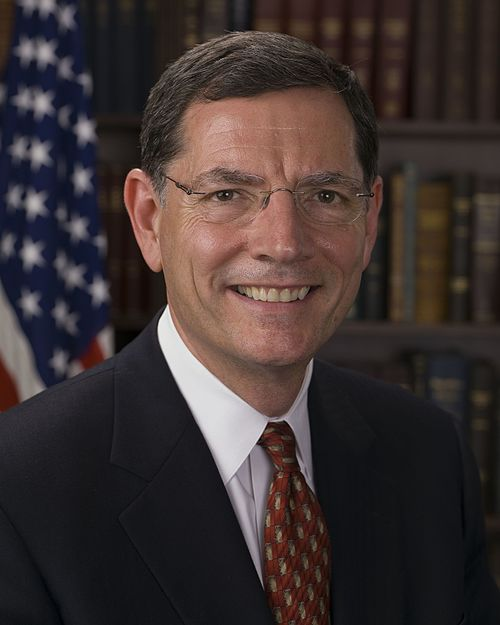
Co-Sponsor
-
TrackMarsha Blackburn

Co-Sponsor
-
TrackTed Budd
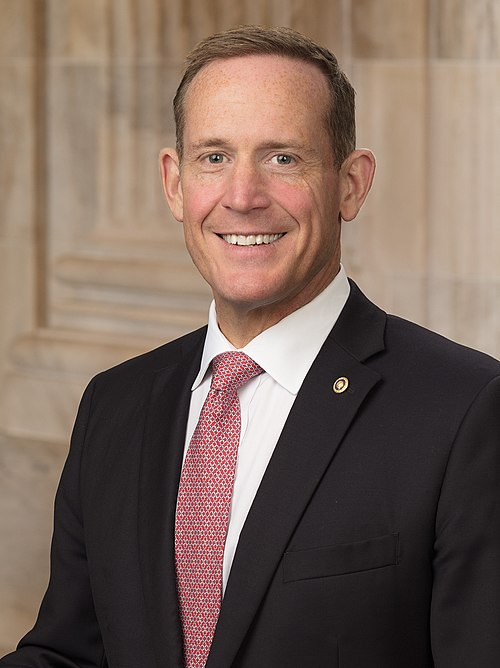
Co-Sponsor
-
TrackShelley Moore Capito
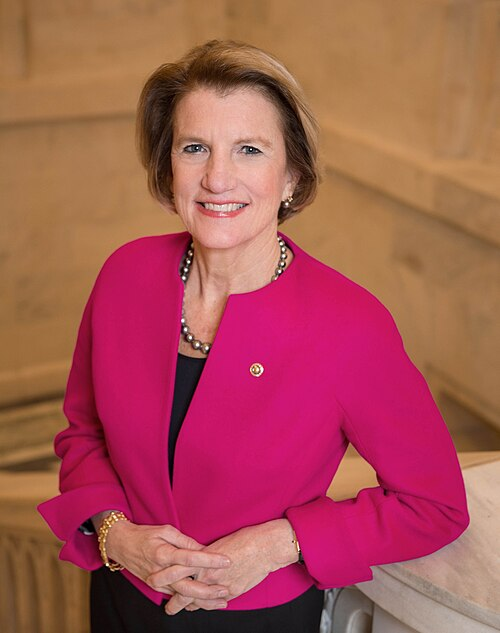
Co-Sponsor
-
TrackSusan M. Collins

Co-Sponsor
-
TrackJohn Cornyn
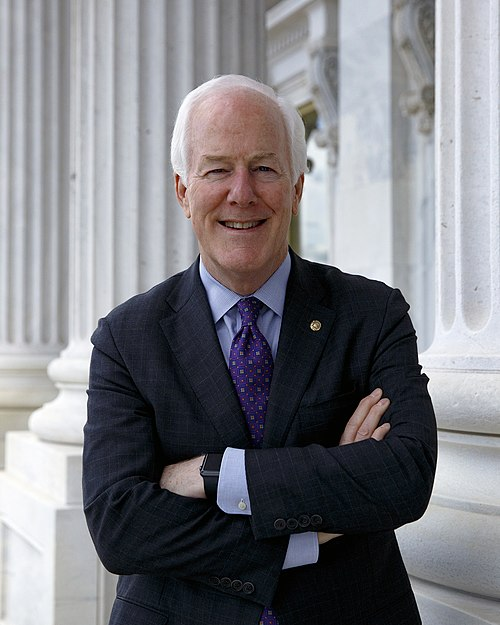
Co-Sponsor
-
TrackTom Cotton
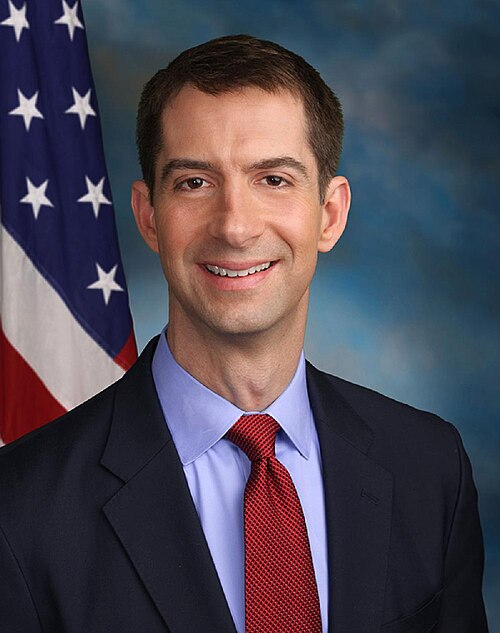
Co-Sponsor
-
TrackKevin Cramer
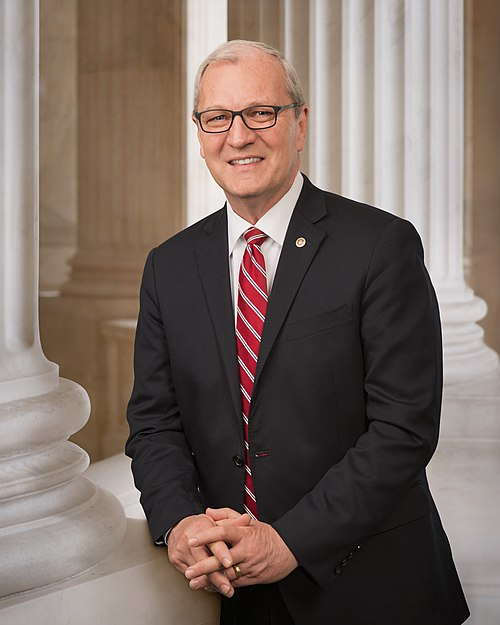
Co-Sponsor
-
TrackJohn R. Curtis
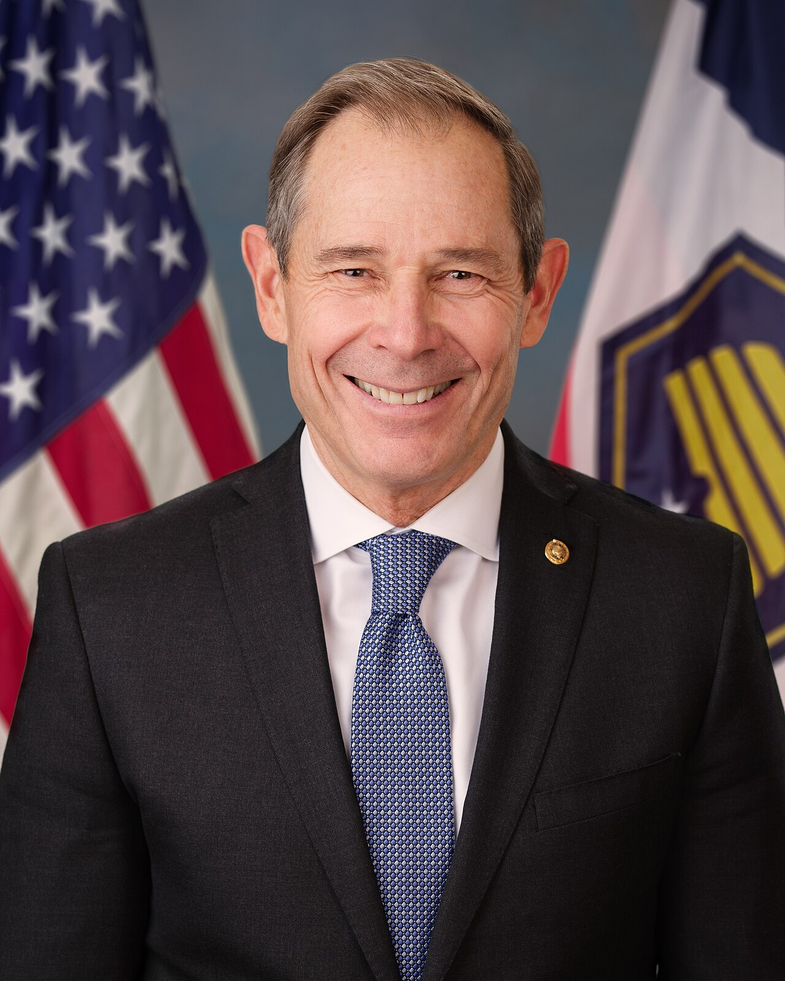
Co-Sponsor
-
TrackJoni Ernst

Co-Sponsor
-
TrackDeb Fischer
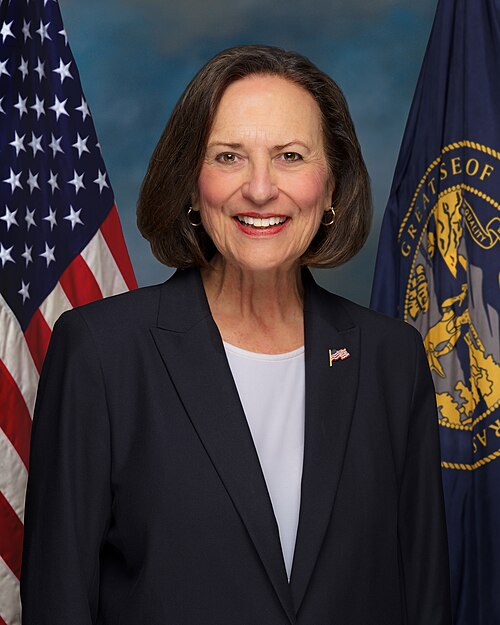
Co-Sponsor
-
TrackRuben Gallego
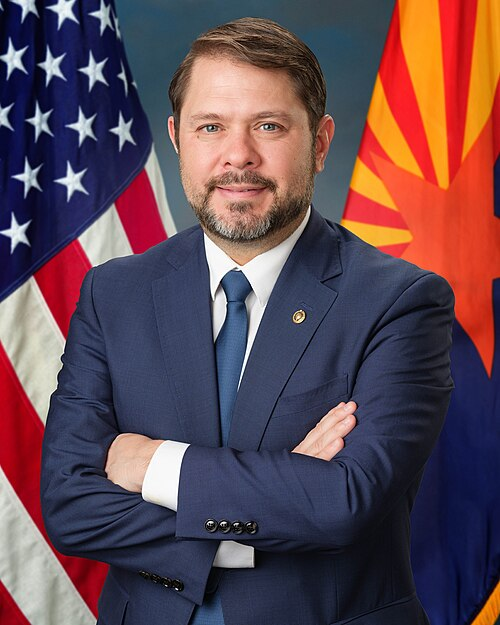
Co-Sponsor
-
TrackMargaret Wood Hassan
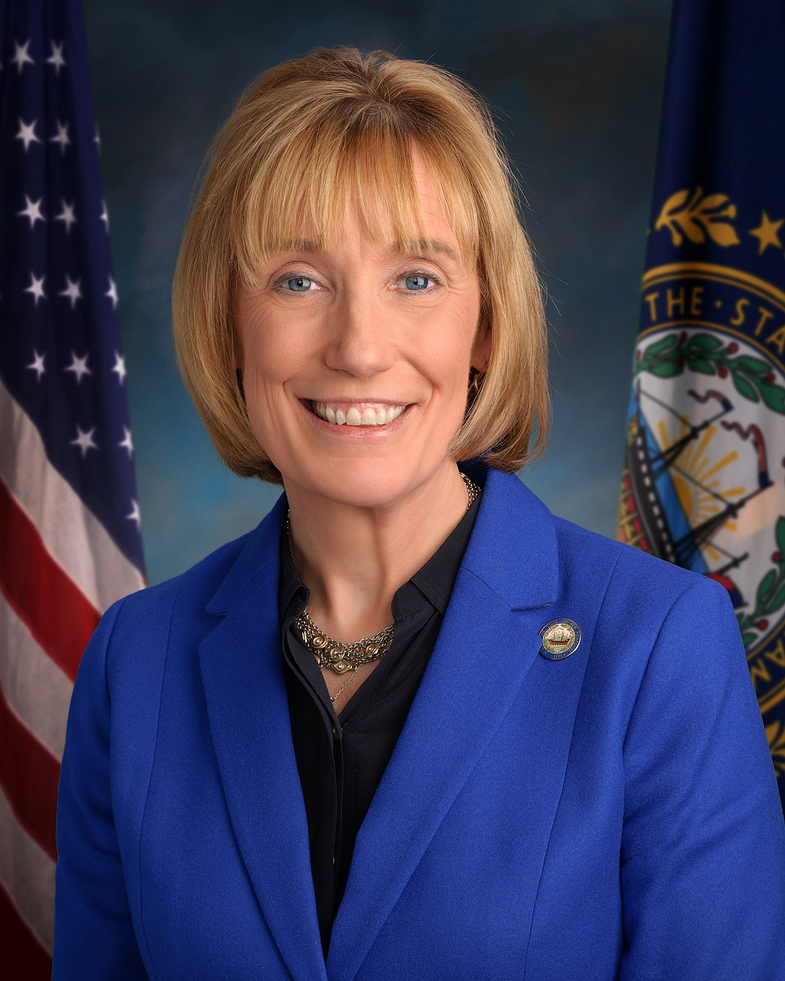
Co-Sponsor
-
TrackJosh Hawley
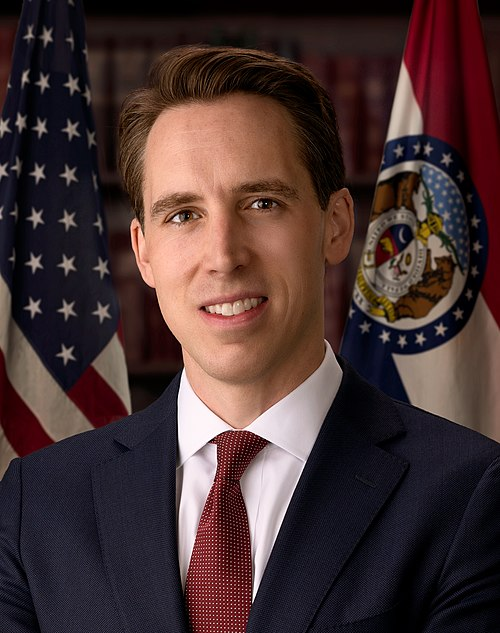
Co-Sponsor
-
TrackMartin Heinrich

Co-Sponsor
-
TrackJohn W. Hickenlooper

Co-Sponsor
-
TrackJon Husted
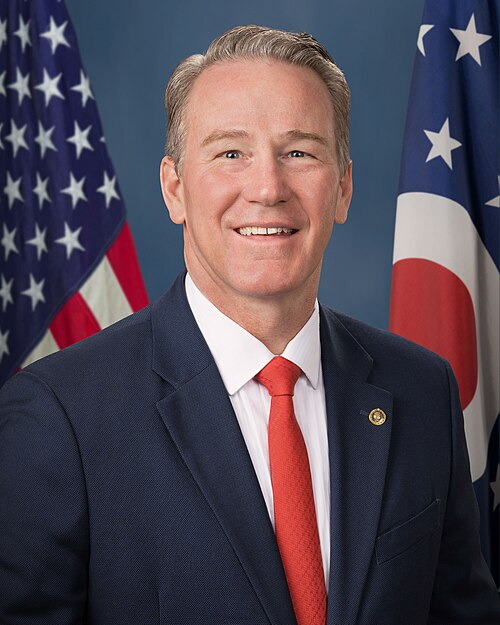
Co-Sponsor
-
TrackCindy Hyde-Smith
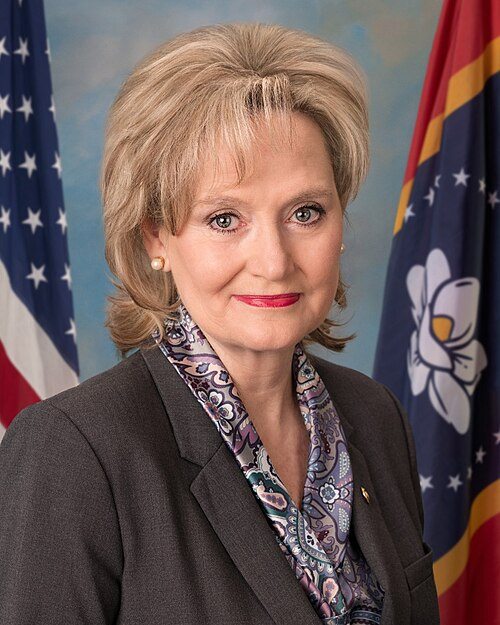
Co-Sponsor
-
TrackJames C. Justice
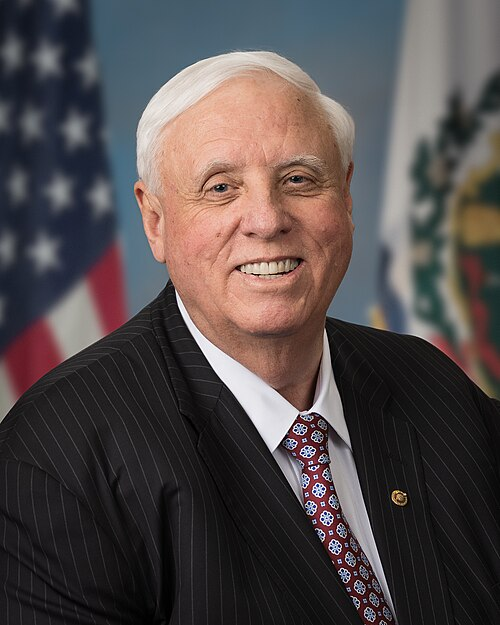
Co-Sponsor
-
TrackMark Kelly
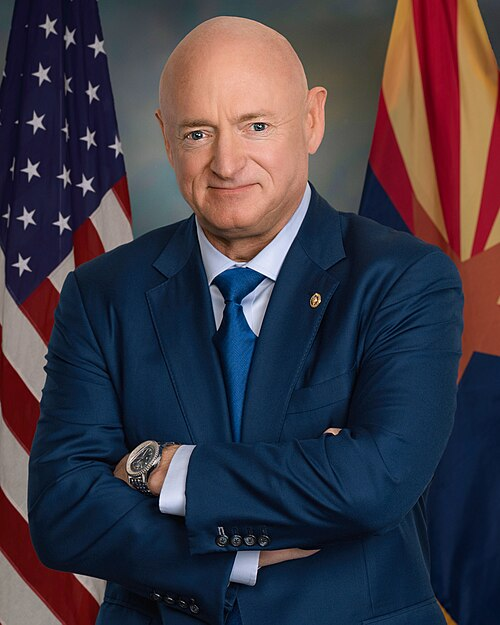
Co-Sponsor
-
TrackCynthia M. Lummis
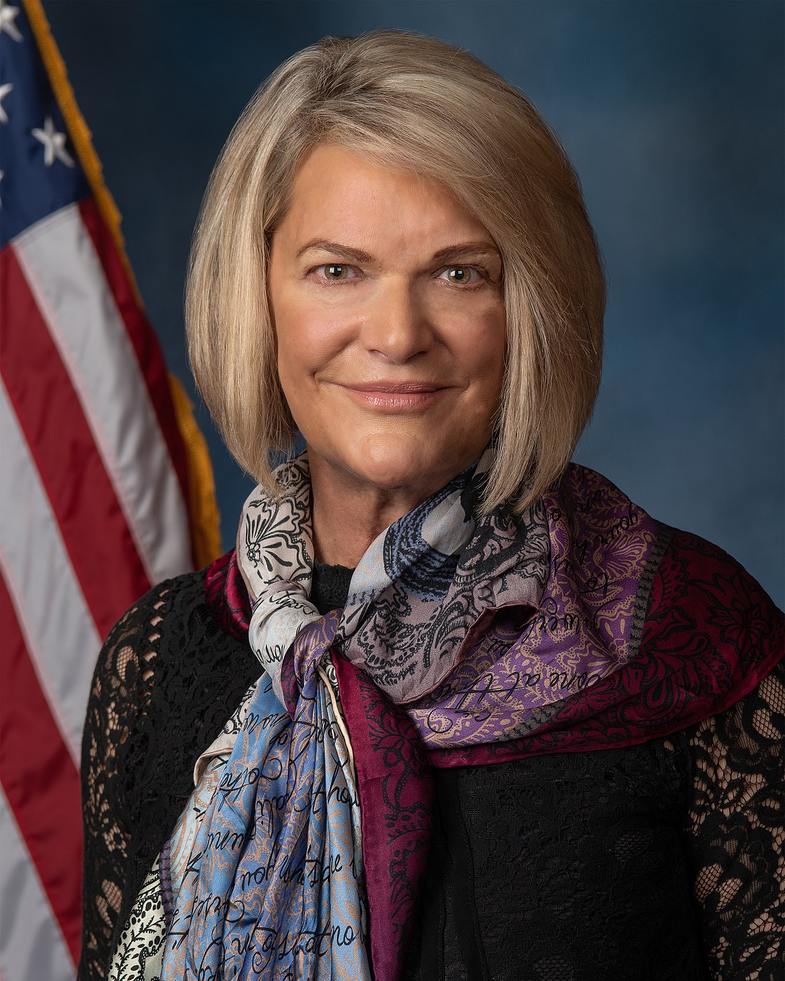
Co-Sponsor
-
TrackRoger Marshall
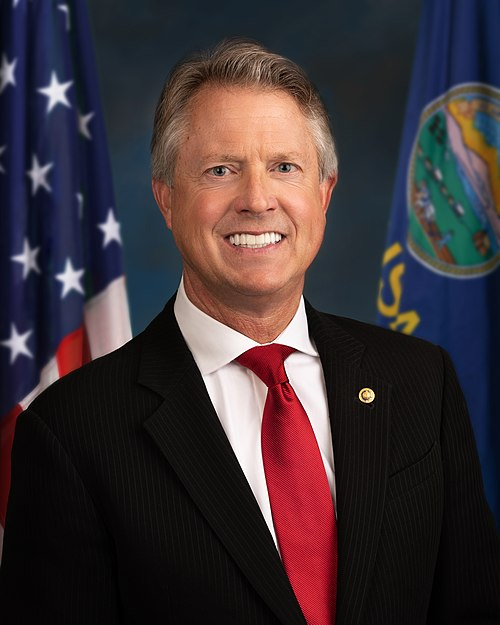
Co-Sponsor
-
TrackDavid McCormick
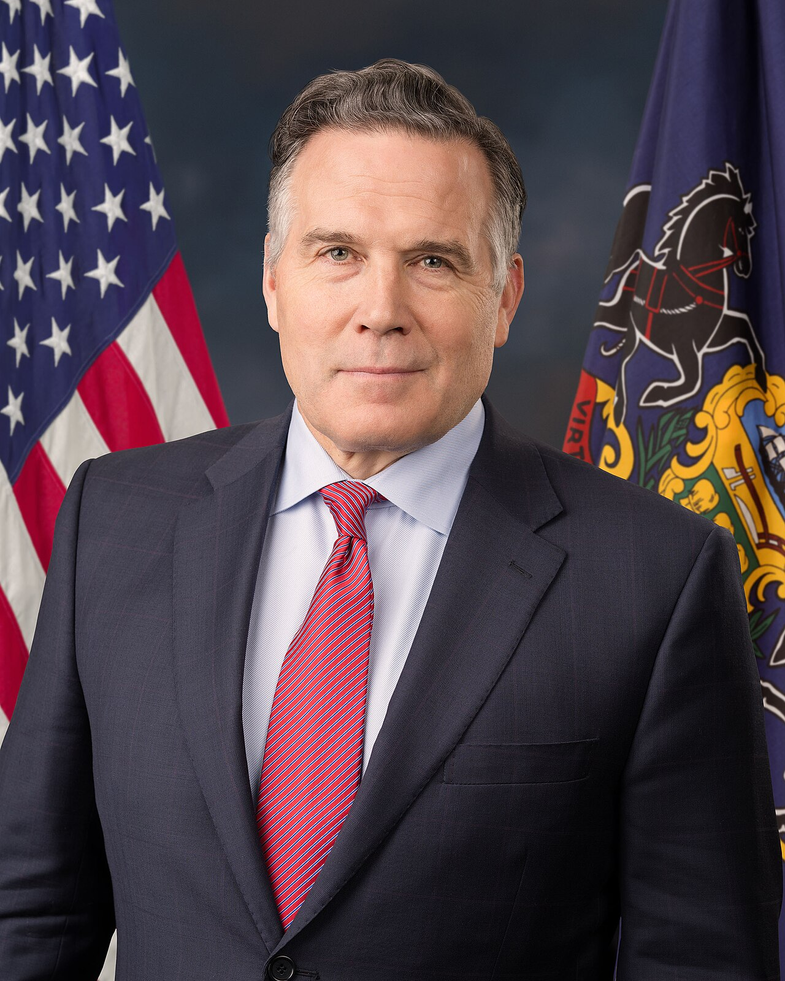
Co-Sponsor
-
TrackAshley Moody
Co-Sponsor
-
TrackJerry Moran
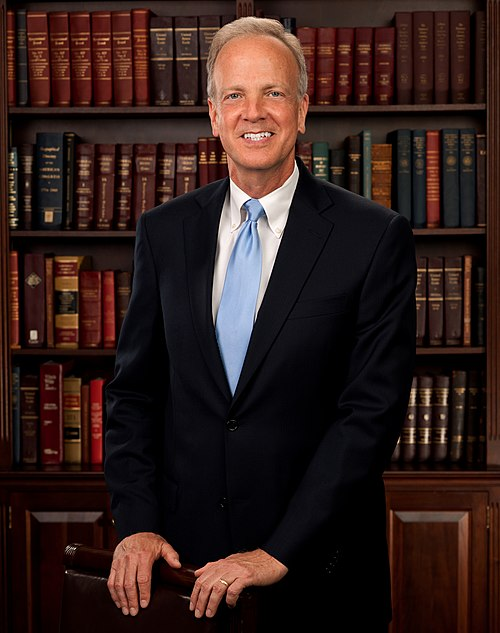
Co-Sponsor
-
TrackAlex Padilla
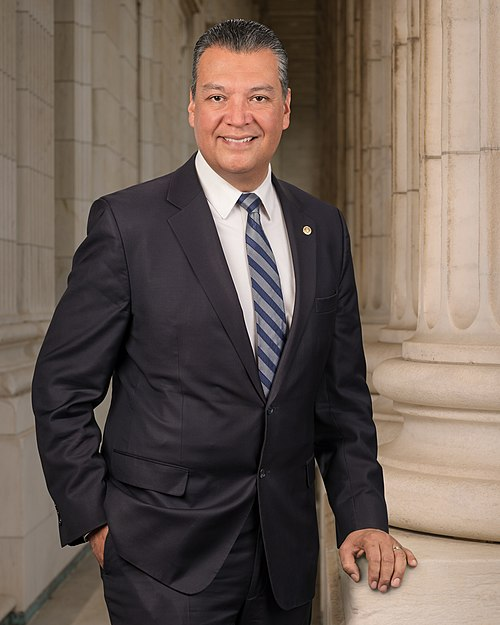
Co-Sponsor
-
TrackGary C. Peters
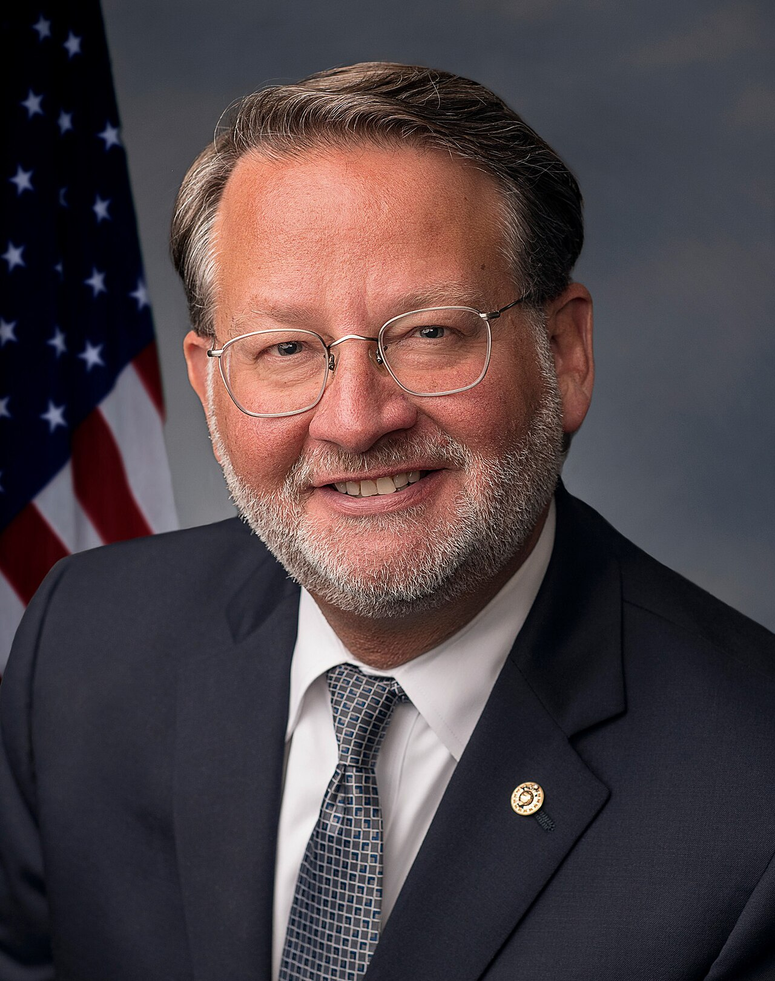
Co-Sponsor
-
TrackPete Ricketts
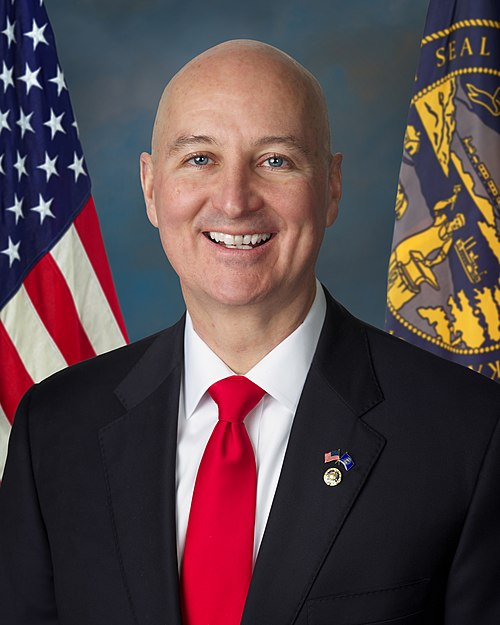
Co-Sponsor
-
TrackJacky Rosen

Co-Sponsor
-
TrackEric Schmitt
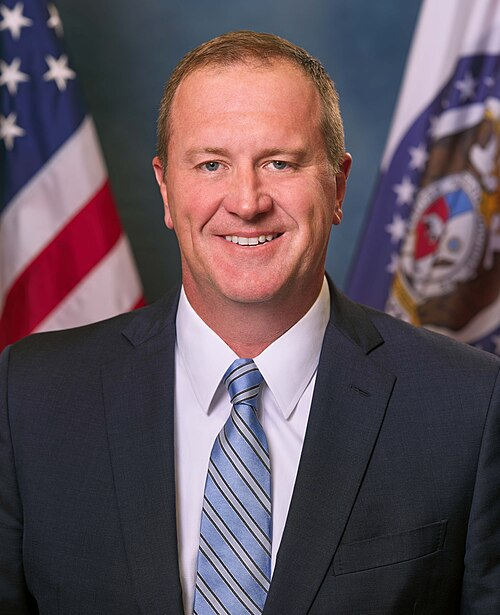
Co-Sponsor
-
TrackCharles E. Schumer
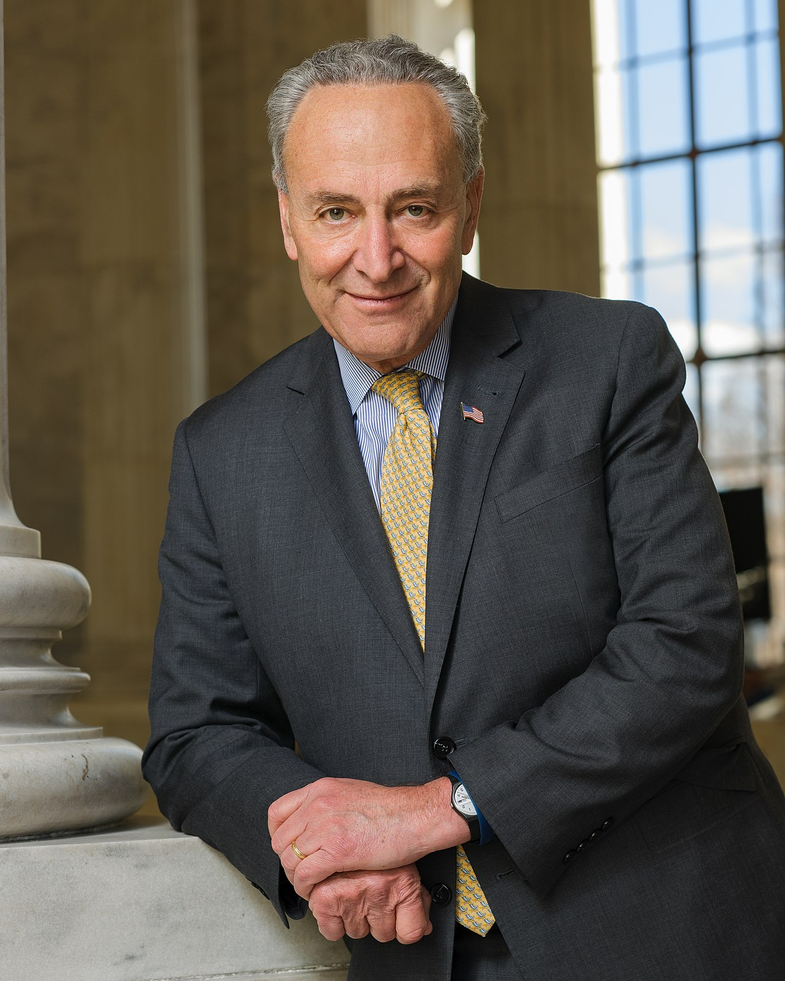
Co-Sponsor
-
TrackRick Scott
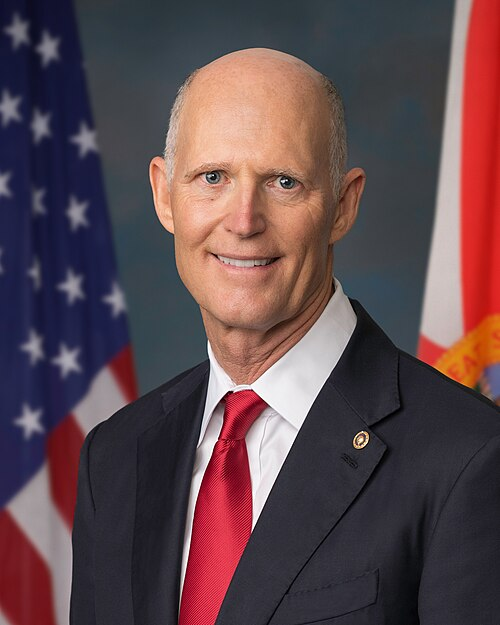
Co-Sponsor
-
TrackJeanne Shaheen
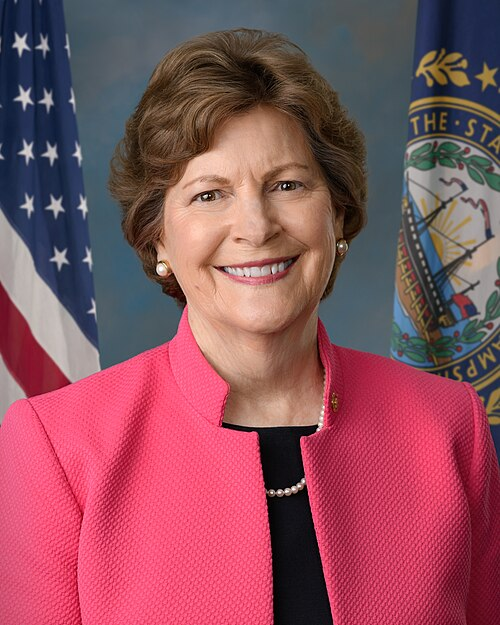
Co-Sponsor
-
TrackTim Sheehy

Co-Sponsor
-
TrackElissa Slotkin

Co-Sponsor
-
TrackDan Sullivan
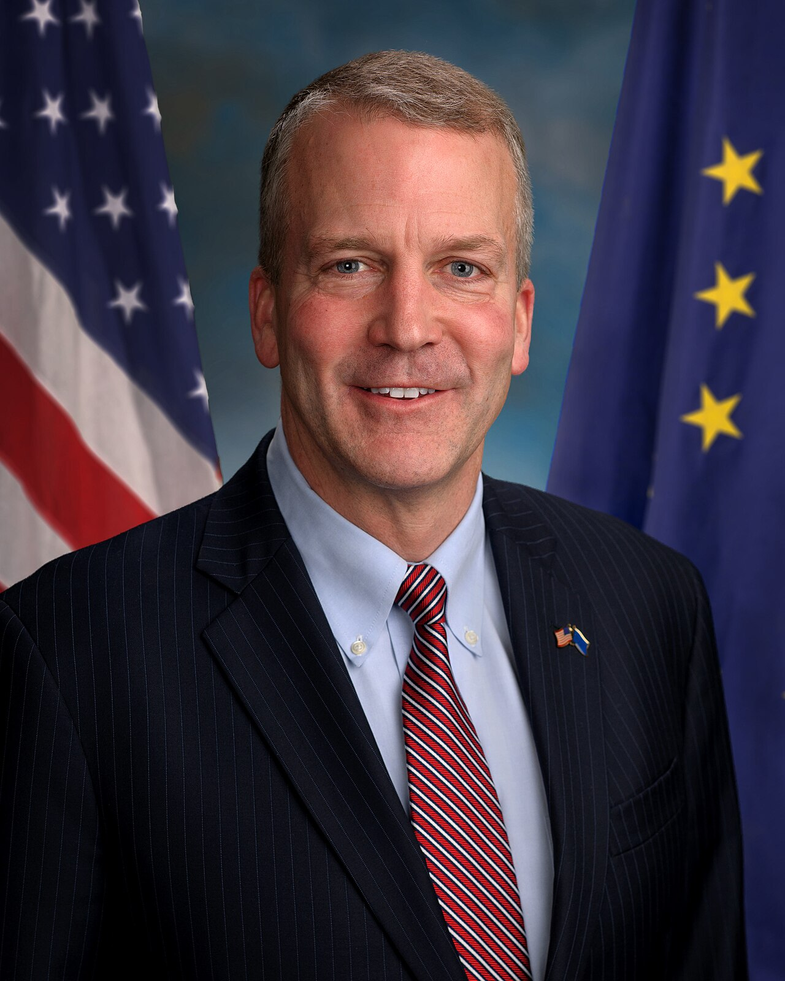
Co-Sponsor
-
TrackTommy Tuberville
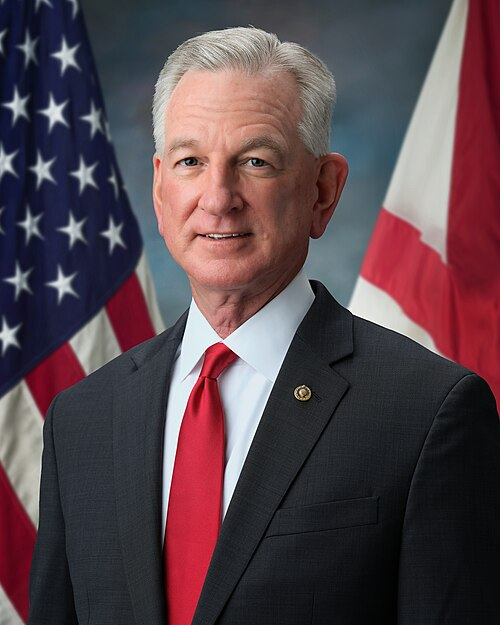
Co-Sponsor
Actions
3 actions
| Date | Action |
|---|---|
| Jul. 22, 2026 | Committee on Commerce, Science, and Transportation. Ordered to be reported with an amendment in the nature of a substitute favorably. |
| Apr. 29, 2026 | Introduced in Senate |
| Apr. 29, 2026 | Read twice and referred to the Committee on Commerce, Science, and Transportation. |
Corporate Lobbying
0 companies lobbying
None found.
* Note that there can be significant delays in lobbying disclosures, and our data may be incomplete.