S. 4406: Next-Generation Geothermal Research and Development Act
This bill, known as the Next-Generation Geothermal Research and Development Act, aims to enhance research, development, and commercialization of advanced geothermal energy systems in the United States. Key components of the bill include:
Definitions and Terminology
The bill introduces new terms related to geothermal energy:
- Closed-loop geothermal systems: These are systems consisting of wellbores filled with fluid that gets heated as it comes into contact with the borehole wall.
- Next-generation geothermal systems: This includes enhanced geothermal systems and closed-loop systems that operate under supercritical conditions, referring to the state of primary fluid above specific temperature thresholds.
Research and Development Initiatives
The bill directs the Secretary of Energy to support various geothermal research activities, particularly focusing on the following areas:
- Use of advanced tools, including machine learning, to assist in geologic studies and project development.
- Support for the development of supercritical geothermal systems through research programs.
- Establishment of a Next-Generation Research and Development Program to facilitate testing and commercial applications.
Data Collection and Accessibility
The bill emphasizes the importance of data sharing and subsurface data availability to improve geothermal energy analysis. This includes:
- Creating repositories for geothermal drilling information and other relevant subsurface data.
- Regular updates to ensure the standardization, accessibility, and usability of geothermal data.
Collaboration Across Departments
The bill mandates the Secretary to collaborate with other federal departments and agencies to share data related to geothermal resources, mining, and other energy projects. This cooperation aims to provide comprehensive insights into geothermal development.
Grants and Funding
The legislation proposes various funding mechanisms, including:
- Milestone-based grants: For projects focusing on deep drilling activities in unique geological settings.
- Commercial-readiness innovation grants: To support innovative technologies in geothermal systems to enhance performance and reduce costs.
- Surface facility innovation grants: For development in operational design and efficiency of geothermal facilities.
Assessment and Reporting Requirements
The bill requires ongoing assessments of geothermal resources, including:
- Updated evaluations of geothermal system potential across the United States.
- Periodic reports on water usage related to next-generation geothermal systems.
Centers of Excellence
The bill establishes guidelines for the creation of centers dedicated to next-generation geothermal research. These centers will:
- Facilitate collaboration between national laboratories, universities, and industry.
- Encourage innovation and workforce development in the geothermal sector.
Authorization of Appropriations
The legislation authorizes funding for the aforementioned initiatives, with a particular allocation of $5 million per fiscal year from 2027 to 2031 to support geothermal research and development activities.
Relevant Companies
- ORCL: Oracle Corporation may be involved in providing data management and machine learning technologies for research efforts related to geothermal systems.
- SLB: Schlumberger Limited may be impacted as they provide technology and services for energy markets, potentially expanding into enhanced geothermal systems.
- GE: General Electric may benefit from the development of advanced technologies and equipment tailored for geothermal energy applications.
This is an AI-generated summary of the bill text. There may be mistakes.
Sponsors
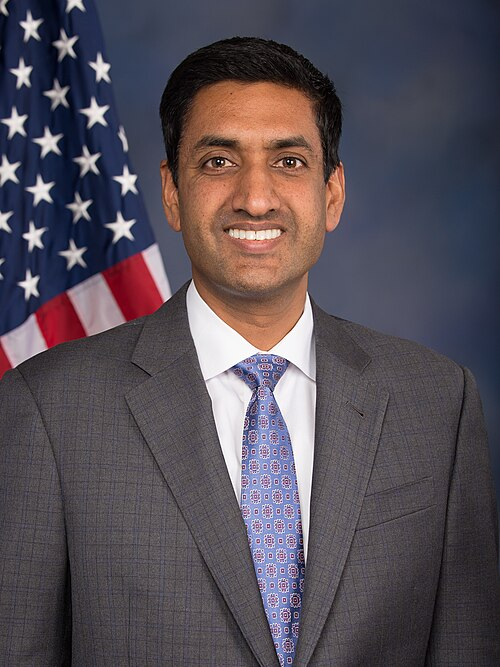
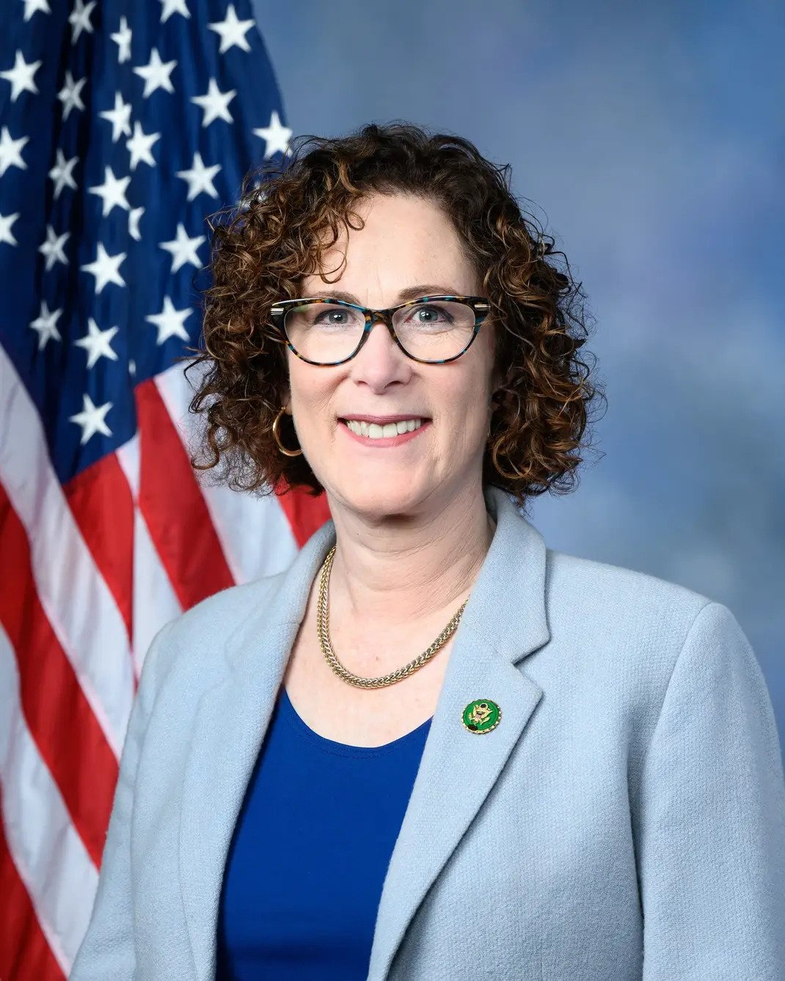
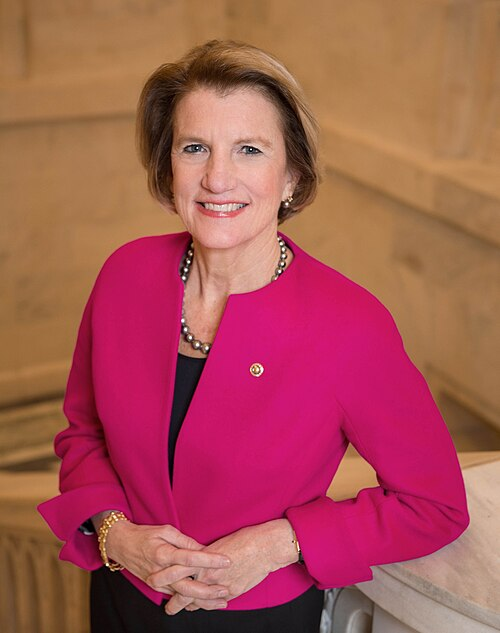
2 bill sponsors


Actions
2 actions
| Date | Action |
|---|---|
| Apr. 28, 2026 | Introduced in Senate |
| Apr. 28, 2026 | Read twice and referred to the Committee on Energy and Natural Resources. |
Corporate Lobbying
0 companies lobbying
None found.
* Note that there can be significant delays in lobbying disclosures, and our data may be incomplete.