S. 4392: Energy Security Pacts Act
The Energy Security Pacts Act is legislation aimed at enhancing the energy security and economic stability of the United States and its partner nations. Below are the key features and components of the bill:
Establishment of Energy Security Pacts
The bill allows the U.S. Secretary of State to set up multi-year agreements, known as Energy Security Pacts, with eligible partner countries. These pacts are intended to:
- Improve energy and mineral security.
- Counter economic coercion by diversifying sources of critical minerals and energy.
- Stimulate economic growth in both the U.S. and partner countries.
Funding Provisions
To support these pacts, the Secretary of State is authorized to allocate funds from various sources, including:
- Appropriations for the Department of State and related foreign operations.
- Financial transfers to and from other relevant U.S. government agencies to achieve the goals of the pacts.
Eligible Countries
A country can participate in an Energy Security Pact if it meets certain criteria, including:
- Income levels not exceeding World Bank thresholds.
- Identified as strategically important for the U.S.
- Demonstrating capacity and commitment to implement the pact.
- Not being classified as a country of concern.
Implementation and Oversight
The bill establishes the Office of Energy Security Pacts within the State Department, headed by the Director for Energy Security Pacts. The responsibilities include:
- Administering and coordinating Energy Security Pacts.
- Drafting strategies in consultation with relevant agencies.
- Leading teams for each country involved in a pact.
Requirements for Energy Security Pacts
Each Energy Security Pact must include:
- A well-defined analysis of energy constraints.
- Objectives for improving energy production and access.
- Commitments from both the U.S. and partner countries.
- Regular benchmarks to assess progress.
- Transparency and oversight mechanisms for the use of funds.
Exclusions and Limitations
The bill outlines several key limitations on assistance and funding, including prohibitions against:
- Military assistance to partner countries.
- Funding projects likely to displace U.S. jobs or production.
- Support for projects posing significant environmental or health risks.
Energy Security Pacts Council
The bill establishes an Energy Security Pacts Council to oversee and coordinate the implementation of the pacts. This council will include representatives from various federal agencies, including:
- The Departments of State, Energy, Defense, and Commerce.
- The U.S. International Development Finance Corporation.
- The U.S. Trade Representative.
Evaluation and Reporting
Finally, the bill mandates regular evaluations to assess the effectiveness of the Energy Security Pacts and report the findings to Congress and other relevant bodies.
Relevant Companies
- XOM (ExxonMobil) - May be impacted as it is involved in energy production and could engage in projects under the pacts.
- CVX (Chevron) - Similar to ExxonMobil, it may play a significant role in energy-related agreements and investments with partner countries.
- FCX (Freeport-McMoRan) - As a major copper producer, it may benefit from partnerships on critical minerals under the pacts.
This is an AI-generated summary of the bill text. There may be mistakes.
Sponsors
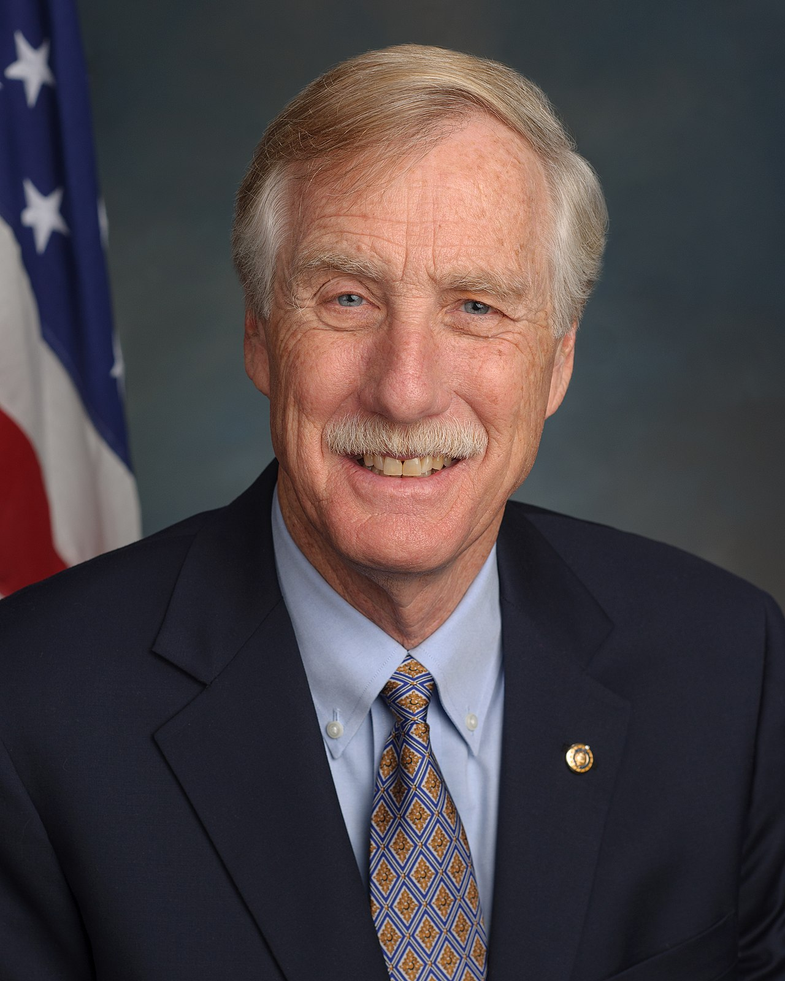
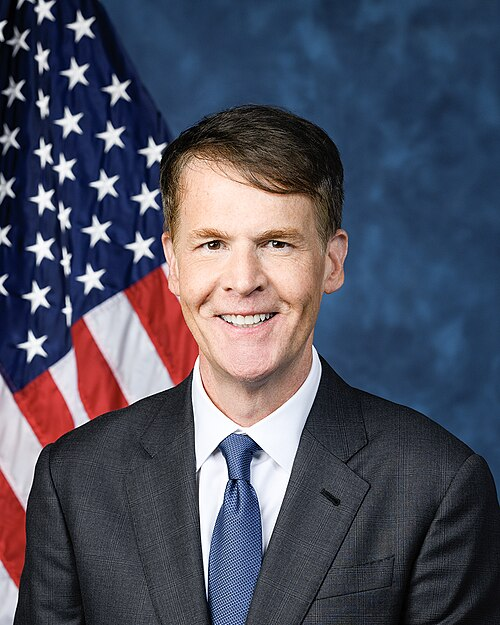
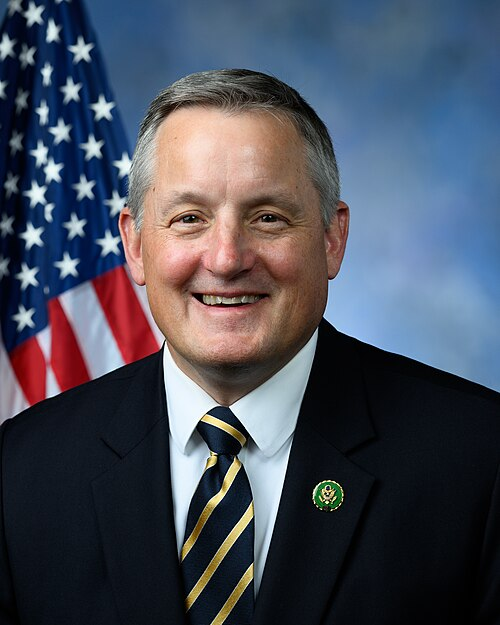
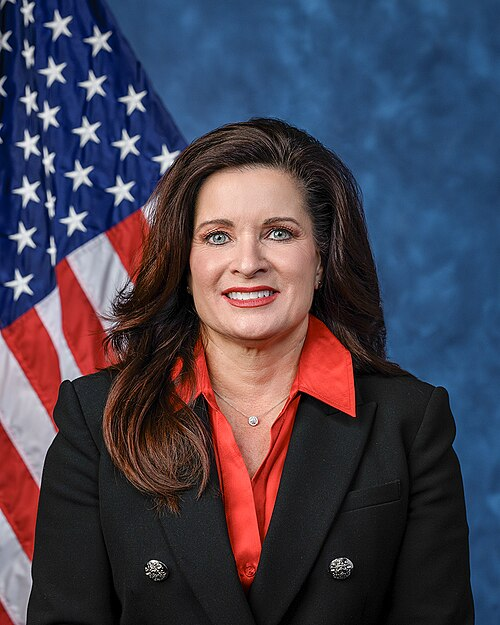
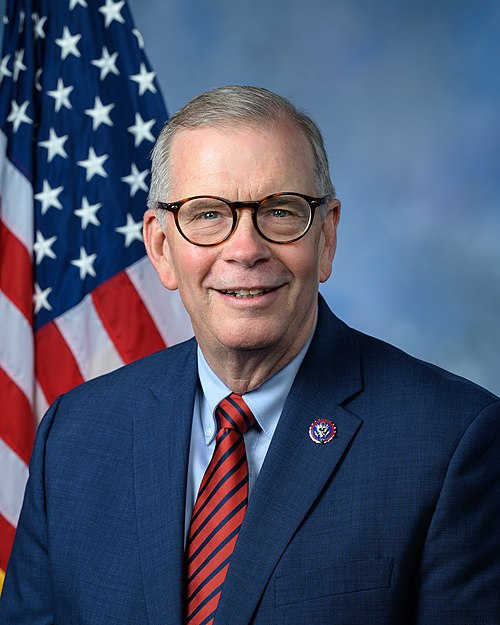
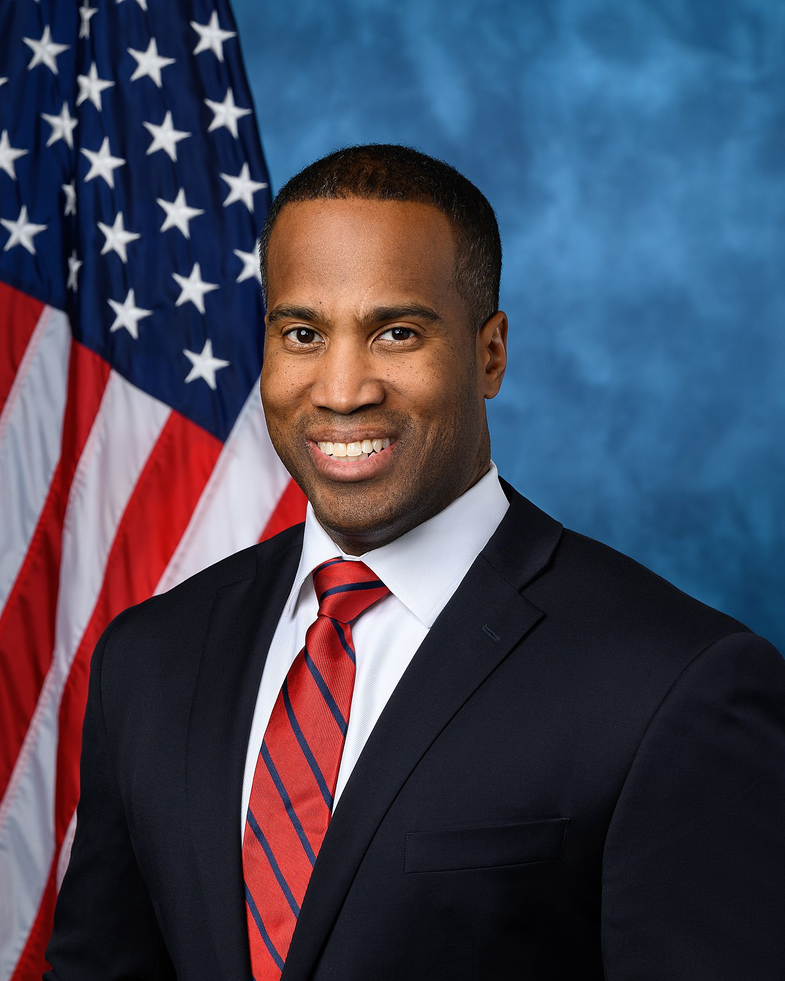
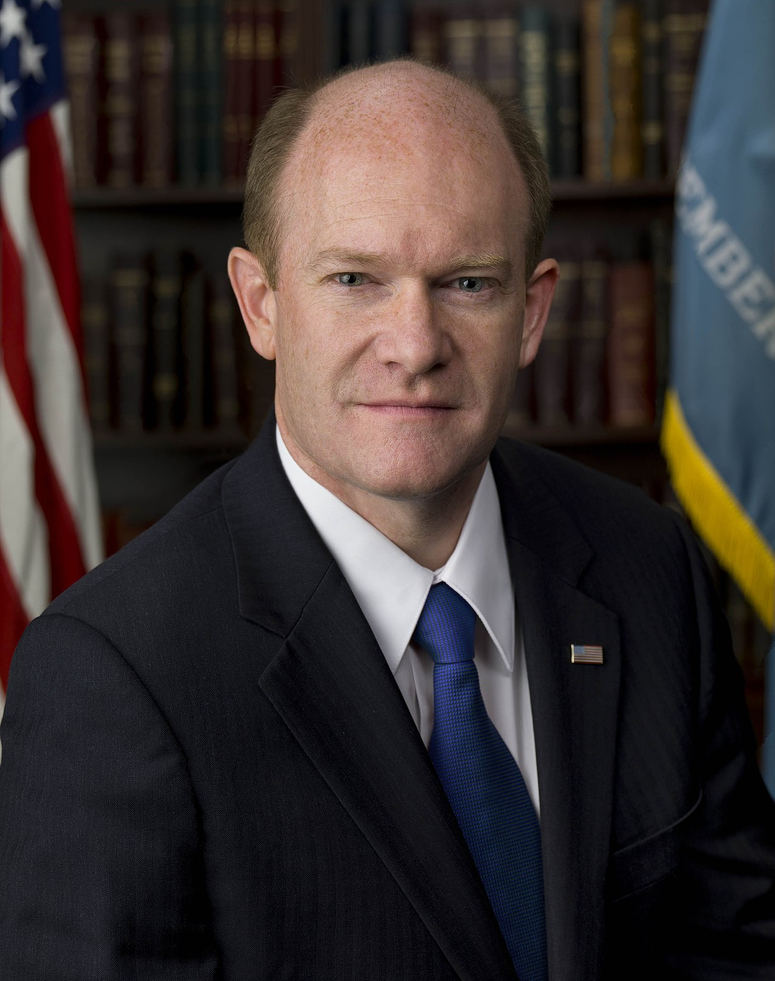
4 bill sponsors



Actions
3 actions
| Date | Action |
|---|---|
| Jun. 17, 2026 | Committee on Foreign Relations. Ordered to be reported with an amendment in the nature of a substitute favorably. |
| Apr. 27, 2026 | Introduced in Senate |
| Apr. 27, 2026 | Read twice and referred to the Committee on Foreign Relations. |
Corporate Lobbying
0 companies lobbying
None found.
* Note that there can be significant delays in lobbying disclosures, and our data may be incomplete.