S. 4373: Fighter Aircrew Career Flexibility Act
This bill, titled the Fighter Aircrew Career Flexibility Act
, seeks to establish a pilot program aimed at retaining experienced Air Force fighter pilots. The primary goal of the program is to reduce early separations from service by offering a career intermission option for active duty fighter aircrew. Here are the main components of the proposed program:
Program Establishment
The Secretary of the Air Force is required to set up the Retention of Experienced Regular Air Force Fighter Aircrew Pilot Program
within one year of the bill’s enactment. This program will allow select fighter aircrew members to take a limited-time career pause and evaluate whether such intermissions lead to improved retention of experienced personnel.
Eligibility for Participation
To participate in this program, individuals must meet certain criteria:
- They must be officers in the active component of the Air Force with specific Air Force Specialty Codes (11F and 12F).
- They need to have completed their initial pilot or navigator training and are not subject to limitations on years of service or rank.
- Eligibility is maintained regardless of certain active duty service commitments.
- Those scheduled for deployment may have their participation limited.
- Wing commanders can restrict participation based on mission requirements.
Entry Process
The approval to enter the program will be delegated to wing commanders. The Air Force is tasked with addressing entry requests within 30 days.
Intermission Details
During the intermission, which can last between 4 months and 1 year, participants will:
- Be placed in the Individual Ready Reserve.
- Be required to undergo inactive service training to maintain their skills and readiness.
- Retain access to various benefits, such as security clearances and base access.
- Continue to reside in government housing if applicable, although they must pay rent during the intermission.
Return to Active Duty
After the intermission, participants will have an expedited onboarding process to return to their duties and will incur an additional service commitment equal to double the length of their intermission. They will also be provisioned orders deemed critical by the Secretary of the Air Force upon return to active duty.
Career Development Protections
The program ensures that participation will not negatively impact a participant’s promotion prospects or career progression opportunities.
Reporting and Evaluation
Within four years post-establishment, the Secretary of the Air Force must report on the program’s effectiveness, detailing participation rates, retention changes, and recommendations for future action regarding the program’s continuation or modification.
Duration of the Pilot Program
The pilot program is set to last five years after its establishment, at which point a decision will be made regarding its future.
Regulatory Requirements
The Secretary of Defense, in consultation with the Secretary of the Air Force, is tasked with creating the necessary regulations for implementing this program within 180 days of the bill’s enactment.
Relevant Companies
None found
This is an AI-generated summary of the bill text. There may be mistakes.
Sponsors
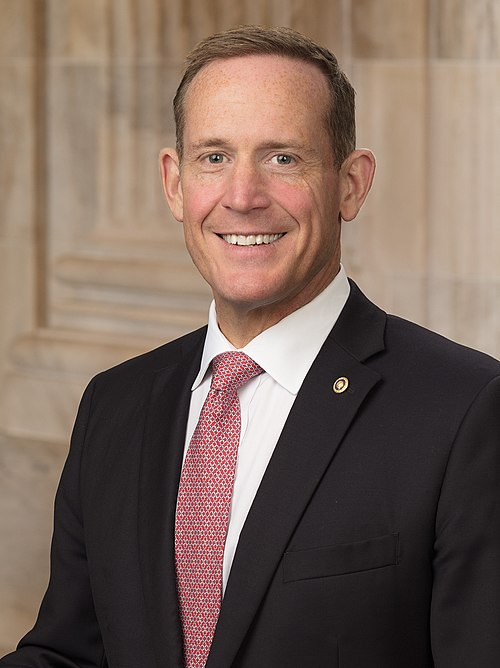
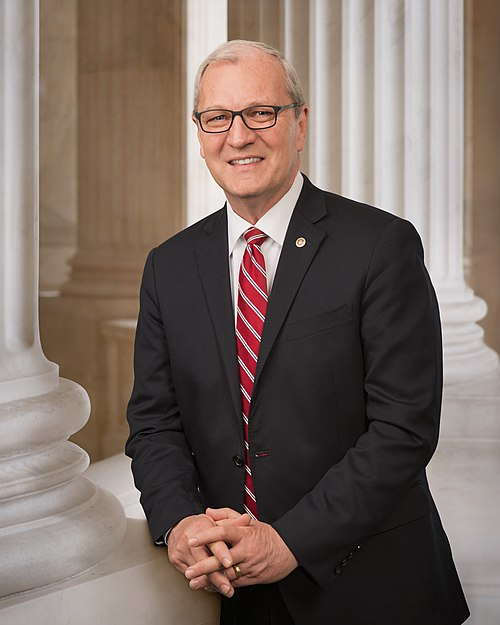
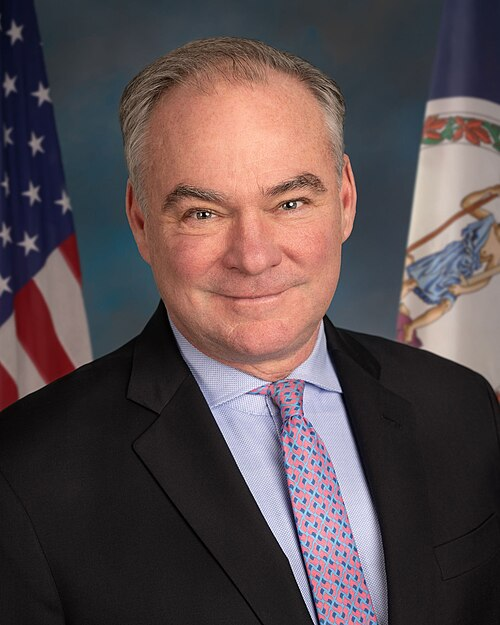
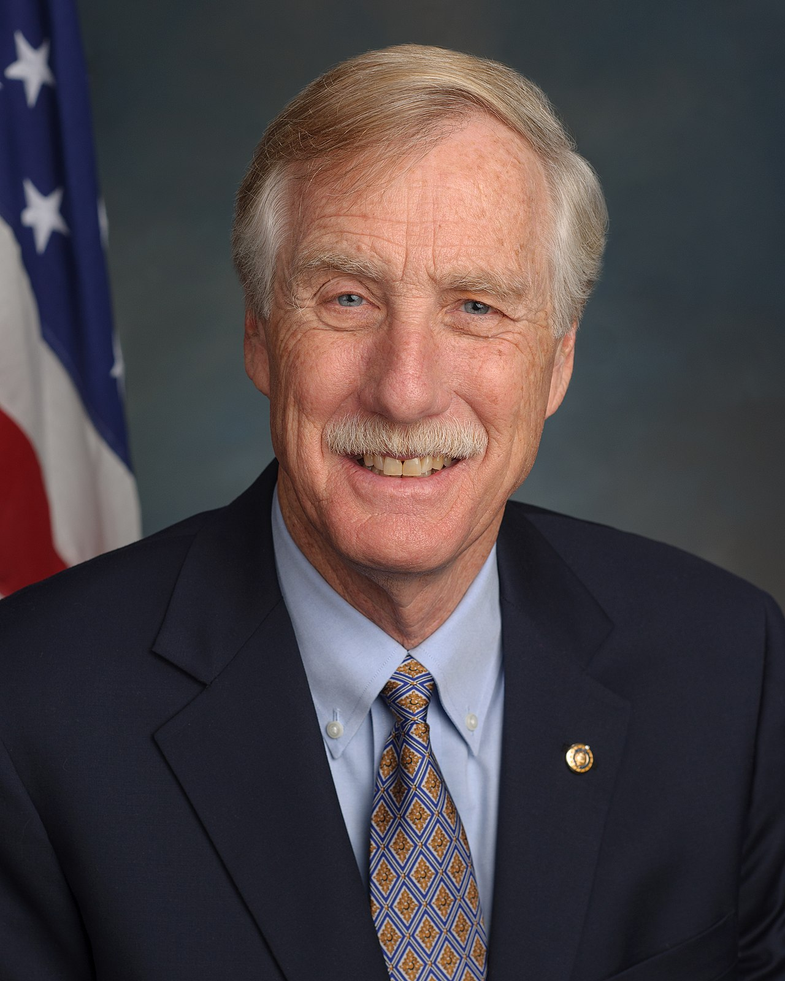
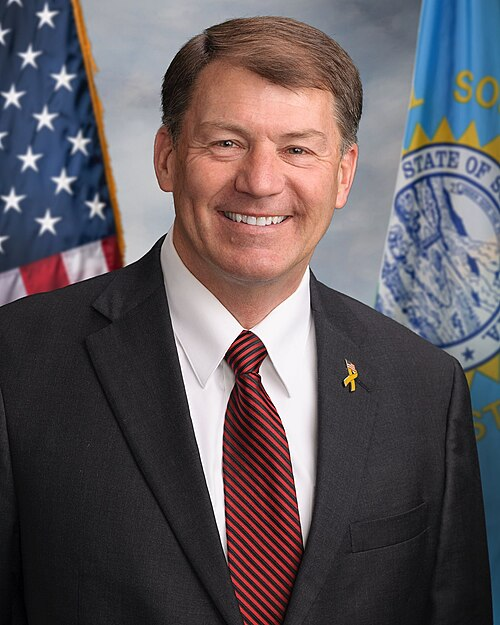
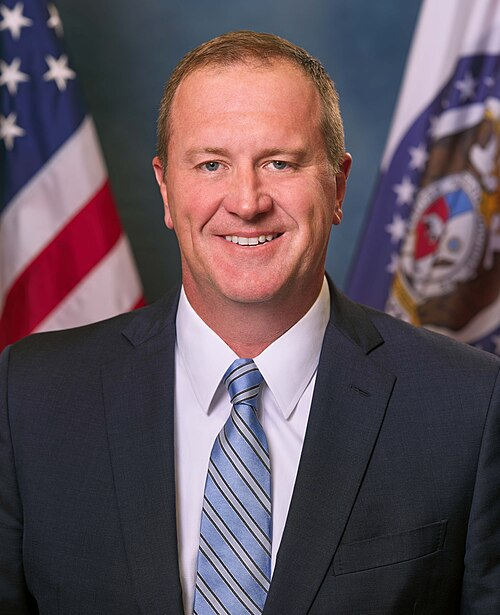
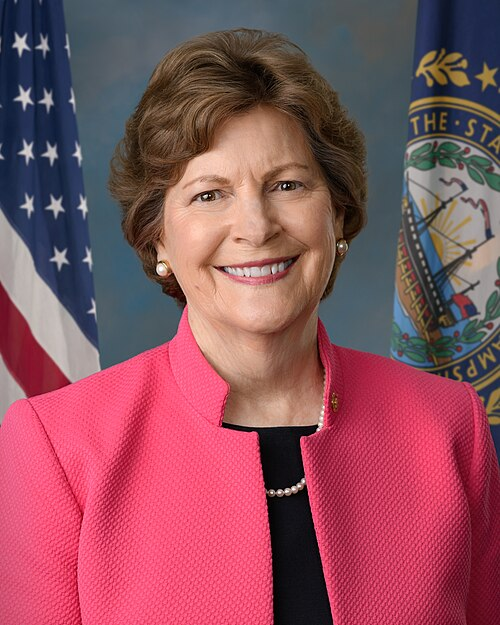
8 bill sponsors

Actions
2 actions
| Date | Action |
|---|---|
| Apr. 22, 2026 | Introduced in Senate |
| Apr. 22, 2026 | Read twice and referred to the Committee on Armed Services. |
Corporate Lobbying
0 companies lobbying
None found.
* Note that there can be significant delays in lobbying disclosures, and our data may be incomplete.
Potentially Relevant Congressional Stock Trades
No relevant congressional stock trades found.