S. 4272: Home Team Act of 2026
The bill, known as the Home Team Act of 2026, aims to keep professional sports franchises in their local communities and addresses the implications of their relocation. It contains several key provisions designed to safeguard local interests when a sports team considers moving or eliminating its franchise.
Findings
The bill states that:
- Professional sports teams significantly impact the economy and culture of their local areas.
- Relocating a franchise can abandon its local community and fan base, which contributed to its success.
- Using public funds for new stadiums due to relocation impacts local governments and taxpayers negatively.
- Building new stadiums to attract franchises can displace local residents without their needs being considered.
- Congress has the authority to regulate interstate commerce, which applies to professional sports franchises.
Prohibition on Ownership Bans and Opportunity to Purchase
The bill prohibits sports leagues from implementing rules that would ban the ownership of a franchise by:
- Government entities or the general public.
- Transferring ownership of a franchise to government entities or the public.
Additionally, franchise owners are not allowed to relocate a team or eliminate the franchise without first offering a fair opportunity to purchase it to specified entities, in order of priority:
- A local government entity or a home community cooperative.
- A nonprofit operating locally or a public-private partnership involving local and state governments.
- A private individual or business based in the community.
Fair Opportunity Requirements
If a franchise owner wishes to move or eliminate the franchise, they must:
- Provide proper notice about the proposed relocation or elimination.
- Offer the franchise for sale at fair market value.
- Accept the highest offer from eligible entities if it meets or exceeds the fair market value determined by professional appraisers.
Appraisal and Enforcement
The Secretary of the Treasury is tasked with establishing a team of appraisers to determine a fair market price for the franchise while deducting any government funds used for the construction of its current stadium. The bill also imposes a civil penalty of $30,000 per day on owners who violate these regulations, allowing local governments to take legal action against franchise owners if necessary.
Collective Bargaining Protection
The bill explicitly states that it does not interfere with employees' rights to engage in collective bargaining or affect existing collective bargaining agreements.
Definitions
Several definitions are provided to clarify the terms used in the bill, including what constitutes a "community," "franchise," "franchise owner," and more. Notably, it specifies that a "community" refers to the metropolitan area where a franchise plays most of its home games.
Relevant Companies
- NFLX - Netflix: As a major broadcaster of sports events, changes in franchise locations could impact their negotiations and streaming rights.
- CMCSA - Comcast: As a provider of sports networks, they might have to adjust their coverage based on local franchise dynamics.
- DIS - Disney: Owner of ESPN, changes in franchises may influence their broadcasting strategy and revenue models.
This is an AI-generated summary of the bill text. There may be mistakes.
Sponsors
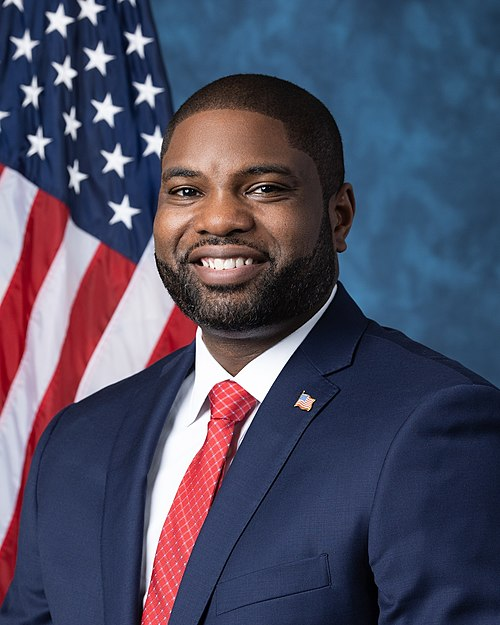
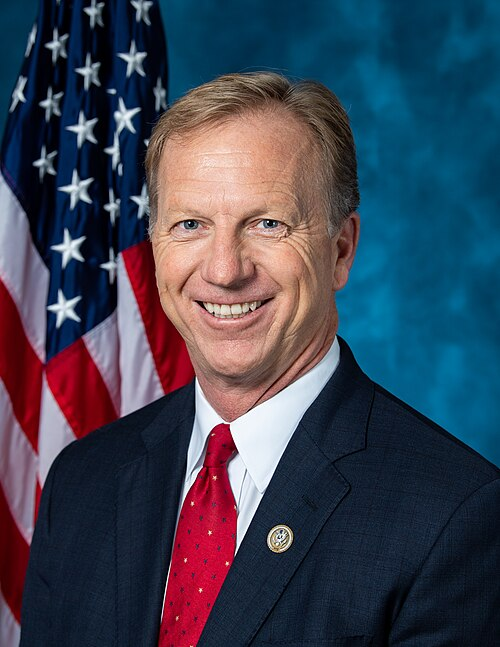
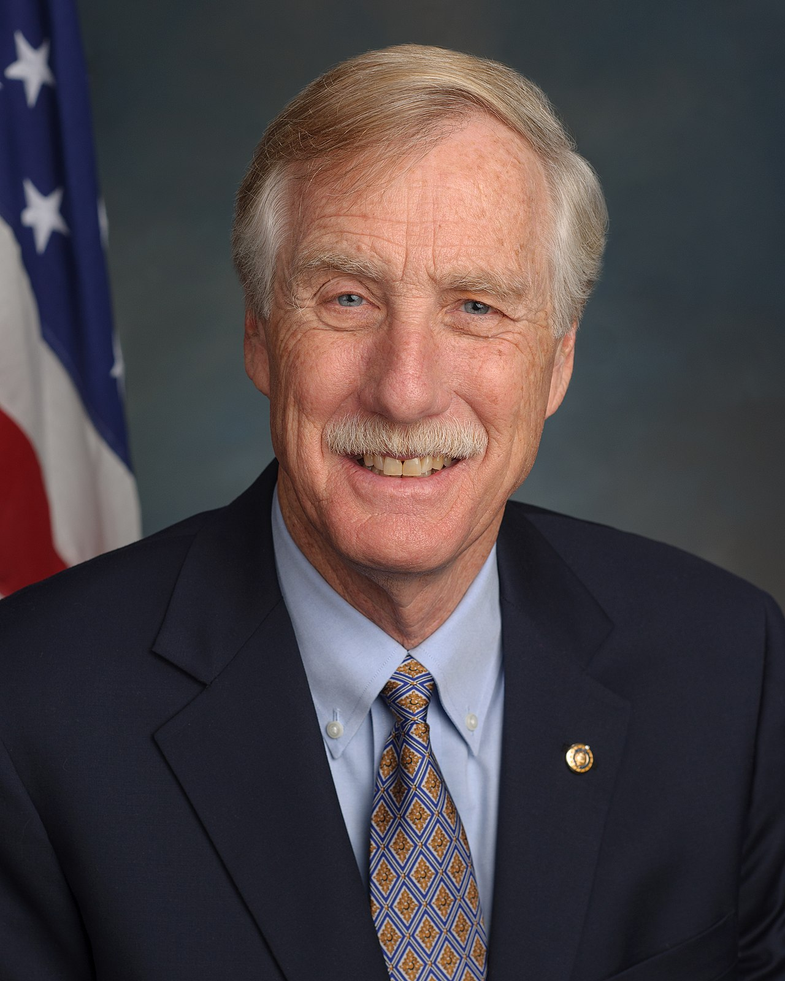
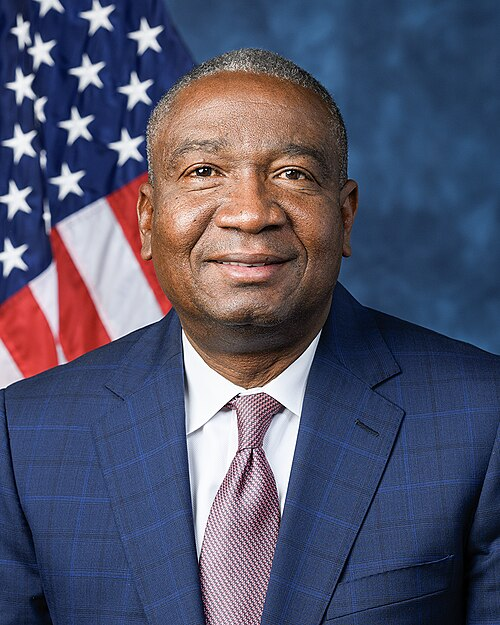
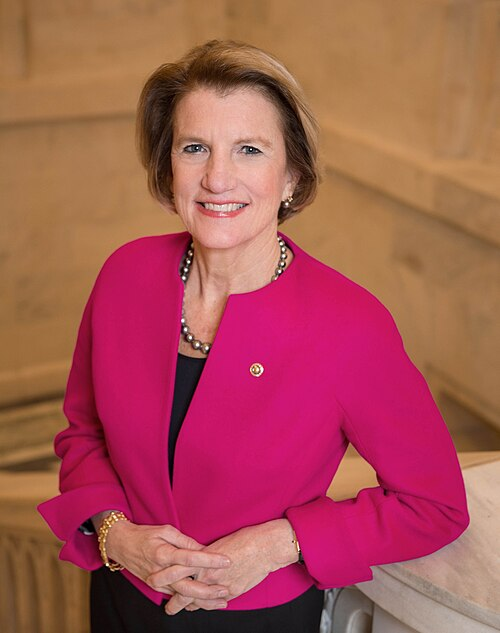
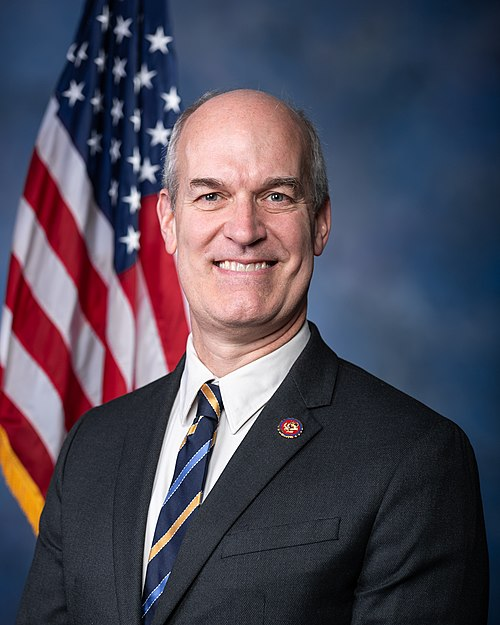
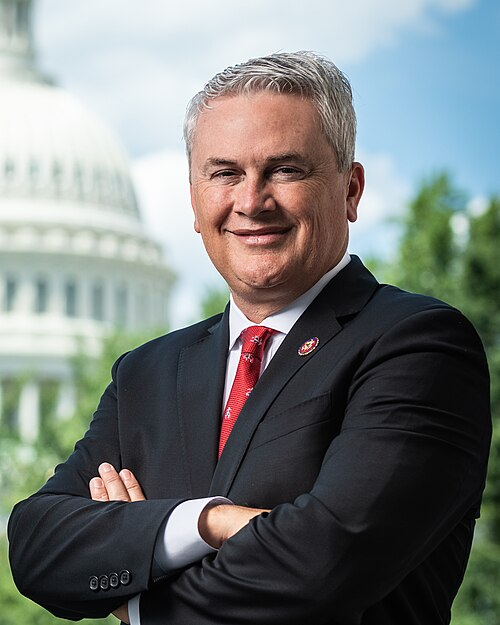
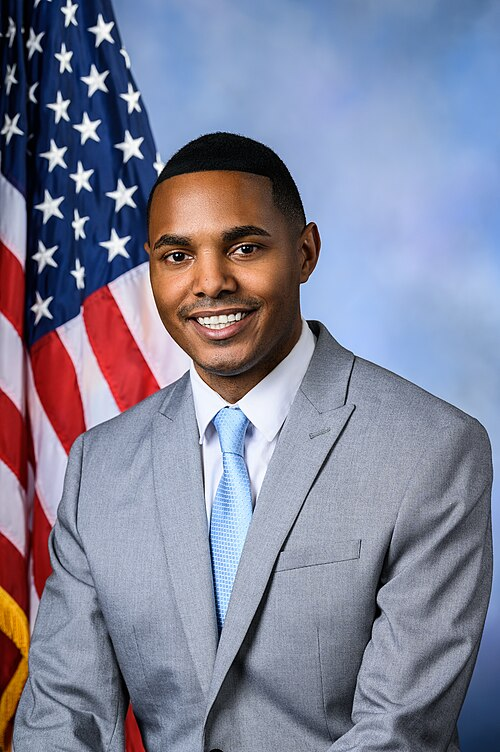
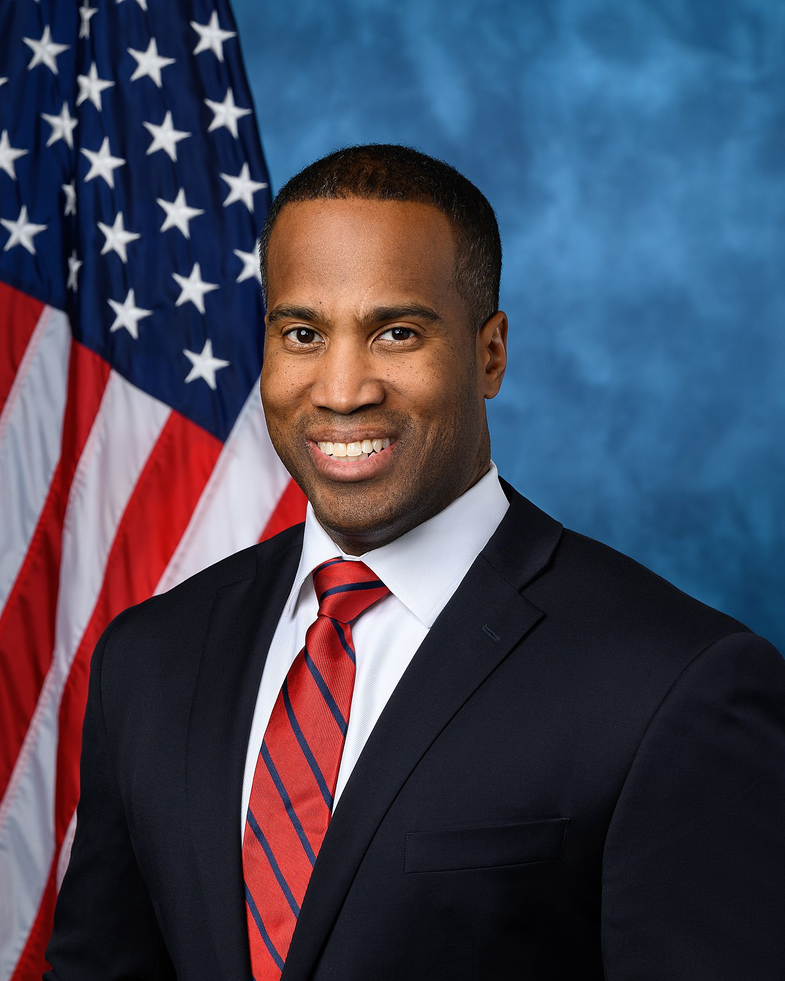
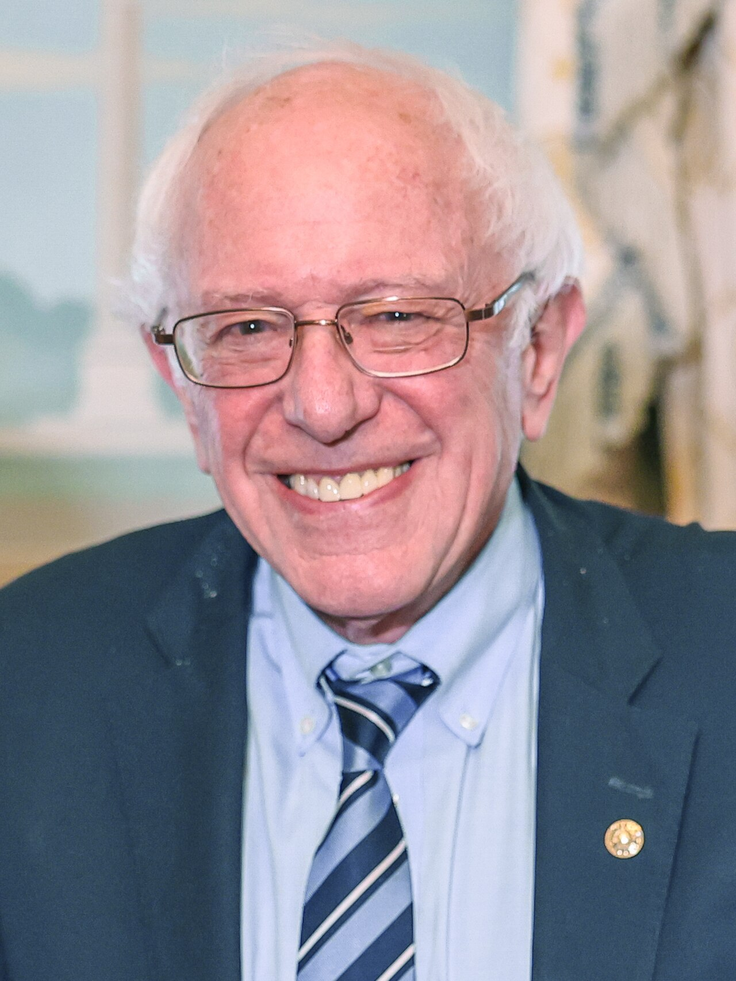
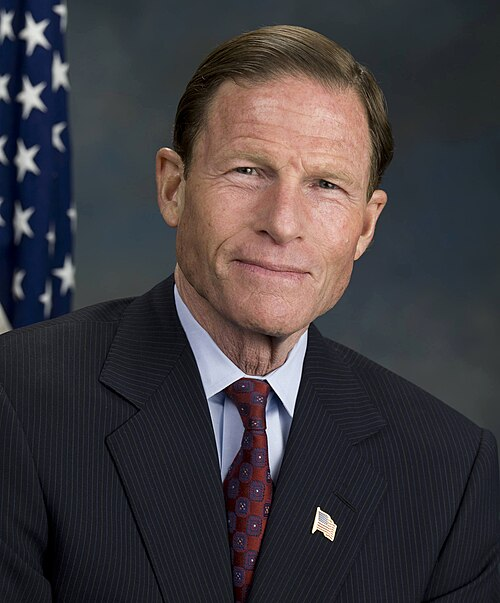
3 bill sponsors

Actions
2 actions
| Date | Action |
|---|---|
| Mar. 26, 2026 | Introduced in Senate |
| Mar. 26, 2026 | Read twice and referred to the Committee on Commerce, Science, and Transportation. |
Corporate Lobbying
0 companies lobbying
None found.
* Note that there can be significant delays in lobbying disclosures, and our data may be incomplete.