
S. 4269: Restoring College Access and Affordability Act
This bill, known as the Restoring College Access and Affordability Act, proposes several amendments mainly focused on student loans and educational funding. Below is a summary of the key provisions included in the bill:
1. Repeal of Loan Limits
The bill aims to repeal certain provisions that currently limit the amount of student loans that can be borrowed. This means that any laws or regulations associated with these limits would no longer apply, potentially allowing students to borrow more than they currently can.
2. Changes to Loan Repayment
Several sections related to loan repayment are proposed to be repealed, including:
- Loan Repayment: It would repeal regulations concerning the repayment plans for student loans.
- Deferment and Forbearance: The bill seeks to remove limits on deferment and forbearance options, which allow borrowers to temporarily pause their loan payments.
- Public Service Loan Forgiveness: It would repeal specific provisions regarding forgiveness of loans for individuals who work in public service sectors.
3. Changes to Pell Grants
The legislation would also repeal various provisions related to Pell Grants, including:
- Eligibility Criteria: The eligibility requirements for receiving Pell Grants would be adjusted, potentially opening access to a larger group of students.
- Exclusion of Other Grant Aid: It would repeal provisions excluding eligibility based on the receipt of other types of grant aid.
4. Ineligibility Based on Low Earning Outcomes
The bill amends how educational programs are assessed based on the earnings of their graduates. It specifies that a "covered educational program" must be an approved program designed to prepare students for gainful employment. This could affect programs currently deemed ineligible due to low earning outcomes.
5. Regulatory Relief
This section proposes to repeal rules regarding:
- Borrower Defense to Repayment: Protections that allow borrowers to discharge loans if their school misled them will be removed.
- Closed School Discharges: Rules allowing discharge of loans if a school shuts down will also be repealed.
6. Changes to Endowment Income Tax
The bill modifies the existing excise tax on the income of endowments held by private colleges and universities. It establishes a fixed tax rate of 1.4% on their endowment income instead of varying rates previously in place. This may impact how these institutions manage their finances and their financial aid offerings.
7. Effective Date
The changes proposed in the bill will become effective for taxable years beginning after December 31, 2025, indicating that institutions and borrowers will need to prepare for these changes starting in 2026.
Relevant Companies
- EDU - New Oriental Education & Technology Group: As a provider of educational services, this company could be affected by changes in student loan availability and grants that influence enrollment.
- STRA - Strategic Education Inc.: This company operates online higher education institutions and could see impacts based on changes in loan limits and grant access.
This is an AI-generated summary of the bill text. There may be mistakes.
Sponsors
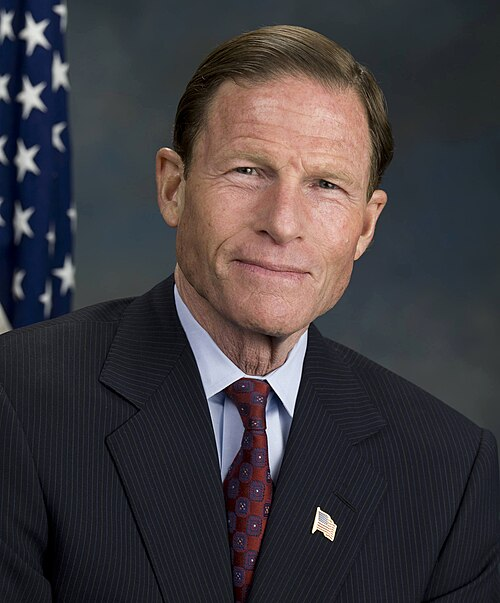
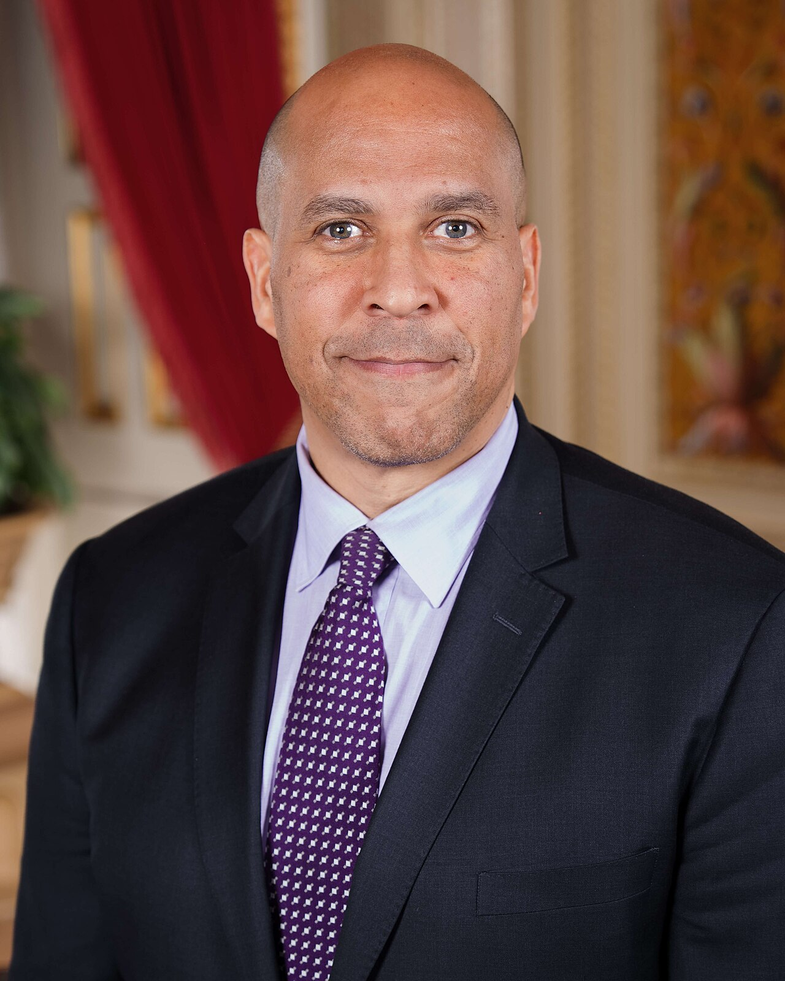
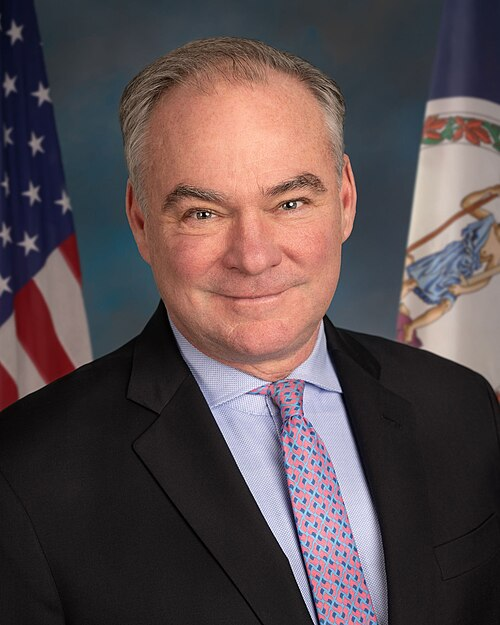
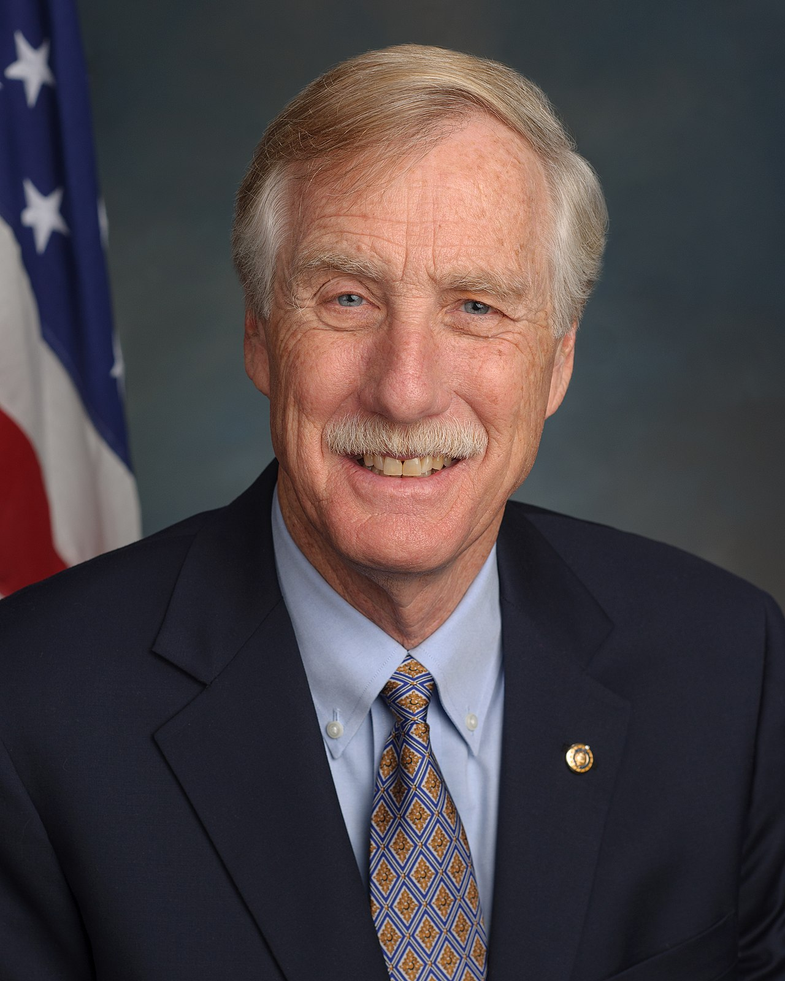
7 bill sponsors


Actions
2 actions
| Date | Action |
|---|---|
| Mar. 26, 2026 | Introduced in Senate |
| Mar. 26, 2026 | Read twice and referred to the Committee on Finance. |
Corporate Lobbying
0 companies lobbying
None found.
* Note that there can be significant delays in lobbying disclosures, and our data may be incomplete.
Potentially Relevant Congressional Stock Trades
No relevant congressional stock trades found.