S. 4148: Homegrown Fertilizer Act
This bill, known as the Homegrown Fertilizer Act, aims to enhance domestic fertilizer production for farmers in the United States. It directs the Secretary of Agriculture to provide financial assistance through grants and loans to various entities engaged in the fertilizer industry. Below is a detailed overview of the key components of the bill.
Financial Assistance
The Secretary of Agriculture is tasked with providing:
- Grants to eligible entities to support the manufacturing, processing, and storage of fertilizers and nutrient alternatives.
- Direct or guaranteed loans for the same purposes as the grants.
Eligible Entities
Entities that can apply for these grants and loans include:
- Independently owned for-profit businesses or corporations
- Nonprofit organizations
- Producer-owned cooperatives or corporations
- Certified benefit corporations
- Indian Tribes or Tribal organizations
- State or local governments
Grant and Loan Usage
Funds received from grants and loans can be utilized for a variety of activities, including:
- Building new facilities or purchasing existing ones
- Covering predevelopment costs, such as hiring engineers
- Providing working capital to enhance capacity or outputs
- Modernizing existing facilities and upgrading equipment
- Engaging in workforce training and recruitment
- Ensuring compliance with environmental and safety regulations
Funding Amounts
A grant under this bill cannot exceed $100 million. Each entity that receives a grant must also provide matching funds equal to the grant amount.
Eligibility Requirements
To qualify for assistance:
- Entities must be physically located in the United States.
- They must comply with all applicable federal, state, and local regulations governing fertilizer activities.
- Entities should not hold a market share that is larger than or equal to the fourth-largest entity in their market for nitrogen, phosphate, potash, or combinations thereof.
Prioritization of Projects
When awarding financial assistance, priority will be given to projects that:
- Create innovative methods for fertilizer production and usage.
- Dedicate additional production capacity specifically for U.S. agricultural commodity production.
- Enhance competition and reduce prices or market volatility for fertilizer products.
Project Duration
The projects funded through this bill must be completed within five years, although extensions may be granted if deemed appropriate by the Secretary.
Conditions and Repayment
Recipients of grants or loans must repay the funds in full if the project, or its company, is sold or transferred to an entity with a considerable market share within ten years after project completion.
Coordination with Other Agencies
The Secretary is responsible for coordinating with other federal agencies to facilitate joint proposals for funding and ensure effective implementation of the bill’s provisions.
Funding Sources
The Secretary may utilize existing funds or allocate additional resources as needed from the Commodity Credit Corporation to implement the grant and loan programs established by the bill.
Relevant Companies
- DAL (Delta Air Lines, Inc.) - While primarily an airline, Delta's agricultural services division could be indirectly affected by changes in fertilizer supply and pricing.
- DOW (Dow Inc.) - As a major manufacturer of agricultural and chemical products, Dow could see changes in demand for its fertilizers in response to this legislation.
- NTR (Nutrien Ltd.) - Being one of the largest providers of crop inputs and services globally, Nutrien would likely be directly impacted by any changes in domestic production dynamics encouraged by the bill.
This is an AI-generated summary of the bill text. There may be mistakes.
Sponsors
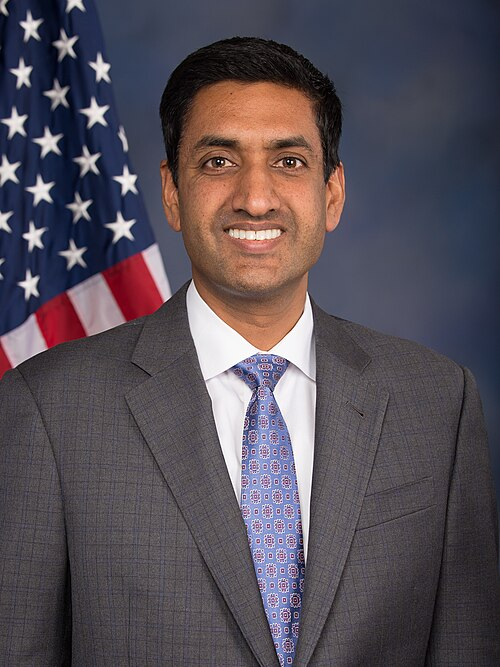
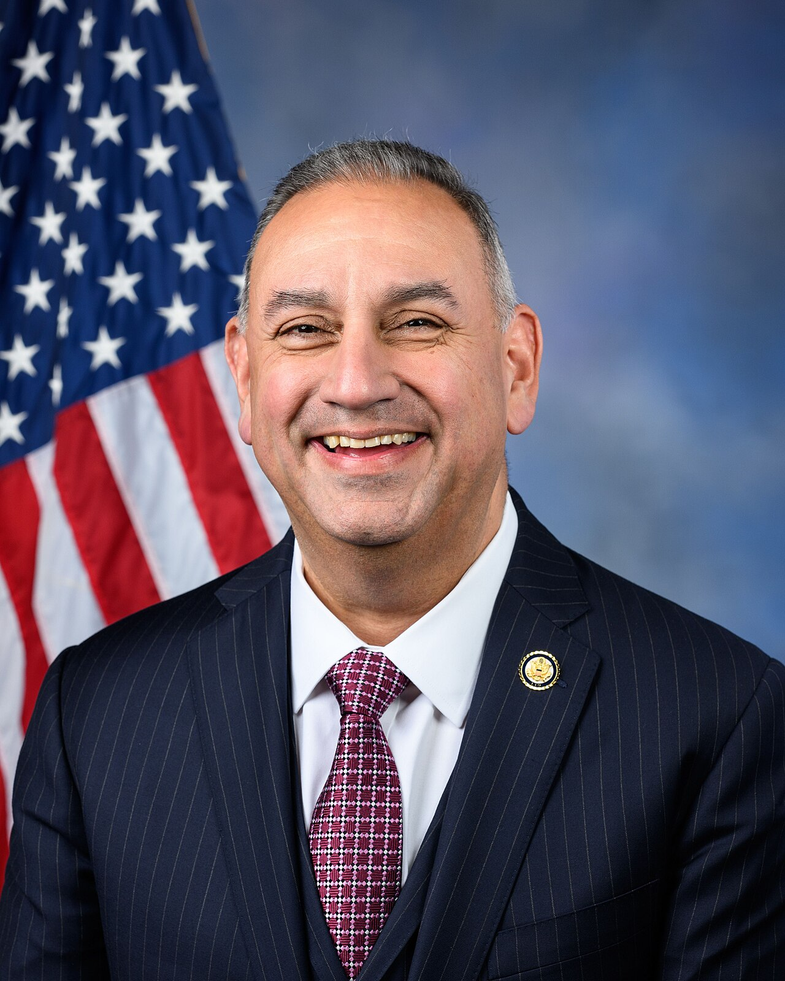
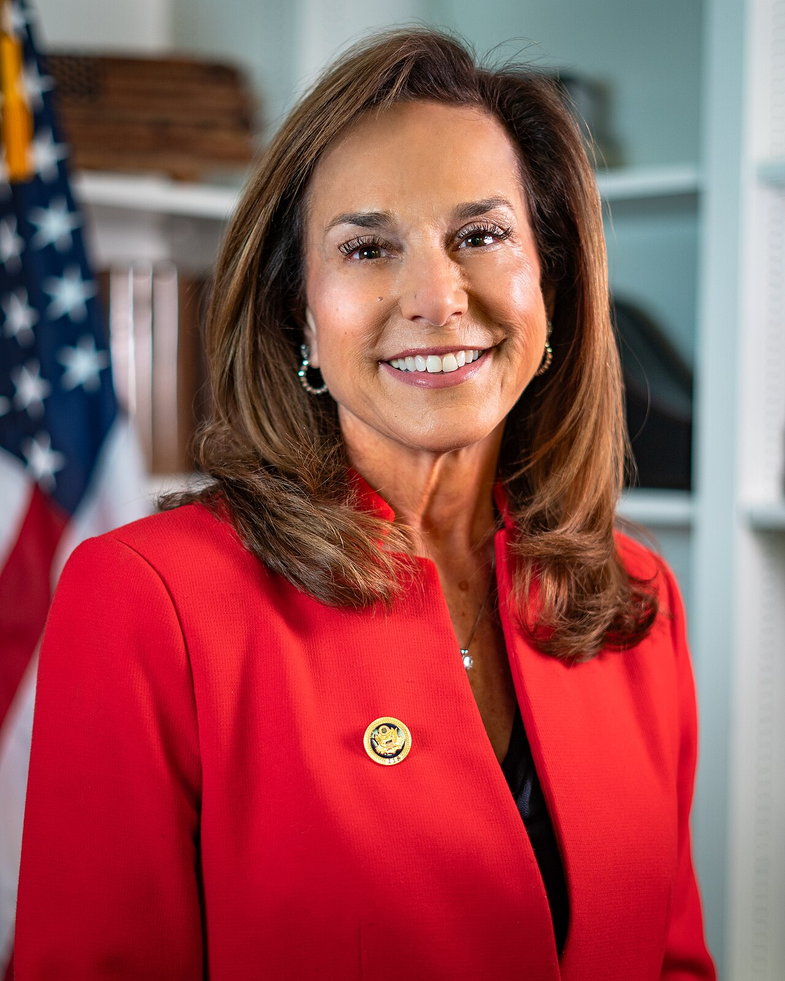
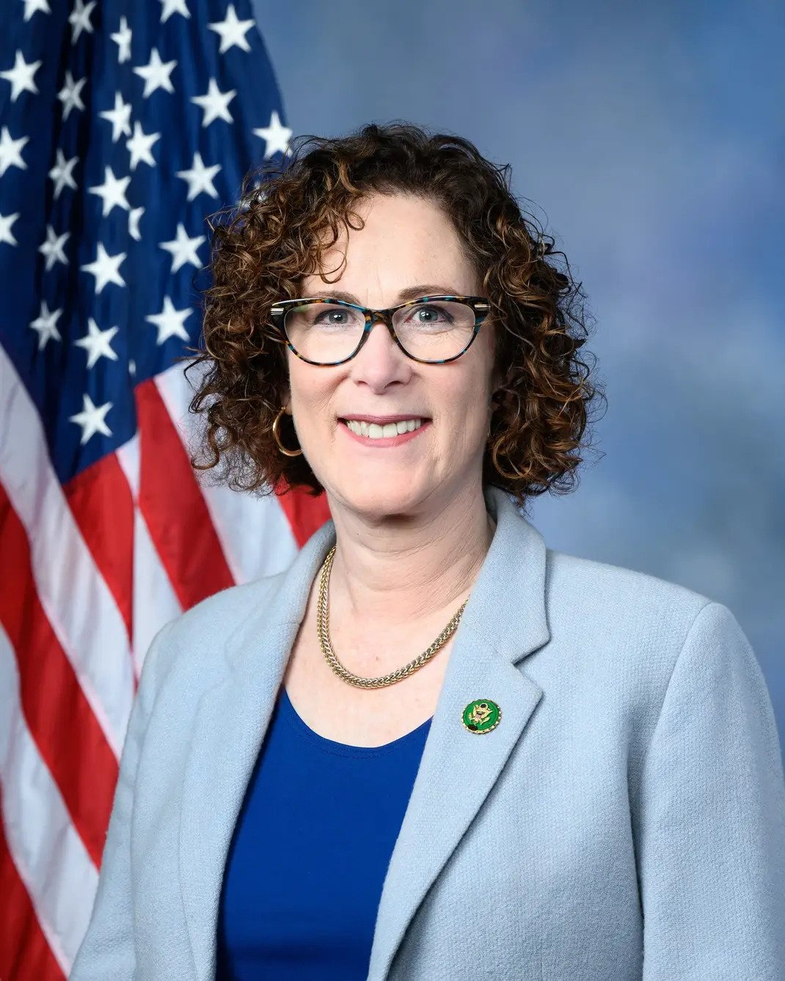
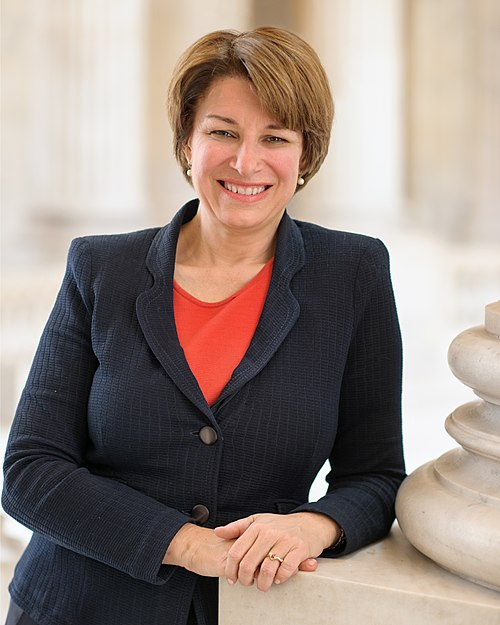
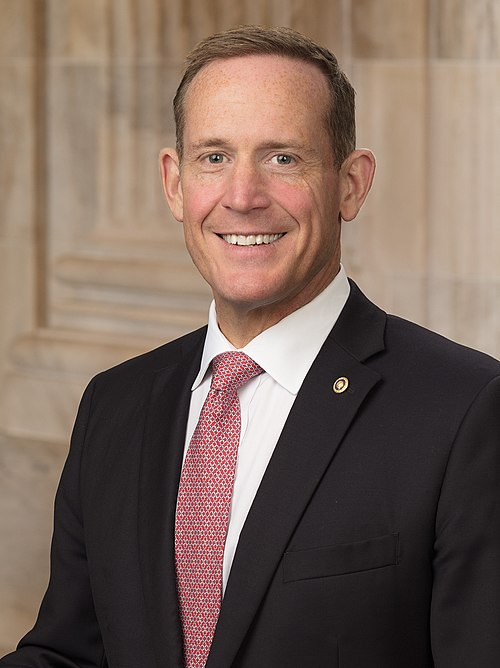
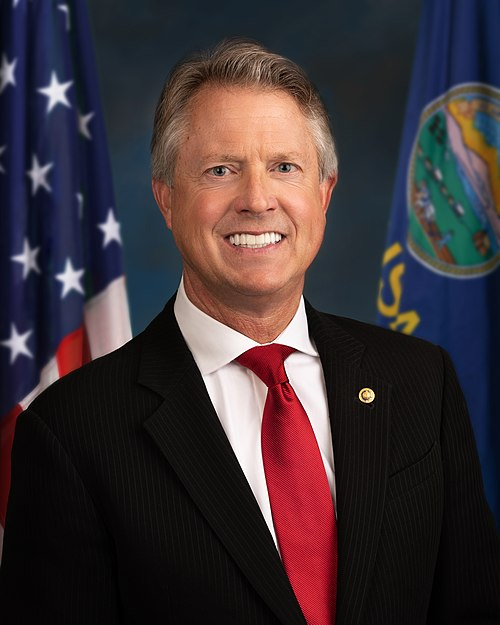
4 bill sponsors

Actions
2 actions
| Date | Action |
|---|---|
| Mar. 19, 2026 | Introduced in Senate |
| Mar. 19, 2026 | Read twice and referred to the Committee on Agriculture, Nutrition, and Forestry. |
Corporate Lobbying
0 companies lobbying
None found.
* Note that there can be significant delays in lobbying disclosures, and our data may be incomplete.