S. 4143: Fair Wages for Incarcerated Workers Act of 2026
This bill, known as the Fair Wages for Incarcerated Workers Act of 2026, aims to amend the Fair Labor Standards Act of 1938 to extend specific labor protections to incarcerated individuals working in correctional facilities. It primarily does the following:
1. Inclusion of Incarcerated Workers
The bill expands the definition of "employee" under the Fair Labor Standards Act by explicitly including:
- Individuals who work as incarcerated workers for a public agency operating a detention or correctional facility.
- Individuals employed by private entities that operate a correctional facility under contract with a public agency.
2. Wage Computation Reform
It makes adjustments to how wages for incarcerated workers are calculated:
- Specifically, it states that the costs for board, lodging, or other facilities provided to incarcerated workers cannot be deducted from their wages.
- If an incarcerated worker has amounts taken from their pay for a court-imposed fee, these deductions will not count against their wages.
3. Compensation and Fair Labor Practices
The bill aims to ensure that incarcerated workers receive fair compensation for their labor within the facilities, aligning their treatment more closely with labor rights afforded to other employees under federal law. This means that incarcerated individuals involved in correctional work programs will now be recognized under federal labor standards and should receive wages that are not diminished by facility-related charges or obligations.
4. Definition of Key Terms
For clarity, the bill provides definitions for important terms:
- Incarcerated Worker: Defined as any individual incarcerated or detained who performs work required or offered by a correctional facility.
- Correctional Facility: Defined as per existing legislation, ensuring a uniform understanding across various legal frameworks.
- Court-Imposed Fee: Refers to any fee resulting from a criminal conviction; however, it excludes child support payments and certain other specific fees.
5. Legislative Process
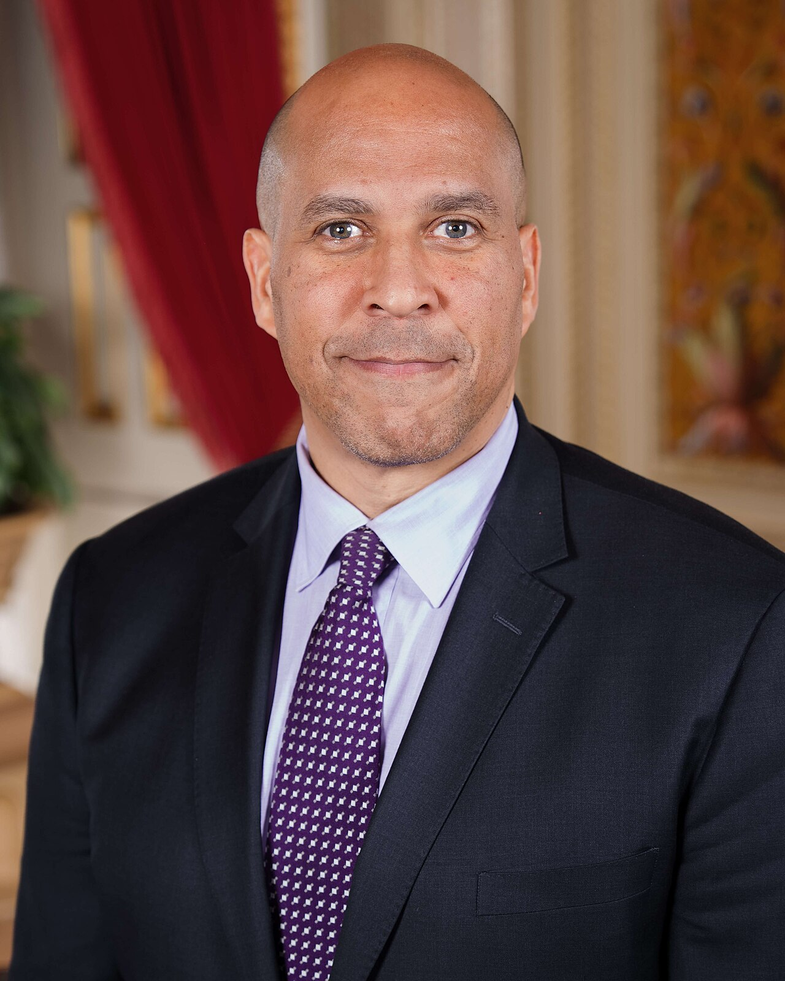
The bill was introduced in the U.S. Senate by Mr. Booker and has been referred to the Committee on Health, Education, Labor, and Pensions for further consideration. It represents an effort to reform labor rights for incarcerated individuals, increasing their protections and compensation rights under federal law.
6. Other Provisions
Additional provisions and discussions may arise during the legislative process, which could further define or clarify the operation of these wage reforms and their implications for state and federal correctional systems.
Relevant Companies
None found
This is an AI-generated summary of the bill text. There may be mistakes.
Sponsors
2 bill sponsors

Actions
2 actions
| Date | Action |
|---|---|
| Mar. 19, 2026 | Introduced in Senate |
| Mar. 19, 2026 | Read twice and referred to the Committee on Health, Education, Labor, and Pensions. |
Corporate Lobbying
0 companies lobbying
None found.
* Note that there can be significant delays in lobbying disclosures, and our data may be incomplete.
Potentially Relevant Congressional Stock Trades
No relevant congressional stock trades found.