S. 4114: Student Protection and Success Act
The Student Protection and Success Act aims to introduce accountability measures for institutions of higher education based on their student loan repayment rates. The key points of the bill are as follows:
1. Institutional Ineligibility Due to Low Repayment Rates
Starting in fiscal year 2028, if an institution has a cohort repayment rate of 15% or lower, it will be ineligible to participate in federal student loan programs for that fiscal year and the next two consecutive years. Institutions can appeal this loss of eligibility, and if the appeal shows that the original repayment calculation was inaccurate, they may be allowed to continue participation.
2. Definition of Cohort Repayment Rate
The cohort repayment rate is calculated for institutions with at least 30 borrowers entering repayment. It measures the percentage of those borrowers who are not in default and have made at least a $1 reduction in their principal balance within a specified timeframe. For institutions with fewer than 30 borrowers, the calculation includes borrowers from the past three fiscal years.
3. Notifications and Appeals
The Secretary of Education will notify institutions with low repayment rates starting from the first fiscal year after enactment until 2028, informing them of their risk of losing eligibility.
4. Ineligibility in Other Programs
Institutions that lose eligibility based on low repayment rates will also be ineligible for Pell Grants and student loan insurance programs.
5. College Opportunity Bonus Program
This program will provide grants to institutions with cohort repayment rates exceeding 25% starting in fiscal year 2028. These grants aim to enhance access to education for low- and moderate-income students, with funds used for financial aid, academic support, and acceleration programs.
6. Risk-Sharing Payments
Beginning in fiscal year 2028, institutions will be required to remit risk-sharing payments based on their cohort nonrepayment loan balances. This is aimed at ensuring that institutions take some financial responsibility for students not able to repay their loans. The amount of the payment will be calculated as a percentage of the total loan amount for those in repayment who have not reduced their principal balance over three years.
7. Reporting and Best Practices
The Secretary of Education will submit a report within six months of the bill's enactment detailing best practices for improving repayment rates, especially focusing on institutions serving a high number of low-income students.
8. Changes to Expenditure Reporting
The requirements for reporting student service expenditures will be updated to include how institutions allocate funds towards student well-being and development, while excluding marketing and recruitment costs.
Relevant Companies
None found.
This is an AI-generated summary of the bill text. There may be mistakes.
Sponsors
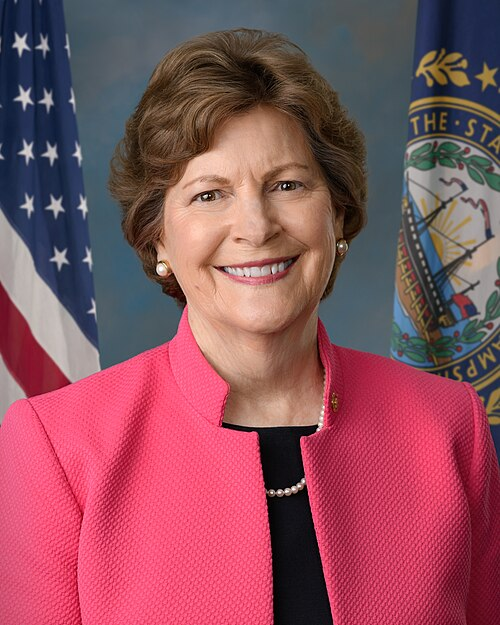
2 bill sponsors

Actions
2 actions
| Date | Action |
|---|---|
| Mar. 17, 2026 | Introduced in Senate |
| Mar. 17, 2026 | Read twice and referred to the Committee on Health, Education, Labor, and Pensions. |
Corporate Lobbying
0 companies lobbying
None found.
* Note that there can be significant delays in lobbying disclosures, and our data may be incomplete.
Potentially Relevant Congressional Stock Trades
No relevant congressional stock trades found.