S. 4111: Big Oil Windfall Profits Tax Act
This bill, known as the Big Oil Windfall Profits Tax Act, aims to impose an excise tax on the profits of certain crude oil producers and importers in the United States. Here is a breakdown of the key components of the bill:
Imposition of a Windfall Profits Tax
The bill establishes a new chapter in the Internal Revenue Code that will create a tax based on the profits from crude oil extraction and importation. Specifically:
- Each covered taxpayer (defined below) will be required to pay an excise tax on each barrel of taxable crude oil that they extract or import into the U.S. during a calendar quarter.
- The tax rate is set at 50% of the excess amount of the average market price of Brent crude oil over a specified period.
- The average price used for comparison will be for the calendar year ending December 31, 2025, providing a baseline for the tax calculations.
- The tax will apply only to those companies that exceed a threshold of 300,000 barrels per day either for the calendar year 2025 or for the quarter in which the tax is being applied.
Definitions and Special Rules
The bill provides definitions for key terms such as:
- Covered taxpayer: Any taxpayer who exceeds the given barrel threshold.
- Taxable crude oil: This refers to crude oil, crude oil condensates, and natural gasoline.
- Barrel: Defined as 42 United States gallons.
Gasoline Price Rebates
In addition to the windfall profits tax, the bill proposes that eligible individuals will receive rebates to help offset rising gasoline prices. Key points include:
- Each eligible individual will receive a tax credit based on a gasoline price rebate amount determined quarterly.
- For individuals filing jointly, the rebate will be 150% of the standard amount for individuals filing separately.
- The credits will be subject to income limitations, with phased reductions for higher incomes.
- The Secretary will engage in outreach to ensure individuals are aware they can claim these credits.
Protect Consumers from Gas Price Hikes Fund
The bill establishes a trust fund called the Protect Consumers from Gas Price Hikes Fund, which will be funded by the revenue generated from the windfall profits tax. Key aspects include:
- Funds collected from the excise tax will be transferred to this fund.
- Refunds for gasoline price rebates will be paid out from this fund, providing financial relief to consumers.
Administrative Provisions
The bill also includes provisions regarding the administration of the tax, such as:
- The Secretary of the Treasury will be responsible for establishing rules for tax withholding, record-keeping, and filing returns related to the excise tax.
- It will also be ensured that the definitions and other regulatory guidelines are clear to facilitate compliance.
Effective Date
The provisions of this bill are set to take effect for crude oil removed or imported after December 31, 2025, and no taxes will be due before September 30, 2026, for certain quarters in 2026.
Relevant Companies
- XOM (ExxonMobil): As a major oil producer, ExxonMobil would be directly impacted by the windfall profits tax on crude oil extraction.
- CVX (Chevron): Similar to ExxonMobil, Chevron would be subject to this tax due to its large-scale operations in crude oil extraction and importation.
- BP (British Petroleum): BP, as another large oil company, is likely to face significant tax liabilities under this legislation.
This is an AI-generated summary of the bill text. There may be mistakes.
Sponsors
13 bill sponsors
-
TrackSheldon Whitehouse

Sponsor
-
TrackTammy Baldwin

Co-Sponsor
-
TrackRichard Blumenthal
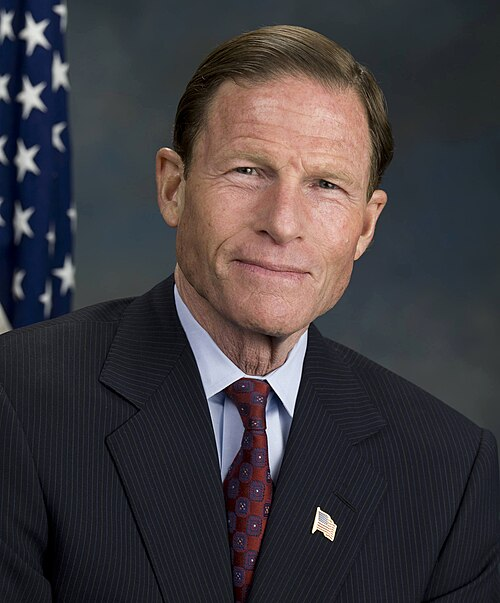
Co-Sponsor
-
TrackCory A. Booker
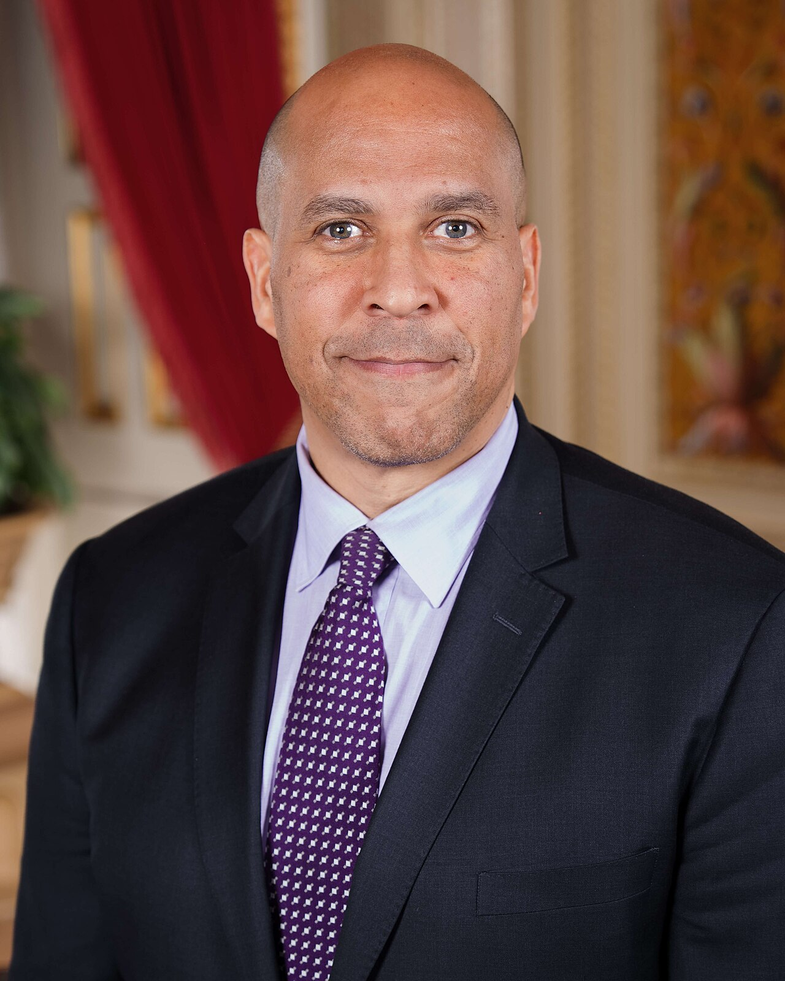
Co-Sponsor
-
TrackMazie K. Hirono

Co-Sponsor
-
TrackTim Kaine

Co-Sponsor
-
TrackEdward J. Markey
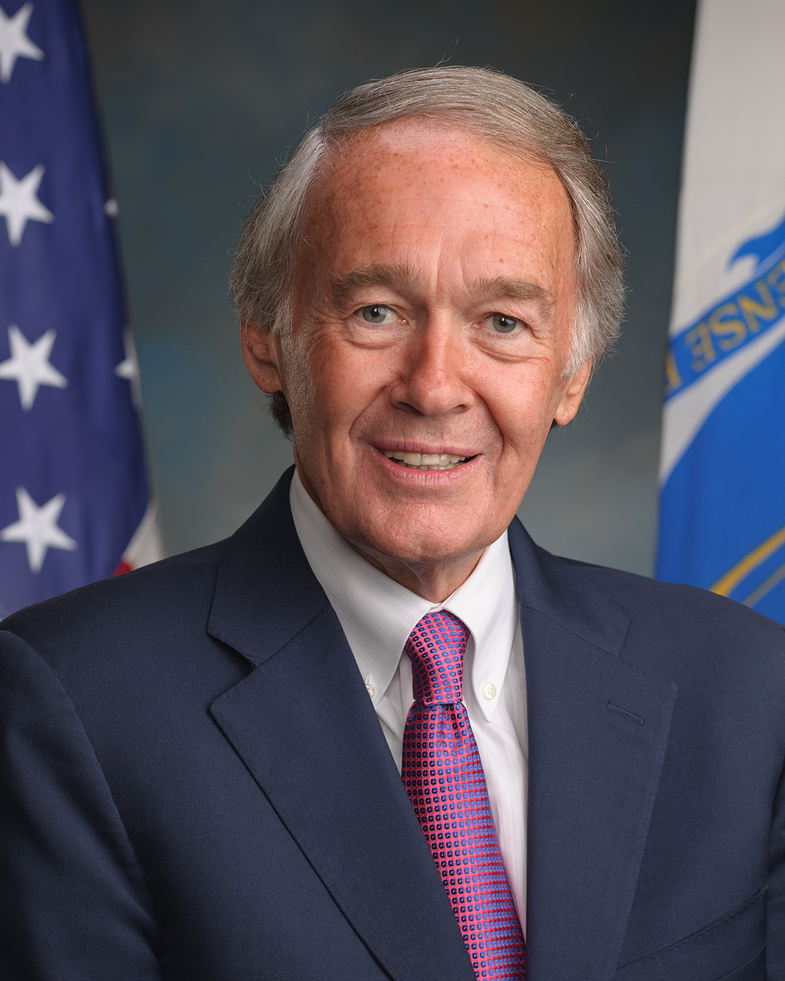
Co-Sponsor
-
TrackJeff Merkley

Co-Sponsor
-
TrackChristopher Murphy

Co-Sponsor
-
TrackJack Reed

Co-Sponsor
-
TrackBernard Sanders
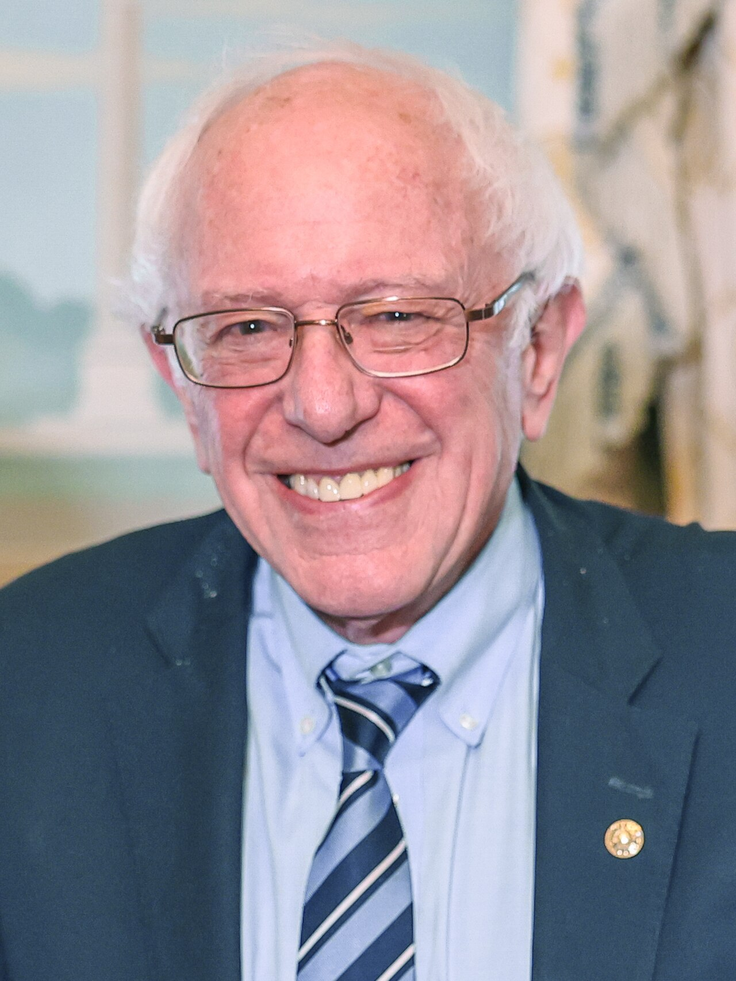
Co-Sponsor
-
TrackTina Smith
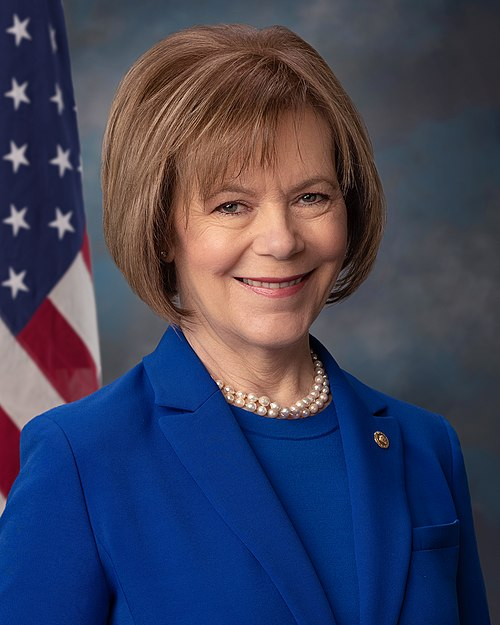
Co-Sponsor
-
TrackElizabeth Warren
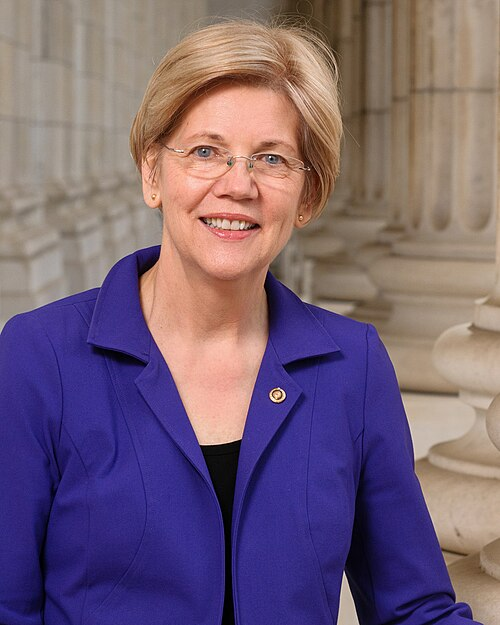
Co-Sponsor
Actions
2 actions
| Date | Action |
|---|---|
| Mar. 17, 2026 | Introduced in Senate |
| Mar. 17, 2026 | Read twice and referred to the Committee on Finance. |
Corporate Lobbying
0 companies lobbying
None found.
* Note that there can be significant delays in lobbying disclosures, and our data may be incomplete.