S. 4091: Habitat Connectivity on Working Lands Act of 2026
This bill, known as the Habitat Connectivity on Working Lands Act of 2026, aims to enhance wildlife habitat connectivity and migration corridors for native big game species on working agricultural lands. The proposed changes mainly amend existing sections of the Food Security Act of 1985 to achieve this goal. Below are the key components of the bill:
Definitions and Focus
The bill introduces a specific definition for "native big game species," which includes large mammals such as deer, elk, pronghorns, wild sheep, and moose. This definition is essential as the bill seeks to focus conservation efforts on these species.
Conservation Program Amendments
The bill makes several amendments to the conservation programs under the Food Security Act, including:
- Regional Conservation Partnership Program: It emphasizes restoring wildlife habitat connectivity and migration corridors for native big game species.
- Environmental Quality Incentives Program: The bill allows for cost-share payments to producers for practices that benefit wildlife habitat and migration corridors. It also sets limitations to avoid double payments under different federal programs.
- Conservation Stewardship Program: Similar to the Environmental Quality Incentives Program, it includes cost-share payments for eligible activities related to enhancing wildlife habitat connectivity.
Payment Limitations
The bill increases the payment cap under the Conservation Reserve Program from $50,000 to $125,000, allowing producers to receive higher rental payments for participating lands.
Incorporation of Nonstructural Methods
The bill encourages the use of nonstructural methods, like virtual fencing, to improve livestock distribution and minimize barriers to wildlife movement. This change aims to enhance habitat connectivity while still managing livestock effectively.
Research and Technical Assistance
To support the initiatives, the bill mandates that the Secretary of Agriculture will ensure adequate technical assistance is available for implementing these conservation practices. It also allows for research grants to study the impacts of virtual fencing on natural and cultural resources as well as the overall health of livestock ranges.
Encouragement of Landscape and Hydrologic Connectivity
The bill encourages activities that support the development and maintenance of landscape corridors and hydrologic connectivity that facilitate the movement of native biodiversity across the landscape.
Administrative Requirements
It adds to the administrative requirements under existing conservation programs, promoting actions that protect and restore habitat for native big game species, thereby enhancing conservation efforts throughout agricultural lands.
Relevant Companies
- POT - Nutrien Ltd.: As a major agricultural services provider, this company could see changes in its operations or partnerships with farmers due to increased focus on conservation practices.
- DOW - Dow Inc.: This company may be impacted by changes in agricultural inputs and practices affecting land management and conservation alternatives.
This is an AI-generated summary of the bill text. There may be mistakes.
Sponsors
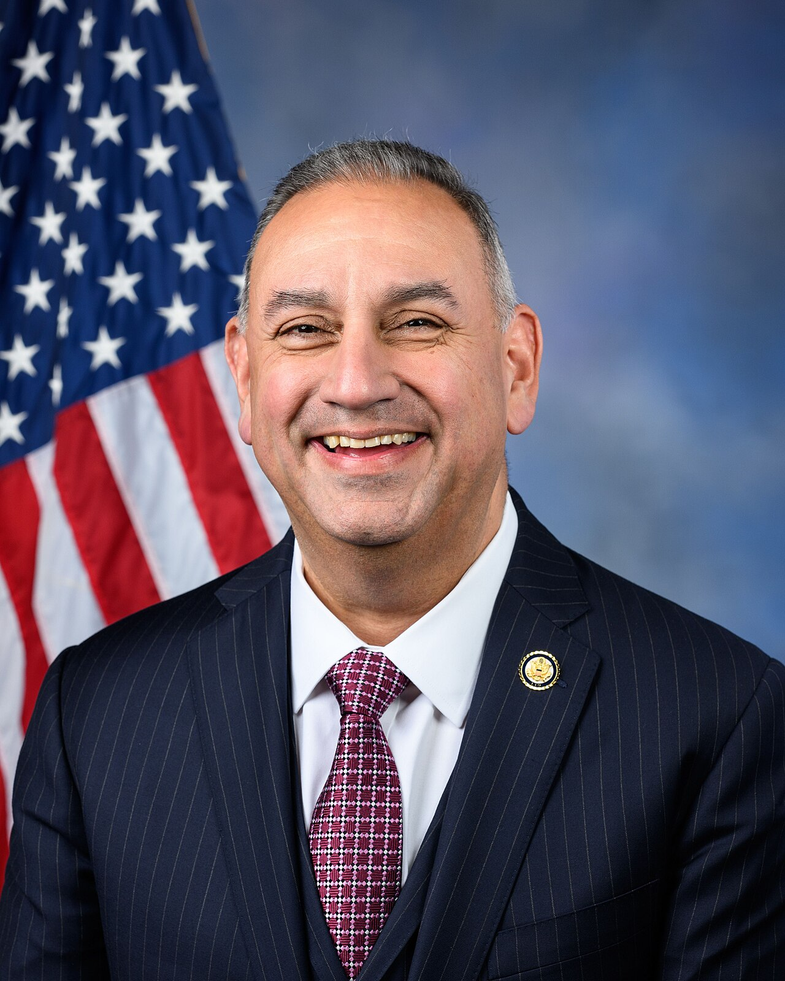
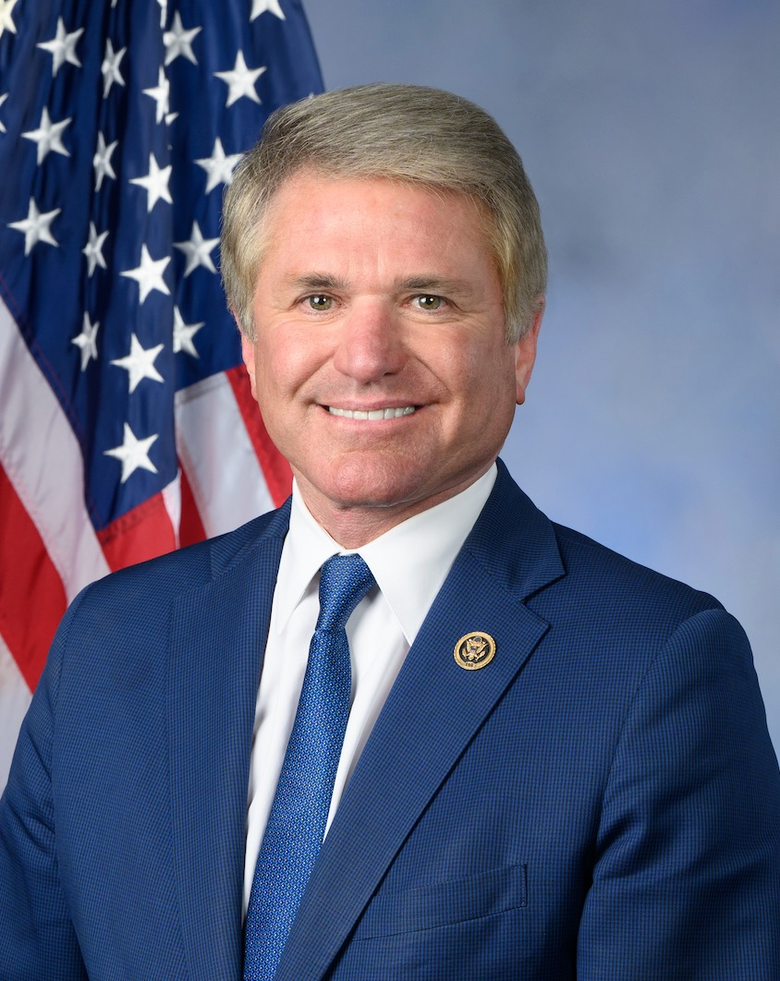
2 bill sponsors


Actions
2 actions
| Date | Action |
|---|---|
| Mar. 12, 2026 | Introduced in Senate |
| Mar. 12, 2026 | Read twice and referred to the Committee on Agriculture, Nutrition, and Forestry. |
Corporate Lobbying
0 companies lobbying
None found.
* Note that there can be significant delays in lobbying disclosures, and our data may be incomplete.