S. 4062: Next Generation 9–1–1 Act
This bill, known as the Next Generation 9–1–1 Act, aims to improve the emergency call system in the United States by deploying and coordinating the Next Generation 9–1–1 (NG911) services. It intends to modernize how emergency calls are handled and ensure different systems can work together effectively. Here’s a breakdown of its main components:
1. Coordination and Implementation
The bill establishes responsibilities for the Assistant Secretary of the National Telecommunications and Information Administration (NTIA) to:
- Coordinate with state representatives on the implementation of NG911.
- Develop, collect, and distribute information about best practices and technologies for NG911.
- Provide advice and assistance to eligible entities in preparing their implementation plans.
- Review grant applications and ensure proper use of funds for NG911 projects.
2. Grants for NG911 Implementation
The bill provides for grants to eligible entities, such as states, tribes, or designated organizations, for:
- Implementing and maintaining NG911 systems.
- Training personnel involved in NG911 operations.
- Public outreach and education to inform the public on using NG911.
- Administrative and cybersecurity expenses related to NG911.
3. Application Process for Grants
To receive a grant, entities must:
- Submit a detailed application, coordinated with local emergency communication centers.
- Include a certification ensuring the coordination of services and that funds will be used appropriately.
- Develop a comprehensive plan to ensure interoperability and security in implementing NG911.
4. Establishment of a Cybersecurity Center
A dedicated Next Generation 9–1–1 Cybersecurity Center will be established to:
- Coordinate cybersecurity efforts related to NG911.
- Share information about cybersecurity threats and strategies across jurisdictions.
5. Advisory Board for Oversight and Guidance
The bill also establishes a Public Safety Next Generation 9–1–1 Advisory Board, which will:
- Make recommendations regarding NG911 implementation.
- Include representatives from various public safety sectors.
- Provide guidance on improving technology and coordination among different jurisdictions.
6. Appropriations and Funding
The Assistant Secretary is authorized to request necessary appropriations for implementing these initiatives through fiscal years 2027 to 2031. A limit is placed on administrative costs to ensure the majority of the funds are used directly for NG911 purposes.
7. Accountability and Penalties
Entities must provide annual certifications about the use of grant funds, and there are penalties for providing false information regarding grants or certifications.
Relevant Companies
- CSCO (Cisco Systems, Inc.): May be involved in providing necessary technology and support for implementing NG911 systems.
- AVY (Avery Dennison Corporation): Provides materials that may be crucial for identifying and securing emergency communication systems.
- NEE (NextEra Energy, Inc.): Might be impacted regarding infrastructure projects that require reliable telecommunications support.
This is an AI-generated summary of the bill text. There may be mistakes.
Sponsors
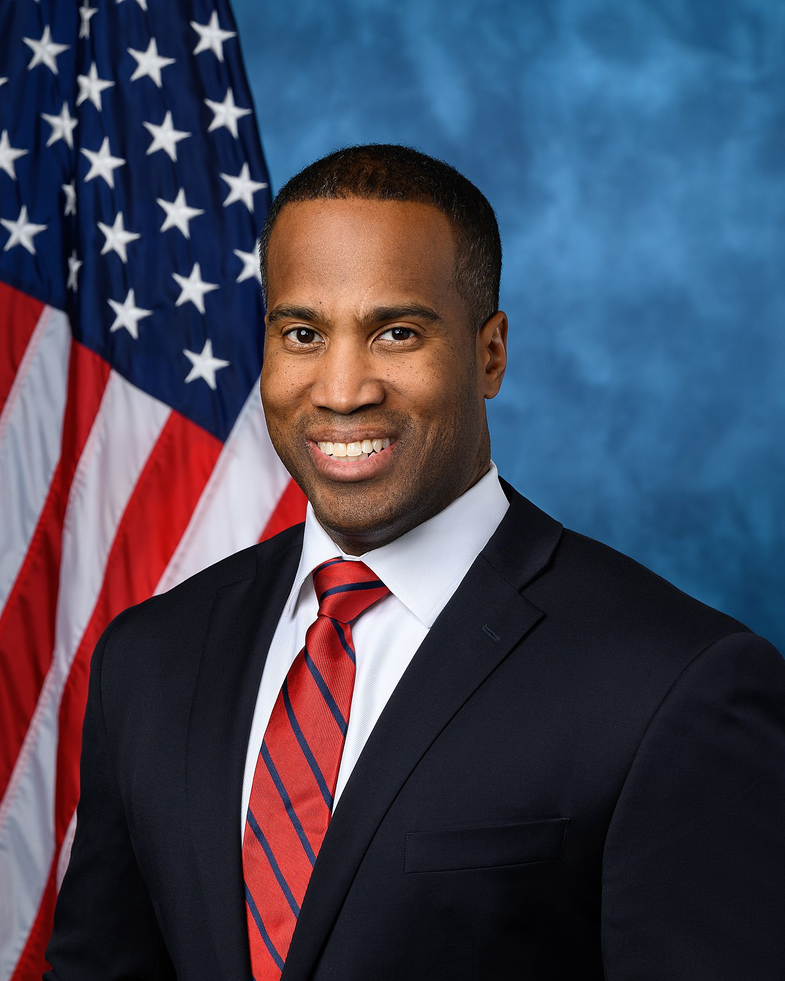
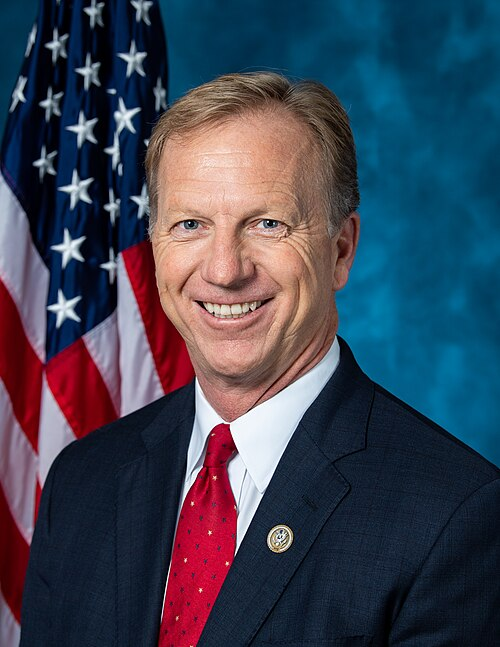
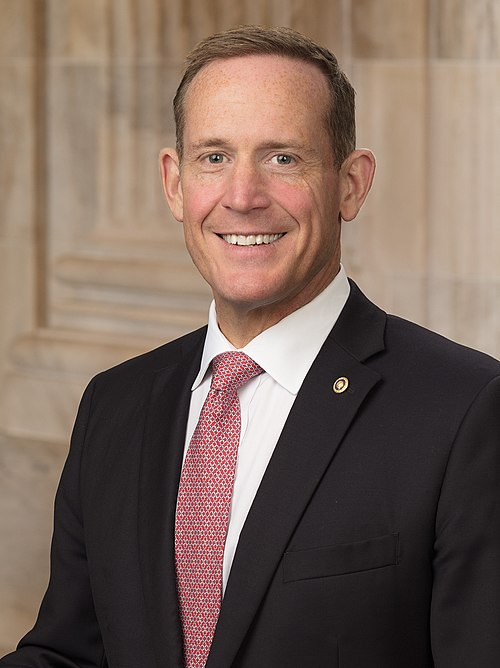
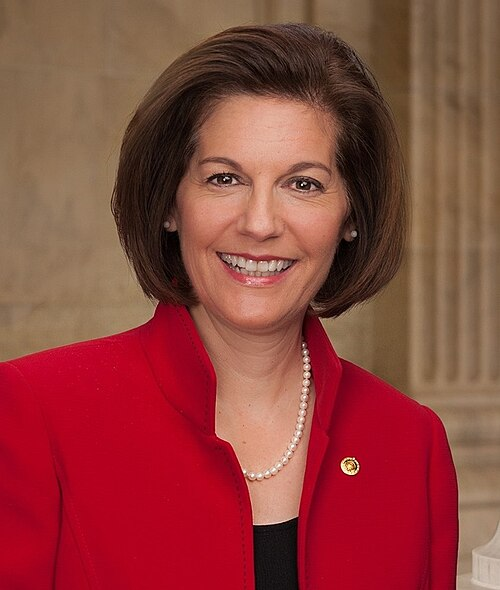
3 bill sponsors

Actions
2 actions
| Date | Action |
|---|---|
| Mar. 11, 2026 | Introduced in Senate |
| Mar. 11, 2026 | Read twice and referred to the Committee on Commerce, Science, and Transportation. |
Corporate Lobbying
0 companies lobbying
None found.
* Note that there can be significant delays in lobbying disclosures, and our data may be incomplete.