S. 3966: Terminating Restrictive Enforcement of Youth Settlements Law
This bill, titled the Terminating Restrictive Enforcement of Youth Settlements Law
or TREY'S Law
, aims to address issues related to nondisclosure and confidentiality agreements in cases of sexual abuse against minors. Here is a summary of its key points:
Purpose of the Bill
The main objectives of the bill are to:
- Prevent state courts and governmental authorities from enforcing contracts that restrict disclosure of sexual abuse involving minors.
- Ensure that private agreements cannot obstruct federal investigations or prosecutions related to crimes of sexual abuse or trafficking of minors.
- Preserve access to courts for survivors of sexual abuse and safeguard their rights to report such incidents.
- Allow survivors and witnesses to disclose instances of abuse without fearing legal repercussions.
Findings
The bill asserts several findings, including:
- Sexual abuse of minors is a significant national concern, impacting commerce and society.
- Nondisclosure agreements can be used to silence survivors and hinder the reporting of abuse, thus violating federal law.
- The enforcement of such agreements can obstruct justice and the investigation of crimes against minors.
Key Definitions
- Minor Person: An individual under the age of 18.
- Nondisclosure Clause: A contract provision preventing disclosure of specific conduct or information.
- Sexual Abuse Against a Minor Person: Conduct that qualifies as an offense under relevant federal laws concerning child sexual abuse.
Provisions Regarding Nondisclosure Agreements
The bill stipulates that:
- Nondisclosure clauses that prevent victims or witnesses of sexual abuse from disclosing relevant information are void and unenforceable, meaning they cannot be legally upheld.
- While confidentiality can still be agreed upon, it must not prevent disclosure of abuse-related information.
Application
This law would apply retroactively. Specifically:
- It would affect any nondisclosure agreements, regardless of when they were entered into, effectively nullifying their enforcement.
- No legal actions can be taken to enforce those clauses described in the bill.
- The bill would override any state laws that allow enforcement of such clauses where prohibited by this law, while still permitting states to enact more protective measures for victims if they choose.
Enforcement and Preemption
The bill emphasizes that state laws cannot contradict the federal provisions established in this law, specifically regarding enforcement of nondisclosure agreements related to sexual abuse of minors.
Relevant Companies
None found
This is an AI-generated summary of the bill text. There may be mistakes.
Sponsors
21 bill sponsors
-
TrackTed Cruz
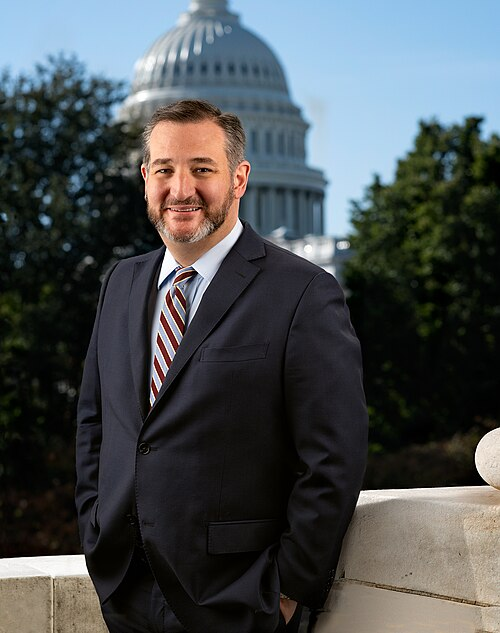
Sponsor
-
TrackMarsha Blackburn

Co-Sponsor
-
TrackRichard Blumenthal
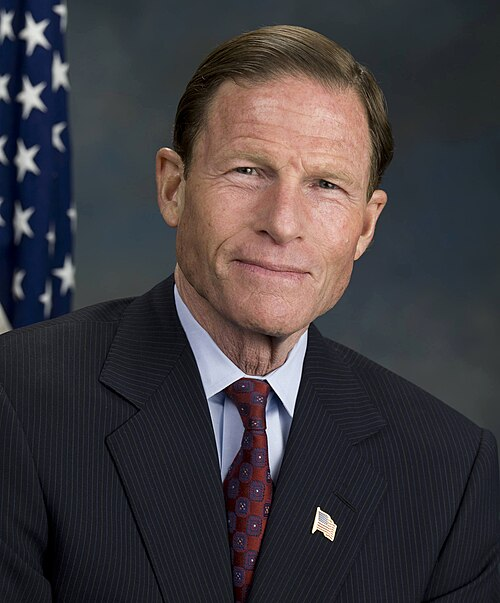
Co-Sponsor
-
TrackCory A. Booker
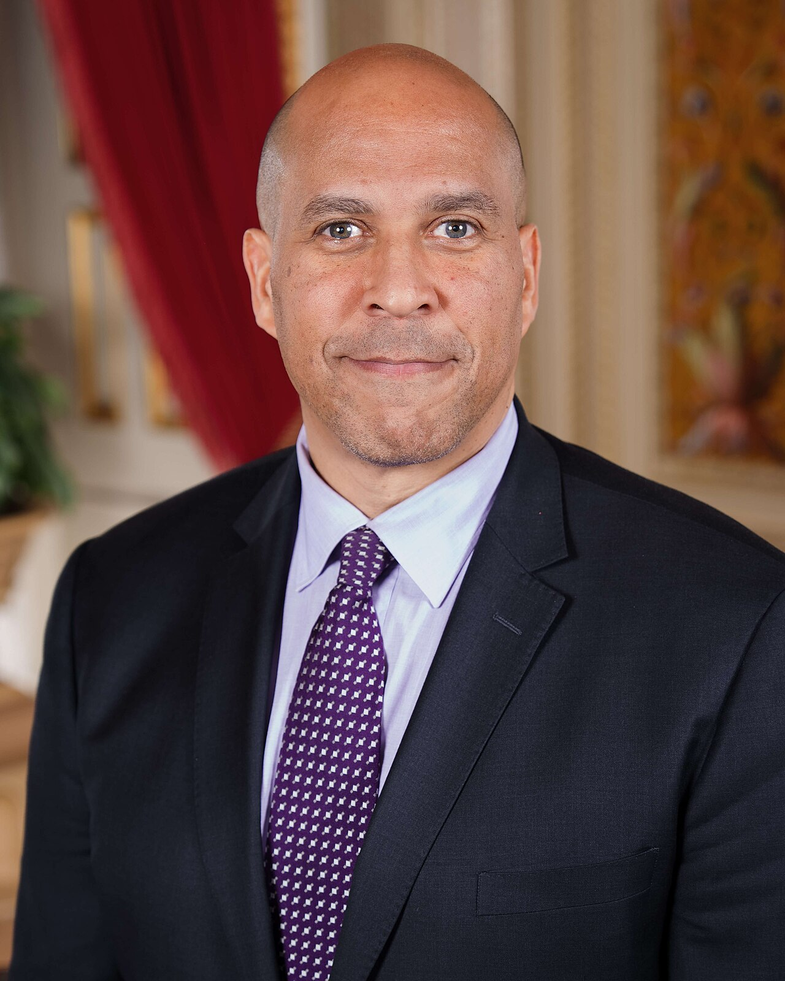
Co-Sponsor
-
TrackKatie Boyd Britt

Co-Sponsor
-
TrackChristopher A. Coons
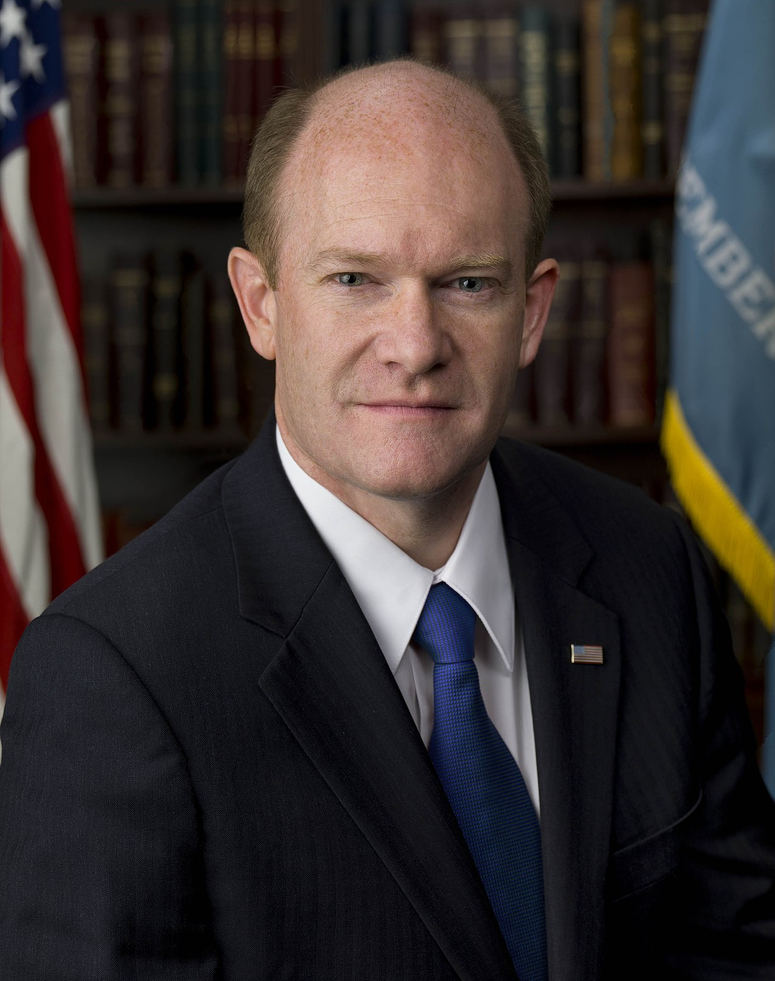
Co-Sponsor
-
TrackJohn Cornyn
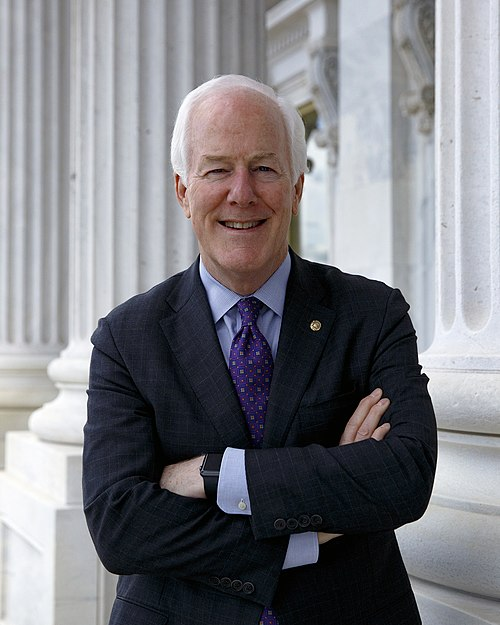
Co-Sponsor
-
TrackRichard J. Durbin

Co-Sponsor
-
TrackKirsten E. Gillibrand

Co-Sponsor
-
TrackLindsey Graham

Co-Sponsor
-
TrackChuck Grassley
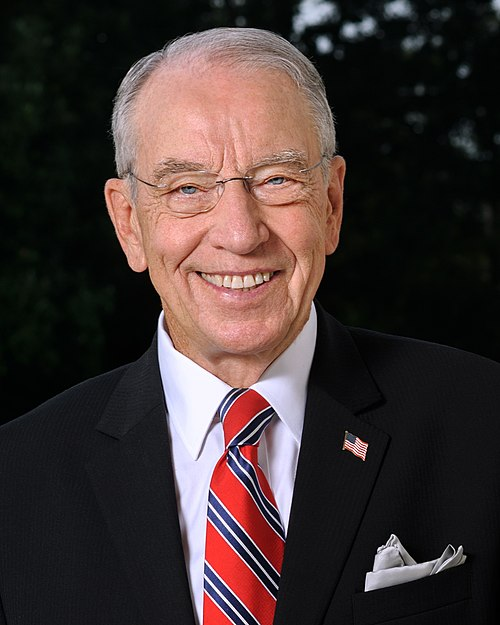
Co-Sponsor
-
TrackJosh Hawley

Co-Sponsor
-
TrackMazie K. Hirono

Co-Sponsor
-
TrackJohn Kennedy

Co-Sponsor
-
TrackAmy Klobuchar
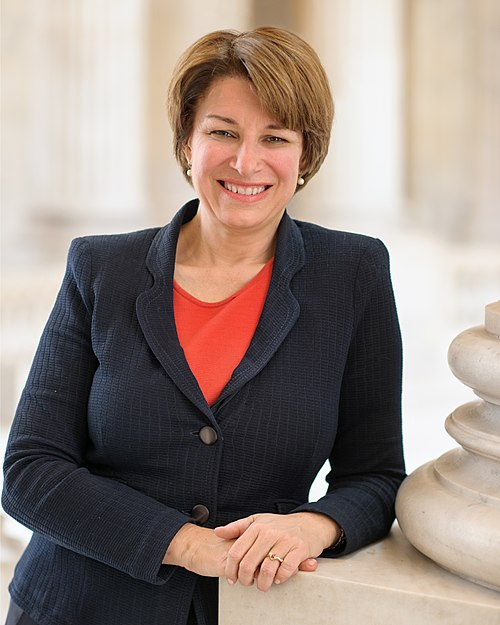
Co-Sponsor
-
TrackAshley Moody
Co-Sponsor
-
TrackAlex Padilla
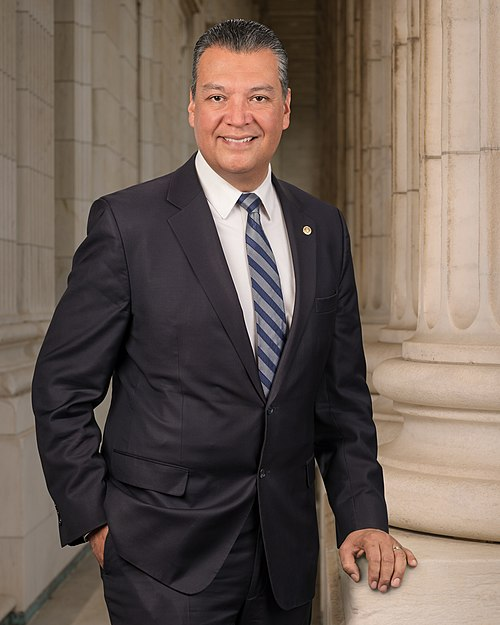
Co-Sponsor
-
TrackEric Schmitt
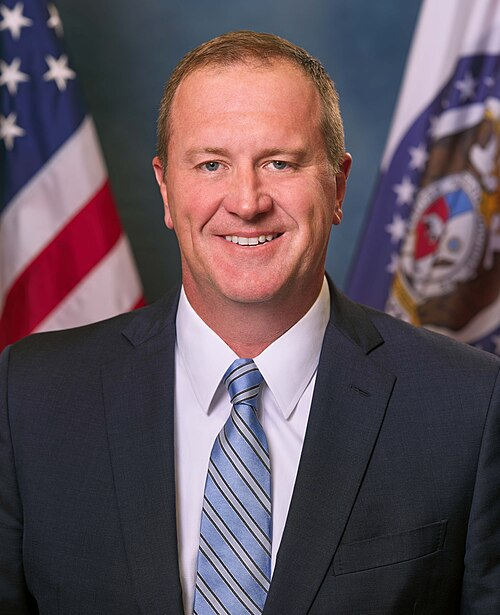
Co-Sponsor
-
TrackJeanne Shaheen
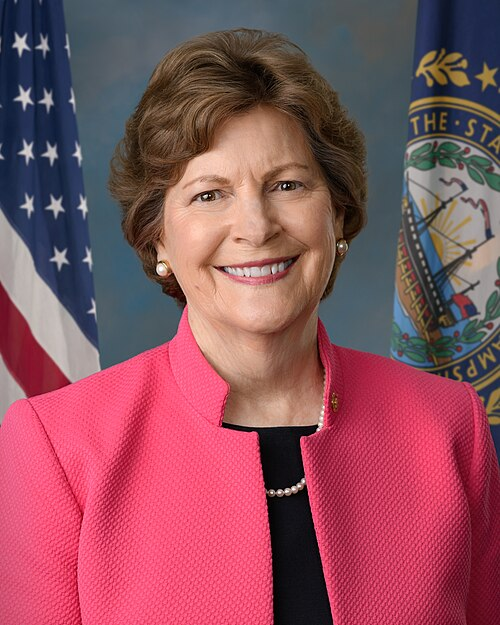
Co-Sponsor
-
TrackThom Tillis
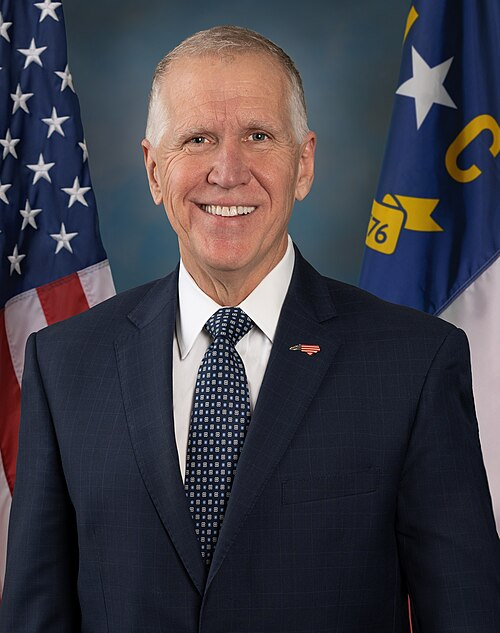
Co-Sponsor
-
TrackPeter Welch
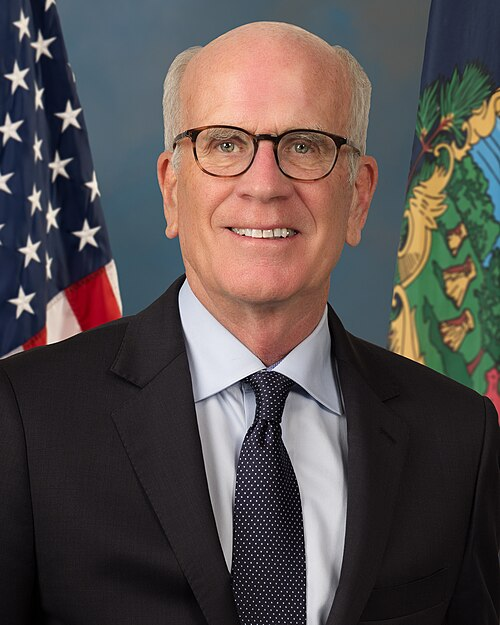
Co-Sponsor
Actions
10 actions
| Date | Action |
|---|---|
| May. 20, 2026 | Held at the desk. |
| May. 20, 2026 | Message on Senate action sent to the House. |
| May. 20, 2026 | Passed/agreed to in Senate: Passed Senate without amendment by Unanimous Consent. |
| May. 20, 2026 | Passed Senate without amendment by Unanimous Consent. (consideration: CR S2398-2400; text: CR S2399-2400) |
| May. 20, 2026 | Received in the House. |
| May. 19, 2026 | Committee on the Judiciary. Reported by Senator Grassley without amendment. Without written report. |
| May. 19, 2026 | Placed on Senate Legislative Calendar under General Orders. Calendar No. 413. |
| May. 14, 2026 | Committee on the Judiciary. Ordered to be reported without amendment favorably. |
| Mar. 03, 2026 | Introduced in Senate |
| Mar. 03, 2026 | Read twice and referred to the Committee on the Judiciary. |
Corporate Lobbying
0 companies lobbying
None found.
* Note that there can be significant delays in lobbying disclosures, and our data may be incomplete.
Potentially Relevant Congressional Stock Trades
No relevant congressional stock trades found.