S. 3956: Make Billionaires Pay Their Fair Share Act
The "Make Billionaires Pay Their Fair Share Act" introduces several provisions aimed at increasing funding for social programs and services through a new taxation framework, while also enhancing specific areas of public service. Here’s a breakdown of the key components of the bill:
Tax on High-Net-Worth Individuals
The bill imposes a 5% annual tax on individuals or trusts with assets exceeding $1 billion. This tax intends to address wealth inequality by ensuring that billionaire individuals contribute more to the funding of public services.
Affordability Rebates and Healthcare Expansions
In addition to the wealth tax, the bill includes provisions for affordability rebates designed to assist low- and middle-income families. It also aims to expand healthcare services, with specific measures to improve access and affordability for individuals and families.
Minimum Teacher Salaries and Educational Support
The legislation sets forth requirements for states to raise minimum teacher salaries to ensure better compensation for educators. This measure is part of a broader plan to enhance the quality of education and support for teachers, aligning with the bill's overall goal of improving public services.
Improvements to Dental Payments
A section of the bill proposes adjustments to dental payment amounts based on changes in the consumer price index. The adjustments include:
- Limitations on the frequency of preventive dental services.
- Incentives for rural dental providers to encourage service availability.
- Liability limitations for dentists who do not participate in certain agreements.
- Establishment of administrative policies for managing dental claims under Medicare.
Child Care and Early Learning Initiatives
The bill establishes a comprehensive child care and early learning entitlement program for children from birth through age five. This section defines eligible children and families while outlining:
- Funding appropriations.
- Requirements for states to provide quality child care services.
- Prioritization of underserved populations to improve access and quality of child care.
State Allotment System for Child Care
To support the child care initiative, the bill creates an allotment system for states based on the number of children in families living below 200% of the poverty line. The aims include:
- Encouraging grant applications from eligible localities.
- Expanding the Head Start program.
- Increasing access to child care services.
- Raising teacher salaries in early childhood education settings.
Enhancements in Home and Community-Based Services (HCBS)
The bill seeks to improve home and community-based services by:
- Ensuring that states maintain current funding levels.
- Improving access to these services for recipients.
- Expanding the workforce dedicated to providing HCBS.
- Implementing self-directed care models to empower recipients.
- Allocating funds for oversight and quality measurement.
- Extending protections against spousal impoverishment for recipients of HCBS.
Relevant Companies
None found.
This is an AI-generated summary of the bill text. There may be mistakes.
Sponsors
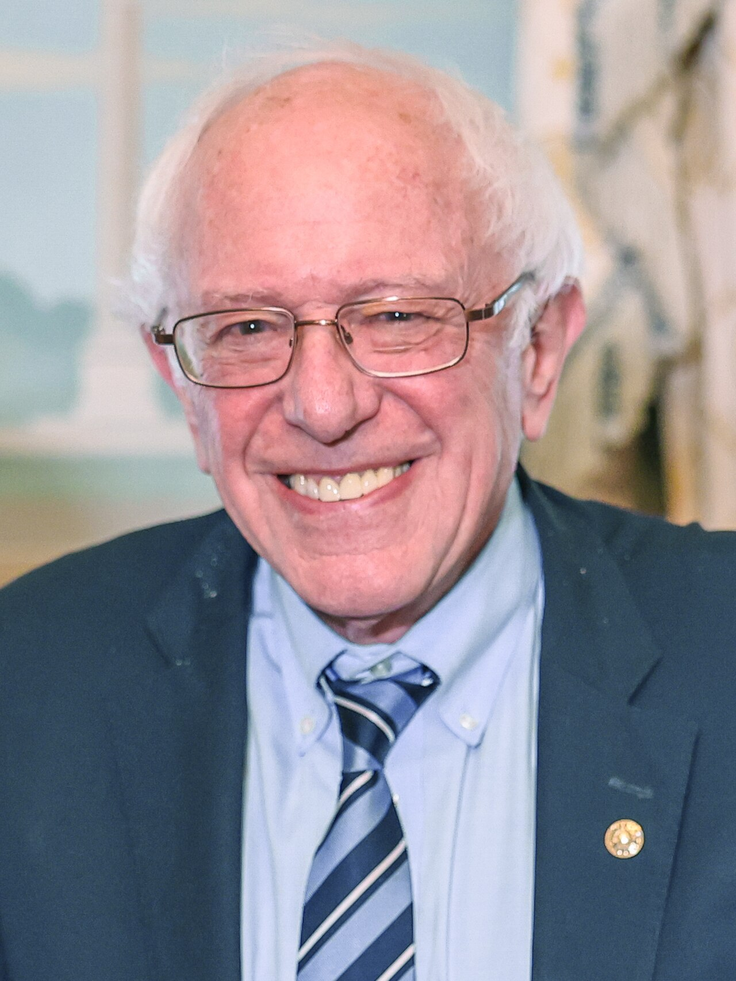
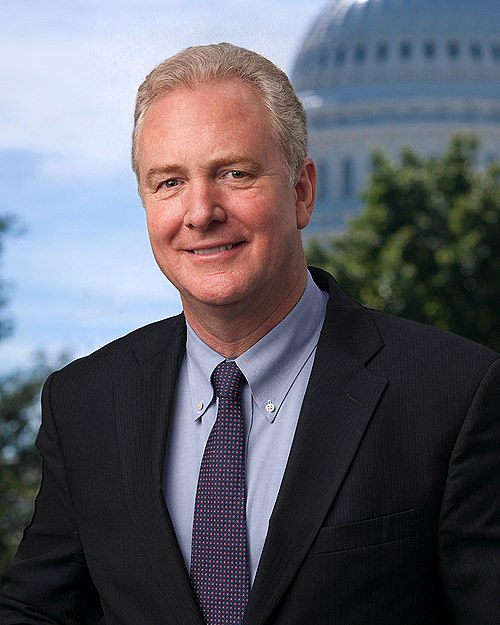
2 bill sponsors
Actions
2 actions
| Date | Action |
|---|---|
| Mar. 02, 2026 | Introduced in Senate |
| Mar. 02, 2026 | Read twice and referred to the Committee on Finance. |
Corporate Lobbying
0 companies lobbying
None found.
* Note that there can be significant delays in lobbying disclosures, and our data may be incomplete.
Potentially Relevant Congressional Stock Trades
No relevant congressional stock trades found.