S. 3920: Unifying American Security Interests Act
The Unifying American Security Interests Act (or UASI Act) aims to strengthen homeland security by modifying the eligibility conditions for grants under the Urban Areas Security Initiative (UASI). This will affect urban areas considered high-risk for terrorism and other security threats. Here is a breakdown of the key measures included in the bill:
Grant Eligibility Changes
To qualify for UASI grants, urban areas will need to:
- Demonstrate that at least 30% of the total grant amount will be allocated to various national priority areas.
National Priority Areas
The national priority areas, where the funding must be spent, include:
- Enhancing Cybersecurity: Improving defenses against cyber threats.
- Protecting Soft Targets: Bolstering security for places that attract large crowds, such as shopping malls and concert venues.
- Support for Task Forces: Aiding Homeland Security Task Forces and Fusion Centers that coordinate security efforts.
- Election Security: Implementing measures to ensure the integrity and security of elections.
- Border Crisis Response: Enhancing cooperation with U.S. Immigration and Customs Enforcement (ICE) to manage border security and immigration enforcement.
Specific Allocation Requirements
Within the 30% total allocation, there are minimum spending requirements, including:
- At least 3% dedicated to election security activities.
- At least 10% aimed at supporting border crisis response and enforcement, which includes:
- Training local law enforcement to perform immigration enforcement tasks.
- Cooperating with ICE detainers and responsibilities.
- Training personnel in immigration law and civil rights protections.
- Developing information-sharing platforms for local agencies and ICE.
- Procurement of technology to aid in immigration enforcement.
- Joint training exercises with ICE.
- Covering operational costs directly tied to immigration enforcement activities.
Investment Justification
Each applicant will need to submit a justification for their investments in projects related to border crisis response and enforcement, ensuring alignment with national border security goals. These projects also require coordination with ICE field offices.
Compliance and Consequences for Noncompliance
Applicants must certify compliance with the Department of Homeland Security's terms, including not benefitting or incentivizing illegal immigration. If an applicant fails to meet the required allocations, they may face:
- Denial of grant eligibility.
- Hold on up to 30% of the grant award until compliance is achieved.
- Other penalties, including termination of the grant or disqualification from future grants.
Timeline of Applicability
The new requirements will be applicable to all UASI grants awarded for fiscal year 2027 and beyond.
State and Local Law Consideration
This Act will not override state or local laws, except where necessary to comply with federal grant funding conditions as specified in the bill.
Relevant Companies
- CSCO (Cisco Systems, Inc.): May see impacts due to the cybersecurity enhancements mandated in the bill, potentially leading to increased demand for its security products.
- ORCL (Oracle Corporation): Likely to be affected in terms of its cybersecurity offerings and government contracts for secure database management systems.
This is an AI-generated summary of the bill text. There may be mistakes.
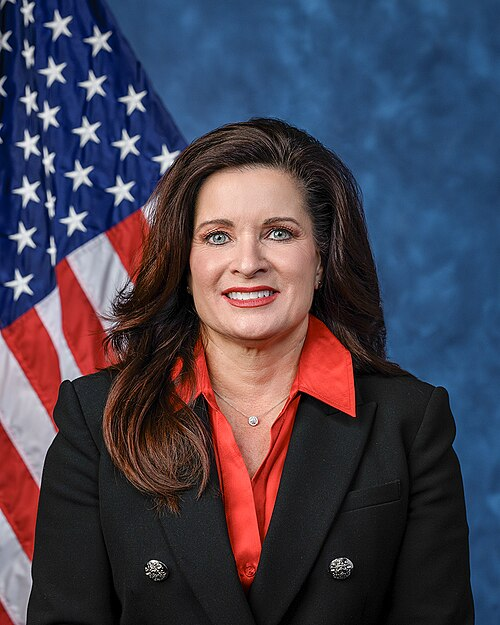
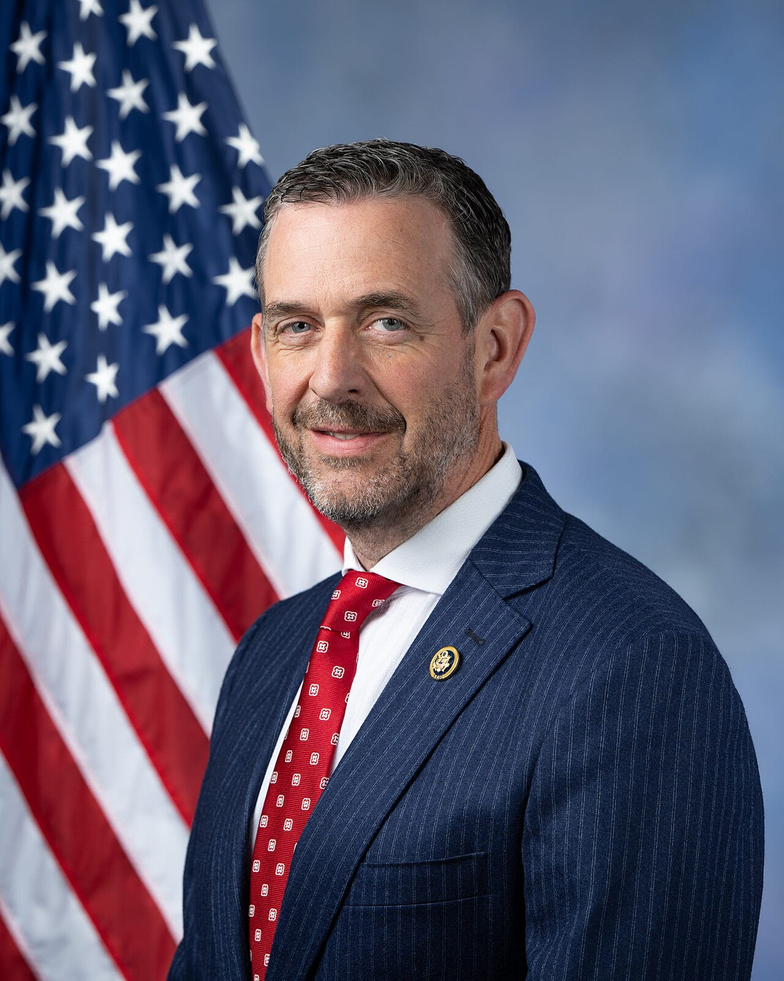
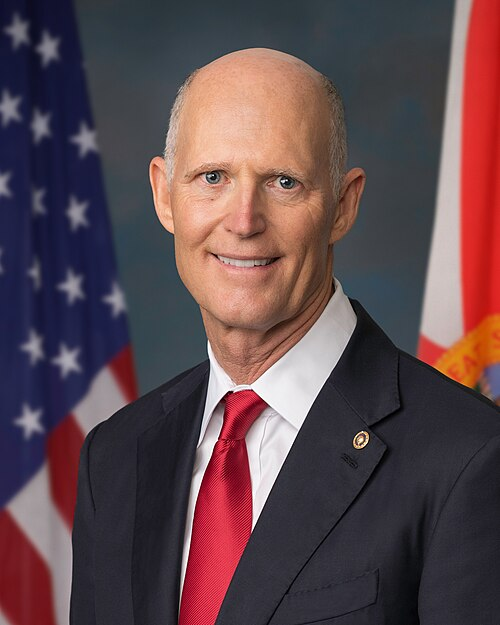
Sponsors
2 bill sponsors
Actions
2 actions
| Date | Action |
|---|---|
| Feb. 25, 2026 | Introduced in Senate |
| Feb. 25, 2026 | Read twice and referred to the Committee on Homeland Security and Governmental Affairs. |
Corporate Lobbying
0 companies lobbying
None found.
* Note that there can be significant delays in lobbying disclosures, and our data may be incomplete.