S. 3892: Stop Price Gouging in Grocery Stores Act of 2026
This bill, titled the "Stop Price Gouging in Grocery Stores Act of 2026," aims to regulate pricing practices in retail food stores to prevent what is defined as price gouging and unfair pricing based on consumer surveillance. The main components of the bill are summarized below:
Prohibition on Price Gouging
The bill makes it illegal for retail food stores to sell or offer items at prices that are considered "grossly excessive." Retailers can defend against allegations of price gouging if they can prove that price increases are due to additional costs they incurred that they could not control. Guidelines will be established to define what constitutes a grossly excessive price, potentially considering prices that exceed 120% of the average price for a similar item over the previous six months.
Prohibition on Surveillance-Based Price Setting
Retail food stores are prohibited from altering prices based on personal information about consumers, including data collected through facial recognition technology. The bill allows for differences in pricing if they are based purely on reasonable costs to provide the item or if discounts are publicly disclosed and equally available to all consumers.
Use of Biometric Data
While the bill restricts many uses of personal data, it does permit retail food stores to use biometric data (like facial recognition) if consumers voluntarily provide this data. Strict guidelines must be followed regarding the notification to consumers about the data collection, its purpose, and restrictions on sharing the data.
Disclosure Requirements
Retail food stores that utilize facial recognition technology are required to inform consumers about this use through clear signage at the store entrance, specifying the intent of using such technology.
Regulation on Electronic Shelf Labels
Stores larger than 10,000 square feet cannot use electronic shelf labels or digital displays for pricing. They must present prices in non-digital formats, such as printed tags. However, the bill allows them to provide discounts based on purchase histories as long as they adhere to the established guidelines.
Enforcement Mechanisms
The Federal Trade Commission (FTC) will be responsible for enforcing these regulations. Violations of the bill can be treated as unfair or deceptive acts, with the FTC having the authority to impose penalties aligned with the Federal Trade Commission Act. Additionally, state attorneys general can take action if they believe residents' interests are affected by violations of this bill.
Consumers who feel wronged by price gouging or unfair pricing practices are granted the right to pursue legal action against retailers, claiming for damages, with specific guidelines on penalties for willful violations.
Federal and State Law Interactions
The bill does not preempt stronger state laws that offer greater protections to consumers regarding price gouging or surveillance practices.
Financial Provisions
The bill provides for an appropriation of $5 million for the fiscal year 2026 to support its implementation.
Definitions
The bill includes specific definitions for terms like "retail food store," "biometric data," "price gouging," "surveillance-based price setting," and others to clarify its scope and intent.
Relevant Companies
- WMT - Walmart Inc.: As one of the largest grocery retailers, any prohibitions on price gouging and limitations on pricing strategies could significantly affect its profit margins and operational practices.
- KR - The Kroger Company: Similar to Walmart, Kroger's pricing strategies could be directly impacted by the new regulations concerning price setting and surveillance practices.
- AAPL - Amazon.com Inc.: If Amazon retail practices fall under the definition of retail food stores, the legislation could affect how it sets prices for grocery items sold through its platform.
- TSCO - Tractor Supply Company: As a retailer that sells food products among other items, changes in pricing regulations may impact its pricing strategy as well.
This is an AI-generated summary of the bill text. There may be mistakes.
Sponsors
10 bill sponsors
-
TrackBen Ray Lujan
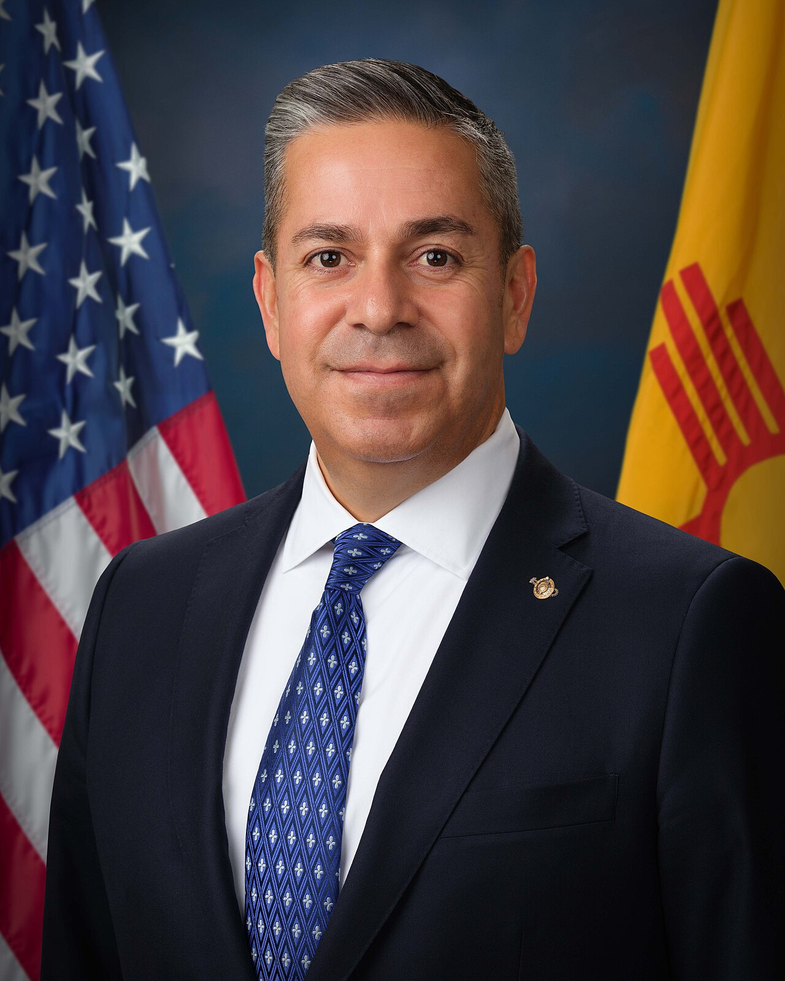
Sponsor
-
TrackMichael F. Bennet

Co-Sponsor
-
TrackTammy Duckworth
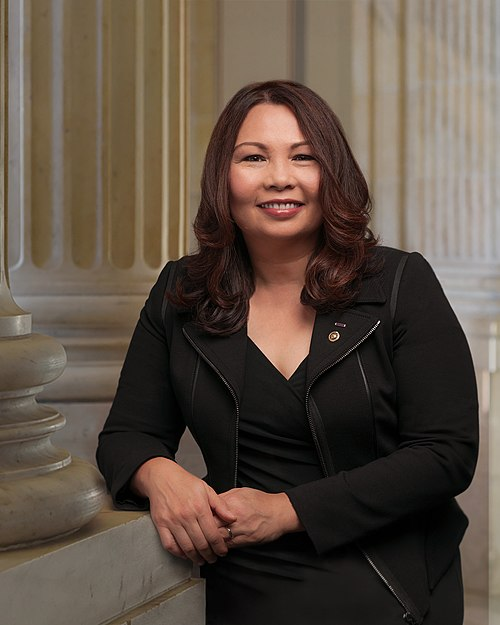
Co-Sponsor
-
TrackKirsten E. Gillibrand
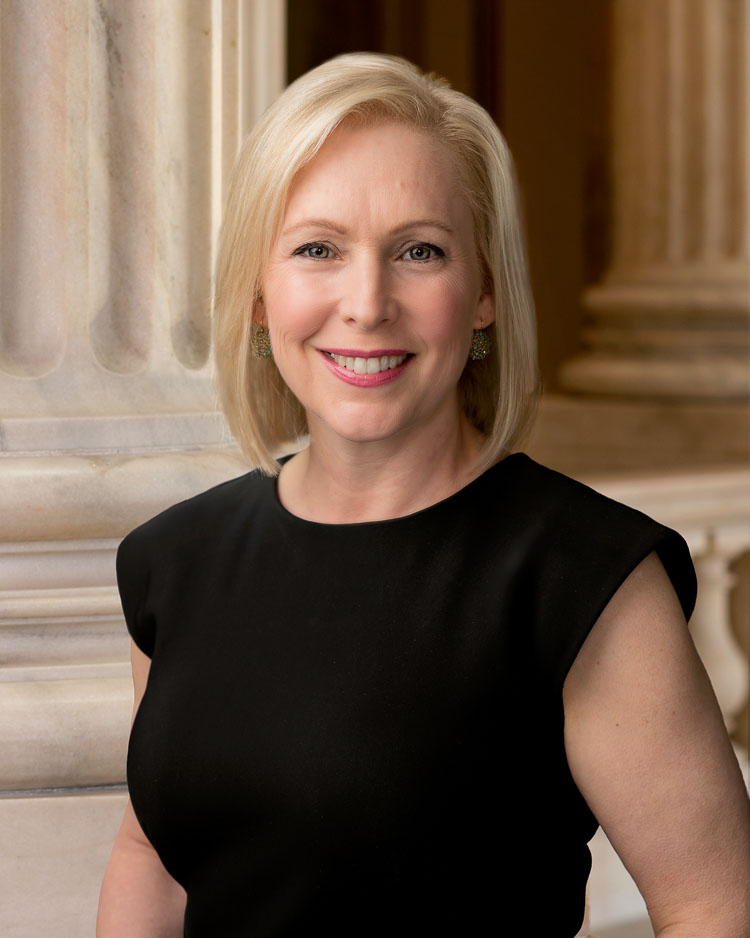
Co-Sponsor
-
TrackMartin Heinrich

Co-Sponsor
-
TrackJeff Merkley
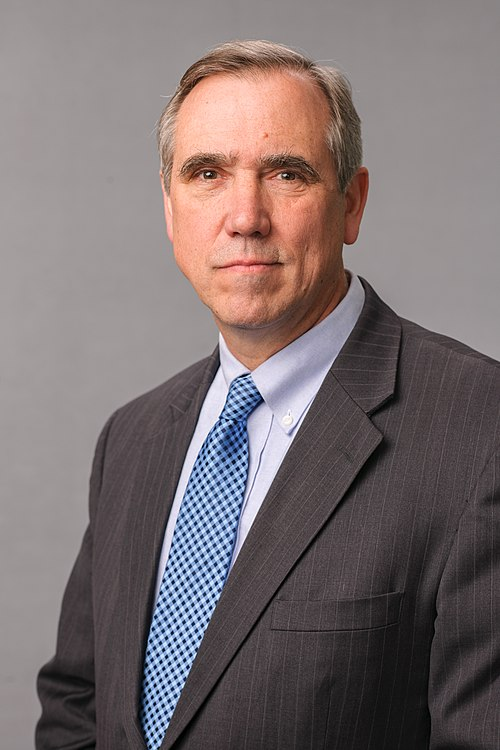
Co-Sponsor
-
TrackJon Ossoff

Co-Sponsor
-
TrackJacky Rosen

Co-Sponsor
-
TrackBernard Sanders
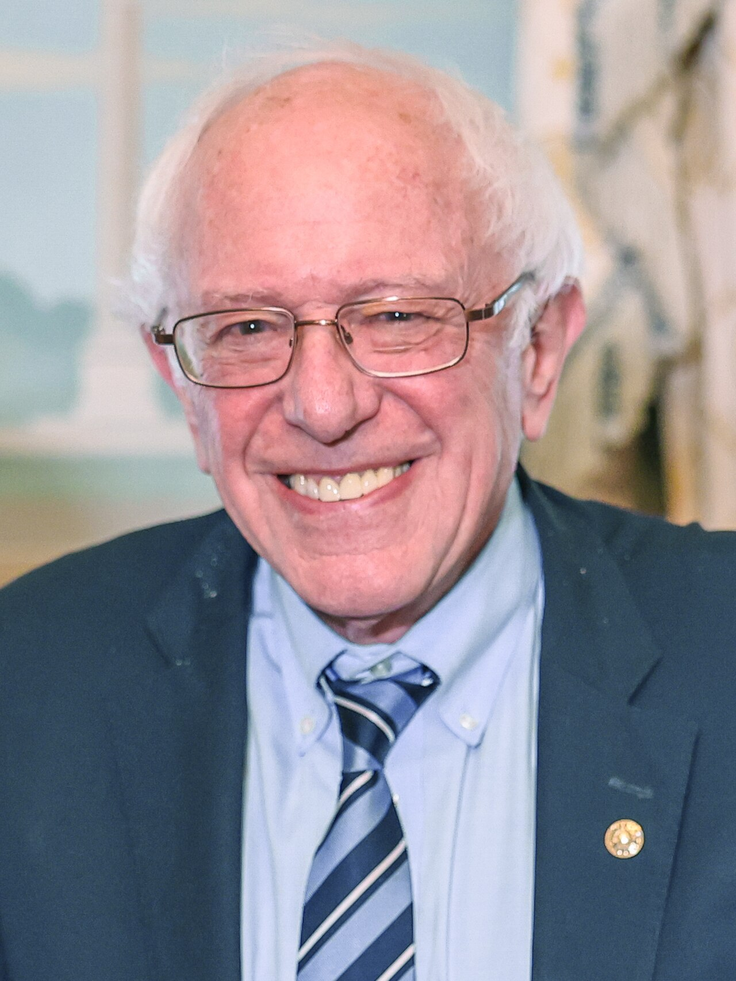
Co-Sponsor
-
TrackElizabeth Warren
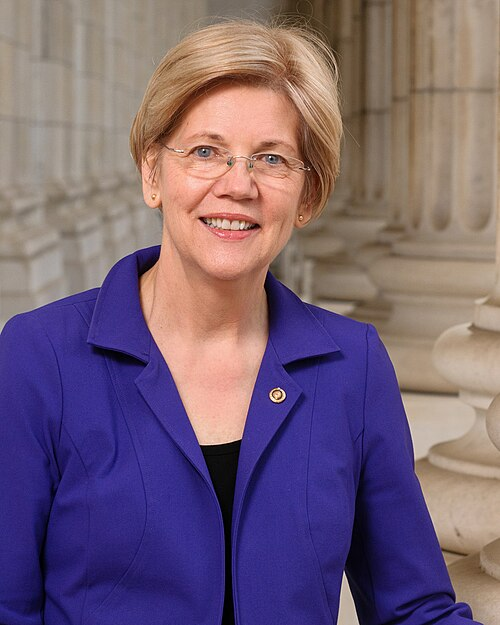
Co-Sponsor
Actions
2 actions
| Date | Action |
|---|---|
| Feb. 12, 2026 | Introduced in Senate |
| Feb. 12, 2026 | Read twice and referred to the Committee on Commerce, Science, and Transportation. |
Corporate Lobbying
0 companies lobbying
None found.
* Note that there can be significant delays in lobbying disclosures, and our data may be incomplete.