S. 3867: Holiday Pay Act
The Holiday Pay Act is a proposed legislation that aims to amend the Fair Labor Standards Act of 1938 regarding employee compensation during legal public holidays. Here are the key provisions of the bill:
Definition of Legal Public Holiday
The bill defines a "legal public holiday" as any holiday recognized in section 6103(a) of title 5 of the United States Code, which typically includes holidays like New Year's Day, Independence Day, and Thanksgiving.
Increased Compensation Requirement
Employers would be required to pay employees who work on a legal public holiday at least one and one-half times their regular pay rate. This is often referred to as "overtime" pay and ensures that employees who work on holidays are fairly compensated for their time.
Amendments Related to Overtime Compensation
The bill makes specific amendments to sections of the Fair Labor Standards Act regarding overtime compensation:
- Work performed on legal public holidays will be excluded from the criteria for determining overtime compensation credits.
- Employer penalties for non-compliance will be clarified, making it clear that failing to adhere to this law would result in consequences akin to violations of other compensation sections.
Exemptions to the Rule
The bill modifies existing exemptions in the law where certain types of employment may not require this holiday pay. The specifics of these exemptions will be clarified to ensure that employees in particular roles or sectors aren't unintentionally left out or included.
Protection Against Non-compliance
The bill strengthens the enforcement provisions related to holiday pay, making it clear that any order or provision under this act does not allow employers to circumvent higher compensation laws established at the federal, state, or local levels. Essentially, if a state law mandates higher pay or additional holidays, it would take precedence over this federal law.
Conforming Amendments
In addition to the major amendments, various conforming changes will be made throughout the Fair Labor Standards Act to integrate the new provisions seamlessly. This might include updates to definitions, compliance measures, and the statute of limitations related to claims over unpaid holiday compensation.
Relation to Other Laws
The bill establishes that compliance with its provisions does not exempt employers from adhering to any higher compensation requirements mandated by other laws or municipal ordinances. This ensures that the law enhances employee protections without diminishing rights guaranteed by other legal frameworks.
Impact on Employers
If enacted, this bill could lead to increased operational costs for businesses that require employees to work on public holidays, particularly in sectors such as retail, hospitality, and emergency services, where holiday work is common.
Relevant Companies
- WMT: As a large retail chain, Walmart may be directly affected due to the requirement to pay employees at higher rates when working on holidays.
- AMZN: Amazon might face increased labor costs for fulfilling orders during legal public holidays, which often require substantial staffing.
- MCD: McDonald's, with many employees potentially required to work during public holidays, would need to adjust compensation policies to align with the new requirements.
This is an AI-generated summary of the bill text. There may be mistakes.
Sponsors
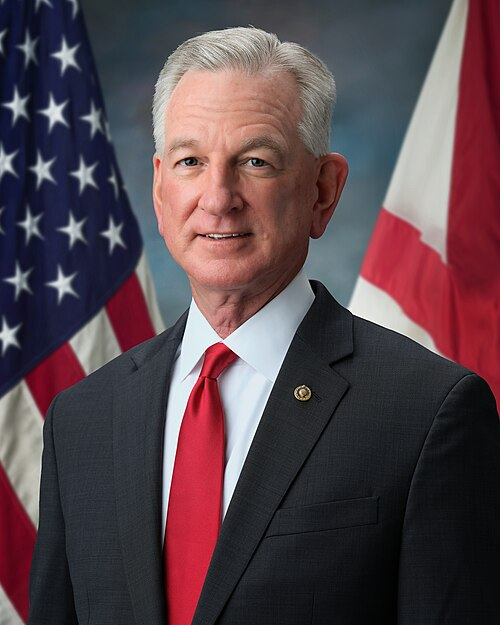
1 sponsor
Actions
2 actions
| Date | Action |
|---|---|
| Feb. 12, 2026 | Introduced in Senate |
| Feb. 12, 2026 | Read twice and referred to the Committee on Health, Education, Labor, and Pensions. |
Corporate Lobbying
0 companies lobbying
None found.
* Note that there can be significant delays in lobbying disclosures, and our data may be incomplete.