S. 3847: Stop Corporate Inversions Act of 2026
The Stop Corporate Inversions Act of 2026 aims to change the way certain foreign corporations are treated for tax purposes in the United States. Its primary goal is to prevent or limit the practice of corporate inversions, where a U.S. corporation merges with a foreign company and then re-establishes itself as a foreign entity, often to benefit from lower tax rates.
Key Provisions of the Bill
- Classification of Corporations: The bill stipulates that a foreign corporation would be considered a domestic corporation for tax purposes if it meets certain criteria regarding its ownership and control.
- New Ownership Threshold: To classify a foreign corporation as a surrogate foreign corporation, ownership needs to be more than 80 percent instead of the current 60 percent threshold.
- Definition of Inverted Corporations: A foreign corporation is deemed to be an inverted domestic corporation if it is acquired as part of a transaction that includes mainly U.S. assets and if more than half of its stock is owned by shareholders from the domestic corporation involved in the acquisition.
- Exception for Substantial Foreign Business: A foreign corporation will not be classified as inverted if it has significant business activities in the country where it was organized, compared to its overall global activities.
- Management and Control Regulations: The Secretary of the Treasury will develop regulations to determine where the management and control of a company primarily takes place, focusing on the location of executive officers and senior management.
- Significant Domestic Business Activities: The definition of significant domestic business activities includes having at least 25 percent of the group's employees in the U.S., U.S.-based employee compensation, U.S. assets, or income from U.S. sources.
- Conforming Amendments: The bill also makes various adjustments to section 7874 of the Internal Revenue Code to reflect these new definitions and requirements.
- Effective Date: The changes proposed by this bill would apply to taxable years ending after May 8, 2014.
Intended Purpose
The intended purpose of this legislation is to ensure that corporations cannot exploit the loopholes in the tax code that allow them to lower their tax burdens by moving their registrations overseas, especially when such moves do not truly reflect their business activities or management structure. The legislation seeks to reinforce the notion that companies should contribute to the U.S. tax system in alignment with their operations and economic presence in the U.S.
Relevant Companies
- FDX (FedEx Corporation): As a large logistics and delivery company, changes in tax treatment related to inversions may affect their strategic financial decisions.
- AMGN (Amgen Inc.): A biopharmaceutical company that could face impacts from international operations and tax strategies to maintain competitiveness in global markets.
This is an AI-generated summary of the bill text. There may be mistakes.
Sponsors
10 bill sponsors
-
TrackRichard J. Durbin

Sponsor
-
TrackTammy Baldwin

Co-Sponsor
-
TrackRichard Blumenthal

Co-Sponsor
-
TrackTammy Duckworth
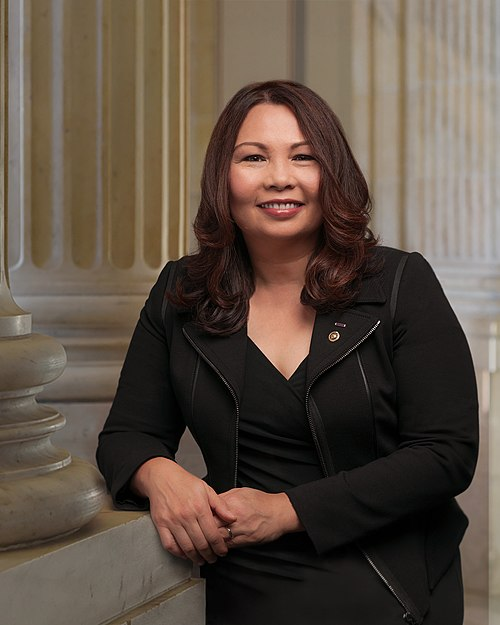
Co-Sponsor
-
TrackMazie K. Hirono

Co-Sponsor
-
TrackJack Reed

Co-Sponsor
-
TrackBernard Sanders

Co-Sponsor
-
TrackChris Van Hollen

Co-Sponsor
-
TrackElizabeth Warren
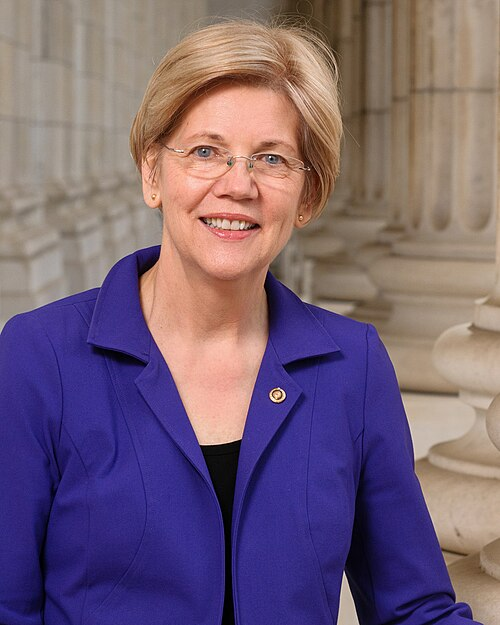
Co-Sponsor
-
TrackSheldon Whitehouse

Co-Sponsor
Actions
2 actions
| Date | Action |
|---|---|
| Feb. 11, 2026 | Introduced in Senate |
| Feb. 11, 2026 | Read twice and referred to the Committee on Finance. (text: CR S579-580) |
Corporate Lobbying
0 companies lobbying
None found.
* Note that there can be significant delays in lobbying disclosures, and our data may be incomplete.