S. 3811: American Business for American Companies Act of 2026
This bill, titled the American Business for American Companies Act of 2026
, proposes several significant changes regarding the awarding of federal government contracts, particularly aimed at companies that have undergone a corporate inversion. A corporate inversion occurs when a domestic company merges with a foreign company and relocates its headquarters to the foreign country, primarily for tax benefits. Here’s an overview of the bill's key provisions:
Prohibition on Contracts
The bill establishes a prohibition against federal contracts being awarded to inverted domestic corporations, which are defined as foreign entities that have undergone a corporate inversion after May 8, 2014. Specifically, the heads of federal agencies are prohibited from:
- Awarding any contracts to foreign entities identified as inverted domestic corporations or their subsidiaries.
- Awarding contracts to joint ventures where more than 10% of the venture is controlled by an inverted domestic corporation.
Subcontracting Regulations
In contracts valued over $10,000,000 (excluding contracts for exclusively commercial items), this bill requires that prime contractors include clauses that prevent them from:
- Awarding first-tier subcontracts exceeding 10% of the total contract value to inverted domestic corporations or their subsidiaries.
- Structuring subcontract tiers in a manner that would allow inverted entities to perform more than 10% of the contract value indirectly.
If these clauses are violated, the prime contract can be terminated for default, and the contractor may face suspension or debarment.
Definition of Inverted Domestic Corporations
A foreign incorporated entity will be classified as an inverted domestic corporation if:
- It has completed a transaction acquiring substantial assets or properties of a domestic corporation or partnership after May 8, 2014.
- After this acquisition, the entity must have more than 50% of its stock held by former shareholders or partners of the acquired domestic entity and must primarily manage and control its operations out of the United States.
Exceptions
The bill provides an exception for entities that have substantial business operations in the foreign country where they are incorporated, meaning they wouldn’t be classified as inverted if a significant portion of their business activity is conducted locally.
Waivers
If necessary, agency heads can waive the prohibitions in the bill if they determine it is in the interest of national security or necessary for effective government program administration. Such waivers must be reported to Congress within 14 days.
General Applicability
The provisions apply to contracts entered into after the bill's enactment and to any task or delivery orders issued on contracts entered before or after the enactment date.
Definitions and Regulations
The bill incorporates definitions for key terms and stipulates the Secretary of the Treasury will establish regulations to determine when a corporate entity's management and control are considered to be occurring primarily within the United States based on the location of executive officers and senior management.
Relevant Companies
- GE (General Electric) - As a company that has previously engaged in corporate inversion, GE could be affected by restrictions on federal contracts and subcontracts.
- UBER (Uber Technologies, Inc.) - Inverted status may impact Uber if its contract work with federal agencies is limited.
- MDLZ (Mondelez International) - Mondelez has engaged in inversion strategies that could classify it as an inverted domestic corporation, potentially impacting its federal contract eligibility.
This is an AI-generated summary of the bill text. There may be mistakes.
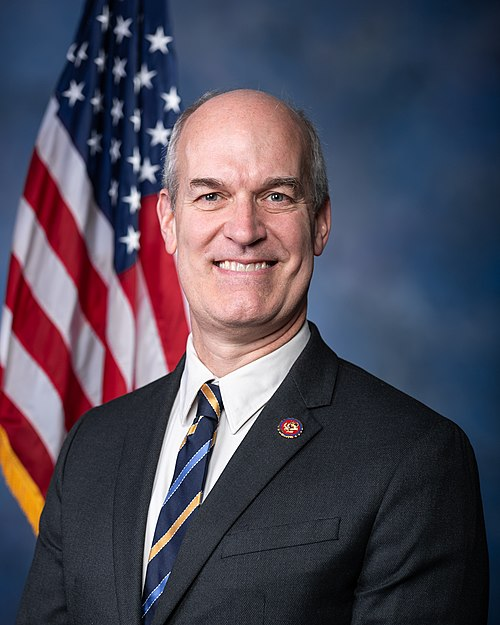
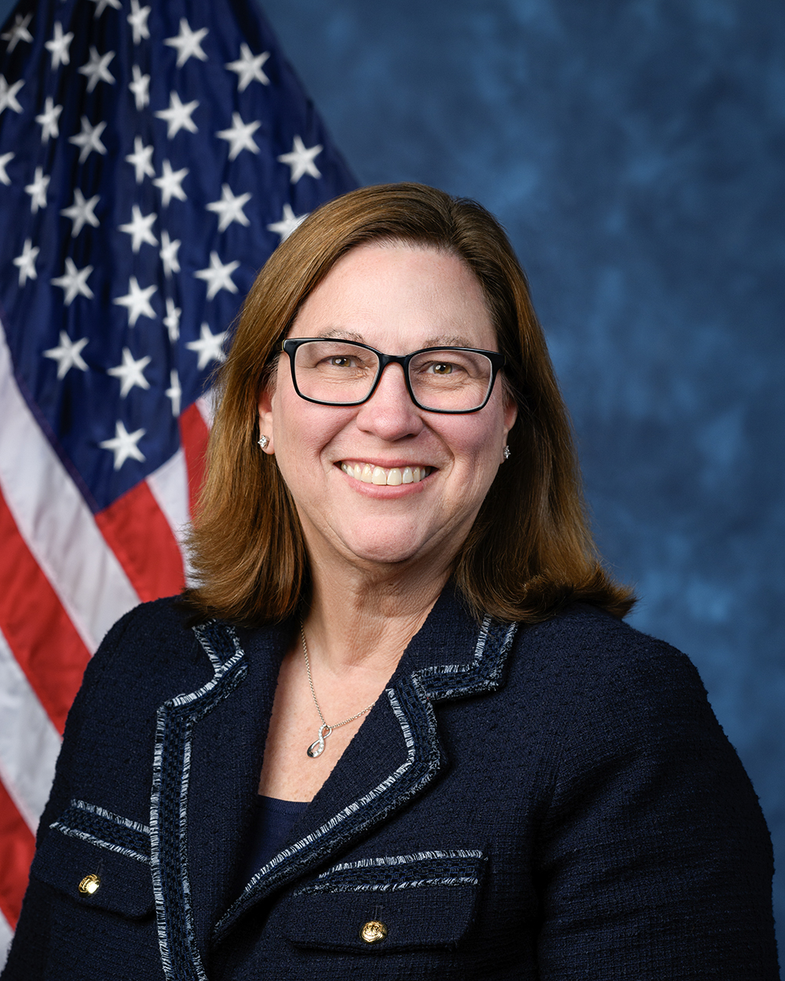
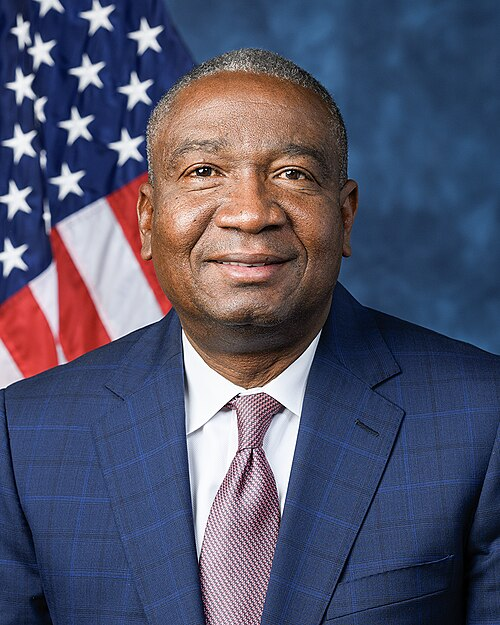
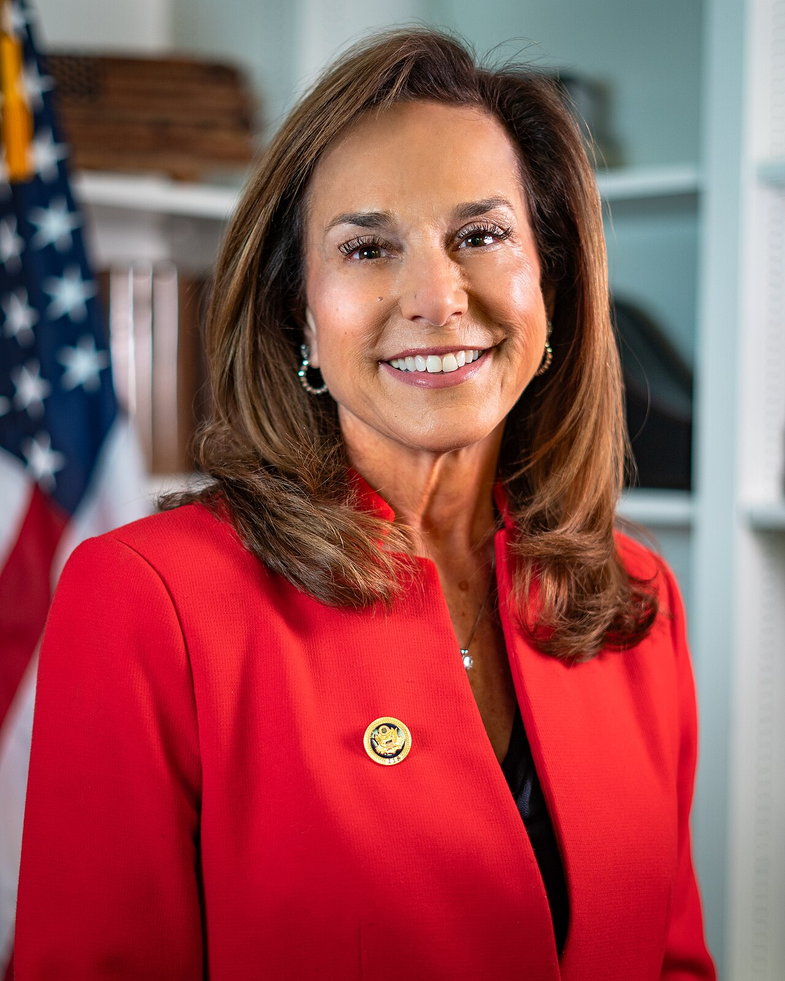
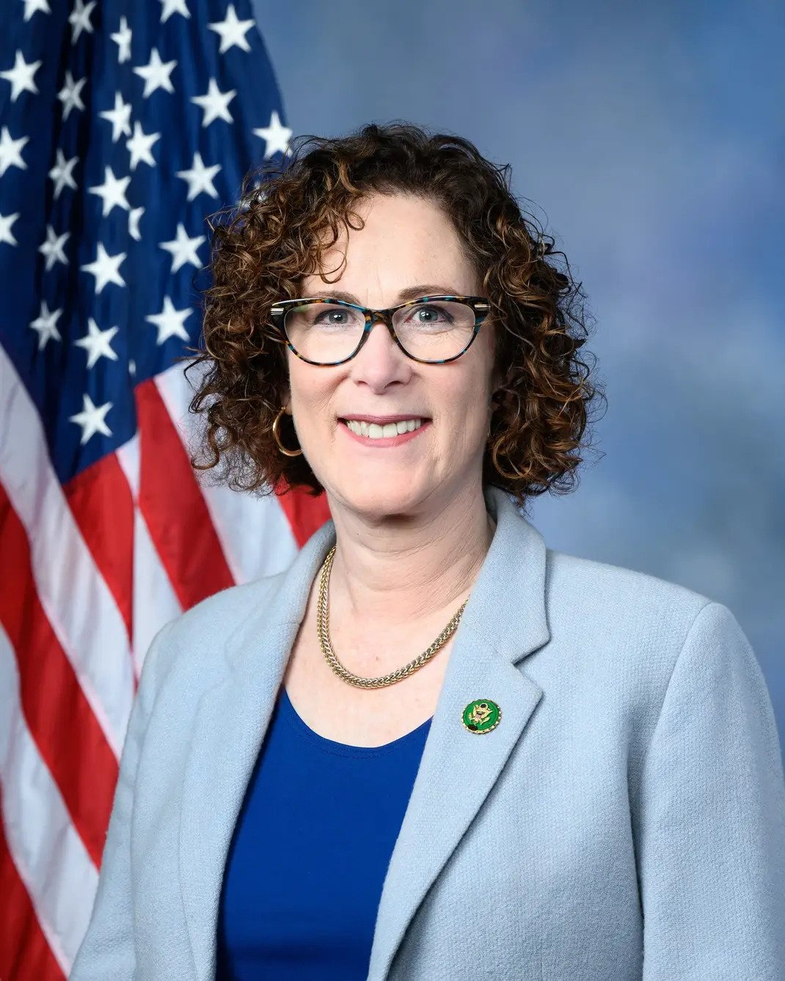
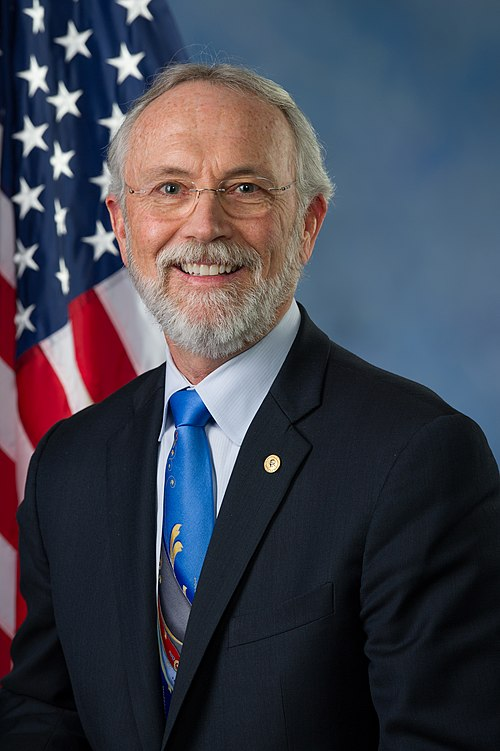
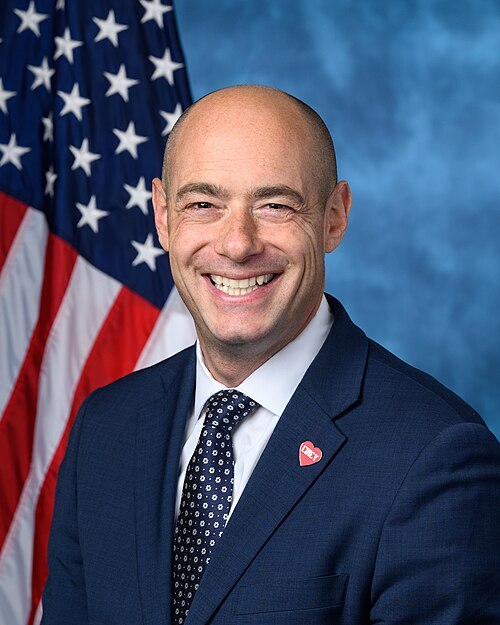
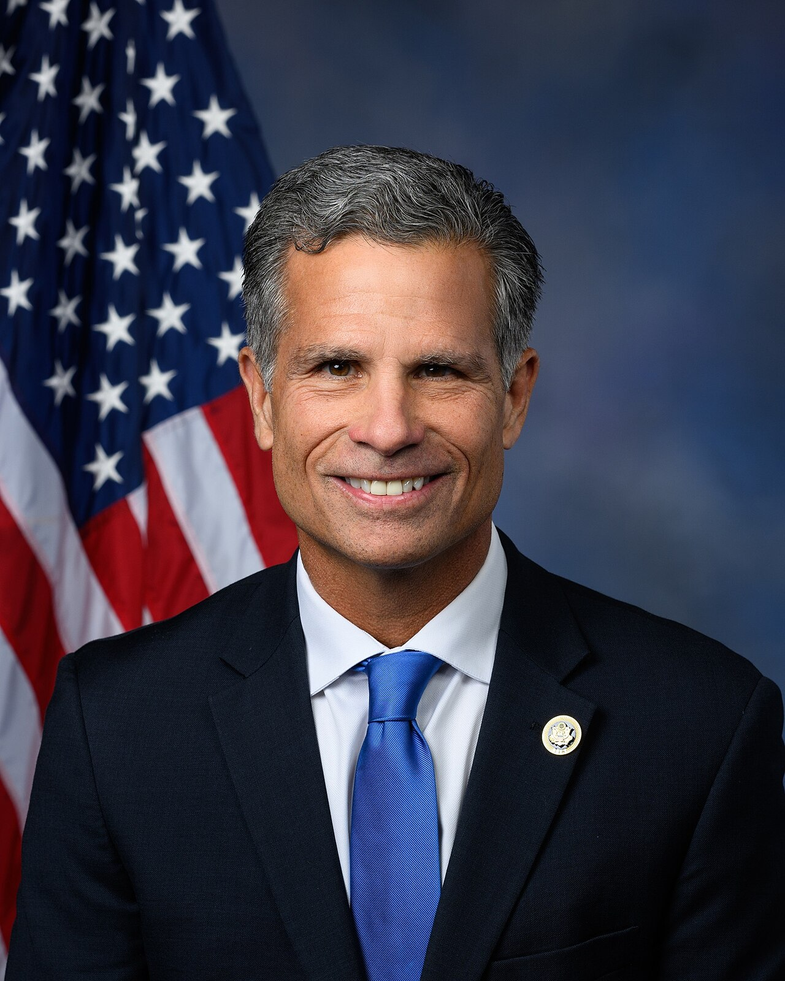
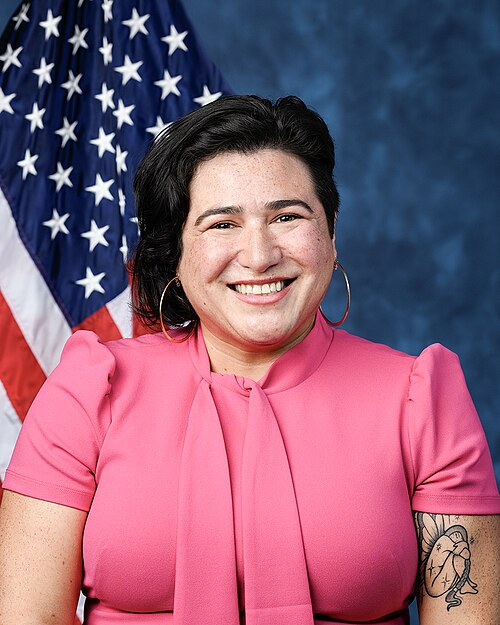
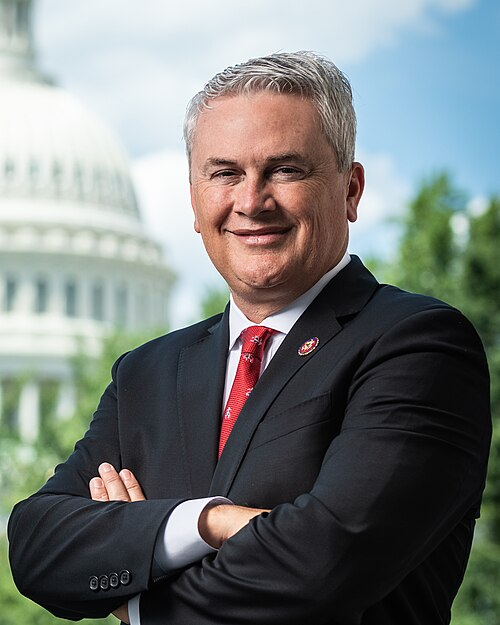
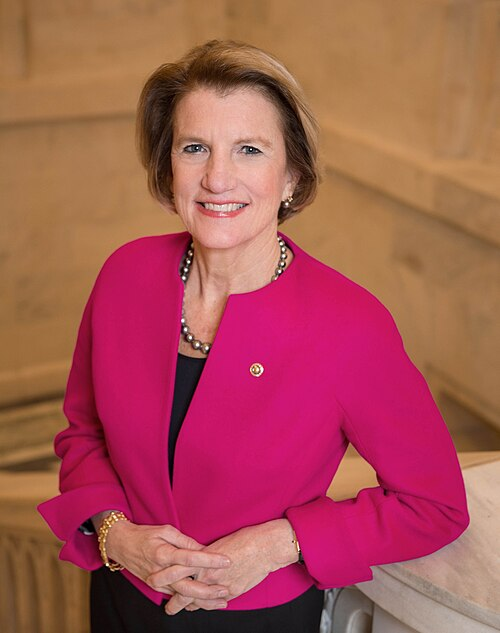
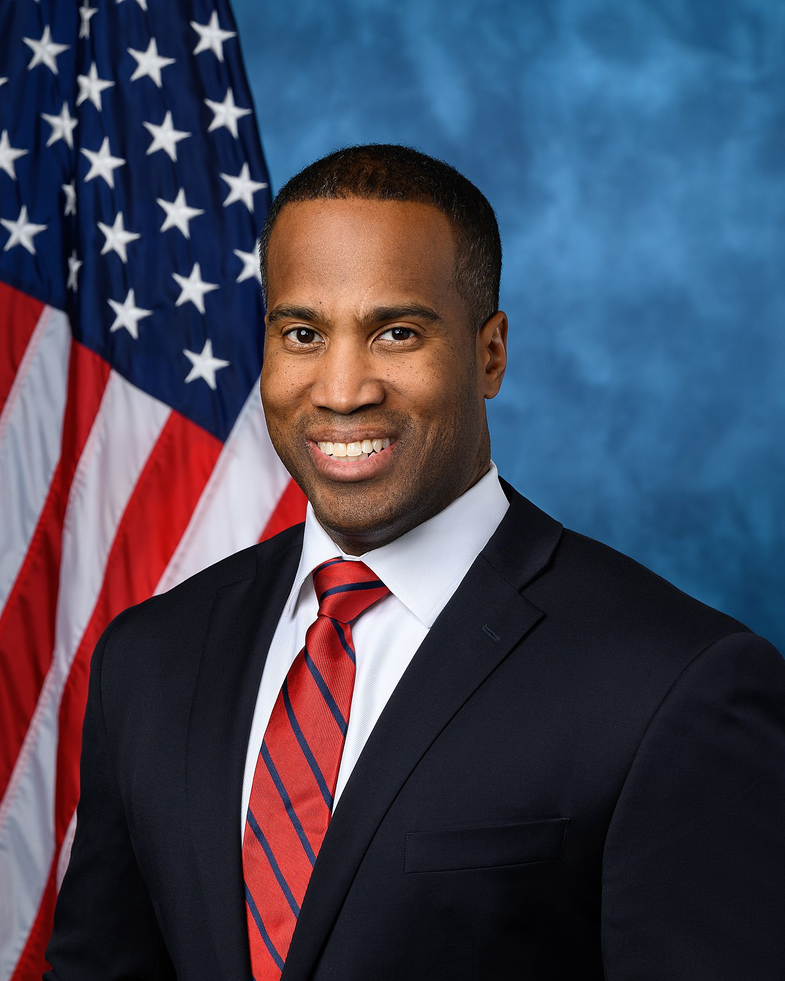
Sponsors
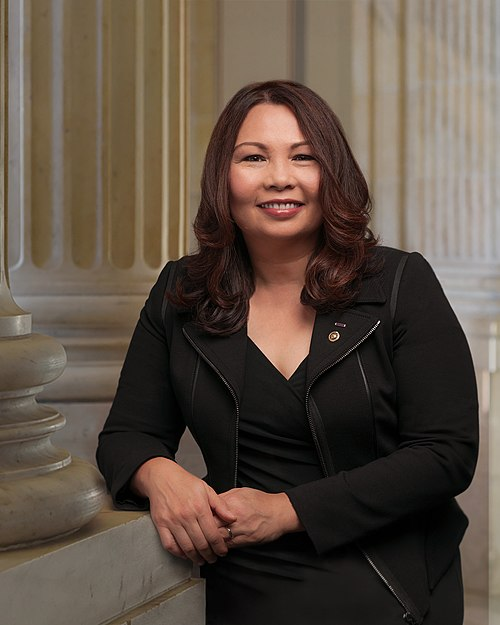
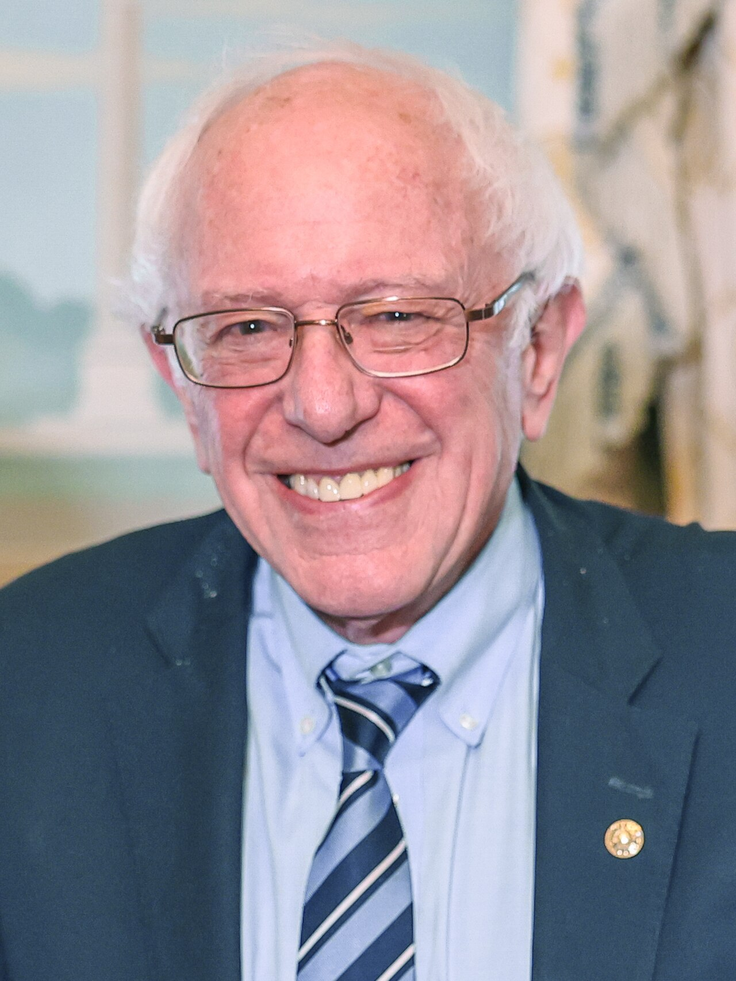
5 bill sponsors



Actions
2 actions
| Date | Action |
|---|---|
| Feb. 09, 2026 | Introduced in Senate |
| Feb. 09, 2026 | Read twice and referred to the Committee on Homeland Security and Governmental Affairs. (text: CR S535-537) |
Corporate Lobbying
0 companies lobbying
None found.
* Note that there can be significant delays in lobbying disclosures, and our data may be incomplete.