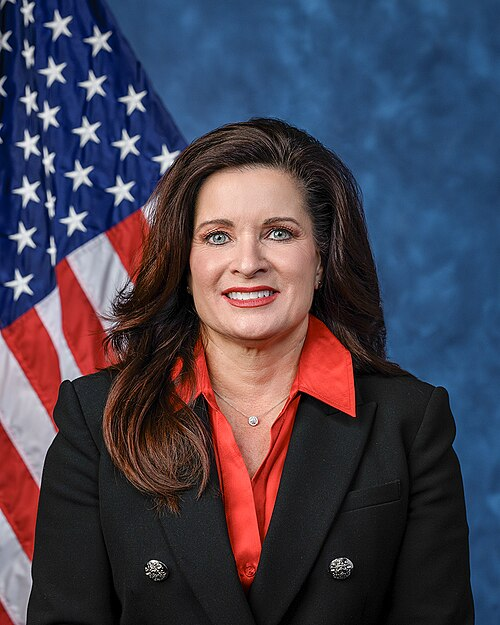
S. 3805: End Sanctuary Cities Act of 2026
The "End Sanctuary Cities Act of 2026" is proposed legislation aimed at addressing the actions of certain state and local officials with respect to immigration laws. Below is a summary of the key components of the bill:
Purpose
The main purpose of this bill is to amend U.S. federal law regarding immigration by making it illegal for state or local officials to obstruct compliance with immigration laws, particularly in relation to individuals classified as "criminal aliens." A "criminal alien" is defined as a non-U.S. citizen who has been charged with or convicted of a crime.
Prohibited Conduct
Under the proposed legislation, it would be unlawful for high-ranking state or local officials to:
- Knowingly prevent or limit compliance with federal requests from the Department of Homeland Security (DHS) regarding advance notice of the release of a criminal alien.
- Implement or enforce any laws, regulations, policies, or practices that restrict such compliance.
Definitions Provided
The bill includes definitions for key terms such as:
- Immigration laws: Defined according to existing U.S. immigration law.
- Reasonable advance notice: This refers to providing timely notice, ideally at least 48 hours in advance, of a criminal alien's scheduled release from custody.
- Serious violent felony: This term is also defined according to existing federal law.
Penalties for Violation
Should the bill pass, penalties would apply to officials who violate these provisions:
- If a violation results in the release of a criminal alien charged or convicted of murder, rape, or certain sexual offenses against minors, the penalty would be imprisonment for 10 to 25 years.
- If the violation results in releasing a criminal alien charged with a serious violent felony, the penalty would be imprisonment for 5 to 10 years.
- If the violation results in the release of a criminal alien charged with any other federal or state crime, the penalty would be imprisonment for 30 days to 6 months.
Severability Clause
The bill includes a severability clause, meaning that if any part of the law is found to be invalid, the remaining sections will still be in effect.
Technical and Conforming Amendment
The bill proposes a technical amendment to categorize the new section regarding obstruction of immigration laws by official interference within the existing framework of federal law.
Relevant Companies
- CSCO (Cisco Systems): As a major supplier of networking equipment, Cisco may have to adjust their offerings and potentially face scrutiny about how their technology supports or integrates with local government policies regarding immigration enforcement.
- IBM (International Business Machines Corporation): IBM, which also provides a range of software and consulting services to state and local governments, could see changes in how its services are deployed in the context of immigration policies and compliance.
This is an AI-generated summary of the bill text. There may be mistakes.
Sponsors
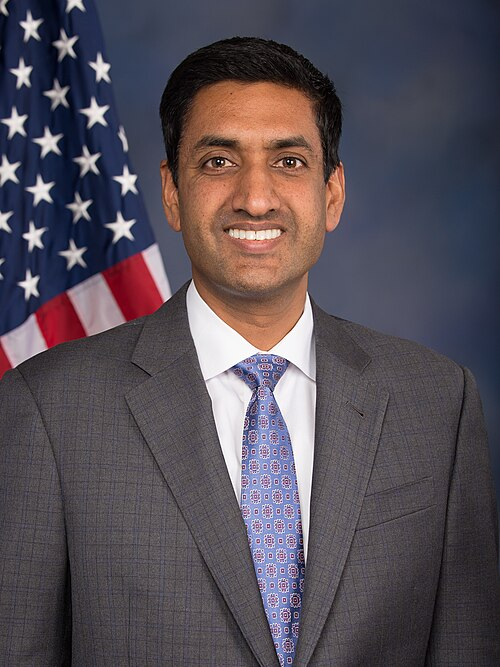
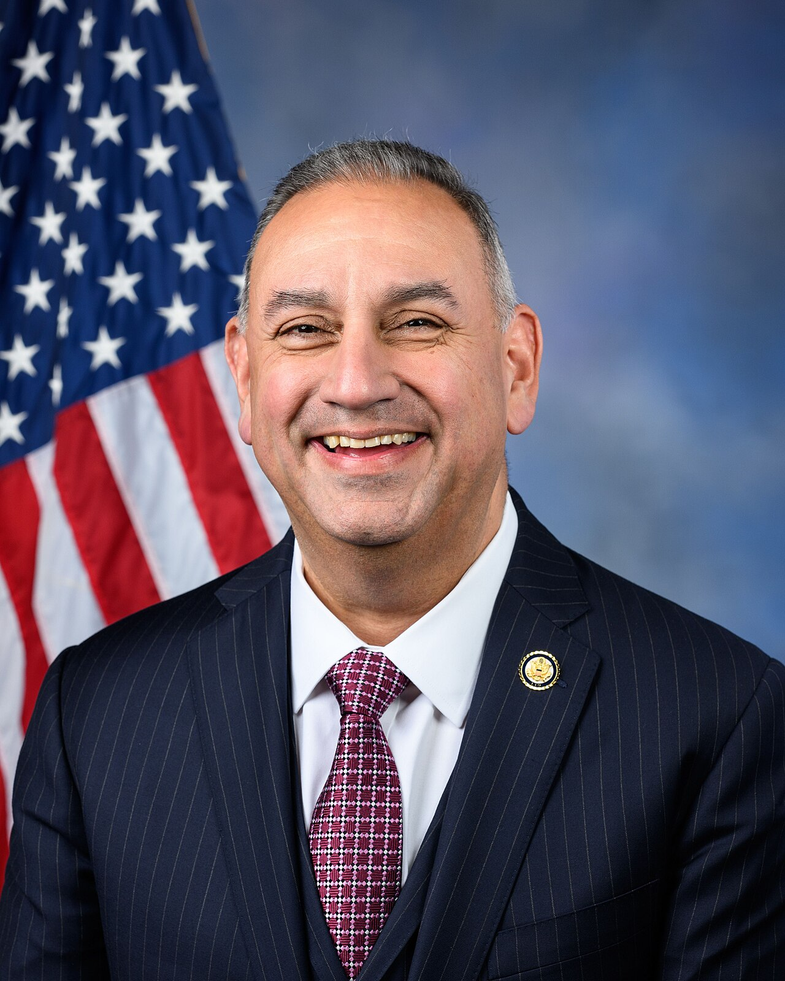
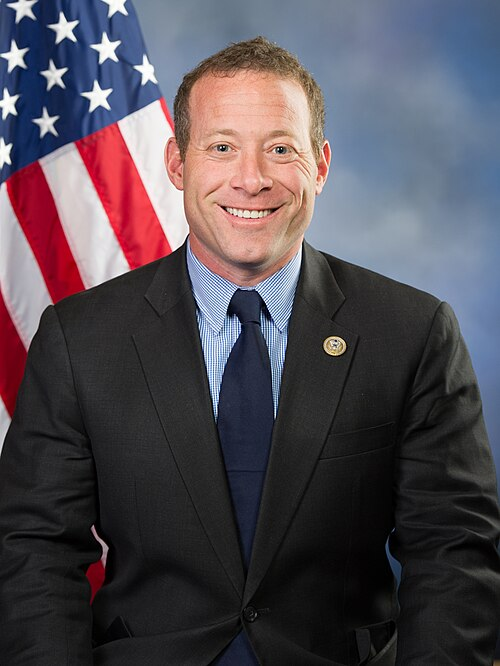
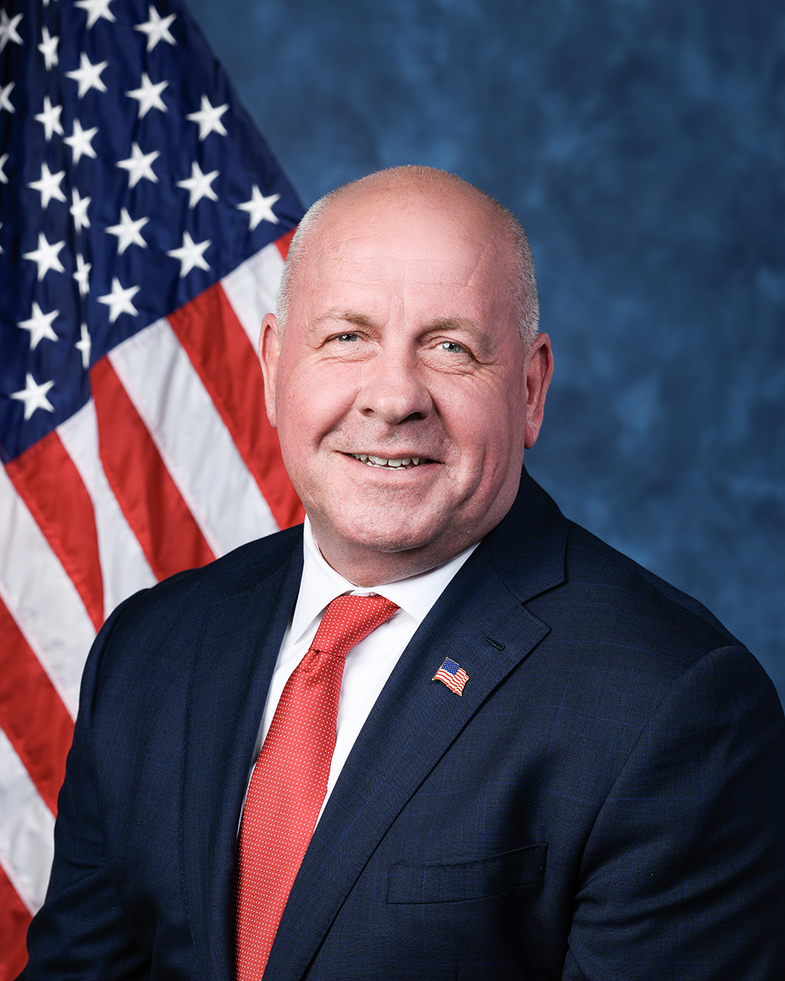
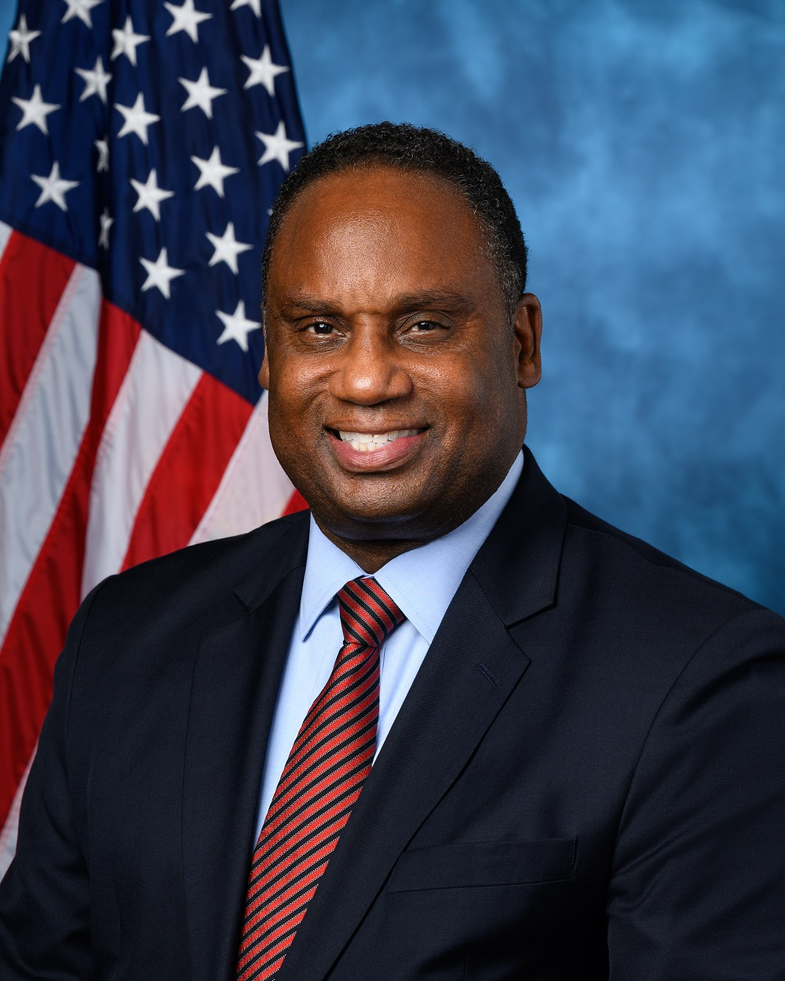
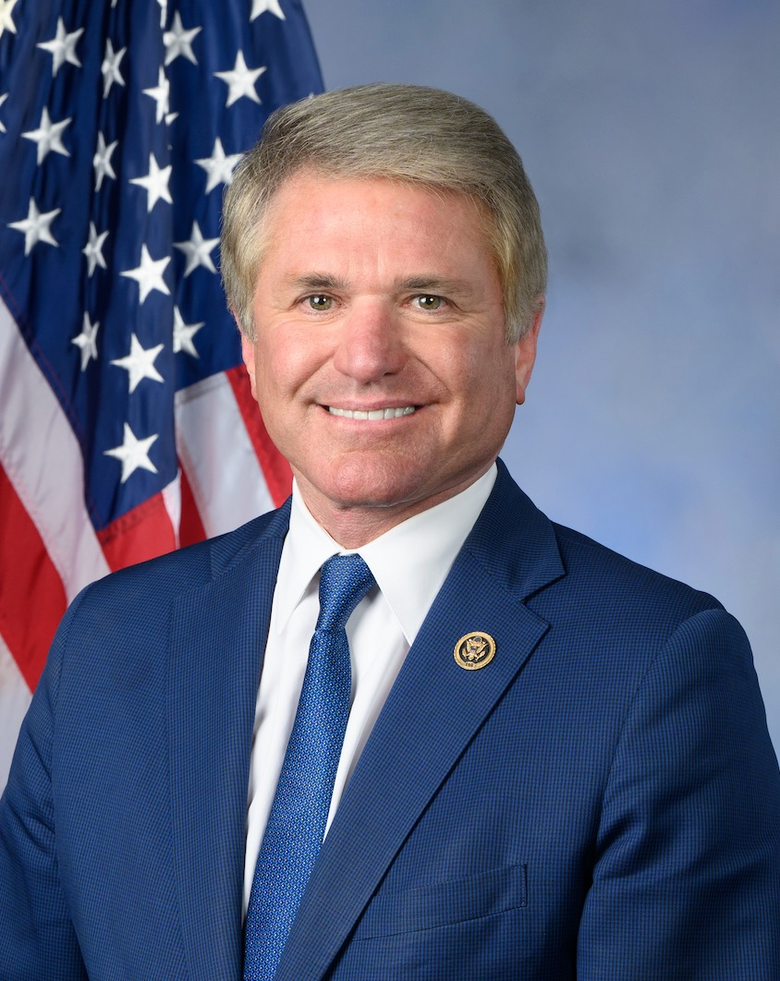
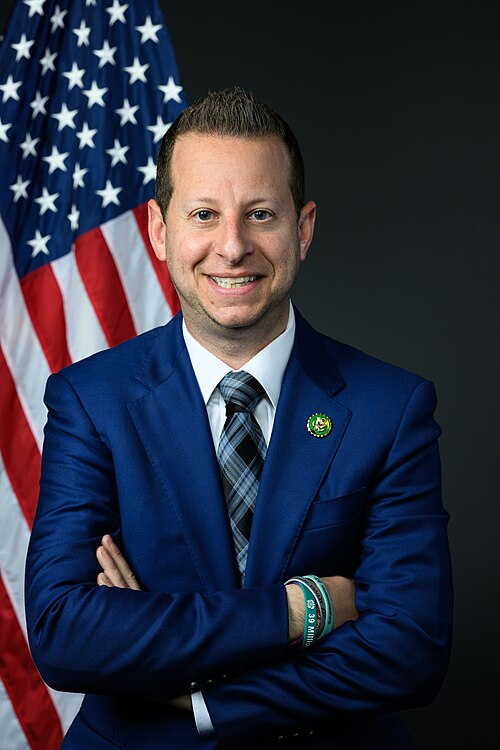
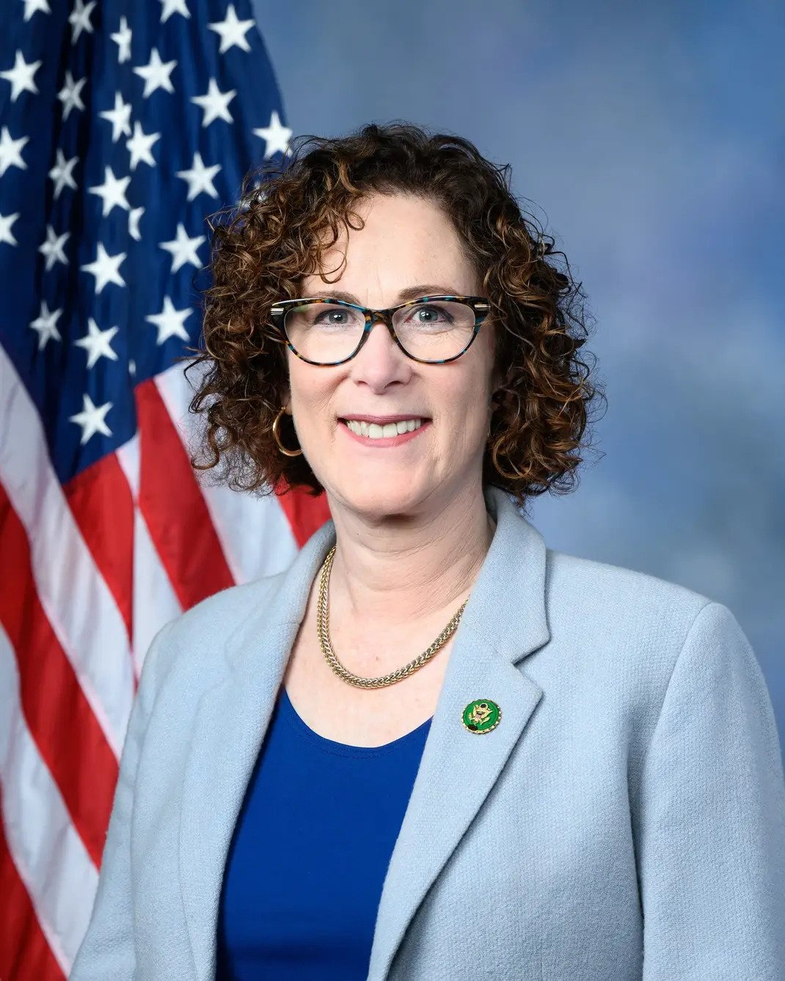
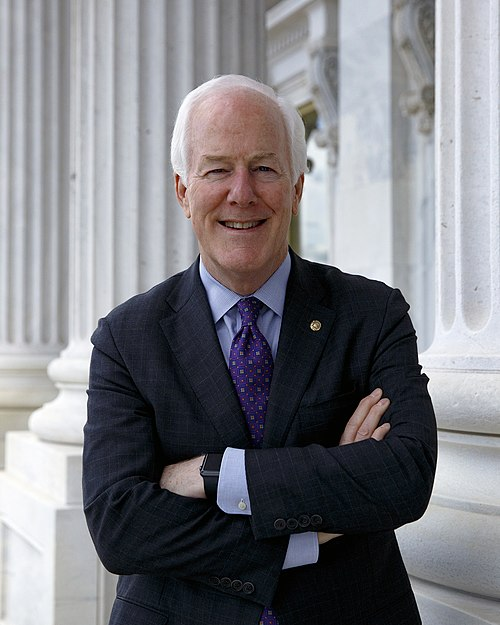
4 bill sponsors



Actions
3 actions
| Date | Action |
|---|---|
| Feb. 10, 2026 | Read the second time. Placed on Senate Legislative Calendar under General Orders. Calendar No. 318. |
| Feb. 09, 2026 | Introduced in Senate |
| Feb. 09, 2026 | Introduced in the Senate. Read the first time. Placed on Senate Legislative Calendar under Read the First Time. |
Corporate Lobbying
0 companies lobbying
None found.
* Note that there can be significant delays in lobbying disclosures, and our data may be incomplete.