S. 3798: Safe Access to Cash Act of 2026
This bill, titled the Safe Access to Cash Act of 2026
, is designed to enhance the legal framework surrounding offenses related to automated teller machines (ATMs). It proposes several key amendments to existing laws regarding crimes associated with ATMs and certain bank-related activities. Below are the main elements of the bill:
New Criminal Offenses Related to ATMs
The bill introduces a new section, 2113A, to Title 18 of the United States Code, outlining specific offenses related to ATMs. The amendments include:
- Offenses Against ATM Users and Servicers: It criminalizes taking property or money from any person using or servicing an ATM through force, violence, or intimidation. This also applies to individuals associated with the operation or maintenance of the ATM.
- Offenses Against Property: Offenses are classified based on the value of property involved:
- Over $1,000: Breaking into, tampering, or stealing from an ATM exceeding this amount can lead to a fine or imprisonment of up to 10 years.
- Up to $1,000: Similar actions involving property not exceeding this amount can result in a fine or imprisonment of up to 1 year.
Receipt and Possession of Stolen Property
The bill stipulates that individuals who receive, possess, conceal, barter, sell, or dispose of property unlawfully taken from an ATM are subject to similar penalties as outlined for the original offenses.
Enhanced Penalties for Violent Encounters
Stricter penalties are proposed for violent actions during the commission of these offenses:
- If an offender forcibly assaults a person or puts someone's life in jeopardy while committing an ATM-related crime, the punishment may include imprisonment for up to 25 years.
- If a person kills someone or forcibly takes someone along without consent in connection with such offenses, they face a minimum prison term of 10 years, with life imprisonment being a potential consequence if death results.
Clarification of Terminology
The bill defines key terms to ensure clarity in its application:
- ATM: Refers to any network-connected automated teller machine, whether located on a financial institution's premises or not.
- Banks and Financial Institutions: Terms relating to banks, credit unions, and savings and loan associations are clarified for consistency in legal interpretation.
- Extortion: Defined as in existing law, ensuring consistency in how such actions are understood and prosecuted.
Amendments Related to Bank Robbery
In addition to the new provisions for ATMs, the bill amends existing laws regarding bank robberies by changing specific wording for clarity and extending the definition to include conspiracy to commit these offenses.
Clerical Amendments
The bill includes a clerical amendment to update the tables of sections in the U.S. Code to reflect the new offenses related to ATMs.
Relevant Companies
- PNC: PNC Financial Services Group may be significantly impacted as they operate numerous ATMs and could face increased security and operational costs.
- JPM: JPMorgan Chase & Co. operates a large network of ATMs and will likely need to enhance security measures or adjust operational protocols in response to heightened legal risks.
- WFC: Wells Fargo & Company may experience operational changes and legal considerations concerning ATM security and customer safety.
- USB: U.S. Bancorp, which manages a substantial number of ATMs, may adapt its security policies and practices based on the new legislative framework.
This is an AI-generated summary of the bill text. There may be mistakes.
Sponsors
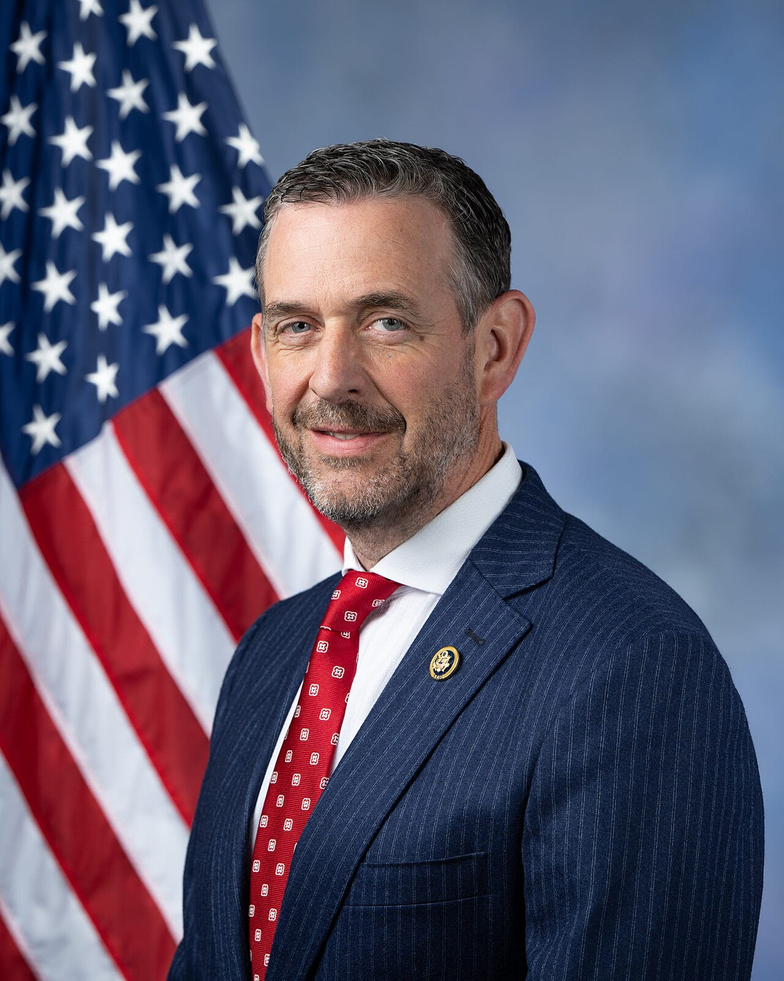
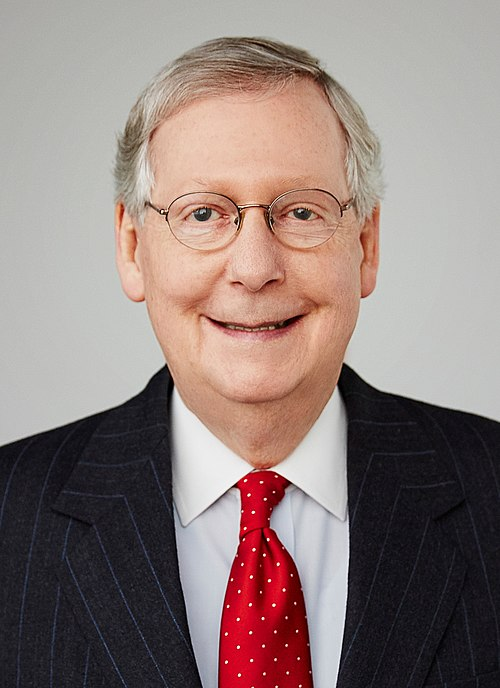
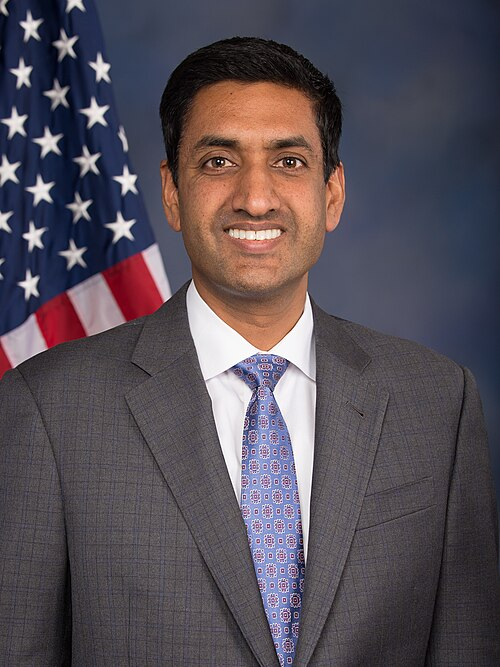
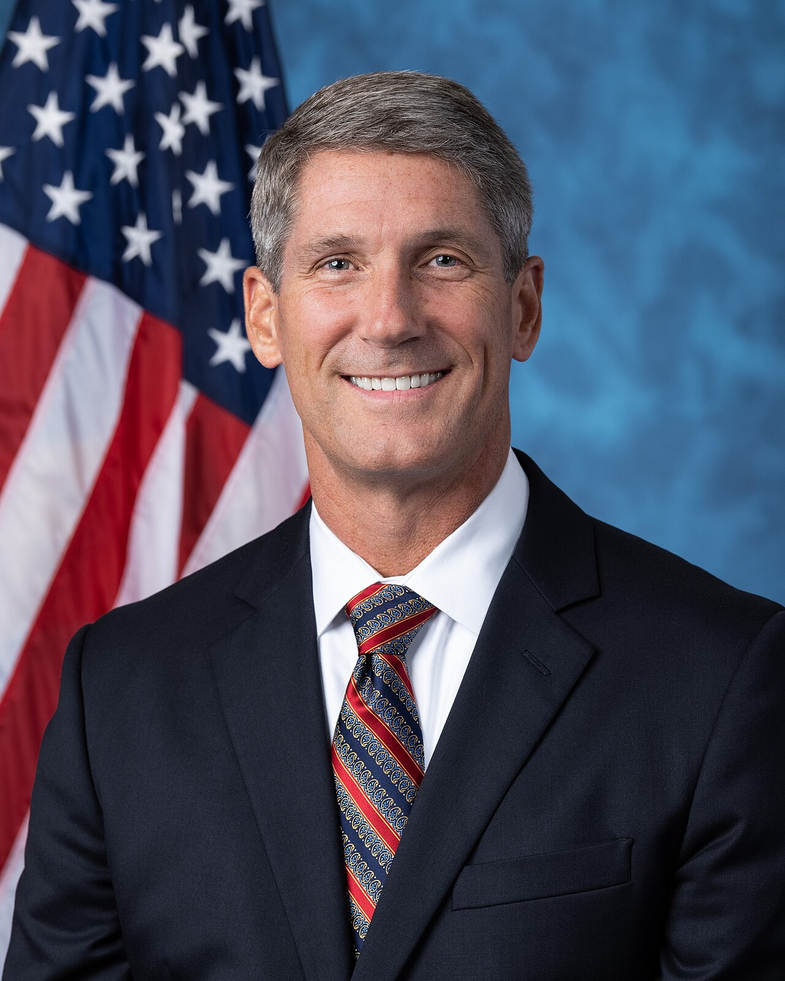
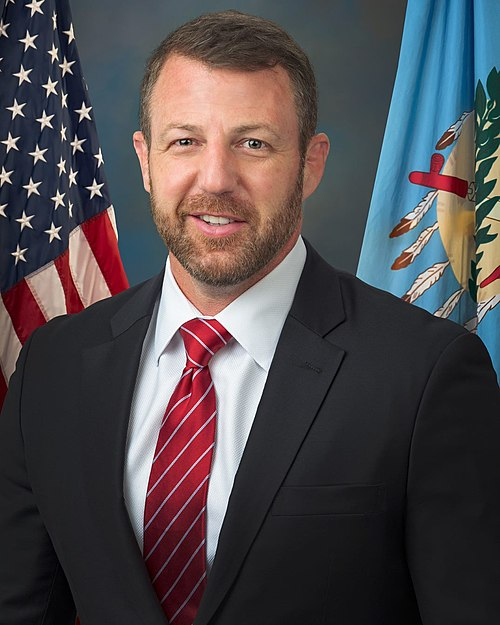
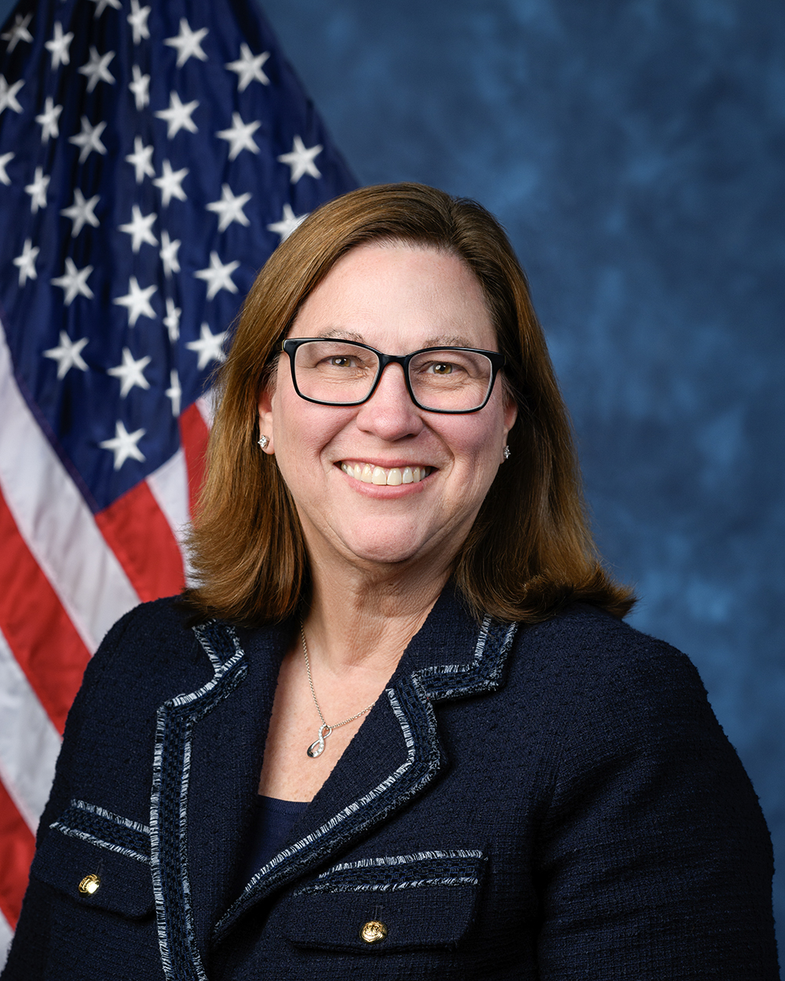
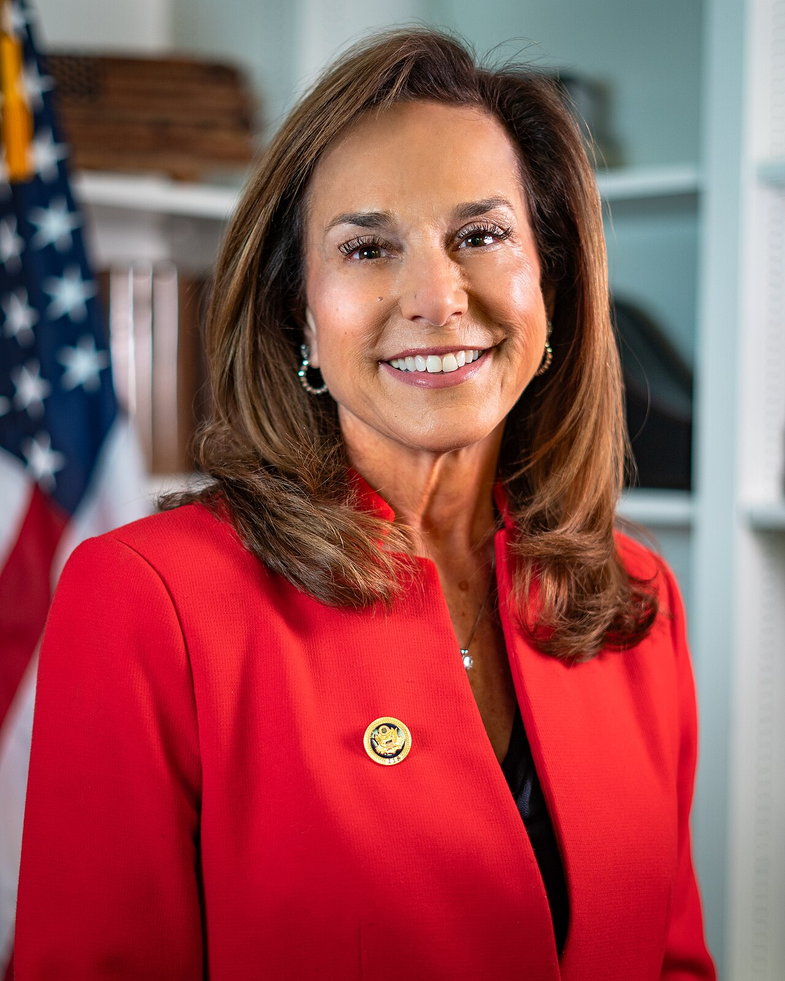
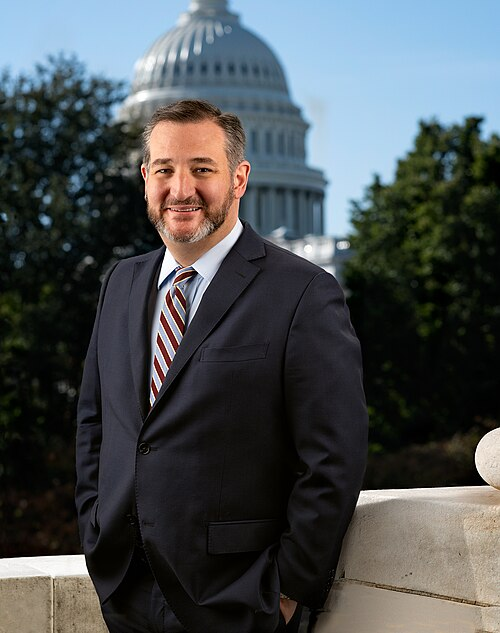
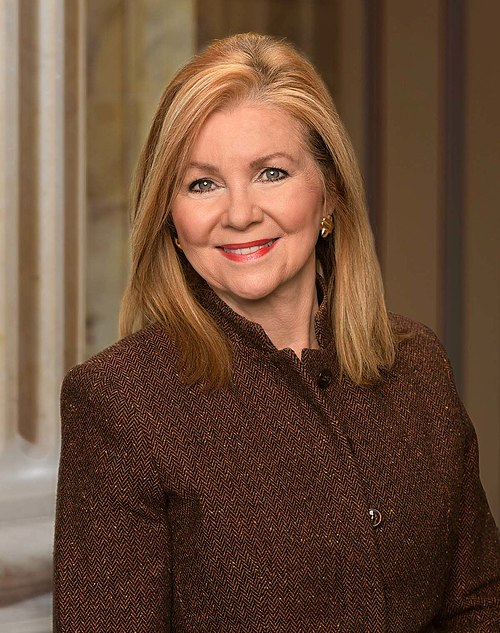
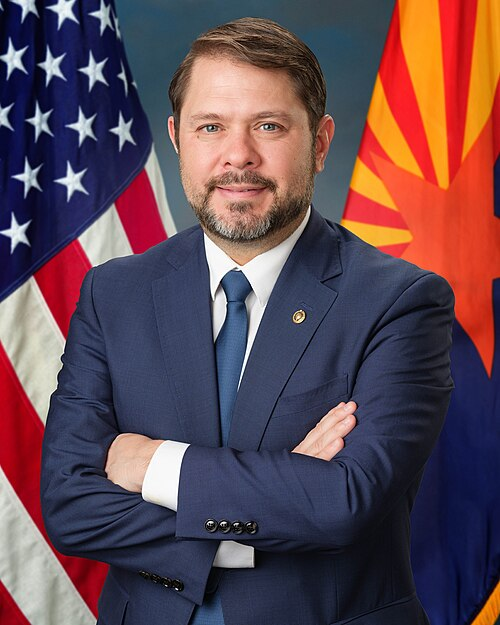
3 bill sponsors
Actions
10 actions
| Date | Action |
|---|---|
| Oct. 05, 2026 | Held at the desk. |
| Oct. 05, 2026 | Message on Senate action sent to the House. |
| Oct. 05, 2026 | Received in the House. |
| Sep. 30, 2026 | Passed/agreed to in Senate: Passed Senate with an amendment by Voice Vote. |
| Sep. 30, 2026 | Passed Senate with an amendment by Voice Vote. (consideration: CR S5207; text: CR S5207) |
| Mar. 05, 2026 | Committee on the Judiciary. Ordered to be reported with an amendment in the nature of a substitute favorably. |
| Mar. 05, 2026 | Committee on the Judiciary. Reported by Senator Grassley with an amendment in the nature of a substitute. Without written report. |
| Mar. 05, 2026 | Placed on Senate Legislative Calendar under General Orders. Calendar No. 350. |
| Feb. 05, 2026 | Introduced in Senate |
| Feb. 05, 2026 | Read twice and referred to the Committee on the Judiciary. |
Corporate Lobbying
0 companies lobbying
None found.
* Note that there can be significant delays in lobbying disclosures, and our data may be incomplete.