S. 3775: Stop Underrides Act 2.0
This bill, known as the Stop Underrides Act 2.0, aims to enhance safety for road users, particularly against a specific type of crash known as underride crashes, where smaller vehicles slide under larger trucks or trailers during collisions. The bill has several key components:
Findings and Purpose
Congress recognizes that underride crashes pose a serious threat to public safety, resulting in thousands of fatalities. Thus, the bill intends to:
- Reduce the number of preventable deaths and injuries from underride crashes.
- Strengthen underride protection systems on commercial vehicles.
- Improve the safety of vulnerable road users, such as motorcyclists and pedestrians.
Regulations for Underride Protection Systems
The bill mandates that the Secretary of Transportation shall create new safety regulations. These regulations will require the installation of:
- Side underride guards: Devices that prevent smaller vehicles from sliding underneath trucks when struck from the side.
- Front and rear underride guards: Devices on the front and back of commercial vehicles designed to minimize the risk of underride crashes.
These regulations must be finalized within 18 months of the bill's enactment, and compliance is required within two years of the regulations being finalized.
Performance Standards
The side underride guards must meet performance standards that include:
- Preventing the intrusion of a smaller vehicle into the occupant space during a crash at speeds up to 40 miles per hour.
- Stopping vulnerable road users from sliding beneath the truck.
- Improving fuel efficiency through better aerodynamic designs.
Advisory Committee and Research
The bill requires the reconvening of the Advisory Committee on Underride Protection, which will provide ongoing assessments and recommendations for underride protection. The committee will also review data regarding underride crashes and recommend improvements to existing regulations.
Additionally, the Secretary of Transportation will publish a website to share research, resources, and stories related to underride crashes and protection measures.
Studies and Reporting
The bill calls for two major studies to be conducted:
- A study by the National Academies of Sciences to evaluate front crashes involving large trucks.
- A study by the Government Accountability Office on the implementation of existing safety measures related to underride crashes.
Both studies will inform improvements and further regulations to enhance safety.
Law Enforcement Training
The bill requires the development of web-based training for state and local law enforcement to properly identify and document underride crashes. This aims to improve data reporting and enhance safety measures in the future.
Summary of the Legislative Process
The bill has been introduced in Congress and has gone to committee for further discussion and assessment.
Relevant Companies
- TTD (Trade Desk): May be impacted due to changes in logistics and delivery systems that rely on large truck transportation.
- USFD (US Foods Holding): A major food distributor that utilizes trucks for delivery, potentially facing increased costs for compliance with new safety regulations.
- EXPD (Expeditors International): A logistics company that may need to adapt its fleet to meet new underride guard regulations.
This is an AI-generated summary of the bill text. There may be mistakes.
Sponsors
10 bill sponsors
-
TrackKirsten E. Gillibrand
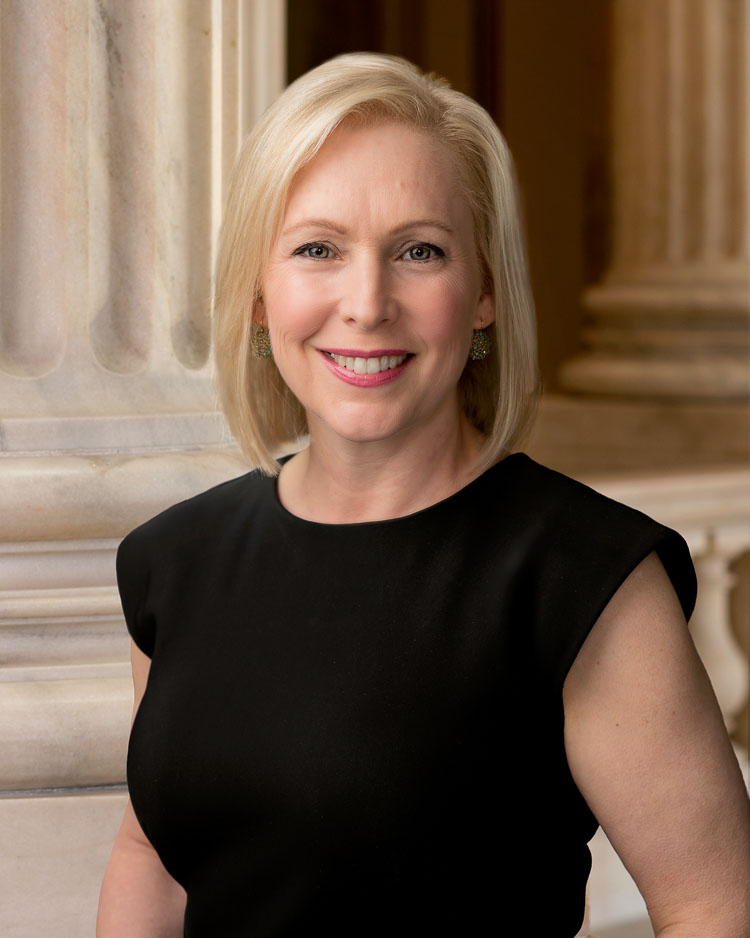
Sponsor
-
TrackRichard Blumenthal
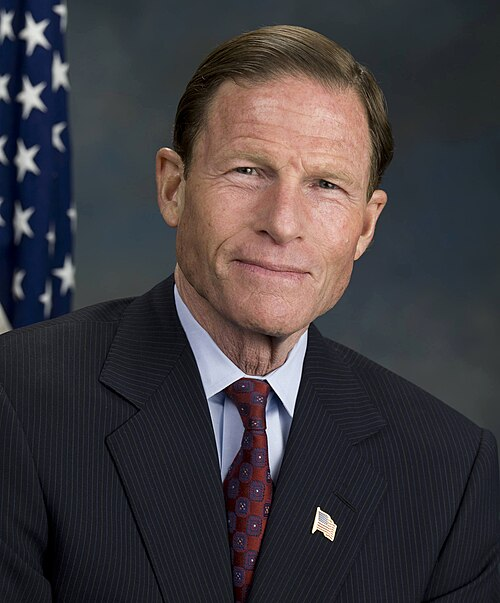
Co-Sponsor
-
TrackTammy Duckworth
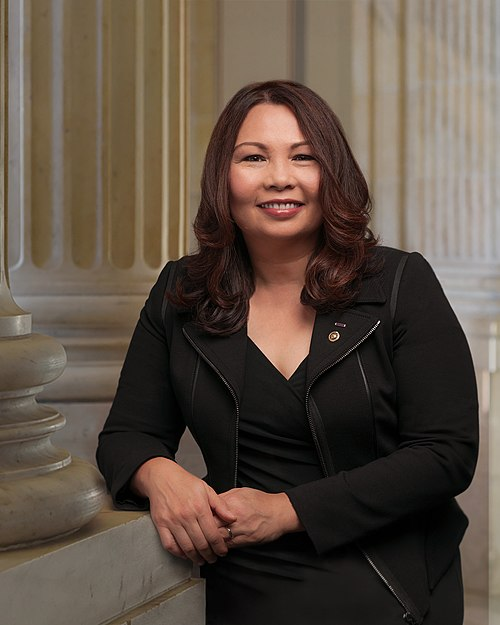
Co-Sponsor
-
TrackMartin Heinrich
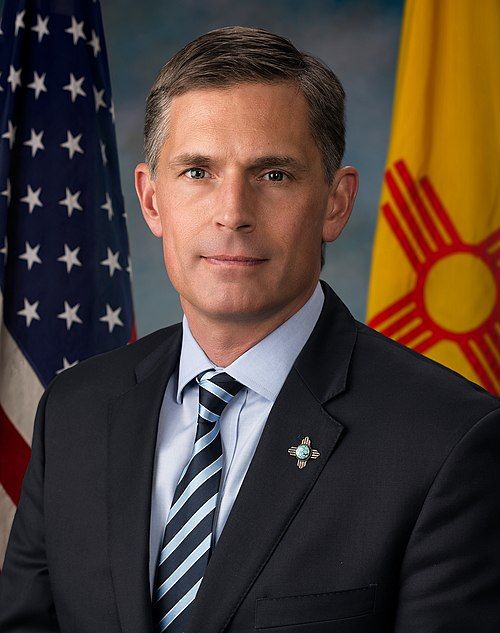
Co-Sponsor
-
TrackBen Ray Lujan
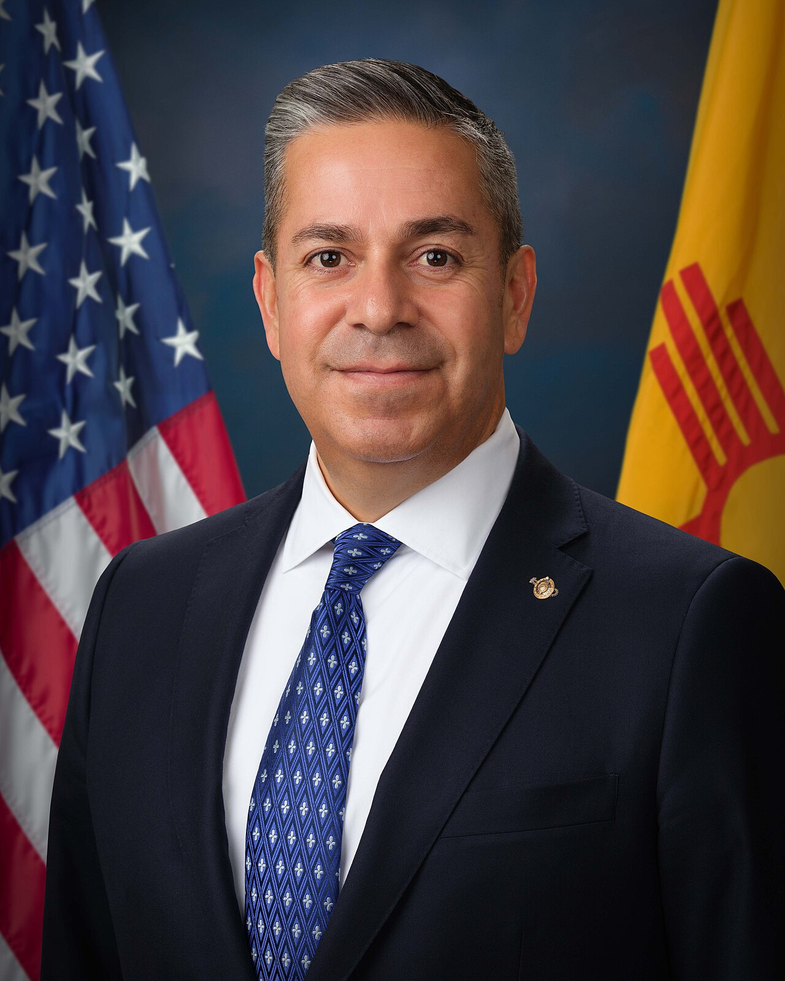
Co-Sponsor
-
TrackEdward J. Markey
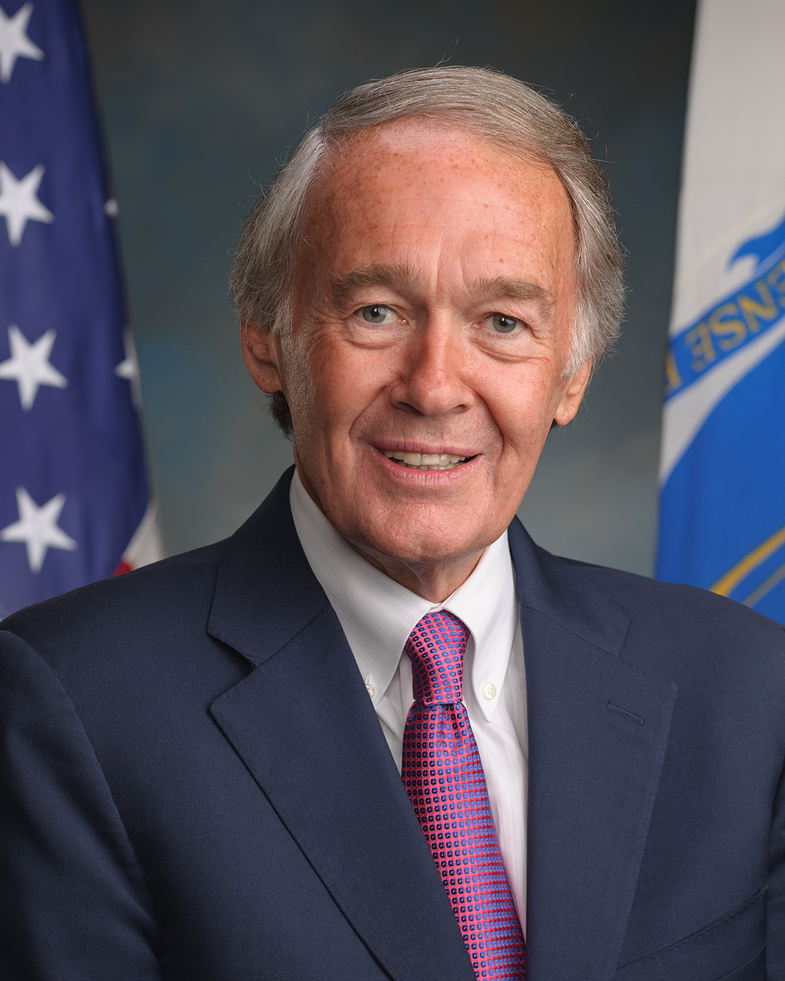
Co-Sponsor
-
TrackJeff Merkley
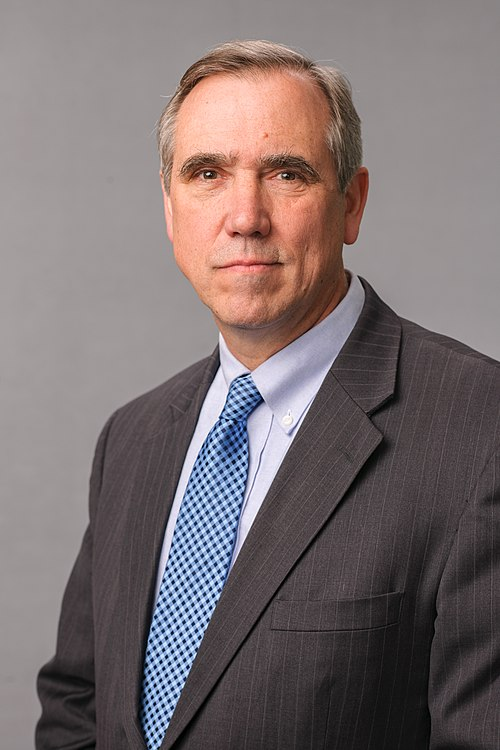
Co-Sponsor
-
TrackChris Van Hollen
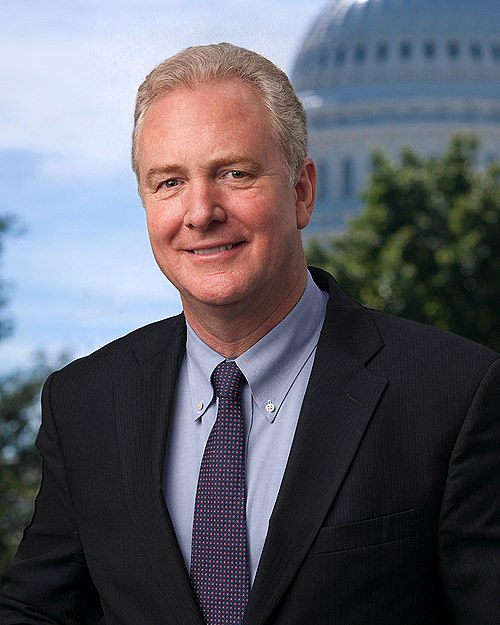
Co-Sponsor
-
TrackElizabeth Warren
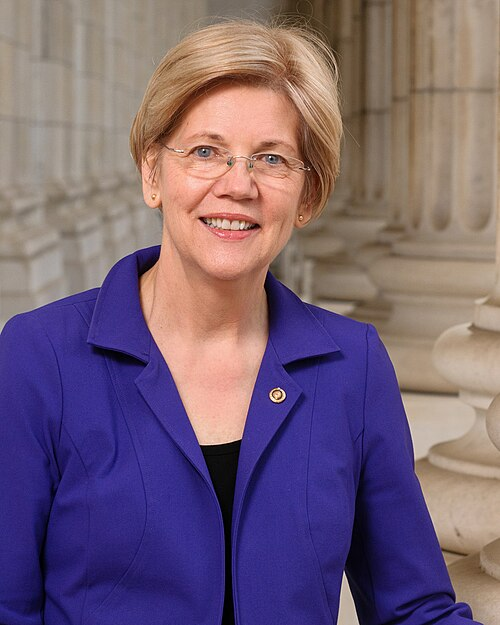
Co-Sponsor
-
TrackRon Wyden
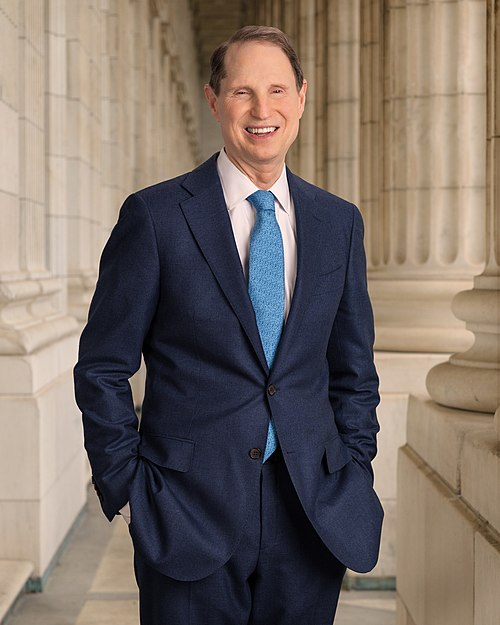
Co-Sponsor
Actions
2 actions
| Date | Action |
|---|---|
| Feb. 04, 2026 | Introduced in Senate |
| Feb. 04, 2026 | Read twice and referred to the Committee on Commerce, Science, and Transportation. |
Corporate Lobbying
0 companies lobbying
None found.
* Note that there can be significant delays in lobbying disclosures, and our data may be incomplete.