
S. 3753: Preserving Homes and Communities Act of 2026
This bill, known as the Preserving Homes and Communities Act of 2026, aims to regulate the sale of non-performing mortgage loans to promote affordable housing and neighborhood stabilization. It includes specific provisions for loans insured by the government and establishes guidelines for the sale of such loans in bulk auctions or group sales. Below are the main components of the bill:
Sales of Non-Performing Loans
The Secretary of Housing and Urban Development (HUD) is authorized to conduct sales of non-performing single-family residential mortgage loans under specific conditions:
- The Secretary must determine that there are no reasonable alternatives to selling the loans to restore or maintain the funding for housing programs.
- Priority is given to government entities and nonprofit organizations capable of handling loans in ways that support affordable housing, fair housing, and neighborhood stabilization.
- Before a loan is sold, all potential loss mitigation options must be exhausted.
- Borrowers must be notified in writing at least 90 days before their loan is included in a sale.
- Purchasers of these loans must comply with a variety of requirements related to loss mitigation and property maintenance.
Loss Mitigation and Borrower Rights
Purchasers of non-performing loans must provide loss mitigation options to borrowers that are at least as favorable as those provided by the Federal Housing Administration (FHA). This includes:
- Measures that do not involve fees for loan modifications to make payments more affordable.
- Provisions for maintaining vacant properties and paying local property taxes until the property is either sold or transferred to a nonprofit organization.
- Restrictions on how properties can be sold or rented, emphasizing long-term affordability and compliance with fair housing requirements.
Direct Loan Sales
The Secretary may facilitate direct sales of non-performing loans to various nonprofit organizations or municipal entities, provided the loans are sold at prices that reflect compliance with the aforementioned requirements.
Forbearance Restrictions
The bill prohibits the sale of any non-performing loans that are currently in a forbearance plan or near the end of such a plan.
Data Reporting and Accountability
Purchasers of loans are required to report detailed loan-level data to HUD for four years following any sale. This includes:
- Loan characteristics, including type, remaining term, and status at the time of sale.
- Actions taken regarding loss mitigation and the performance of modified loans.
- Demographic information about the borrowers, which will be used to monitor fair lending practices.
HUD will also be tasked with delivering semi-annual reports to Congress regarding sold loans, providing insights into market conditions and the effectiveness of loss mitigation strategies.
Enforcement and Penalties
If purchasers fail to comply with loss mitigation requirements, HUD has the authority to impose penalties, including retaining the loans or properties without compensation and preventing future participation in loan sales for non-compliant entities.
Provision for Claims Without Conveyance of Title
The bill establishes a program allowing certain eligible buyers to have exclusive rights to purchase foreclosed properties at fair market value for a designated period. Eligible buyers include:
- Homebuyers intending to occupy the property.
- Nonprofit organizations focused on affordable housing or community revival.
- Government agencies meeting set criteria.
The allowable uses for purchased properties include renovation for resale, creation of affordable housing programs, and rental aimed at low-income tenants, ensuring ongoing affordability and community support.
Relevant Companies
- FNMA (Fannie Mae): The bill impacts Fannie Mae by placing regulations on how it handles sales of non-performing loans, requiring it to prioritize government and nonprofit entities, which may affect their operational strategies.
- FMCC (Freddie Mac): Similar to Fannie Mae, Freddie Mac would also need to adapt its loan selling practices in compliance with the new regulations set forth in this bill.
This is an AI-generated summary of the bill text. There may be mistakes.
Sponsors
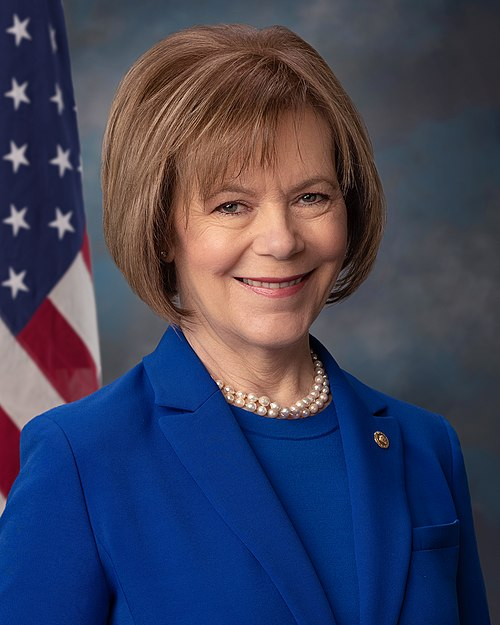
5 bill sponsors




Actions
2 actions
| Date | Action |
|---|---|
| Jan. 30, 2026 | Introduced in Senate |
| Jan. 30, 2026 | Read twice and referred to the Committee on Banking, Housing, and Urban Affairs. (Sponsor introductory remarks on measure: CR S420) |
Corporate Lobbying
0 companies lobbying
None found.
* Note that there can be significant delays in lobbying disclosures, and our data may be incomplete.
Potentially Relevant Congressional Stock Trades
No relevant congressional stock trades found.