S. 3694: Maximizing Transportation Efficiency Act
This bill, titled the "Maximizing Transportation Efficiency Act," aims to enhance the effectiveness of the existing transportation infrastructure in the United States through a strategy known as Transportation Demand Management (TDM). TDM focuses on informing and encouraging travelers to optimize their use of transportation systems, helping to improve mobility, reduce traffic congestion, and enhance air quality.
Key Components of the Bill
- Definition of TDM: The bill defines TDM as the application of various strategies, including planning, incentive programs, and technology, to make the transportation system more efficient.
- Focus on Rural Areas: The bill acknowledges that rural areas face unique transportation challenges, such as higher transportation costs, limited services, and a lack of public transit options. TDM strategies are designed to improve access to essential services for residents in these areas.
- Congestion Mitigation: It recognizes the economic burden that traffic congestion imposes, with billions of dollars lost annually, and aims to implement strategies that can effectively reduce this congestion.
- Promoting Alternative Transportation: The bill encourages the use of alternative transportation methods such as ridesharing, carpooling, and vanpooling to provide various commuting options, especially for those without private vehicles.
- Funding for TDM Strategies: The bill allocates funding specifically for the development and implementation of TDM initiatives in rural areas, providing $20 million annually for this purpose.
- Eligible Recipients: The grants to implement TDM strategies can be awarded to state transportation departments, local governments, tribal governments, public transit agencies, and non-profit organizations involved in rural transportation planning.
- Activities Supported: The funds can be used for a range of activities, including public outreach to encourage shared mobility, data analysis to evaluate travel patterns, and the implementation of innovative TDM strategies like vanpooling programs and smart transportation hubs.
Amendments to Existing Laws
The bill includes amendments to various sections of U.S. transportation laws to integrate TDM strategies more broadly. This includes revisions to:
- Define TDM in the context of transportation laws.
- Include TDM in transportation funding and infrastructure programs.
- Support local congestion relief initiatives by allowing TDM strategies to be funded as part of these programs.
Goals of the Bill
The overarching goals of the bill are to:
- Enhance the efficiency of the transportation system nationwide.
- Close the access gap for individuals in rural communities.
- Reduce transportation costs for families by providing more diverse transportation options.
- Mitigate traffic congestion through collaborative and strategic transportation planning.
Relevant Companies
- LYFT: As a rideshare company, Lyft may be impacted as increased emphasis on carpooling and ridesharing could affect its service demand and operational strategies.
- UBER: Similar to Lyft, Uber’s business model revolves around ridesharing, and any initiatives promoting alternative transportation modes could influence its market position and offerings.
- DMYI: This is a SPAC focused on transportation and logistics, and might pursue initiatives aligned with TDM strategies, influencing its investment outlook.
This is an AI-generated summary of the bill text. There may be mistakes.
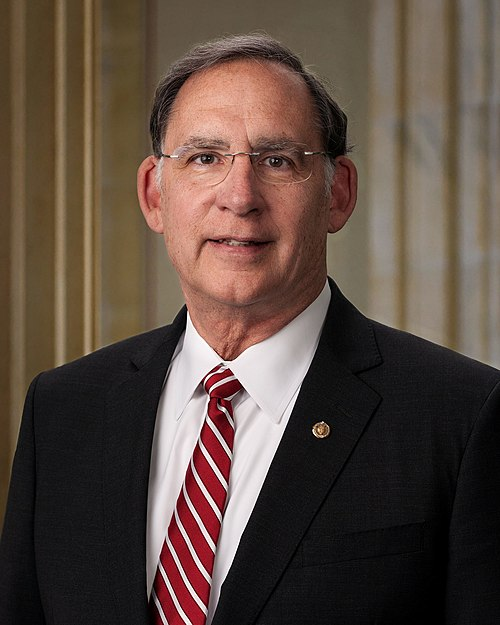
Sponsors
1 sponsor
Actions
2 actions
| Date | Action |
|---|---|
| Jan. 27, 2026 | Introduced in Senate |
| Jan. 27, 2026 | Read twice and referred to the Committee on Environment and Public Works. |
Corporate Lobbying
0 companies lobbying
None found.
* Note that there can be significant delays in lobbying disclosures, and our data may be incomplete.