S. 3403: Building Resilience and Stronger Communities Act
This bill, known as the Building Resilience and Stronger Communities Act, proposes amendments to the Robert T. Stafford Disaster Relief and Emergency Assistance Act to strengthen the federal government’s role in disaster preparedness and recovery. Below is a summary of the primary components of the bill:
1. Federal Cost Sharing Adjustment
The bill modifies the existing rules about how costs are shared for disaster mitigation projects:
- For small projects costing less than $1,000,000, the federal government will contribute at least 90% of the total cost.
- For "critical facilities," which include essential services such as emergency operation centers, hospitals, police stations, schools, and power stations, the federal contribution can exceed 90% if the project also costs less than $1,000,000.
2. Mandatory Mitigation Requirements
The bill changes language from "may" to "shall" in the Stafford Act to make it mandatory for the federal government to provide assistance for predisaster hazard mitigation measures. This applies to:
- Subsection (b) of Section 203, which refers to the necessity of assistance.
- Subsection (c) that outlines the federal government’s role in supporting these measures.
3. National Public Infrastructure Mitigation Assistance
This section ensures that federal support for public infrastructure projects also becomes mandatory. It adjusts the required federal assistance for these disaster preparedness measures to not less than 3% and not more than a specified amount, changing prior language that allowed more flexibility.
4. Tribal Provisions
The bill extends provisions to include Indian Tribes in the disaster relief and preparedness framework. Notable updates include:
- Indian Tribes will now have direct access to mitigation assistance.
- State governors can recommend Indian Tribes for assistance.
- Funds may be set aside specifically for Indian Tribes by the President, enhancing their ability to prepare for and respond to natural hazards.
5. Uses of Assistance for Indian Tribes
Technical and financial assistance provided to Indian Tribes is aimed at:
- Improving resilience to natural hazards,
- Building robust mitigation programs,
- Developing high-quality project applications, and
- Executing innovative mitigation projects.
6. Definition of Indian Tribe
The bill incorporates a clear definition of an "Indian Tribe" based on existing legislation to ensure clarity and accessibility in providing assistance to these communities.
Relevant Companies
- BEI Networks - As a potential provider of infrastructure solutions and emergency services, changes in federal funding for disaster mitigation may affect its business opportunities.
- TE Connectivity - This company, involved in critical infrastructure technology, could see increased demand for its services if federal investment in critical facilities rises.
This is an AI-generated summary of the bill text. There may be mistakes.
Sponsors
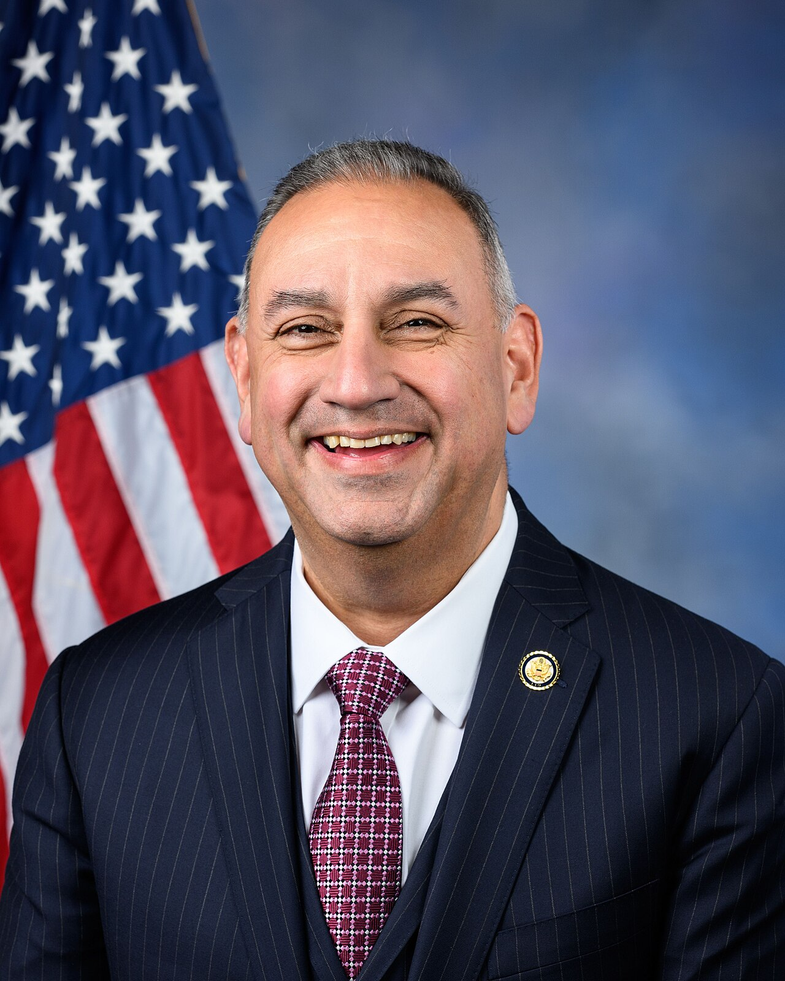
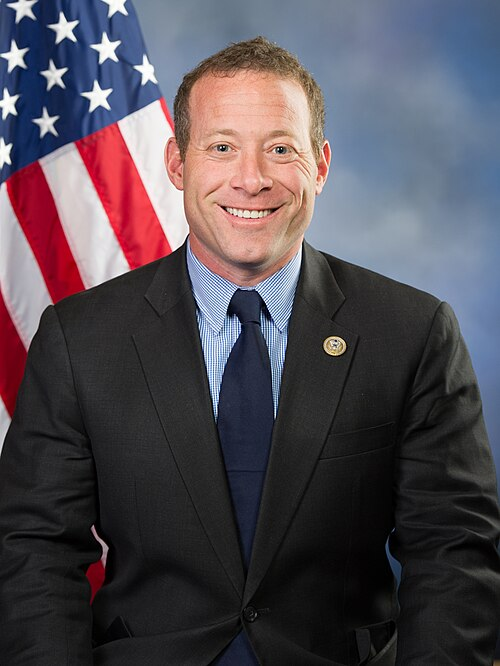
2 bill sponsors


Actions
2 actions
| Date | Action |
|---|---|
| Dec. 09, 2025 | Introduced in Senate |
| Dec. 09, 2025 | Read twice and referred to the Committee on Homeland Security and Governmental Affairs. (Sponsor introductory remarks on measure: CR S8579) |
Corporate Lobbying
0 companies lobbying
None found.
* Note that there can be significant delays in lobbying disclosures, and our data may be incomplete.