S. 3400: Ally’s Act
This bill, known as Ally's Act, aims to enhance health insurance coverage related to hearing devices and systems by making specific requirements for group health plans and health insurance issuers. It seeks to ensure that individuals with hearing loss receive adequate support and services necessary for their auditory needs.
Key Provisions of the Bill
1. Coverage Requirements
The bill mandates that group health plans and health insurance issuers provide coverage for a variety of services and items related to auditory implant devices, including:
- Auditory implant devices (e.g., cochlear implants) and external sound processors.
- Maintenance of these devices.
- Upgrades or replacements of devices every five years.
- Adhesive adapters and softband headbands.
- Repairs of devices.
- A comprehensive hearing assessment.
- A preoperative medical assessment.
- Surgery related to the implantation of these devices.
- Postoperative medical visits and audiological visits for fitting and activation.
- Aural rehabilitation and treatment services as deemed necessary.
2. Financial Requirements and Treatment Limitations
The bill includes provisions to ensure that financial requirements and treatment limitations for the mandated services and items are not more restrictive than those applied to other medical and surgical benefits governed by the same health plans. Specifically:
- The cost-sharing requirements for these auditory services cannot be more onerous than those for other covered medical benefits.
- There must not be treatment limitations that are more restrictive than those that apply to other medical benefits covered by the plan.
3. Medical Necessity Review
Health plans are prohibited from denying or limiting coverage for any of the items or services identified in the bill that have been deemed medically necessary by a physician or qualified audiologist. This ensures that if a healthcare provider recommends a specific service or device, it will be covered under the health insurance plan.
4. Definition of Qualifying Individual
A 'qualifying individual' is defined in the bill as someone who has been determined by a physician or qualified audiologist to require an auditory implant device or external sound processor, based on criteria including degree of hearing loss.
Legislative Process
This bill has been introduced in the Senate and referred to the Committee on Health, Education, Labor, and Pensions for further consideration. It is set to take effect for plan years beginning on or after January 1, 2026, if passed.
Relevant Companies
- WSO (Watsco, Inc.): As a leading distributor of HVAC equipment, Watsco could experience changes in market demand for hearing services due to this bill impacting health coverage.
- CSCO (Cisco Systems, Inc.): Involved in various technologies, including those relevant to audiology and telehealth, which might see increased utilization.
- ADBE (Adobe Inc.): As a provider of software solutions perhaps used in healthcare contexts, they might experience indirect impacts depending on the nature of compliance requirements with new regulations.
This is an AI-generated summary of the bill text. There may be mistakes.
Sponsors
19 bill sponsors
-
TrackJohn R. Curtis

Sponsor
-
TrackAngela Alsobrooks
Co-Sponsor
-
TrackMichael F. Bennet

Co-Sponsor
-
TrackRichard Blumenthal
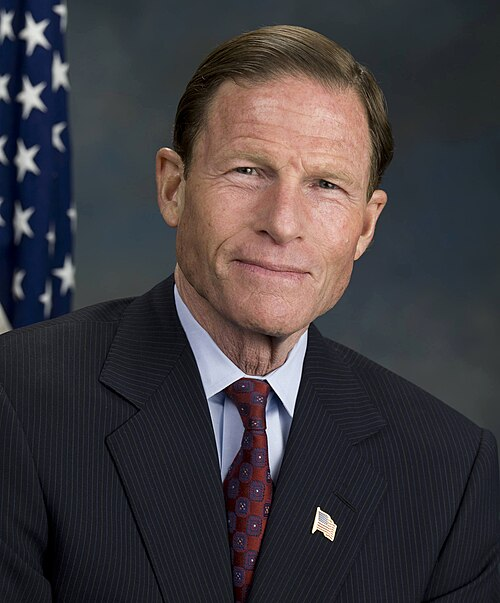
Co-Sponsor
-
TrackLisa Blunt Rochester
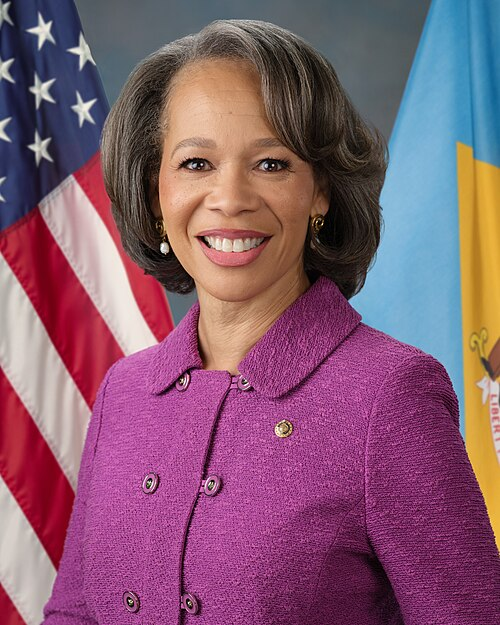
Co-Sponsor
-
TrackCory A. Booker
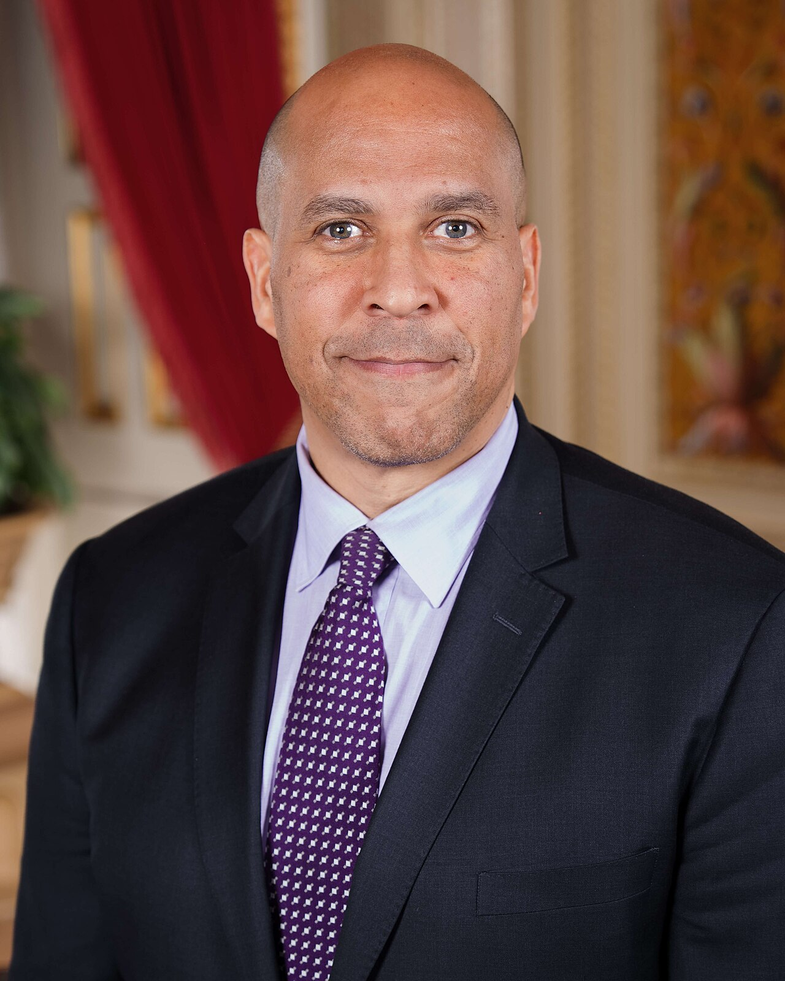
Co-Sponsor
-
TrackShelley Moore Capito
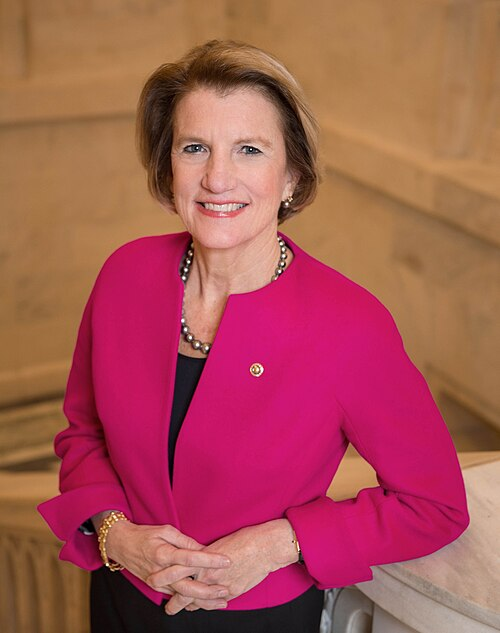
Co-Sponsor
-
TrackSusan M. Collins

Co-Sponsor
-
TrackChristopher A. Coons
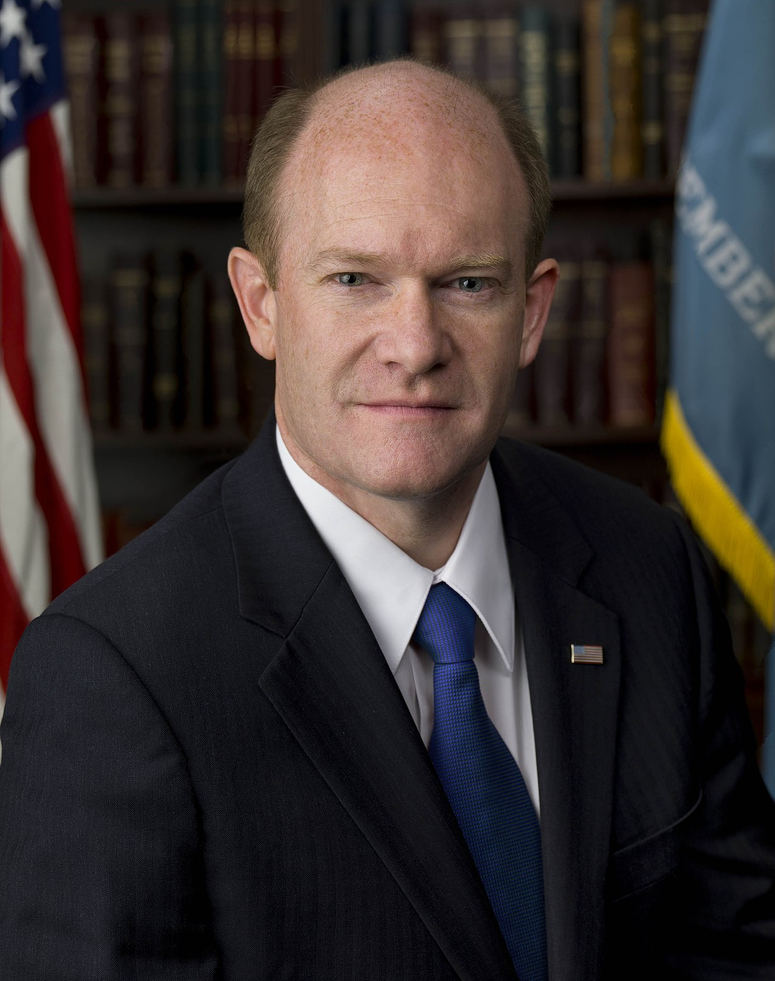
Co-Sponsor
-
TrackTammy Duckworth
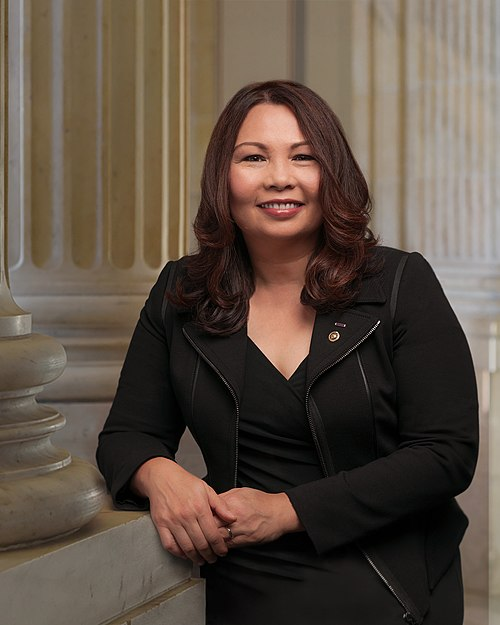
Co-Sponsor
-
TrackJohn W. Hickenlooper

Co-Sponsor
-
TrackAndy Kim

Co-Sponsor
-
TrackAmy Klobuchar
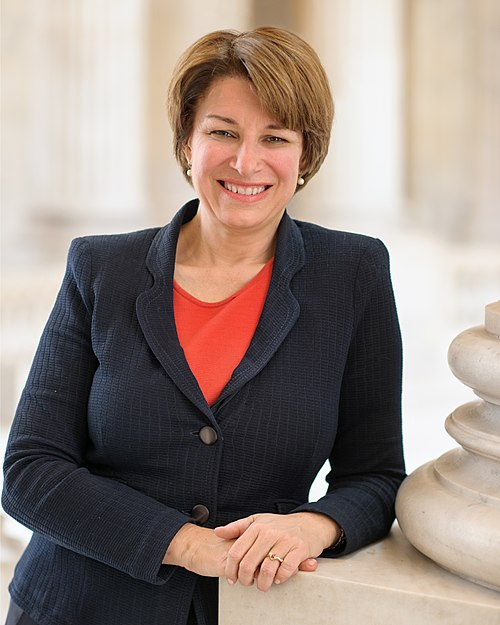
Co-Sponsor
-
TrackLisa Murkowski

Co-Sponsor
-
TrackPatty Murray
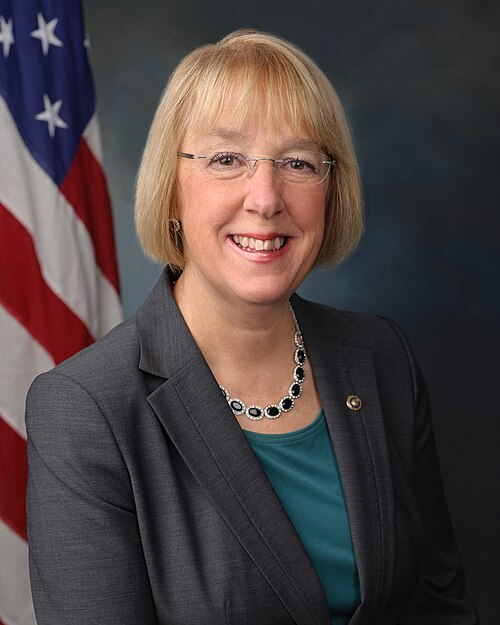
Co-Sponsor
-
TrackJon Ossoff

Co-Sponsor
-
TrackJeanne Shaheen
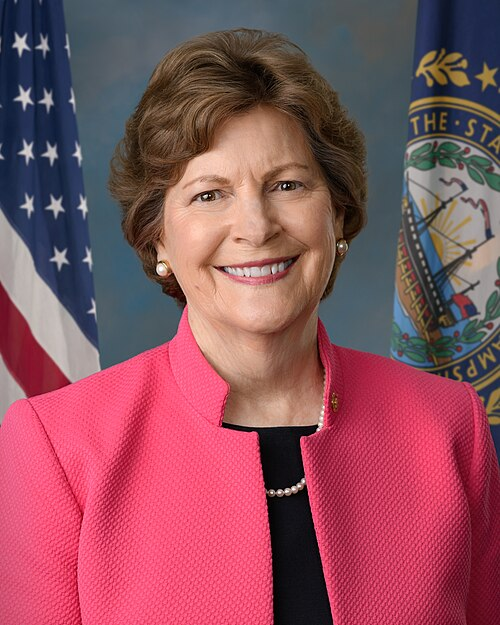
Co-Sponsor
-
TrackRaphael G. Warnock
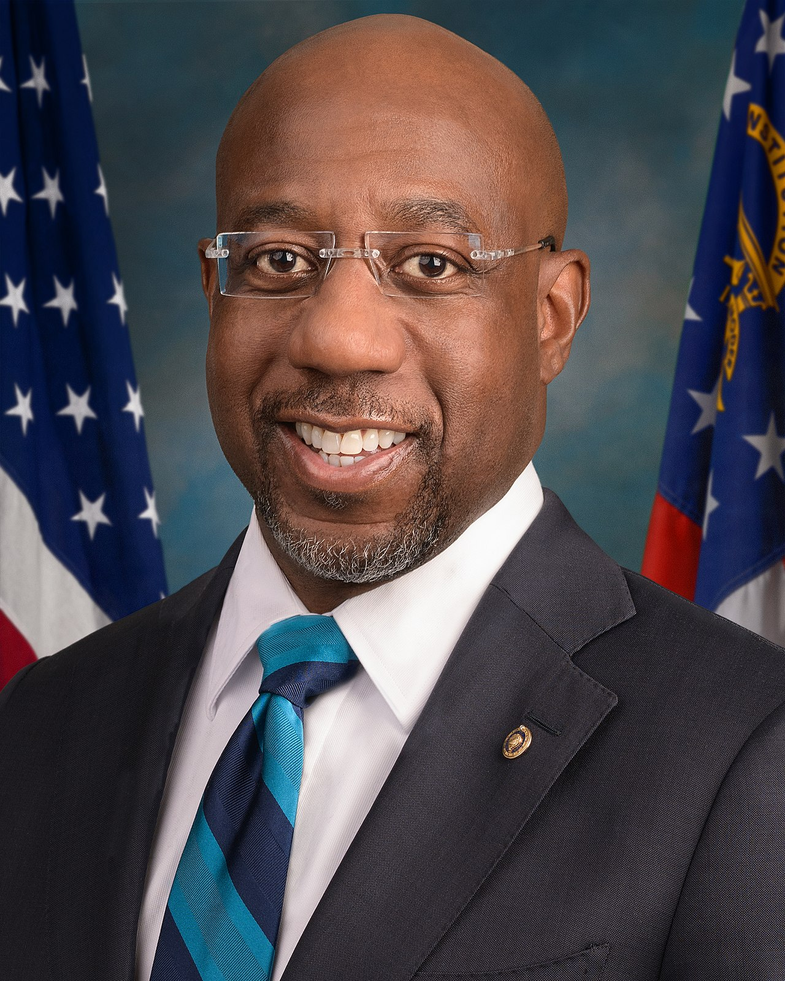
Co-Sponsor
-
TrackElizabeth Warren
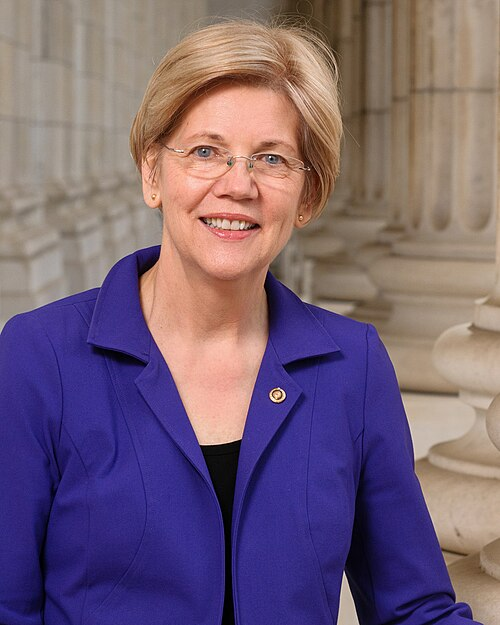
Co-Sponsor
Actions
2 actions
| Date | Action |
|---|---|
| Dec. 09, 2025 | Introduced in Senate |
| Dec. 09, 2025 | Read twice and referred to the Committee on Health, Education, Labor, and Pensions. |
Corporate Lobbying
0 companies lobbying
None found.
* Note that there can be significant delays in lobbying disclosures, and our data may be incomplete.