S. 3305: Curtailing Litigation Excess and Abuse Reform Act of 2025
The **Curtailing Litigation Excess and Abuse Reform Act of 2025**, also known as the **CLEAR Act of 2025**, aims to streamline legal processes related to energy projects. Here is a breakdown of its key provisions:
Purpose
The bill is designed to reduce the ability of parties to bring repeated legal challenges against energy projects once a legal case has been decided. It focuses on both federal and state court systems, dealing specifically with actions involving energy projects.
Definitions
- Authorization: Any license, permit, approval, or decision by a federal or state agency necessary for an energy project.
- Completion: The point at which an energy project starts commercial operations or begins producing energy.
- Energy Project: Includes projects related to electric energy generation and distribution, fossil fuel production, and critical minerals essential for energy or national security.
- Legal Action: Refers to claims in court that challenge the authorizations of energy projects, excluding certain claims by landowners concerning property value under eminent domain.
Preclusion of Repeat Litigation
Once a legal action regarding an energy project is resolved in court, this bill restricts any future legal challenges to that same project. This means:
- Any new legal claims related to the same energy project and its authorizations cannot be brought, even if the parties or legal arguments differ.
- The legal challenge must be based on the same foundational facts as the previously resolved case.
Judicial Review
When courts review challenges to energy project authorizations, this bill sets specific limits:
- Courts can only address claims concerning procedural compliance if there is clear evidence that a federal agency abused its discretion.
- Court decisions must defer to the original federal agency’s findings and cannot replace the agency's judgments on factual matters.
Limitations on Claims
The bill establishes a timeline for filing legal actions, requiring that:
- Claims must be submitted within 150 days after a federal agency’s action is made public, unless specified otherwise by federal law.
- Only parties that have commented on a project during the public comment period may file lawsuits, and their complaints must be directly related to their previous comments.
Exceptions to Preclusion
This legislation does not prevent legal actions that address:
- Claims of operational violations of laws after the energy project has been completed.
- Enforcement actions by the government to ensure compliance with laws.
Scope and Impact
This bill aims to provide more stability and predictability to energy projects by reducing the frequency of litigation that can delay or halt progress. It balances this with certain limitations to ensure accountability in project operations and compliance with existing laws. The legislation emphasizes the importance of timely legal actions and the need for prior public engagement in commenting on projects.
Relevant Companies
- XOM (Exxon Mobil Corporation): As a major player in fossil fuel energy production, changes to litigation protocols around energy projects could directly impact its project timelines and operational planning.
- CVX (Chevron Corporation): Similar to Exxon, Chevron’s energy projects could face altered legal landscapes regarding environmental and approval disputes.
- NEE (NextEra Energy, Inc.): As a significant renewable energy provider, NextEra could see benefits from reduced litigation, allowing for expedited project development.
This is an AI-generated summary of the bill text. There may be mistakes.
Sponsors
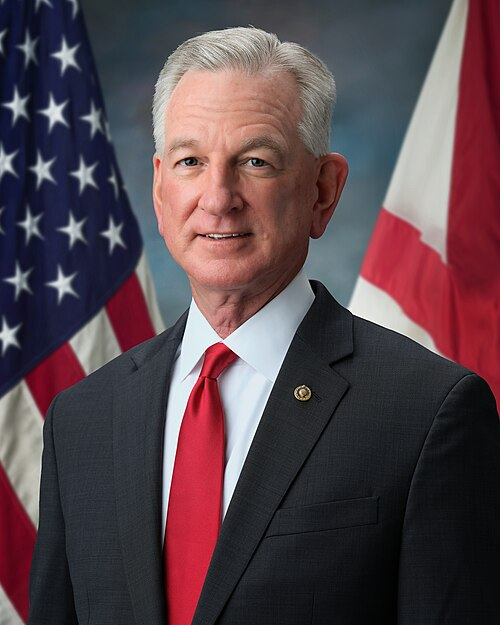
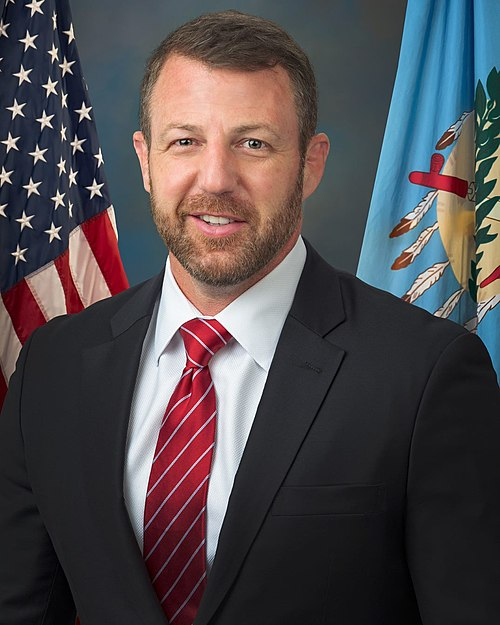
1 sponsor
Actions
2 actions
| Date | Action |
|---|---|
| Dec. 02, 2025 | Introduced in Senate |
| Dec. 02, 2025 | Read twice and referred to the Committee on the Judiciary. |
Corporate Lobbying
0 companies lobbying
None found.
* Note that there can be significant delays in lobbying disclosures, and our data may be incomplete.