S. 3284: Streamline Transit Projects Act
The Streamline Transit Projects Act aims to make it easier for transit agencies in urban areas to manage environmental reviews associated with transit projects. Here are the key components of the bill:
1. Purpose of the Bill
The main goal of this legislation is to allow certain transit agencies to take on responsibilities related to environmental assessments, which can speed up the process of getting transit projects underway. This is particularly aimed at agencies located in urban areas with populations over 200,000.
2. Eligible Recipients
Transit agencies that qualify for these new responsibilities must:
- Be direct recipients of federal funding for transit projects.
- Demonstrate they have the legal, technical, and financial capability to manage the responsibilities assigned to them.
3. Environmental Review Process
The Secretary of Transportation will be able to assign to eligible agencies the responsibility for determining whether specific activities can move forward without a full environmental assessment, using what is called a "categorical exclusion." This means that certain projects may be exempt from longer, more formal reviews that typically assess environmental impacts.
4. Scope of Authority
Once given this authority, the eligible recipient must follow criteria set by the Secretary of Transportation. The Secretary will designate which types of projects can be categorically excluded from longer assessments.
5. Compliance with Other Federal Laws
If an eligible agency takes on these responsibilities, it may also handle environmental reviews related to other federal laws, with the exception of consultation with Indian Tribes. The agency will be fully responsible for complying with these laws and will not have assistance or liability from the Secretary.
6. Memoranda of Understanding
Agencies will enter into agreements with the Secretary defining the responsibilities they are taking on. These agreements will include provisions for public notice and opportunities for public comment, as well as conditions under which the Secretary might reassume responsibility.
7. Monitoring and Enforcement
The Secretary will monitor how well these agencies are complying with the terms of their agreements and will evaluate their performance when considering whether to renew these agreements.
8. Termination of Responsibilities
Responsibilities can be terminated by either the Secretary or the eligible recipient under specific circumstances, which typically involve inadequate performance or failure to comply with the responsibilities outlined in their agreement.
9. Legal Status and Funding
When taking on these responsibilities, an eligible recipient will be considered a federal agency for the purposes of the laws under which they are acting. They will also be permitted to use federal funds for attorney fees related to these environmental tasks.
10. Duration of Agreements
The agreements between the Secretary and the eligible recipients can last up to three years but may be renewed. If an agency has taken on responsibilities for ten years, the term can extend to five years.
Relevant Companies
None found.
This is an AI-generated summary of the bill text. There may be mistakes.
Sponsors
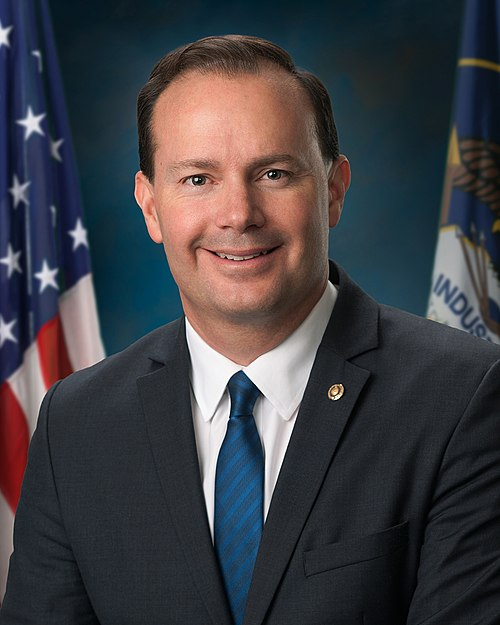
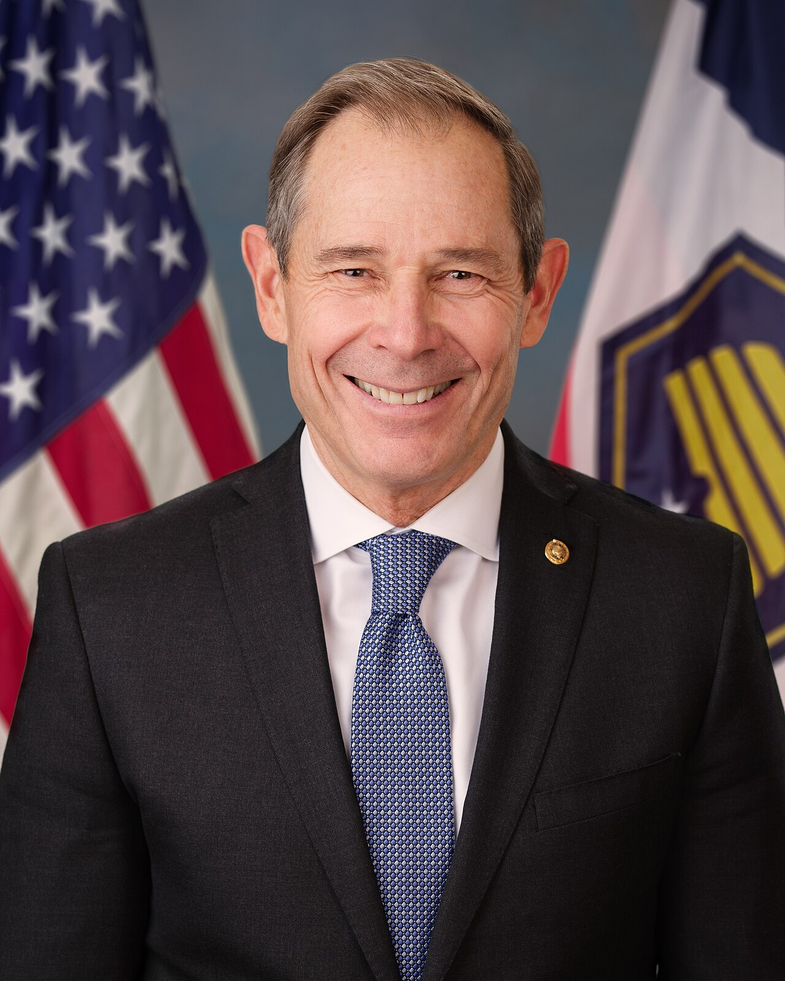
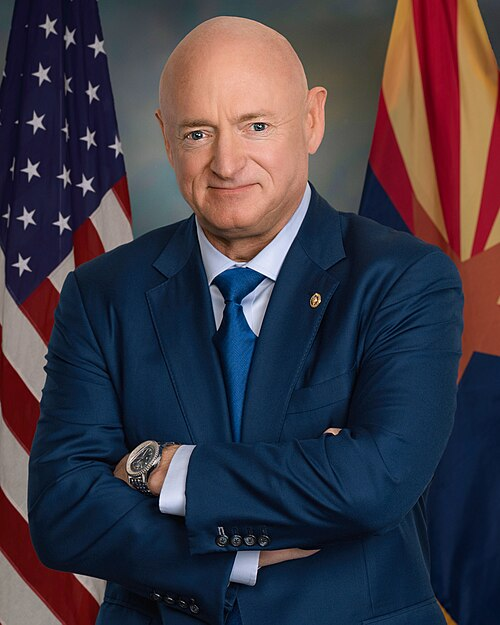
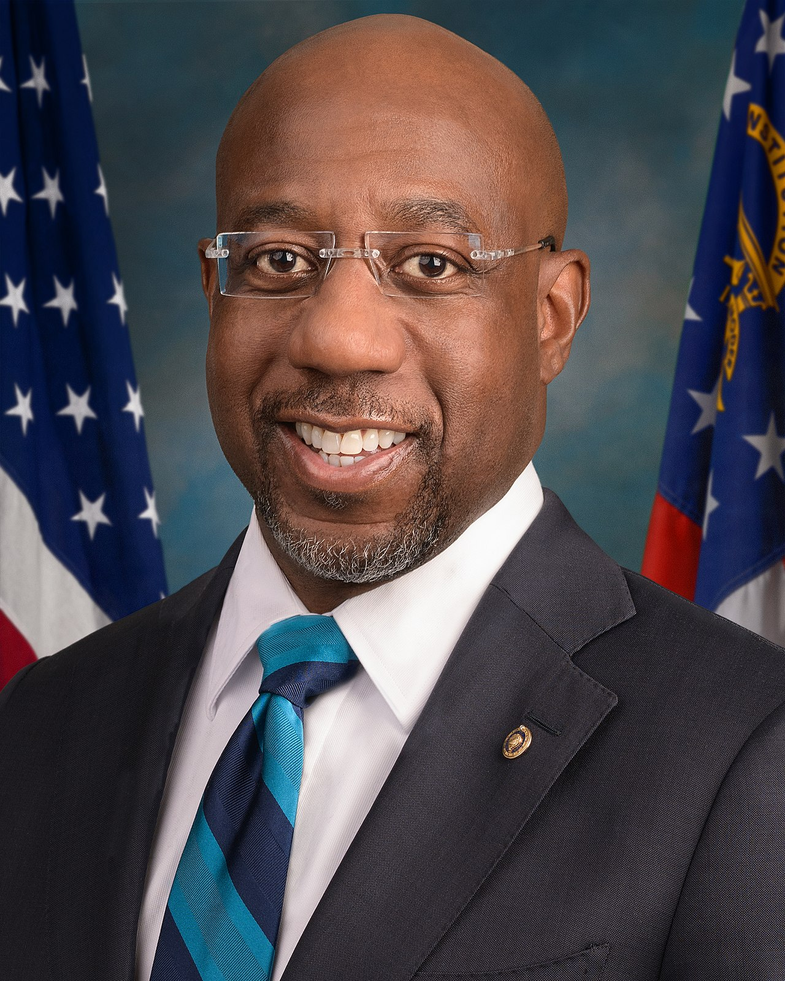
4 bill sponsors
Actions
2 actions
| Date | Action |
|---|---|
| Dec. 01, 2025 | Introduced in Senate |
| Dec. 01, 2025 | Read twice and referred to the Committee on Banking, Housing, and Urban Affairs. |
Corporate Lobbying
0 companies lobbying
None found.
* Note that there can be significant delays in lobbying disclosures, and our data may be incomplete.
Potentially Relevant Congressional Stock Trades
No relevant congressional stock trades found.