S. 3282: Targeting Environmental and Climate Recklessness Act of 2025
This bill, known as the Targeting Environmental and Climate Recklessness Act of 2025, proposes a series of measures aimed at addressing climate change and its associated issues. It seeks to authorize the U.S. government to impose sanctions on foreign individuals and entities that take significant actions that worsen climate change or engage in harmful environmental practices. Below are the key components of the bill:
Purpose of the Bill
The primary goal of the bill is to respond to the escalating climate crisis by deterring harmful activities that contribute to greenhouse gas emissions and deforestation. The bill recognizes that climate change poses severe risks to public health, safety, and the economy, necessitating urgent action.
Findings
The bill outlines several findings highlighting the urgent need for action:
- Climate change is causing increasingly severe weather events and other environmental threats.
- Global temperature rises must be limited to under 1.5 degrees Celsius to avoid catastrophic effects.
- The U.S. has a responsibility to take meaningful actions to mitigate climate change impacts.
- Some international actions related to climate change are associated with human rights abuses and environmental injustice.
Sanctions Authority
The bill provides the President with the authority to impose sanctions on foreign persons who:
- Engage in activities that significantly increase greenhouse gas emissions or undermine climate goals.
- Contribute to illegal deforestation or harm carbon sinks.
- Misrepresent the environmental impacts of projects or investments.
- Threaten individuals advocating for environmental protection or community rights.
Types of Sanctions
Possible sanctions could include:
- Ineligibility for U.S. visas or travel.
- Blocking of property and assets held in the U.S.
- Additional measures as allowed under current U.S. law.
Implementation and Oversight
The bill mandates that the President must consider credible information from congressional committees and international organizations before imposing sanctions. It also stipulates that sanctions should be employed primarily when diplomatic engagement has failed.
Comprehensive Approach
The legislation emphasizes that sanctions are just one part of a broader strategy needed to address climate change, which includes:
- Ensuring domestic entities are not complicit in harmful environmental activities.
- Increasing international climate finance and cooperation.
- Working proactively with other nations to promote development that does not increase emissions.
Conclusion
While the bill outlines various provisions for sanctions and measures against activities that exacerbate climate change, it firmly positions such actions as part of a larger effort to combat environmental and climate threats both domestically and internationally.
Relevant Companies
- None found
This is an AI-generated summary of the bill text. There may be mistakes.
Sponsors
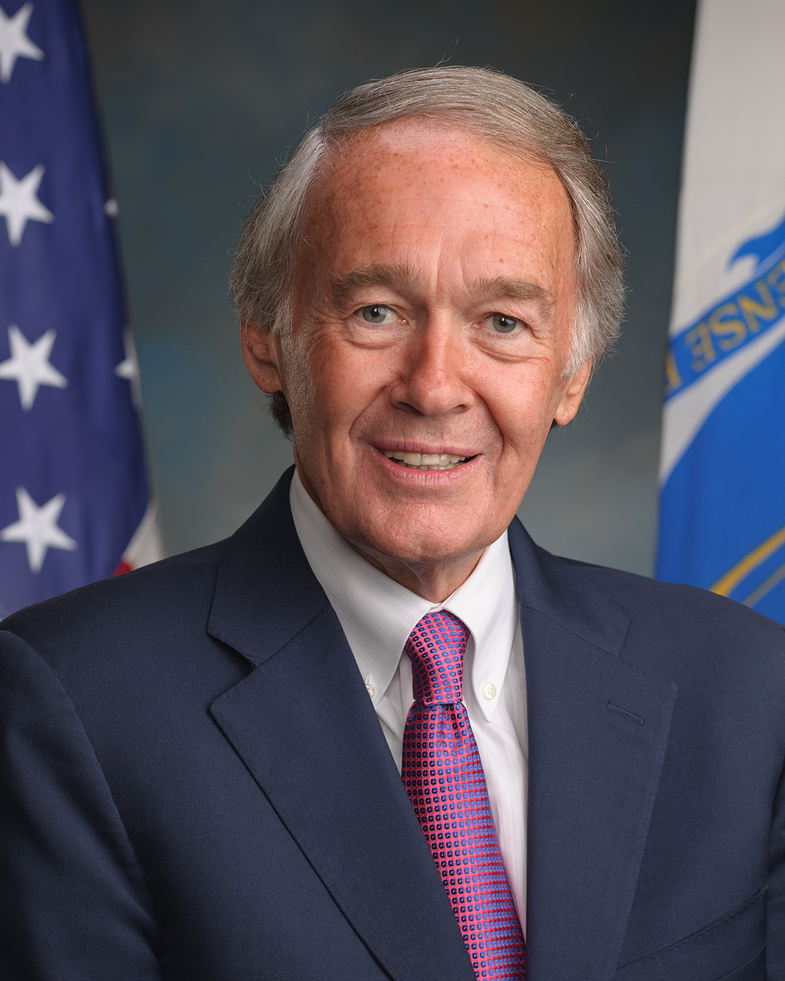
2 bill sponsors

Actions
2 actions
| Date | Action |
|---|---|
| Dec. 01, 2025 | Introduced in Senate |
| Dec. 01, 2025 | Read twice and referred to the Committee on Banking, Housing, and Urban Affairs. |
Corporate Lobbying
0 companies lobbying
None found.
* Note that there can be significant delays in lobbying disclosures, and our data may be incomplete.
Potentially Relevant Congressional Stock Trades
No relevant congressional stock trades found.