S. 3247: Dark and Quiet Skies Act of 2025
The Dark and Quiet Skies Act of 2025 aims to create a Center of Excellence for Dark and Quiet Skies to enhance collaboration between federal agencies and private entities in mitigating light and radio interference that affects astronomical and scientific observations. Here are the key components of the bill:
Purpose
The Act seeks to foster cooperation among federal agencies and the private sector in researching, developing, and applying voluntary techniques to protect federally funded scientific research that observes the sky and celestial bodies.
Center of Excellence for Dark and Quiet Skies
Definitions
Key terms in the bill include:
- Center: Refers to the newly established Center of Excellence.
- Eligible entity: Includes nonprofits, federal laboratories, educational institutions, Native entities, observatories involved in federally funded research, and certain consortia.
- Scientific activity: Represents federally funded efforts that utilize optical or radio observations to study celestial phenomena.
Establishment of the Center
Within one year of the bill's enactment, the Under Secretary of Commerce for Standards and Technology will grant funding for the establishment of the Center, following a workshop aimed at assessing research needs related to light and radio interference.
Objectives
The Center will focus on several objectives, including:
- Collaborating with satellite industries and the astronomical community to develop best practices for limiting optical and radio interference.
- Identifying facilities in the U.S. for testing interference mitigation strategies.
- Conducting research to track and minimize potential interference from satellites on scientific observations.
- Publishing research outcomes in accessible formats while protecting confidential information.
- Working with the satellite industry to formulate voluntary guidelines for interference mitigation.
Consultation
To set up the Center and its objectives, consultation will include various federal agencies such as the Federal Aviation Administration, NASA, and private entities involved in space activities.
Application and Award Basis
Entities seeking grants must submit applications detailing their capability to sustain the Center's activities financially and their engagement with small businesses.
Coordination
The Under Secretary will coordinate the Center’s activities to prevent overlap with related research initiatives across various federal agencies and laboratories.
Duration
The Center is planned to operate for five years, with the possibility of termination if underperformance is identified during this period.
Reporting
The Under Secretary is required to produce reports to Congress evaluating the Center's effectiveness and outlining future benchmarks.
Funding
The bill supports a total appropriation of $20 million for the Center from fiscal years 2026 to 2030, designated specifically for its operations.
Relevant Companies
- GOOG - Google: As a significant player in satellite technology (e.g., Project Loon), Google may be impacted by guidelines on interference mitigation with its observational technologies.
- AMZN - Amazon: Amazon's Project Kuiper, a satellite constellation aimed at providing internet access, could influence and be influenced by the best practices developed under this legislation.
- SNODE - SpaceX: The company’s Starlink initiative may need to adapt its operations to comply with any newly established best practices aimed at reducing interference with scientific observations.
This is an AI-generated summary of the bill text. There may be mistakes.
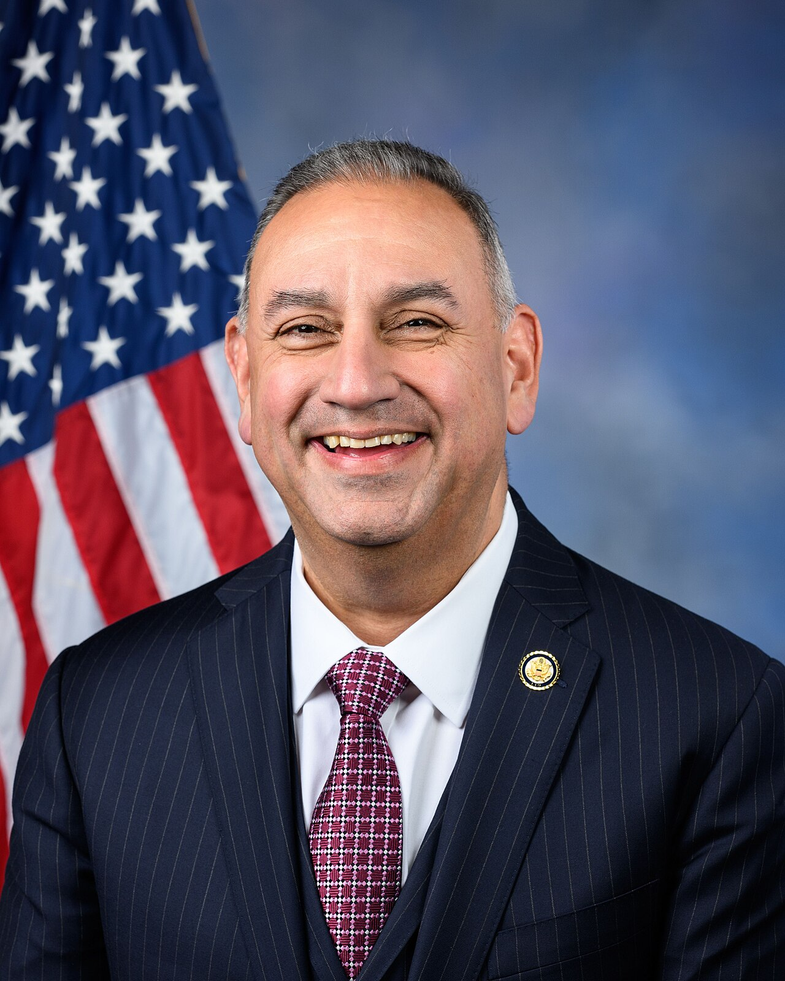
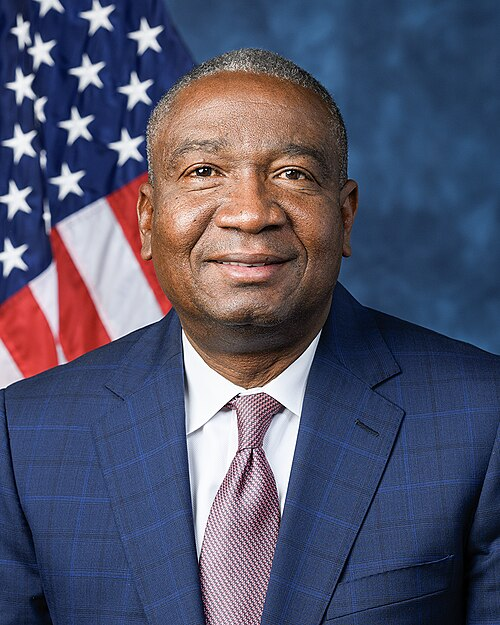
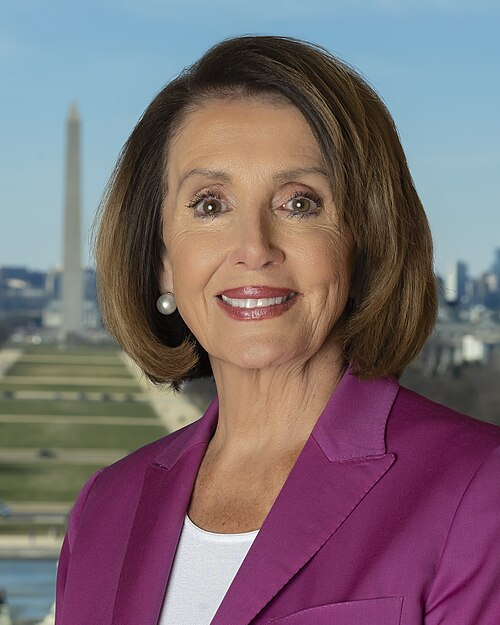
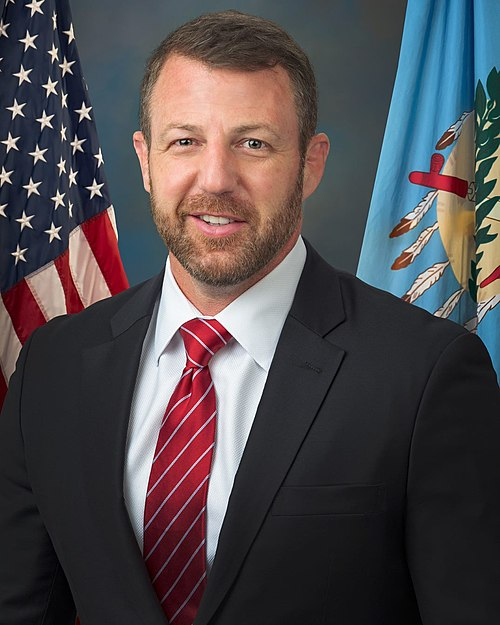
Sponsors
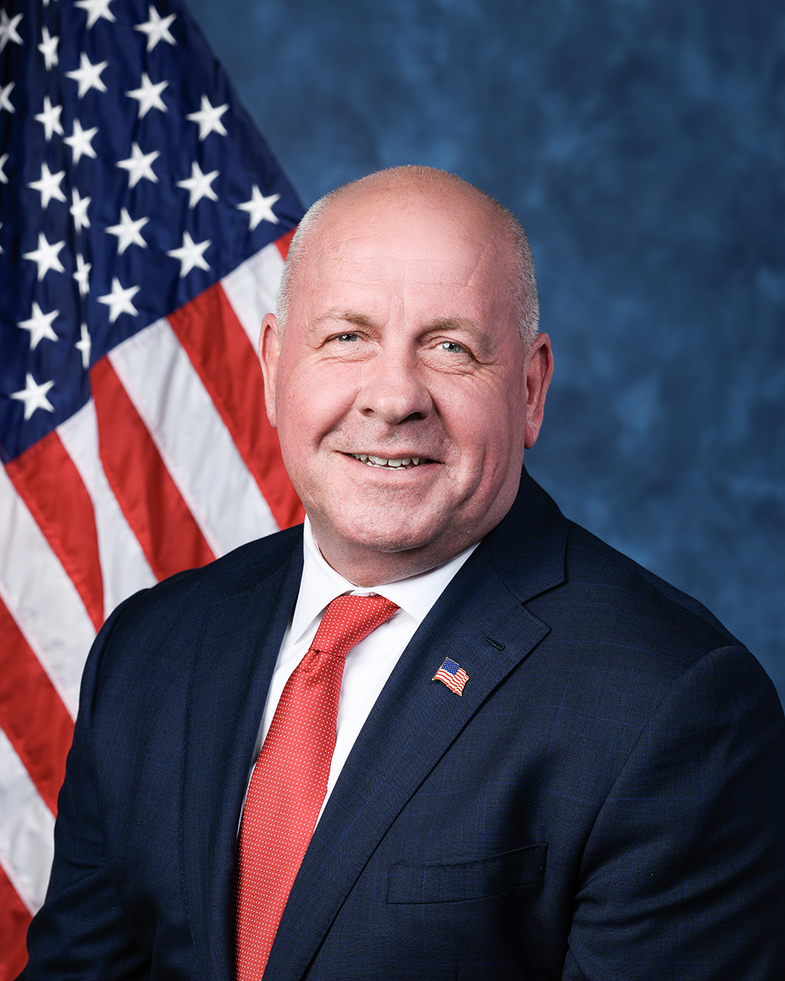
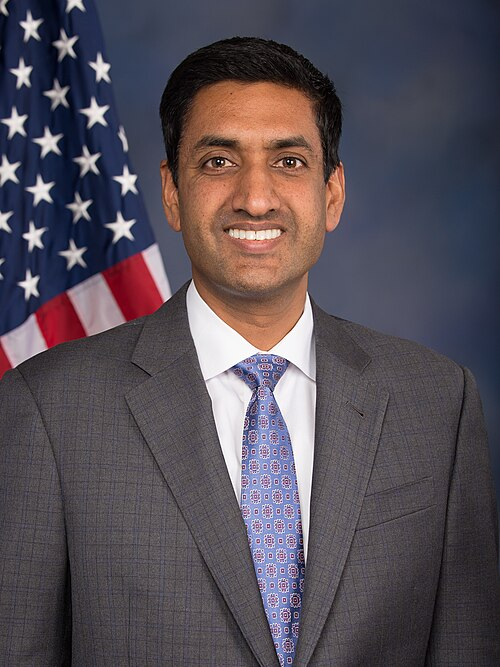
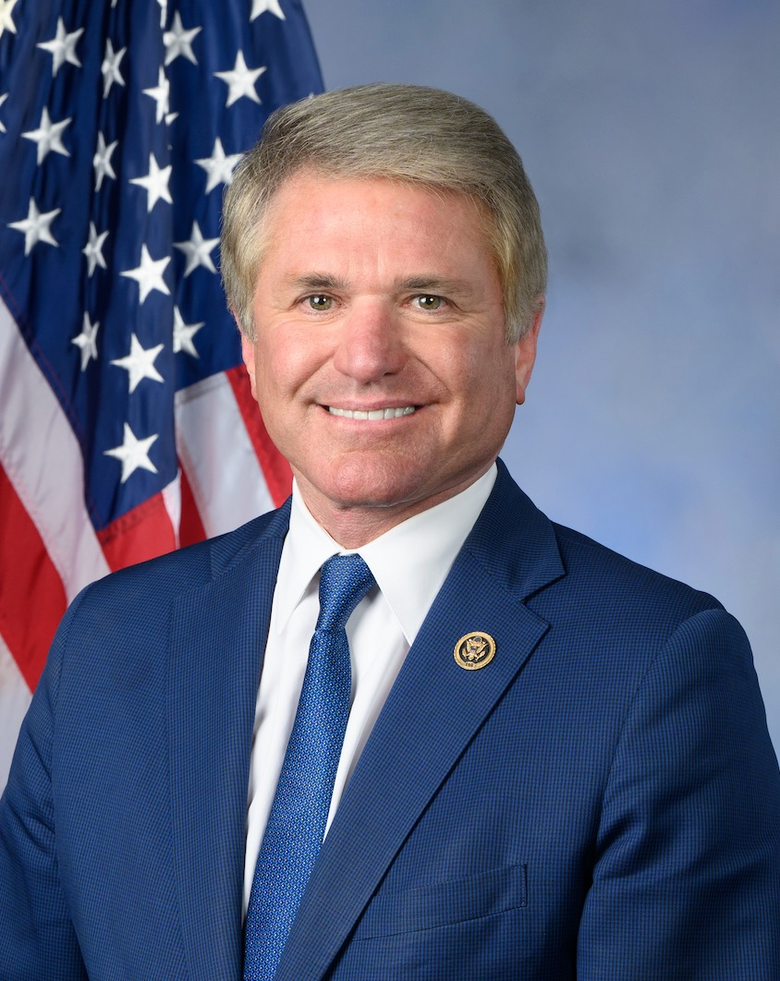
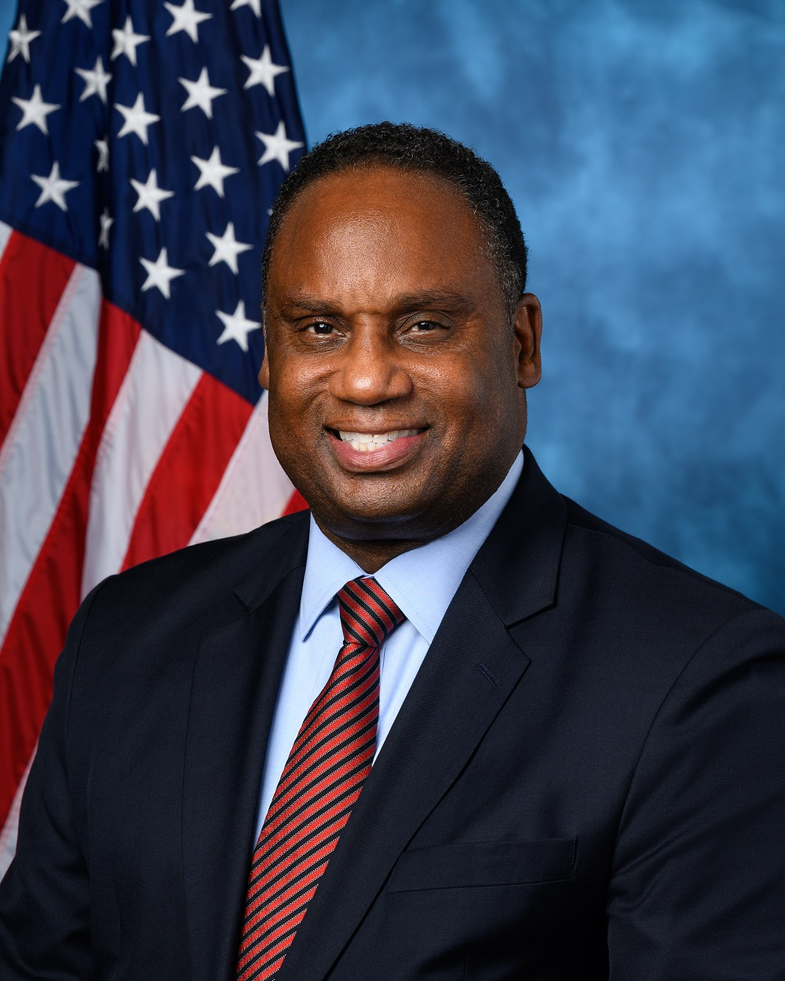
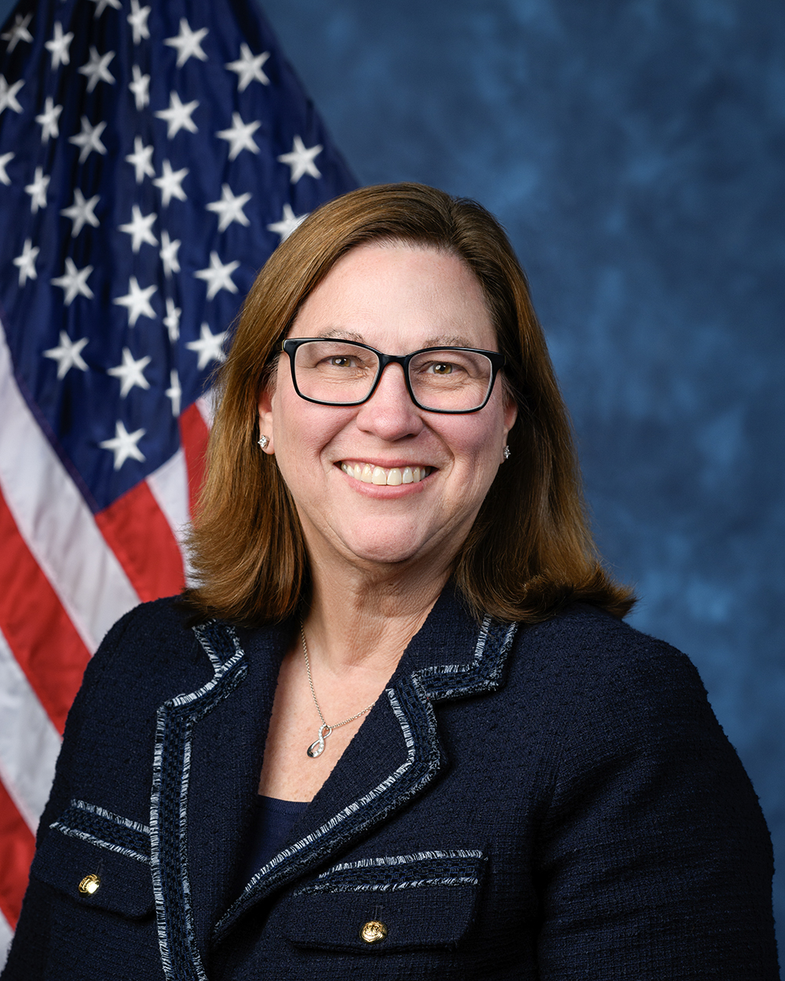
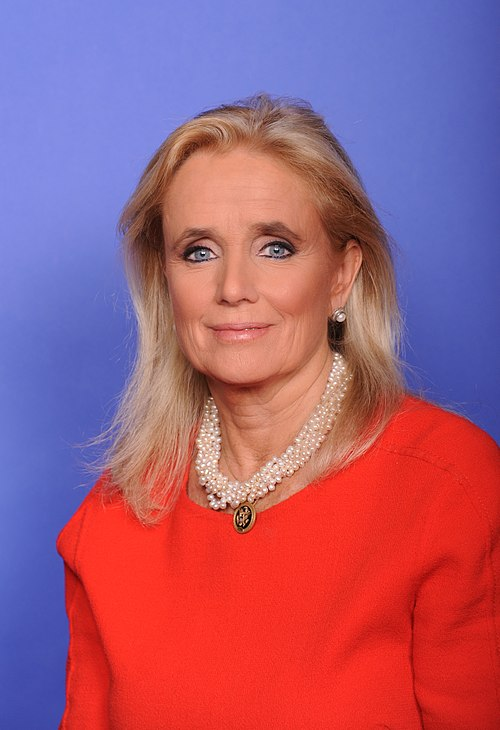
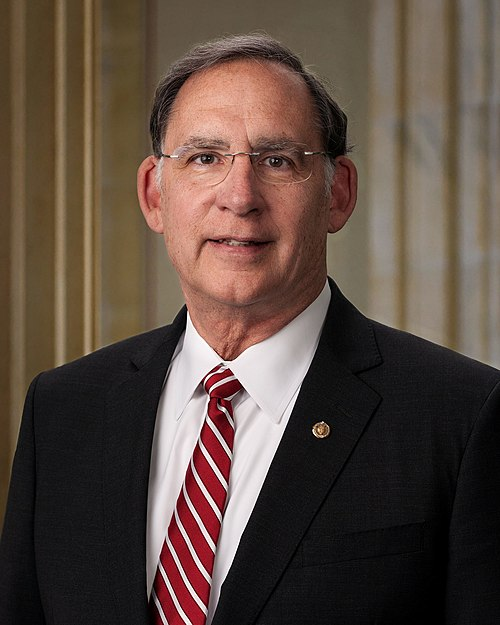
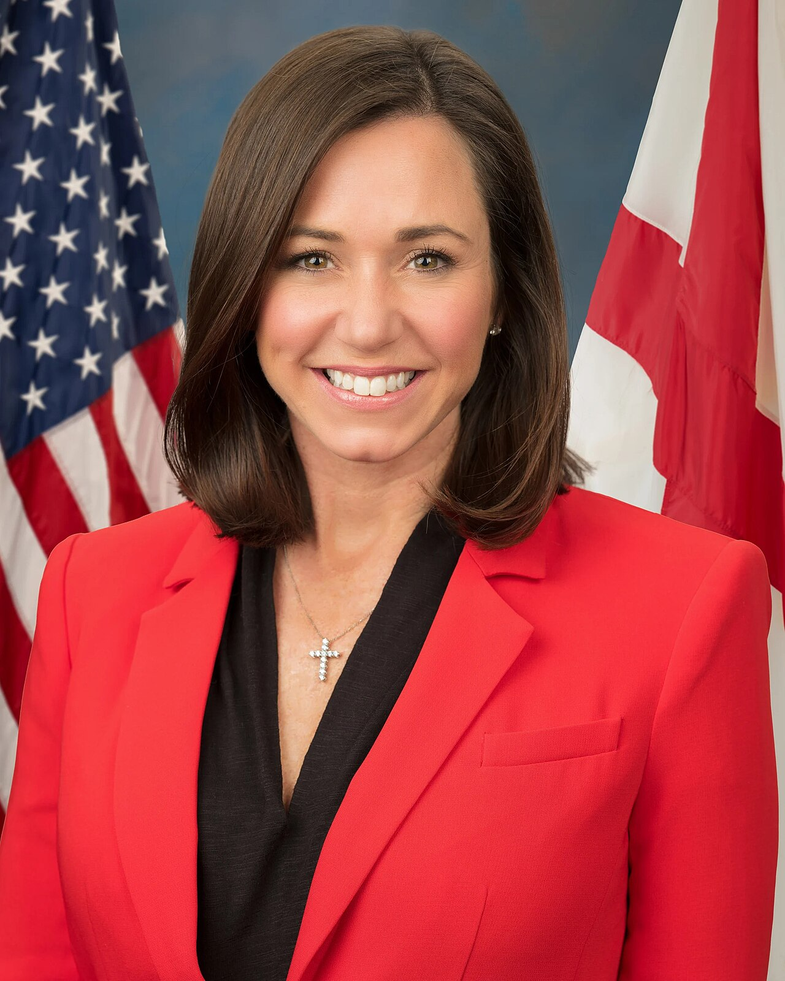
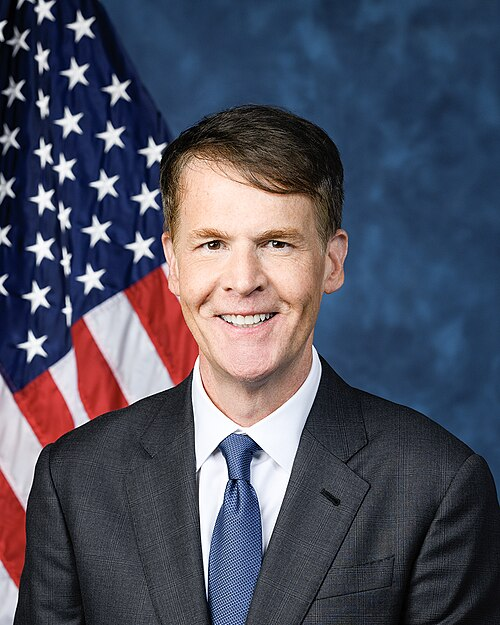
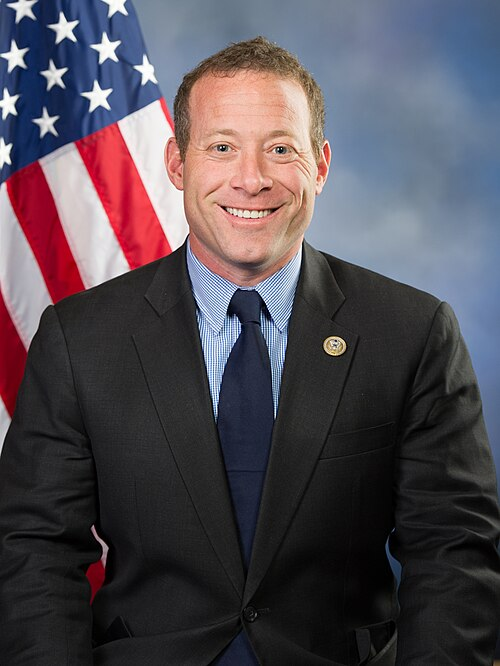
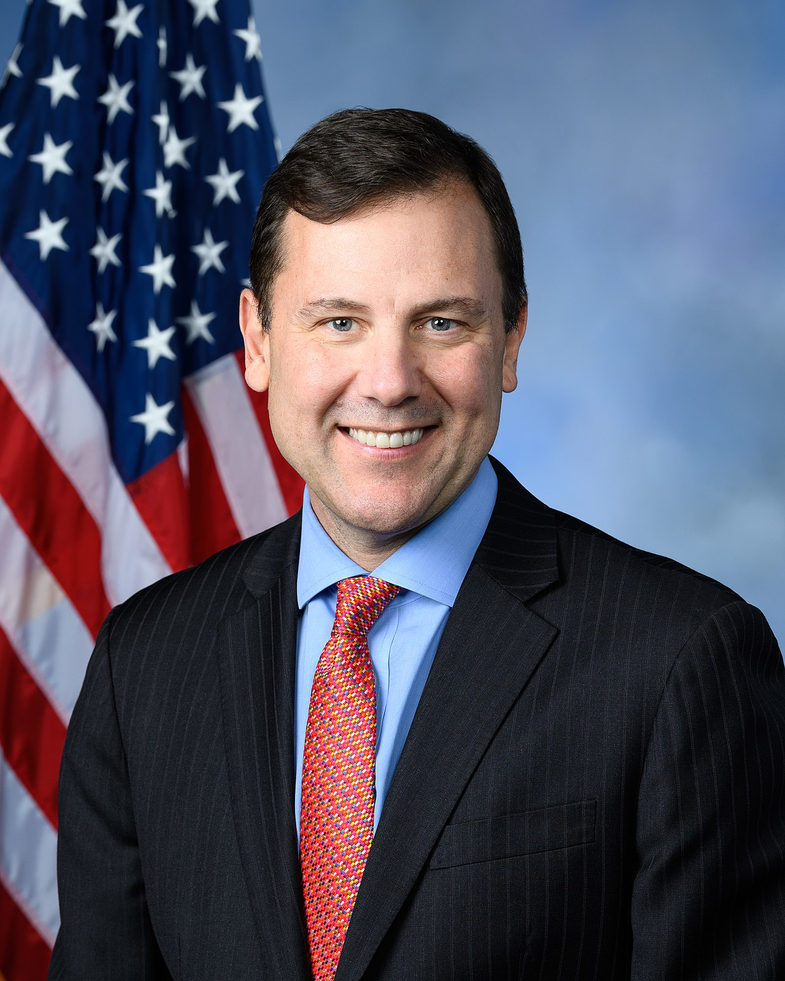
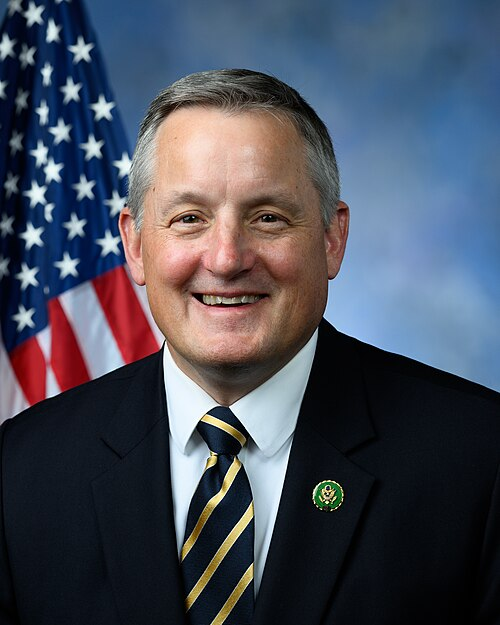
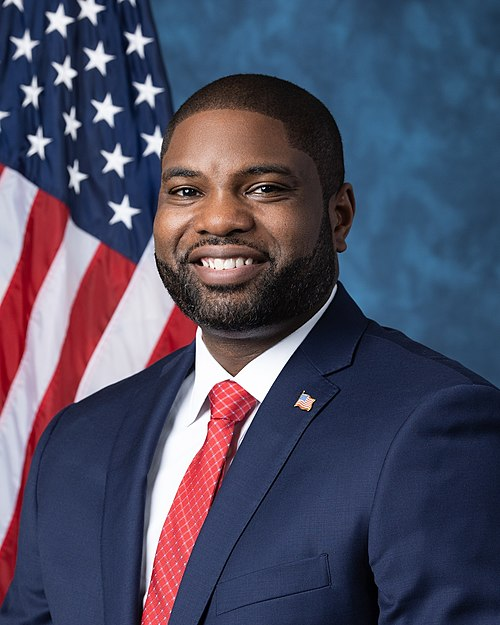
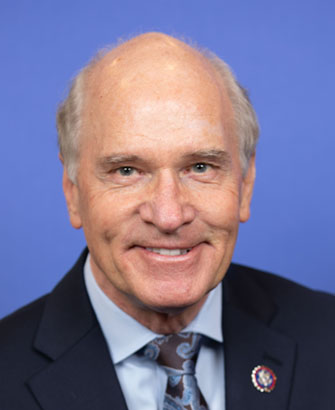
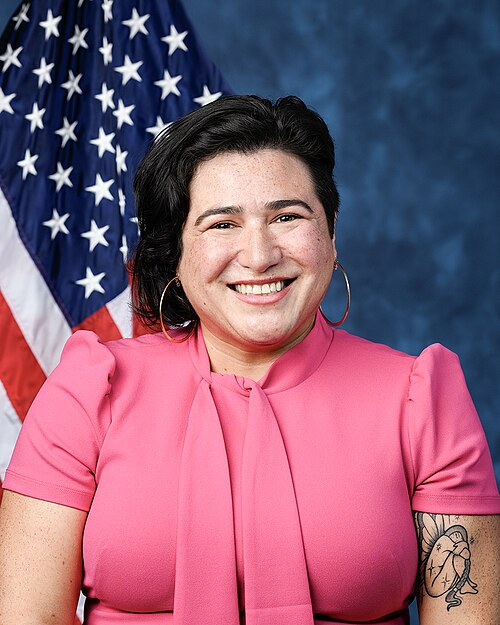
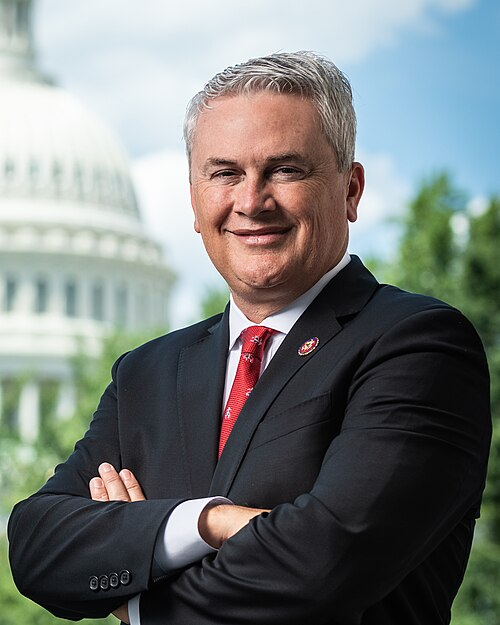
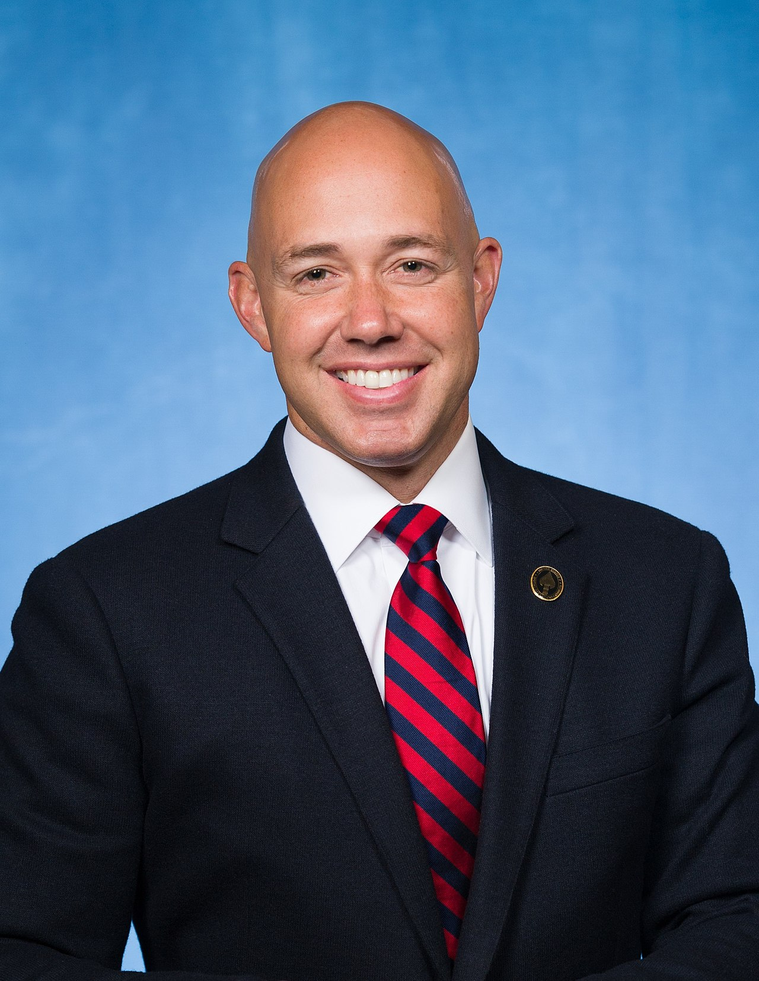
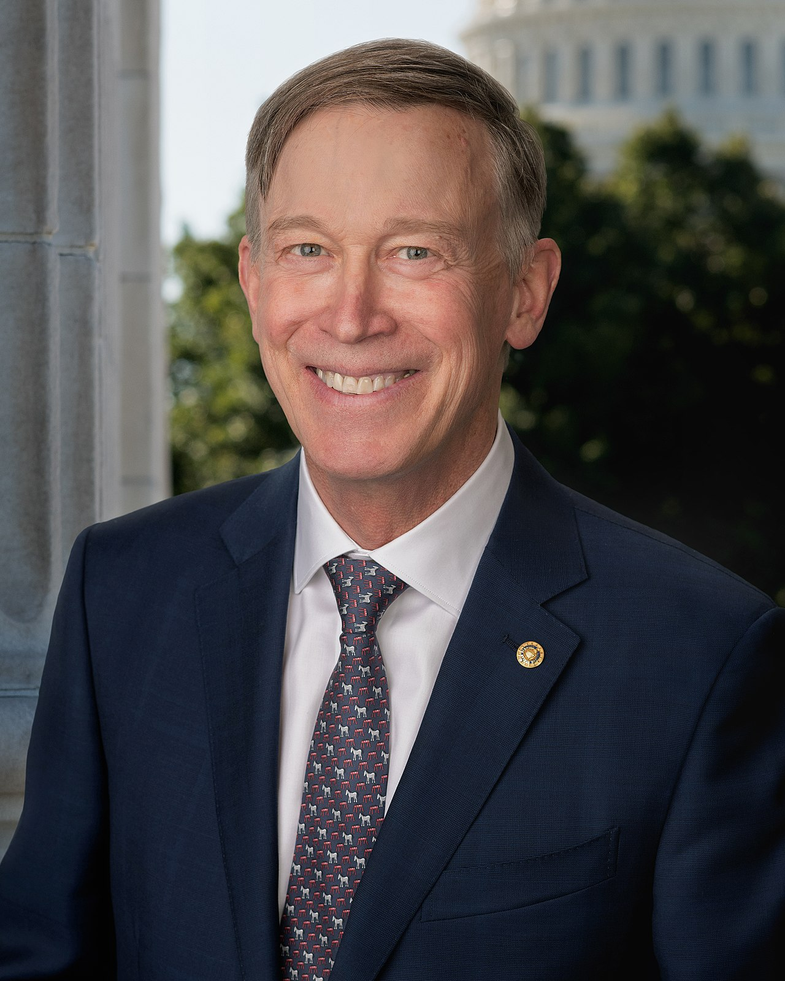
2 bill sponsors

Actions
2 actions
| Date | Action |
|---|---|
| Nov. 20, 2025 | Introduced in Senate |
| Nov. 20, 2025 | Read twice and referred to the Committee on Commerce, Science, and Transportation. |
Corporate Lobbying
0 companies lobbying
None found.
* Note that there can be significant delays in lobbying disclosures, and our data may be incomplete.