S. 3217: Skills Investment Act of 2025
The Skills Investment Act of 2025
proposes changes to the Internal Revenue Code to establish and enhance Coverdell lifelong learning accounts
. These accounts are designed to provide financial support for lifelong education and skill development. Here’s a breakdown of the main components of the bill:
1. Renaming and Clarifying Terms
The bill renames existing Coverdell education savings accounts
to Coverdell lifelong learning accounts
and makes necessary amendments throughout the tax code to reflect this change. Current accounts established before January 1, 2026, will automatically be designated as lifelong learning accounts.
2. Expanded Use of Accounts
The bill expands the definition of qualified expenses that can be paid from these accounts to include:
Qualified educational or skill development expenses
, which include costs related to training services, career and technical education, career services, youth workforce investment activities, and adult education.- Transportation expenses related to these services.
- Expenditures for testing necessary for enrollment or certification.
- Costs for computer software and hardware used for related educational activities.
3. Changes in Age and Contribution Limits
The bill modifies existing rules around contributions:
- The age limit for contributions is increased from 18 to 70.
- Individuals over age 30 can contribute more than $10,000, with specific limits detailed in the bill.
- Beneficiaries aged over 30 are allowed to make larger contributions.
4. Credit for Employer Contributions
Employers who contribute to an employee's lifelong learning accounts will receive a tax credit. This credit will be 25% of the contributions made to these accounts, encouraging employers to invest in the education and skill development of their employees.
5. Allowance for Deductions
Individuals who contribute to their own Coverdell lifelong learning accounts may be eligible for a tax deduction. This can be claimed if the individual is 18 or older and benefits from the contributions made to their account during the taxable year.
6. Increased Penalties
The bill increases the penalty for non-qualified distributions from 10% to 20%. This change aims to discourage misuse of the accounts for purposes other than education or skill development.
7. Effective Date
The provisions of the bill will take effect on January 1, 2026, with certain amendments related to expenses applying to distributions made after December 31, 2025.
Relevant Companies
- EDU - New Oriental Education & Technology Group Inc.: As a leading education service provider, changes to education funding may impact their enrollment and service usage.
- LOPE - Grand Canyon Education, Inc.: Changes in funding for lifelong learning education could influence their student base and course offerings.
- ATGE - Adtalem Global Education Inc.: As a provider of educational programs, amendments to education funding could affect their market opportunities and pricing strategies.
This is an AI-generated summary of the bill text. There may be mistakes.
Sponsors
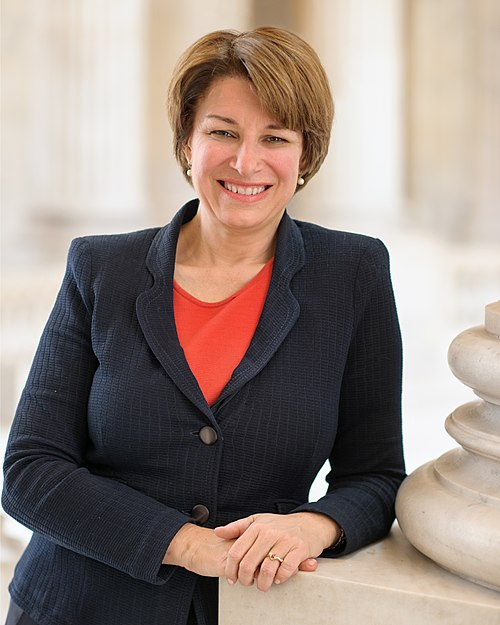
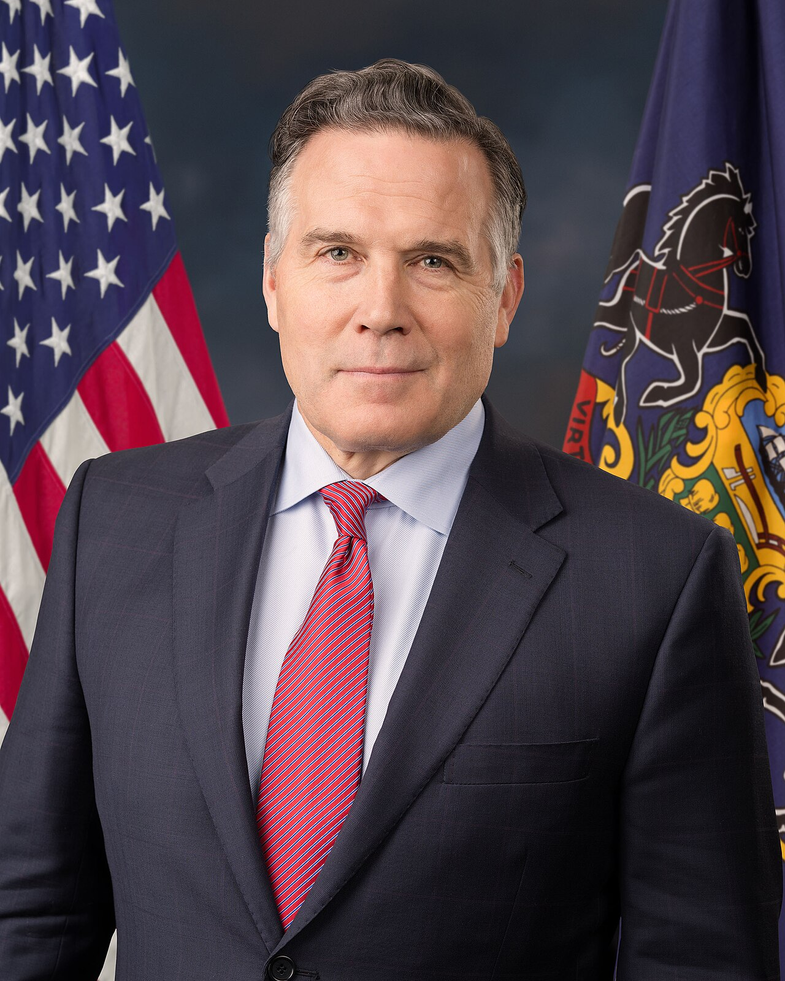
2 bill sponsors
Actions
2 actions
| Date | Action |
|---|---|
| Nov. 19, 2025 | Introduced in Senate |
| Nov. 19, 2025 | Read twice and referred to the Committee on Finance. |
Corporate Lobbying
0 companies lobbying
None found.
* Note that there can be significant delays in lobbying disclosures, and our data may be incomplete.
Potentially Relevant Congressional Stock Trades
| Politician | Stock | Transaction | Filed | Traded | |
|---|---|---|---|---|---|
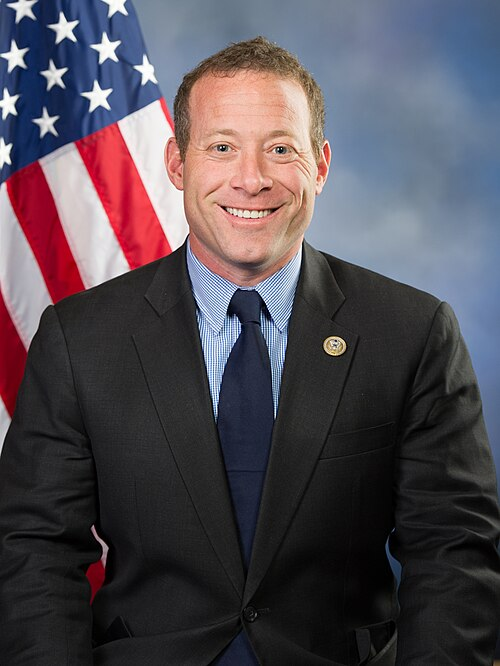
Josh Gottheimer
D / House
|

LOPE
GRAND CANYON EDUCATION, INC. - COMMON STOCK
|
Purchase
$1,001 - $15,000
|
Jun 08, 2024 | May 06, 2024 | -11.04% |