S. 3193: Algorithm Accountability Act
This bill is known as the Algorithm Accountability Act and proposes changes to Section 230 of the Communications Act of 1934. The main focus of the bill is to address liability protections for social media platforms when it comes to the algorithms they use to recommend or curate content.
Key Provisions of the Bill
1. Limiting Liability Protection
The bill seeks to limit the liability protection that social media platforms currently have under Section 230 if they fail to act responsibly with their recommendation-based algorithms. Specifically:
- Social media providers would need to exercise reasonable care in the design, training, testing, deployment, and operation of their algorithms to prevent injuries or deaths related to their use.
- If a user of the platform suffers bodily harm or death that can be linked to the performance of an algorithm, the platform could lose its liability protection.
2. Applicable Criteria
The bill specifies that certain types of injuries fall under this accountability framework:
- Bodily injuries to or deaths of users caused by the platform's algorithm.
- Bodily injuries or deaths inflicted by users upon others that are attributed to the influence of the platform's recommendation algorithm.
3. Exceptions to Liability
There are exceptions to this accountability framework:
- Algorithms that primarily rank or sort content based on chronological criteria or respond to direct user searches would not fall under this bill's liability limitations.
- First Amendment protections would remain effective, meaning the bill cannot lead to enforcement actions against platforms based on the viewpoints expressed through the content shared on their platforms.
4. Enforcement Mechanisms
Under the bill, if a social media platform fails to comply with the established duties:
- They could lose liability protection, exposing them to lawsuits.
- Individuals who suffer injuries due to violations can sue for compensatory and punitive damages.
5. Invalidating Predispute Agreements
The bill would render any predispute arbitration agreements or joint-action waivers unenforceable regarding disputes arising from this accountability framework. This means individuals could not be forced into arbitration before having their day in court.
6. Definitions and Technical Amendments
The bill includes definitions for key terms:
- Recommendation-based Algorithm: A system that uses automation to rank or suggest content based on user data such as preferences, interests, or behavior.
- Social Media Platform: A for-profit service that allows users to create accounts to share content and interact, with certain exclusions like small platforms or email services.
Relevant Companies
- FB (Meta Platforms, Inc.): As a major social media platform relying heavily on algorithms for content recommendation, this bill could significantly impact their liability landscape.
- GOOGL (Alphabet Inc.): Google, through its YouTube platform, utilizes recommendation algorithms, which would place it under scrutiny regarding user harm related to algorithm performance.
- SNAP (Snap Inc.): Snapchat’s algorithmic features for content curation could face increased liability risks under this proposed legislation.
This is an AI-generated summary of the bill text. There may be mistakes.
Sponsors
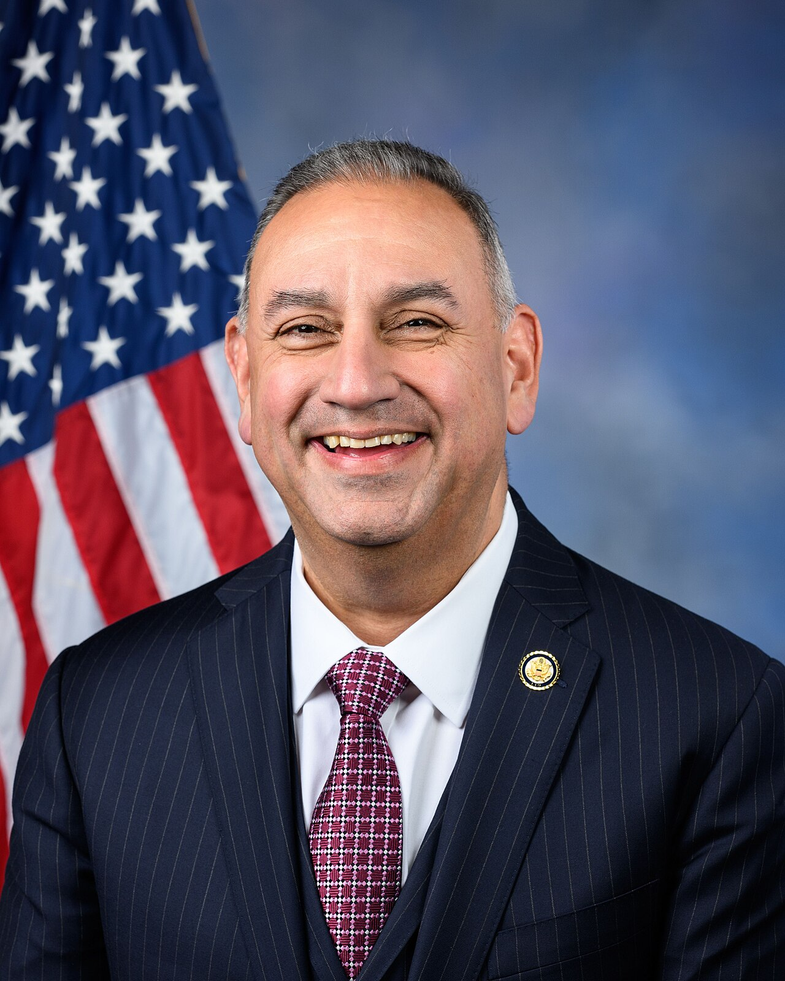
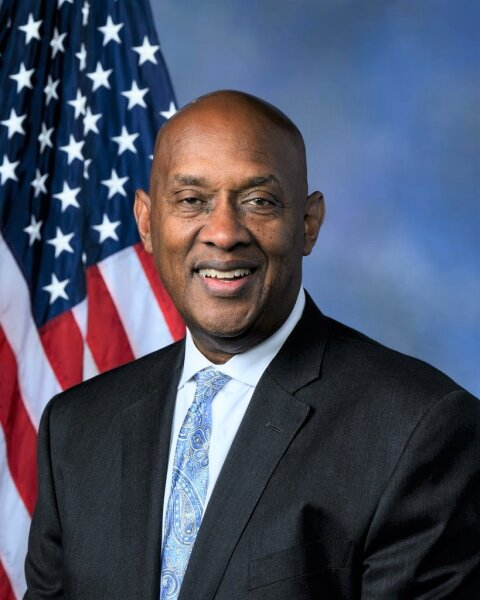
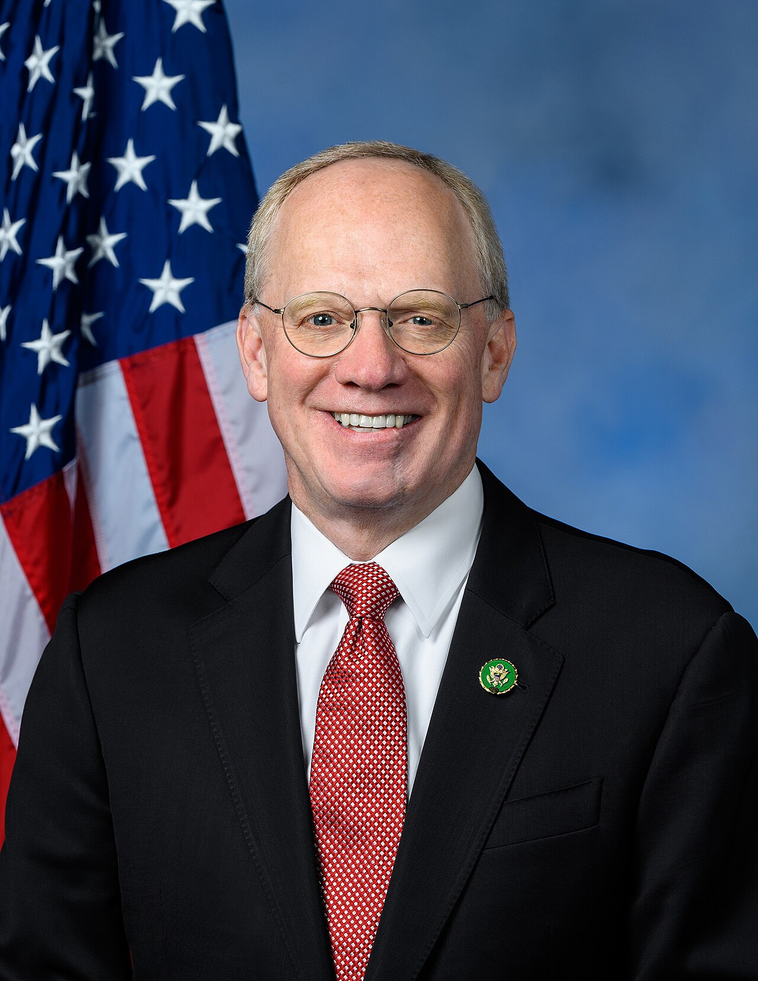
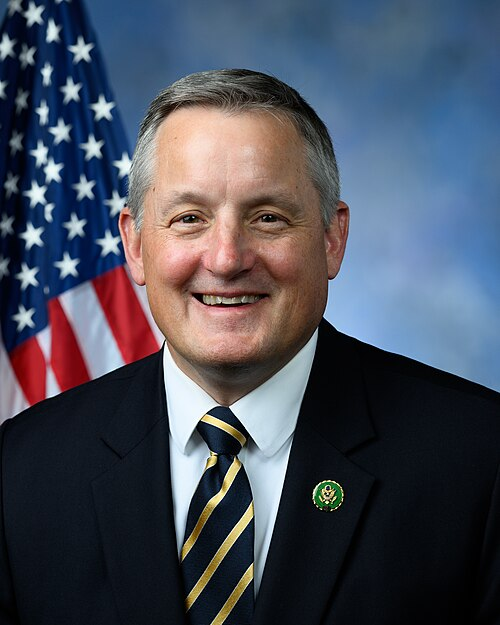
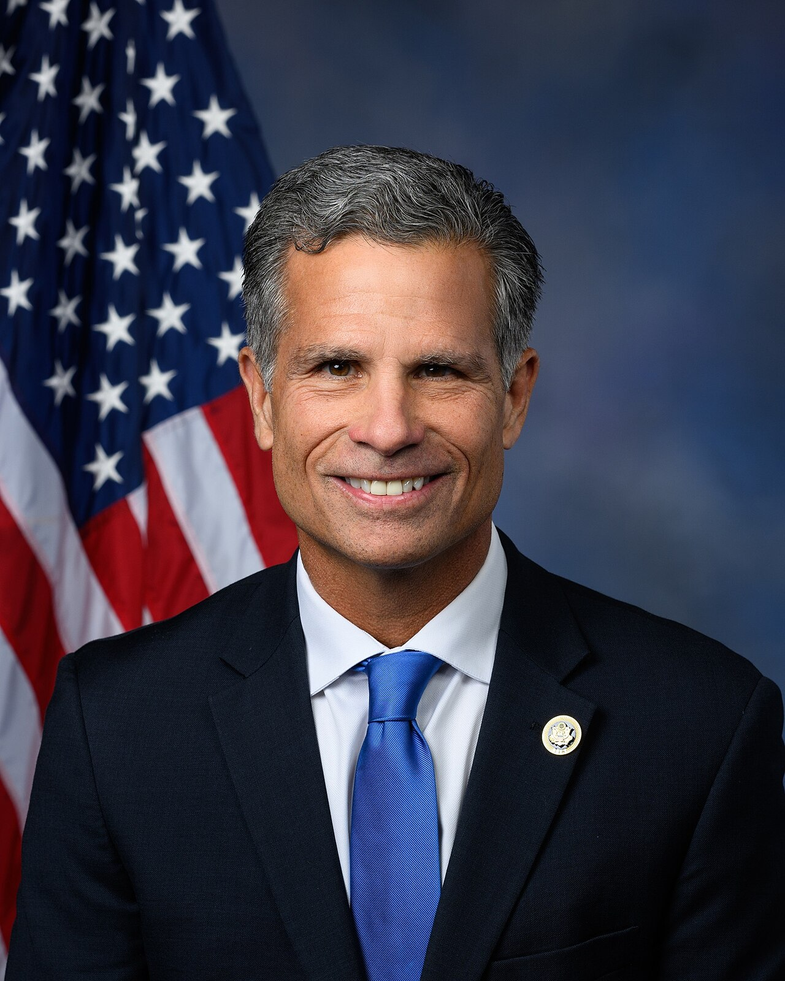
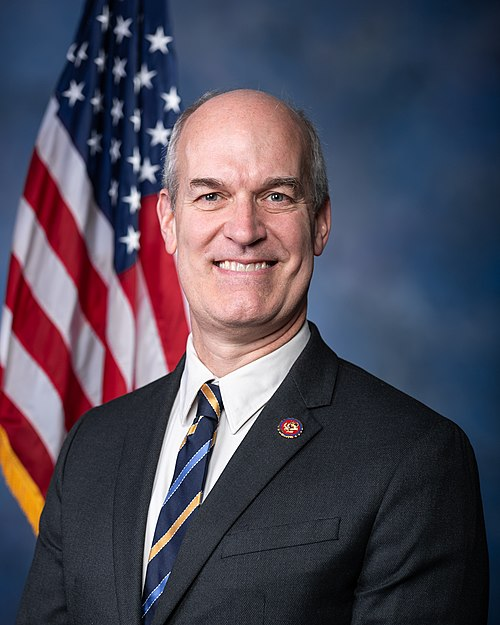
2 bill sponsors


Actions
2 actions
| Date | Action |
|---|---|
| Nov. 18, 2025 | Introduced in Senate |
| Nov. 18, 2025 | Read twice and referred to the Committee on Commerce, Science, and Transportation. |
Corporate Lobbying
0 companies lobbying
None found.
* Note that there can be significant delays in lobbying disclosures, and our data may be incomplete.