S. 3191: Stop Ballroom Bribery Act
This bill, titled the Stop Ballroom Bribery Act, aims to prevent potential corruption by imposing strict limitations on donations related to certain public properties and events associated with the President and Vice President. It has several key provisions:
Donation Restrictions for Public Property
The bill defines covered projects as the maintenance, acquisition, enhancement, improvement, alteration, demolition, or construction of any public property located on or near the White House and the Naval Observatory, as well as any events hosted at these locations. It also includes federal monuments honoring current or former Presidents and other designated officials.
Approval Process for Donations
Donations for covered projects can only be accepted if:
- The donation complies with existing laws regarding gifts and reimbursements, and
- The Director of the National Park Service and the Director of the Office of Government Ethics both provide written approval.
Eligibility and Restrictions on Donors
The bill prohibits certain individuals from making donations. This includes:
- Individuals involved in litigation with the federal government.
- Individuals under investigation by federal authorities.
- Those seeking government contracts or grants.
- Individuals engaged in lobbying activities directed at the executive branch.
All donations must not coerce benefits from the government and cannot be intended to influence official responsibilities or undermine the integrity of government actions.
Post-Donation Restrictions
After making a donation, individuals are not allowed to:
- Engage in lobbying activities with government officials for a period of two years.
- Convert donations for personal use.
- Use any leftover donation funds to benefit the President, Vice President, or their immediate family members.
Transparency Measures
The bill requires full disclosure of any meetings between donors and government officials connected to donations, including a detailed report of donations made, to be published quarterly. It also prohibits straw donations, where one person makes a donation on behalf of another, and anonymous donations are not permitted.
Enforcement Provisions
The bill authorizes the Director of the Office of Government Ethics to implement regulations, including procedures for returning donations that violate the act. There are defined civil and criminal penalties for any violations, which may involve fines and imprisonment depending on the severity of the offense.
Furthermore, state attorneys general can also take legal action for violations occurring in their jurisdiction.
Severability Clause
The bill includes a severability clause, indicating that if any part is found unconstitutional, the remaining provisions would still be enforceable.
Relevant Companies
- GOOGL - Alphabet Inc.: As a major donor to political campaigns and causes, restrictions on their ability to participate in donations for projects associated with the White House or the President's family could directly impact their philanthropic strategies.
- AMZN - Amazon.com, Inc.: Similar to Alphabet, Amazon regularly engages in lobbying and philanthropic endeavors that may be affected by the donation restrictions imposed by this bill.
This is an AI-generated summary of the bill text. There may be mistakes.
Sponsors
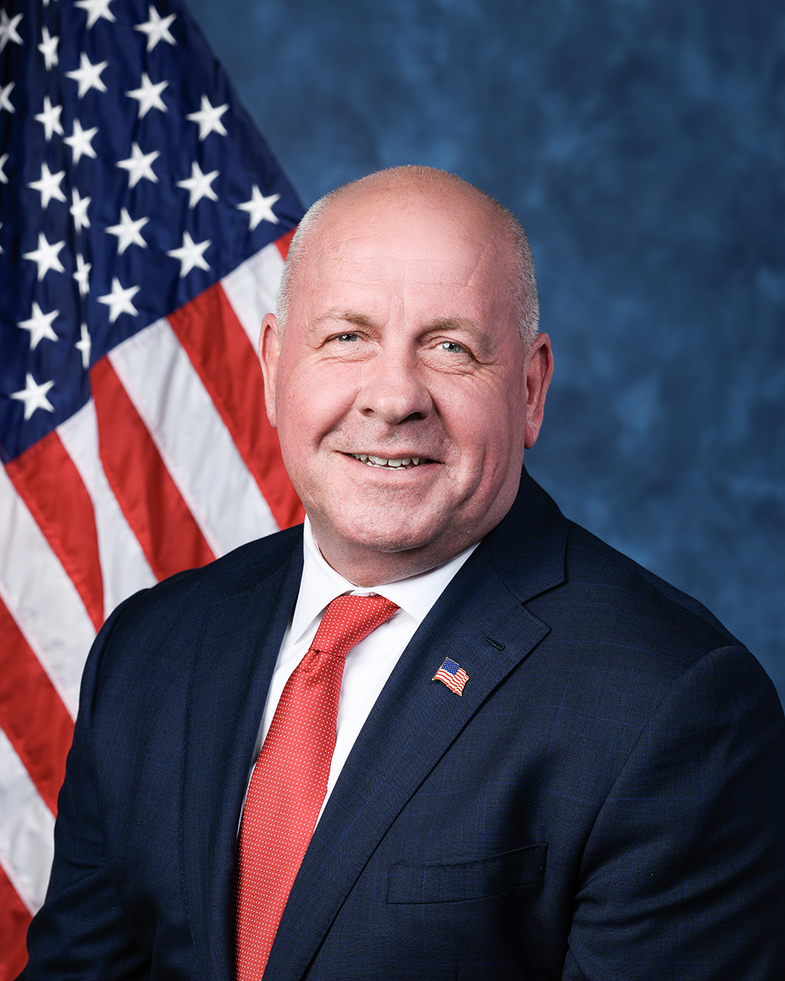
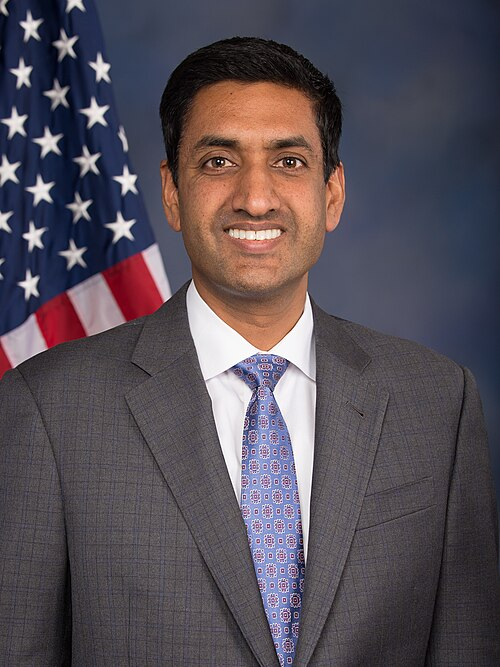
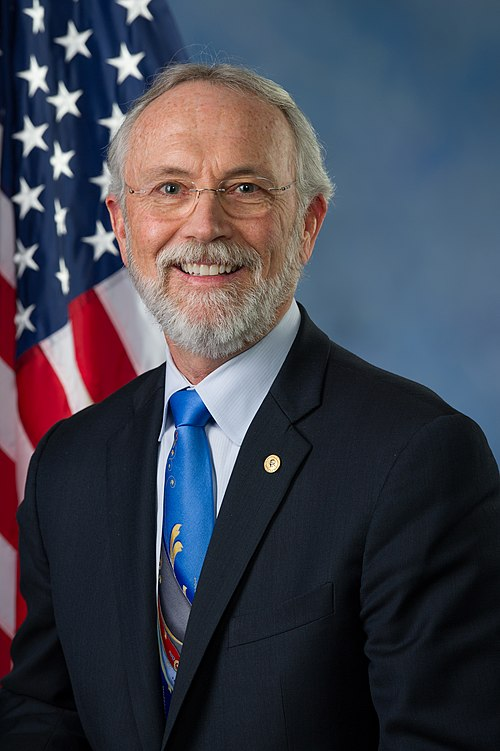
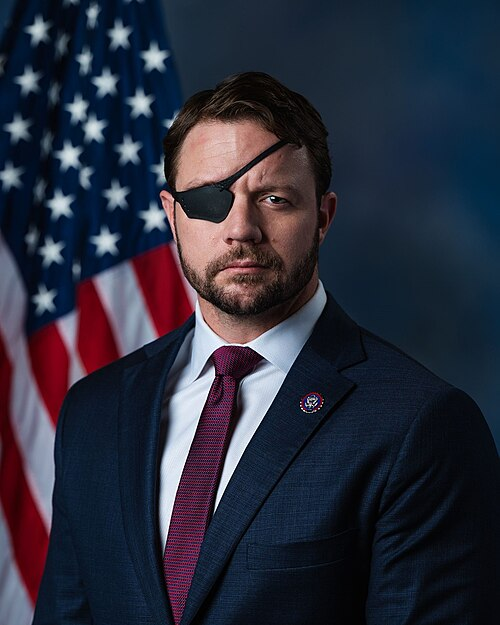
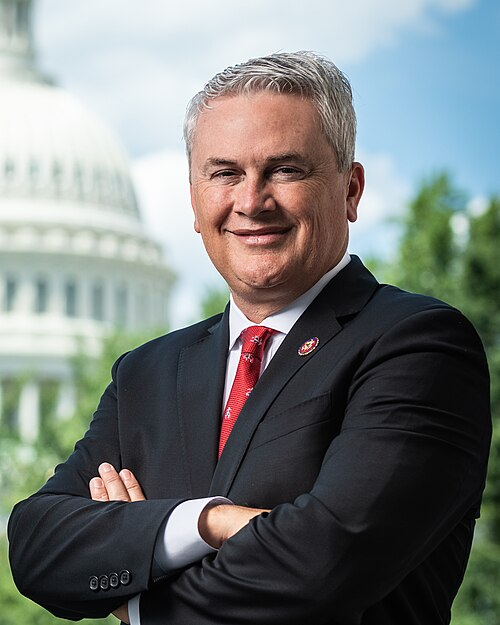
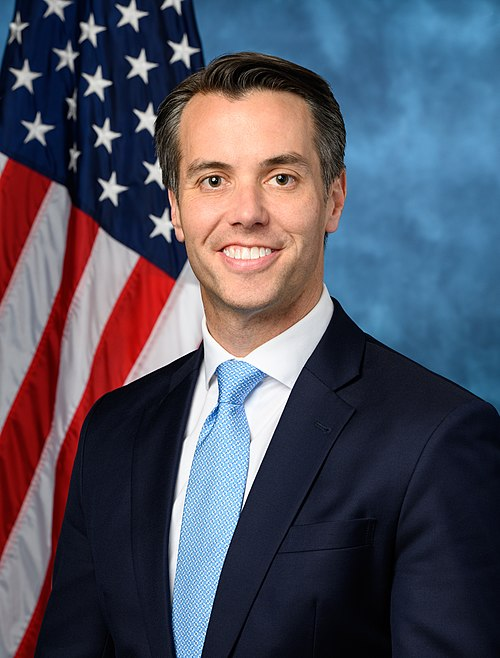
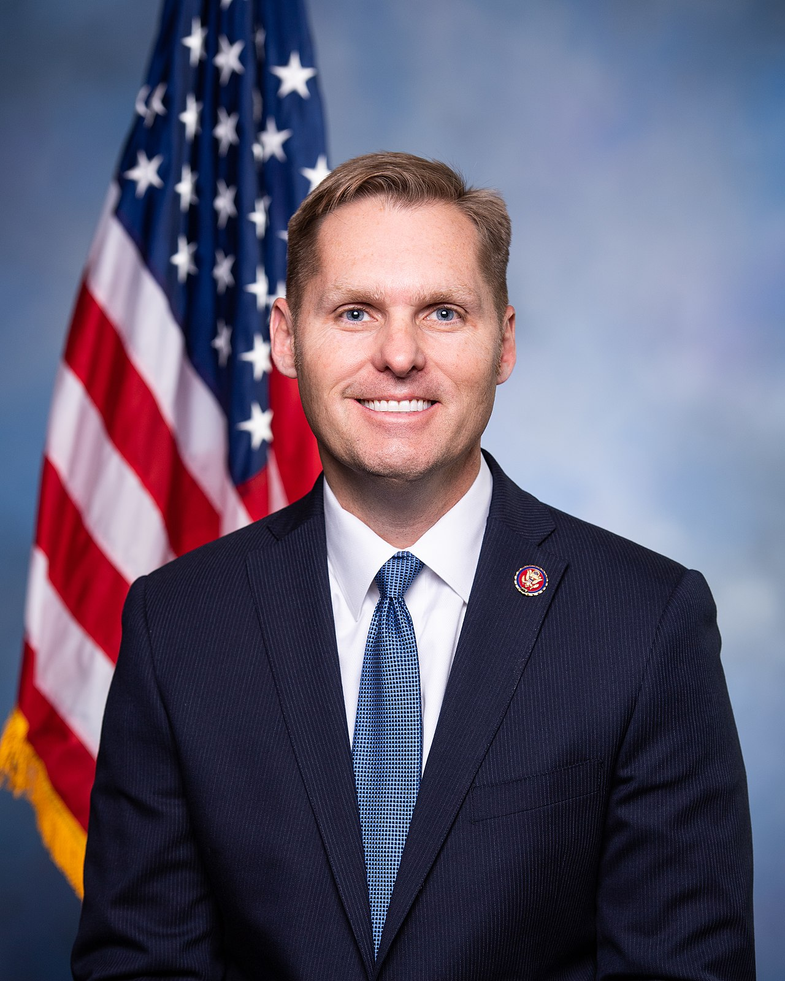
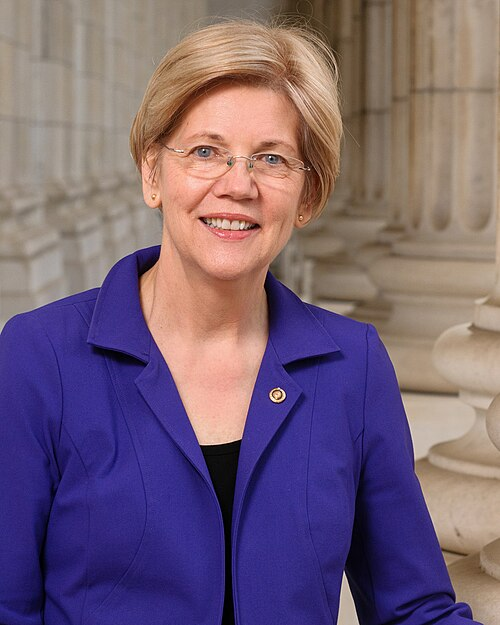
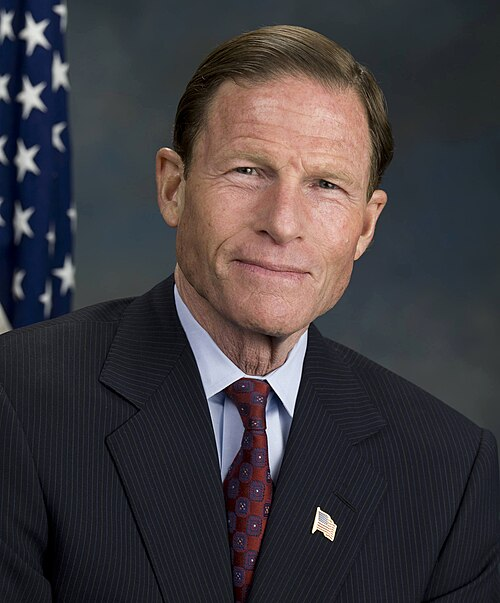
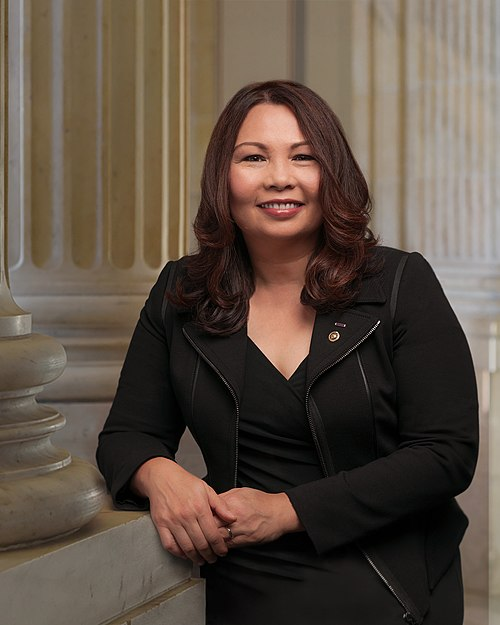
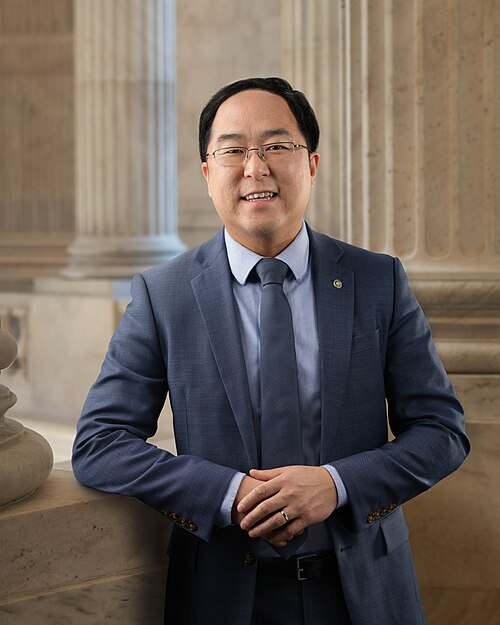
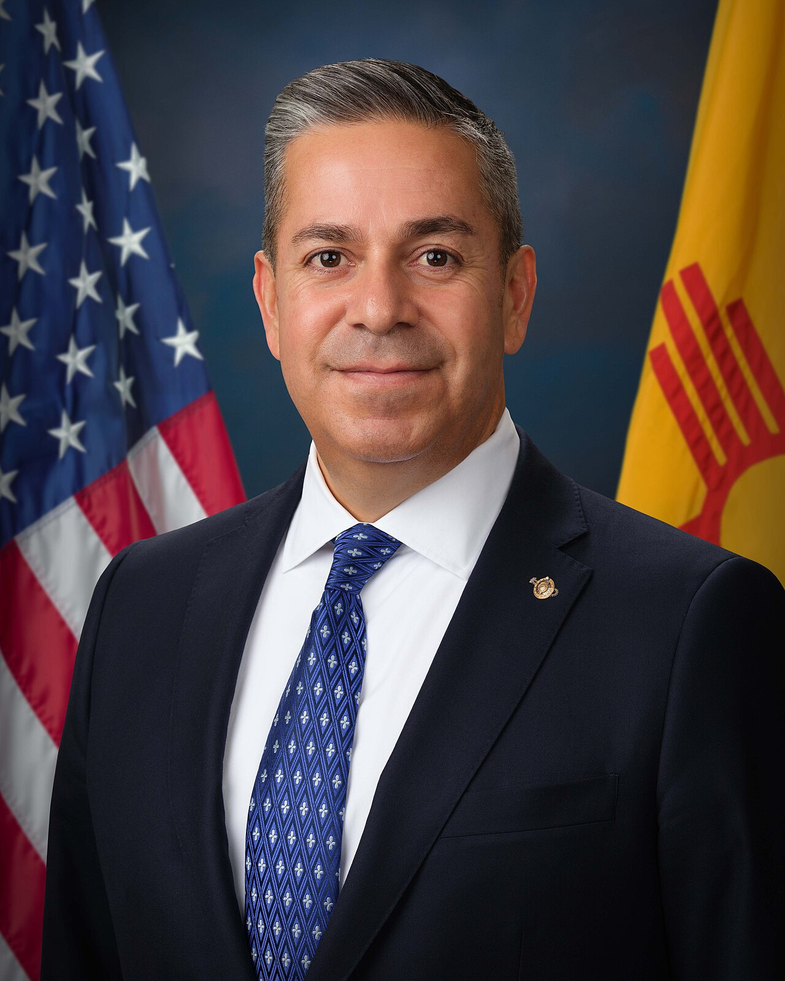
7 bill sponsors
Actions
2 actions
| Date | Action |
|---|---|
| Nov. 18, 2025 | Introduced in Senate |
| Nov. 18, 2025 | Read twice and referred to the Committee on Homeland Security and Governmental Affairs. |
Corporate Lobbying
0 companies lobbying
None found.
* Note that there can be significant delays in lobbying disclosures, and our data may be incomplete.