S. 3186: Constitutional Accountability Act
The bill titled the Constitutional Accountability Act
proposes changes to the way individuals can bring civil actions against state and local governments for constitutional violations committed by law enforcement officers. This legislation seeks to ensure accountability by allowing claims against various government entities for damages due to misconduct by police and other law enforcement personnel. Here’s a breakdown of what the bill entails:
Key Provisions of the Bill
- Liability Expansion: The bill amends section 1979 of the Revised Statutes (42 U.S.C. 1983) to include federal, state, and local governments as liable parties for constitutional violations. This means individuals can hold government entities accountable in court for their actions or policies that led to these violations.
- Definition Clarity: The bill clarifies that the term
person encompasses various entities including the United States, states, local governments, and even individual law enforcement officers. This provides a broader interpretation under which lawsuits can be filed. - Direct Employee Liability: It establishes that individuals, including law enforcement officers, can be directly liable for civil rights violations regardless of whether they were acting under a policy or custom of the employing government entity. This diminishes some legal protections that often shield officers and their departments from accountability.
- Waiver of Sovereign Immunity: The bill enforces that states cannot claim sovereign immunity (the principle that prevents states from being sued without their consent) for violations outlined in the new provisions. This means individuals can sue states when their constitutional rights are violated by state actors.
- Federal Government Accountability: The bill explicitly states that the federal government waives its sovereign immunity, allowing individuals to sue for constitutional violations by federal law enforcement officers as well.
Justifications for the Bill
- The bill aims to address criticisms that current interpretations of the law make it difficult for victims of police misconduct to seek justice and compensation.
- It highlights that the existing framework creates challenges in proving a police department's responsibility for the actions of its officers, which can prevent victims from receiving remedies for their injuries.
- Proponents of the bill argue that clearer liability rules will incentivize better training and oversight of law enforcement to prevent violations from occurring in the first place.
Critiques Addressed
- The legislation acknowledges past judicial interpretations that have restricted paths for victims seeking justice, particularly under the Monell doctrine, which limits when municipalities are held liable for their employees’ actions.
- Critics of the current law argue that the complexity of proving liability has resulted in a lack of accountability for law enforcement, which the bill intends to simplify and strengthen.
This bill represents a significant shift in the legal landscape surrounding civil rights and law enforcement accountability by allowing for more direct legal challenges against government entities in cases of constitutional violations.
Relevant Companies
None found
This is an AI-generated summary of the bill text. There may be mistakes.
Sponsors
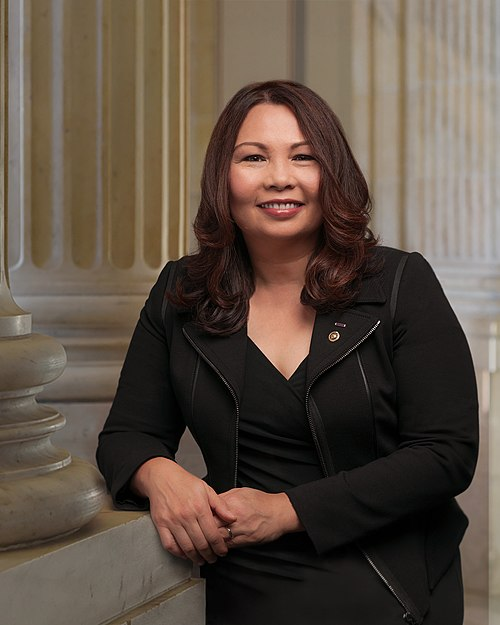
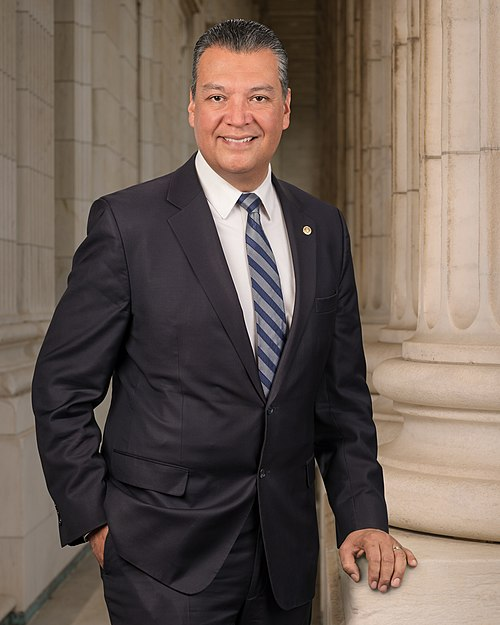
4 bill sponsors


Actions
2 actions
| Date | Action |
|---|---|
| Nov. 18, 2025 | Introduced in Senate |
| Nov. 18, 2025 | Read twice and referred to the Committee on the Judiciary. |
Corporate Lobbying
0 companies lobbying
None found.
* Note that there can be significant delays in lobbying disclosures, and our data may be incomplete.
Potentially Relevant Congressional Stock Trades
No relevant congressional stock trades found.