S. 3146: Restoring Access for Detainees Act
This bill, known as the Restoring Access for Detainees Act, aims to improve communication access for individuals who are in the custody of the Department of Homeland Security (DHS), particularly those in civil immigration detention. Here are the key provisions of the bill:
1. Purpose
The primary goal is to restore and enhance communication options for detainees to ensure they can maintain contact with legal counsel and their families. This reinstates a program that allowed up to 520 free minutes of telephone service per month, which was implemented during the COVID-19 pandemic but was later discontinued.
2. Key Provisions for Detainees
- Upon entering custody or arriving at a new detention facility, detainees must be allowed to make at least one phone call lasting a minimum of 10 minutes to inform an immediate family member about their location.
- If a detainee cannot make contact within the first five hours, they must continue to have opportunities to do so.
- Detainees will receive at least 200 free minutes each month for communications with family and other specified individuals.
- During the initial period in custody, detainees must have the opportunity to speak privately with their legal counsel or consular officials.
- Unlimited free communication must be available for certain communications, including those with legal representatives, immigration courts, and protective offices.
3. Establishing Protocols
The Secretary of Homeland Security is responsible for establishing protocols ensuring that detainees can access these communication options without hindrance or fear of retaliation. This includes making it clear that additional calls can be made at the detainee's expense.
4. Regulations on Communication
Detention facilities are authorized to establish policies regulating when and how communications can occur, but they cannot:
- Limit the number of minutes that detainees can communicate with their legal representatives.
- Set rules that automatically cut off calls.
- Count incoming calls against the free minutes provided to detainees.
5. Confidentiality of Communications
Communications under certain provisions must not be monitored or recorded, ensuring privacy for discussions with legal representatives and specific officials. There are exceptions for instances involving a lawfully issued warrant.
6. Additional Notes
The bill includes a savings provision, indicating that it should not interfere with existing settlement agreements that were in place prior to its enactment.
Relevant Companies
None found
This is an AI-generated summary of the bill text. There may be mistakes.
Sponsors
23 bill sponsors
-
TrackChristopher Murphy

Sponsor
-
TrackAngela Alsobrooks
Co-Sponsor
-
TrackMichael F. Bennet

Co-Sponsor
-
TrackRichard Blumenthal
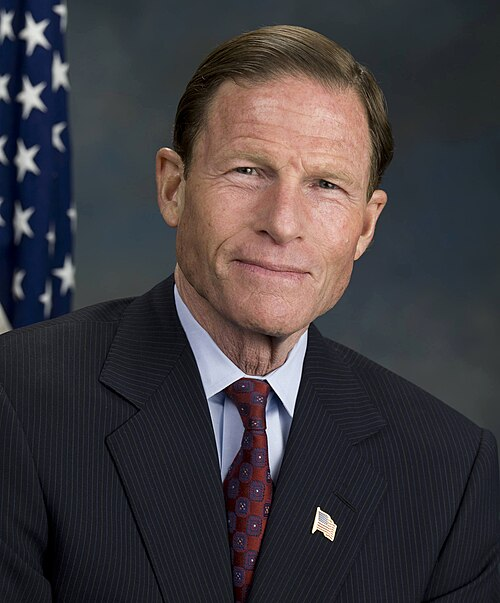
Co-Sponsor
-
TrackCory A. Booker
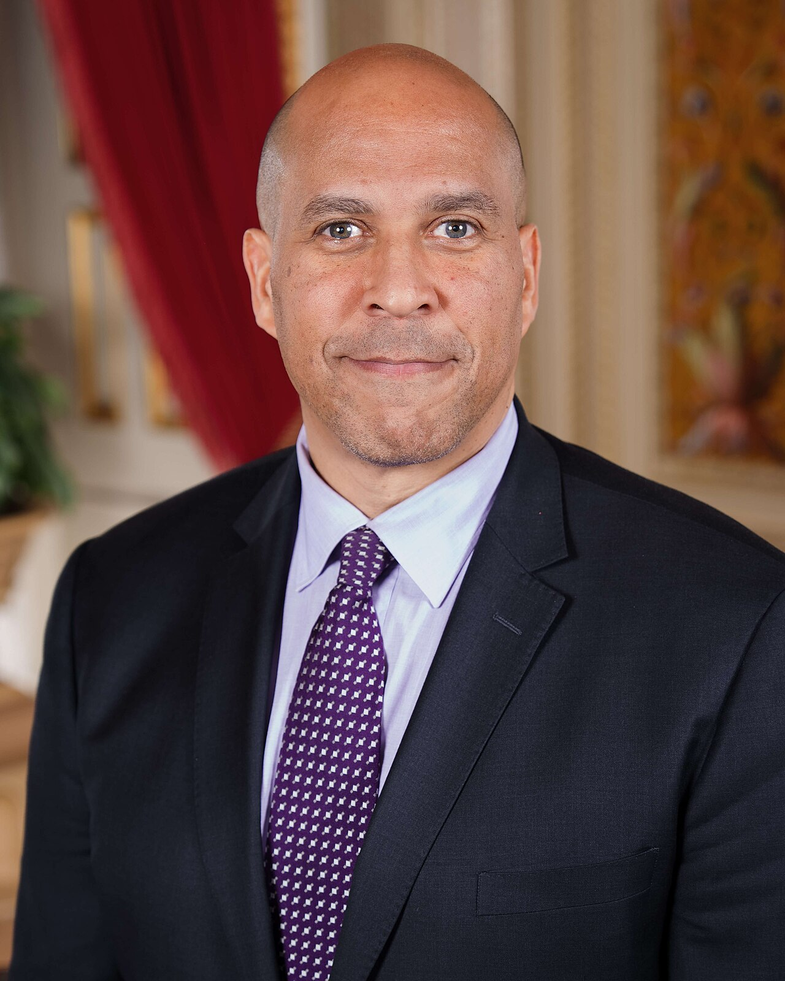
Co-Sponsor
-
TrackCatherine Cortez Masto
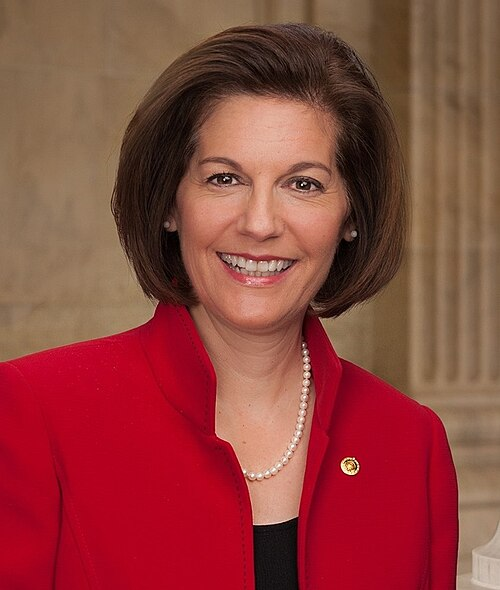
Co-Sponsor
-
TrackTammy Duckworth
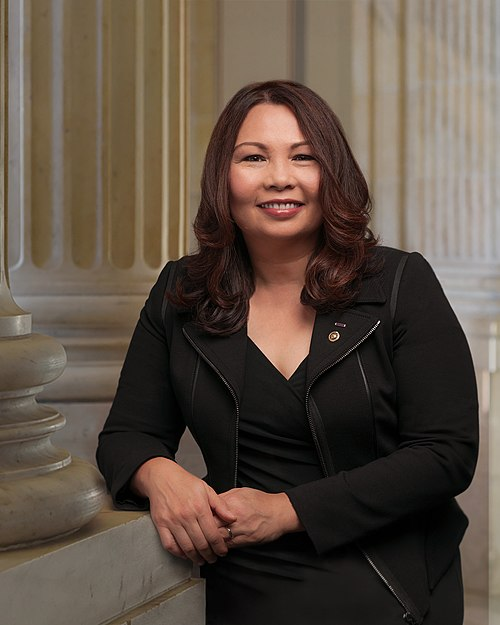
Co-Sponsor
-
TrackRichard J. Durbin
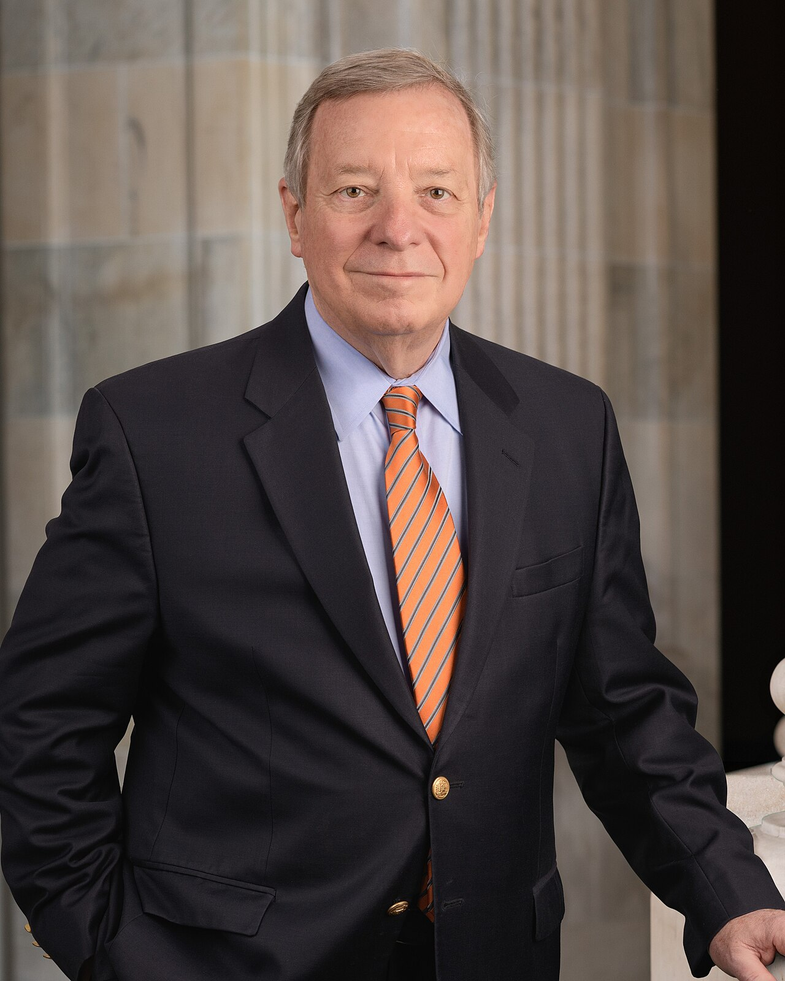
Co-Sponsor
-
TrackKirsten E. Gillibrand
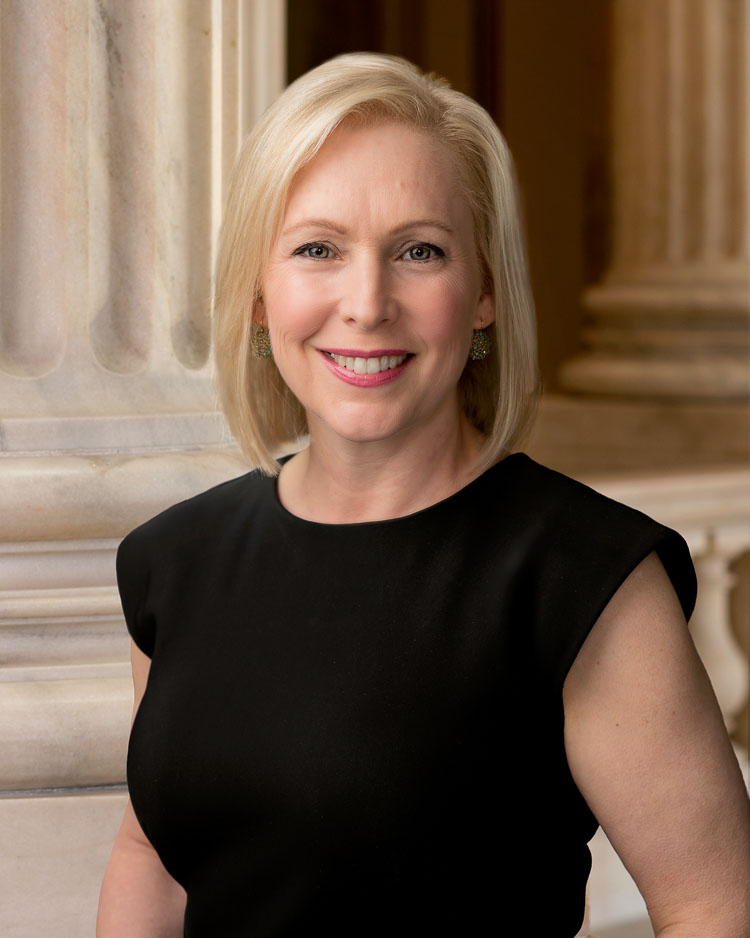
Co-Sponsor
-
TrackMazie K. Hirono

Co-Sponsor
-
TrackAndy Kim
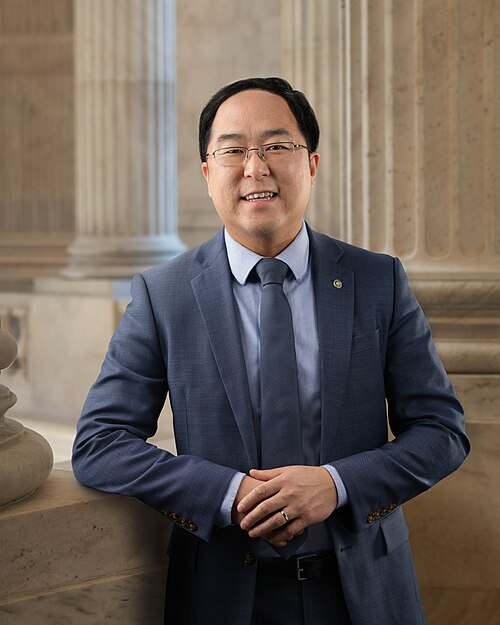
Co-Sponsor
-
TrackBen Ray Lujan
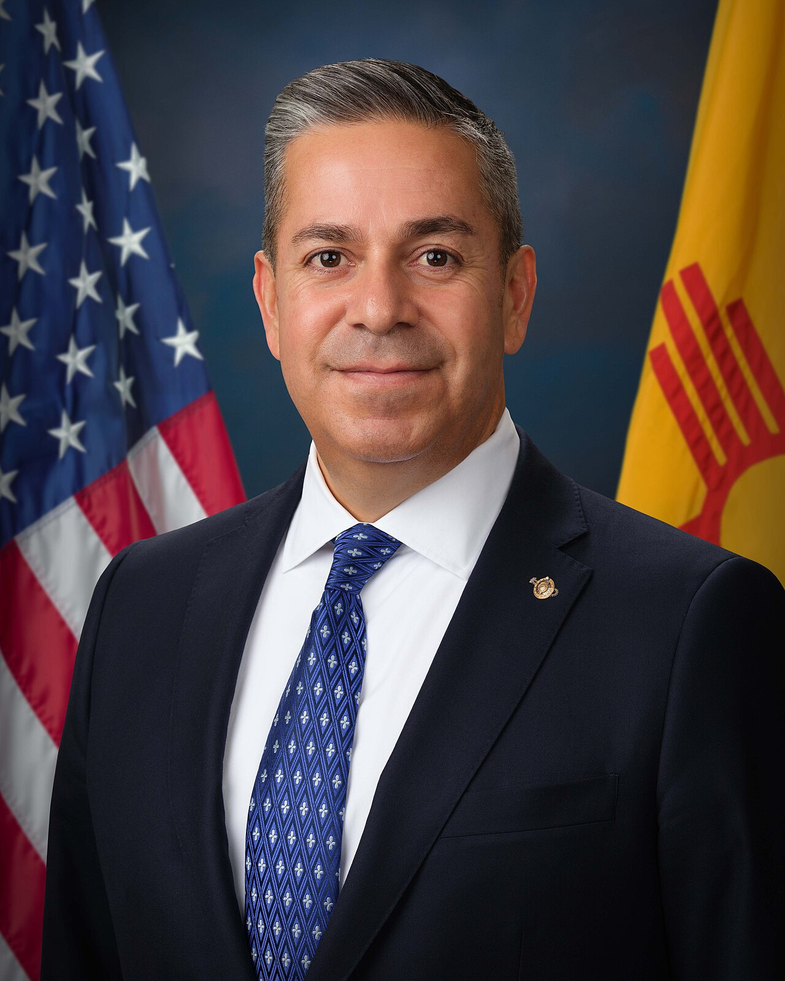
Co-Sponsor
-
TrackEdward J. Markey
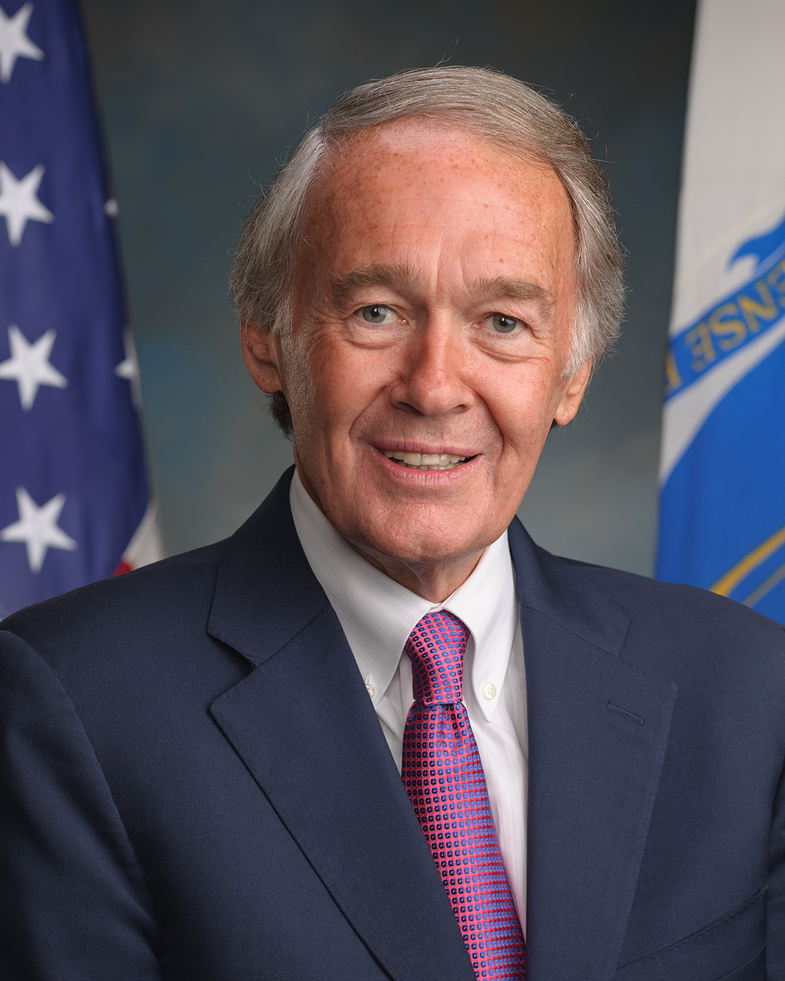
Co-Sponsor
-
TrackJeff Merkley
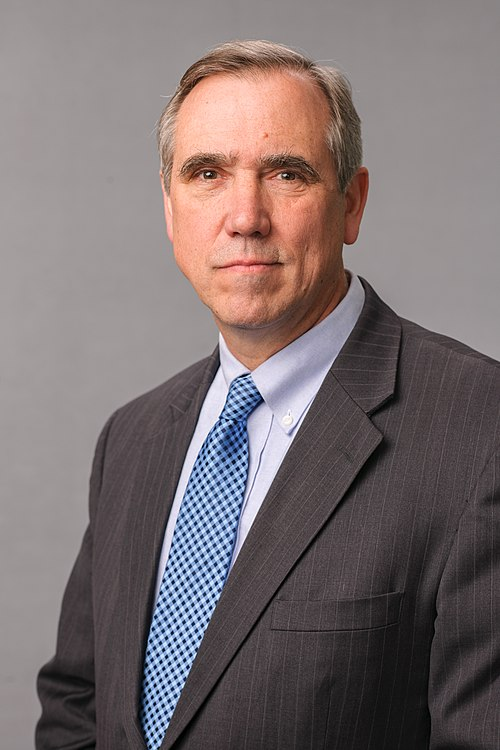
Co-Sponsor
-
TrackPatty Murray
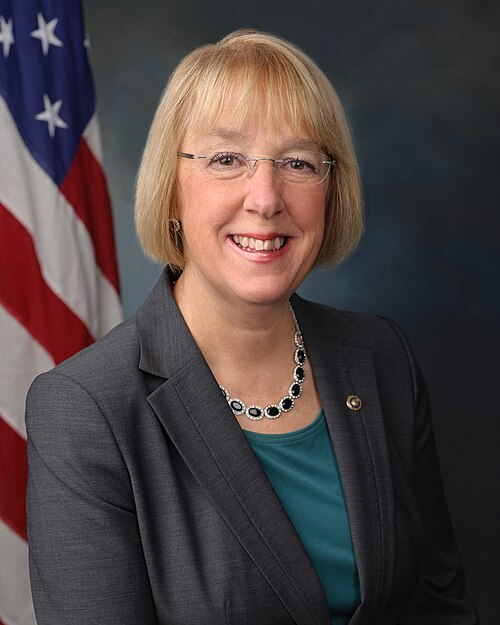
Co-Sponsor
-
TrackAlex Padilla
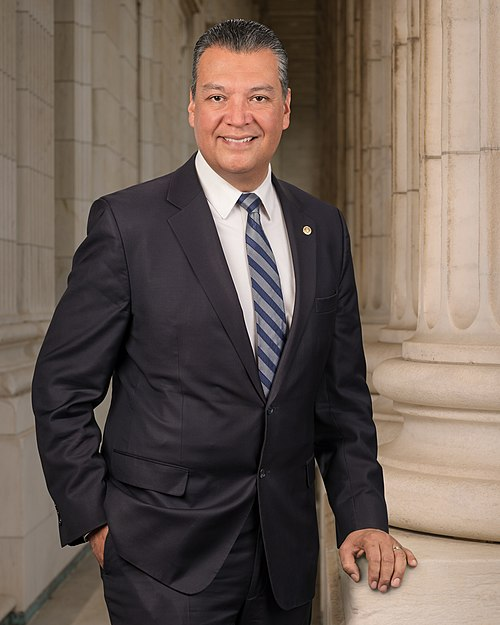
Co-Sponsor
-
TrackJacky Rosen

Co-Sponsor
-
TrackBernard Sanders
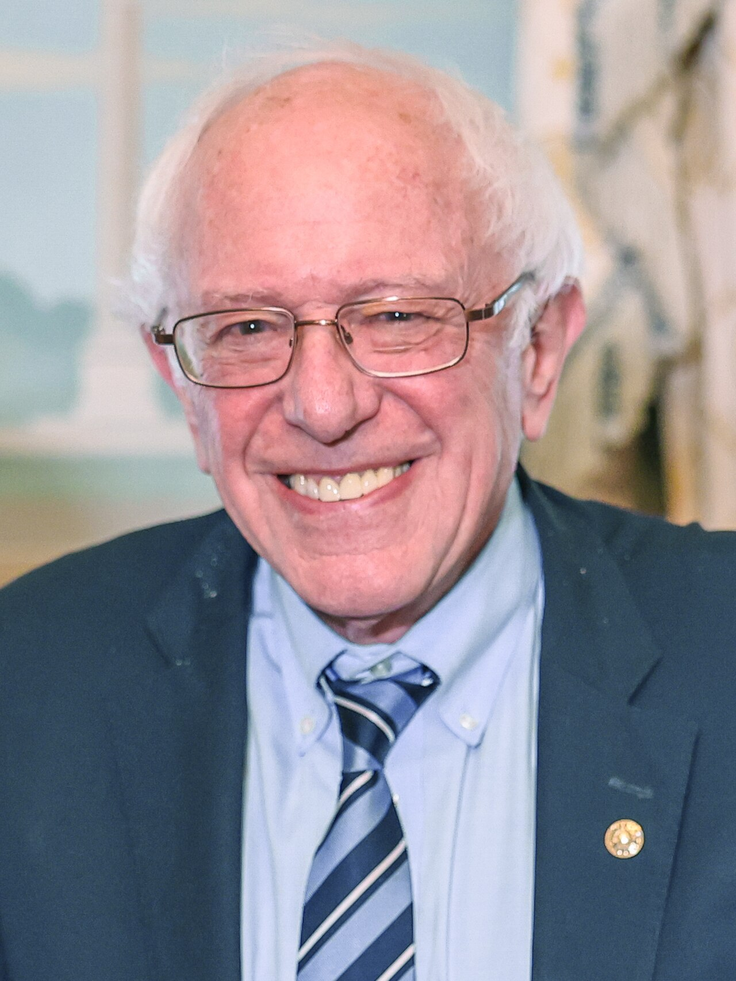
Co-Sponsor
-
TrackAdam B. Schiff
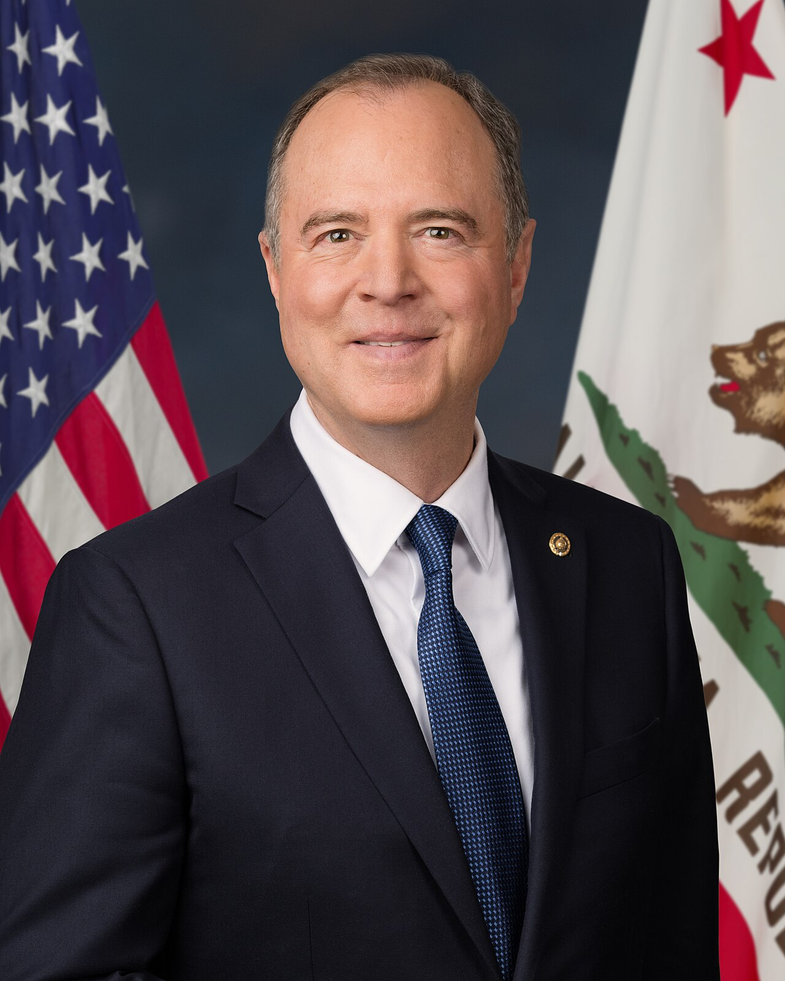
Co-Sponsor
-
TrackChris Van Hollen
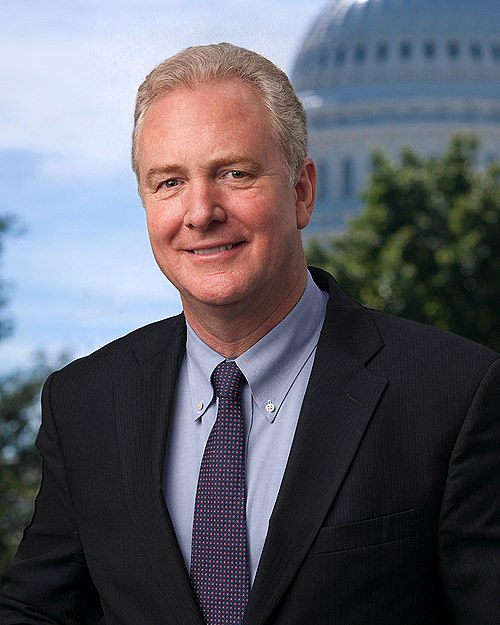
Co-Sponsor
-
TrackElizabeth Warren

Co-Sponsor
-
TrackPeter Welch
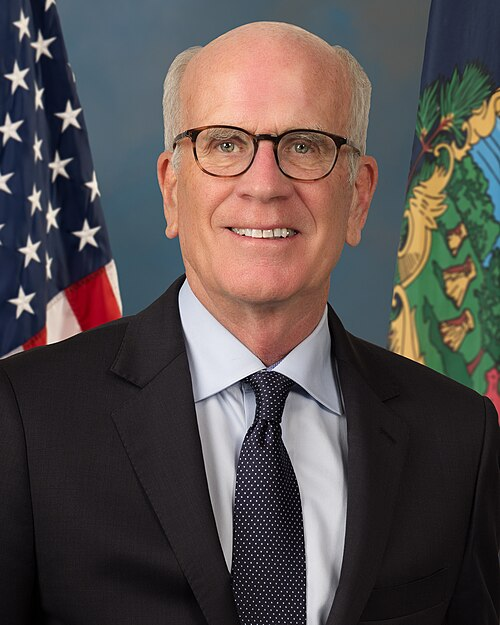
Co-Sponsor
-
TrackRon Wyden
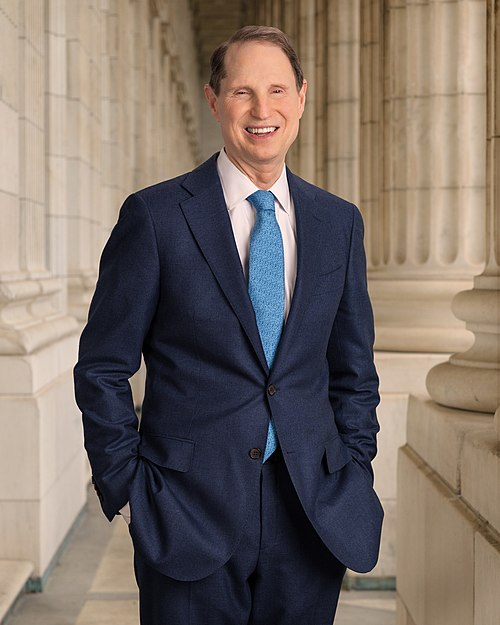
Co-Sponsor
Actions
2 actions
| Date | Action |
|---|---|
| Nov. 06, 2025 | Introduced in Senate |
| Nov. 06, 2025 | Read twice and referred to the Committee on the Judiciary. |
Corporate Lobbying
0 companies lobbying
None found.
* Note that there can be significant delays in lobbying disclosures, and our data may be incomplete.
Potentially Relevant Congressional Stock Trades
No relevant congressional stock trades found.